Valley Memorial Hospital

1111 East Stanley Boulevard, Livermore, CA 94550

For more information about senior living options: (844) 490-3973

3 from 46 reviews
5 stars
19
4 stars
4
3 stars
2
2 stars
2
1 stars
19

Skilled Nursing Facility

Overall Review of Valley Memorial Hospital

Pros

  • pro The staff are great and friendly.
  • pro The facility is very efficient with short wait times.
  • pro Receptionists are friendly and knowledgeable.
  • pro The hospital provides excellent care; patients leave feeling well cared for.
  • pro Dr. Morris is great; staff and doctors are friendly.
  • pro Check-in is fast and staff are professional.

Cons

  • pro Stanford's internal operating procedures are described as terrible and geared toward charging more.
  • pro A reviewer claims Dr. Lorena H. Tan does not offer translation help and treats Latino patients poorly.
  • pro Several reviewers report rude or mean attitudes from staff.
  • pro Patients recount long wait times and a lack of explanations from caregivers.
  • pro Billing is called a nightmare, with upcoding, hidden charges, and charges for an emergency visit when urgent care was used.
  • pro There are accounts of false-positive COVID tests causing panic and unhelpful follow-up.

Review

The collection of reviews paints a picture of a health system that many patients appreciate for its clinical strength and dedicated staff, but also one that frequently frustrates patients with inconsistent procedures, billing practices, and communication gaps. Across multiple facilities linked to Stanford Health Care, people often begin with praise for the people and the expertise they encounter, even when their experiences diverge sharply on non-clinical issues. Several reviewers describe the care as competent and compassionate, with physicians and nurses who listen, explain, and treat patients with attentiveness. One reviewer calls the hospital "unreplaceable" for urgent care, while others highlight fast check-in, well-informed receptionists, and the sense that, when things go right clinically, the experience can be very reassuring and comforting. A few individuals specifically commend certain doctors and the overall quality of medical care they received, underscoring that, when the clinical team is engaged, patients feel in good hands.

Alongside the positive notes, there is a steady stream of concerns that repeatedly surface in these comments. A common thread is frustration with internal operating procedures and a perceived focus on charging patients more than necessary. Several reviewers describe billing and coding as bewildering or punitive, noting charges that appear to escalate, are misapplied, or are difficult to understand. The criticism ranges from "upcoding" and "two-part" charges to instances where patients are billed as if they received emergency services - even when the visit occurred at an urgent care facility. In one striking case, a lactation consultation was billed under a code that the reviewer's experts believed did not fit, fueling a broader sense that the billing system lacks transparency and consistency. The net effect for many is a sense that, even when care is good, the financial experience undermines trust and leaves patients wary about the true cost of care.

Another persistent concern centers on the experience of language access, translation, and culturally sensitive care. A reviewer notes that when requesting translation help, a physician appeared to deprioritize the request, leaving the patient waiting while tending to another patient, and suggesting that translation support is assumed to be unnecessary for some patients. The commenter implies that Latino patients may not be treated equitably, which, when combined with other reports of rude or indifferent staff, creates a broader sense of unequal treatment that undermines confidence in the patient experience. These voices emphasize that excellent medical skill alone is not enough if patients feel unheard or marginalized when they most need assistance.

Waiting times and the efficiency of urgent care versus emergency care are another focal point. Several commenters recount long waits - sometimes extending well beyond an hour with no clear explanation - after arriving for urgent care or scheduling through a linked app. A few even describe a sense of being dismissed or left without adequate communication about why care was delayed. In some cases, patients report that a nurse or staff member offered little explanation beyond a noncommittal "ok" when a decision or action was requested, which only deepens the impression of disengagement. The tone of these experiences ranges from disappointed to outright hostile, with some patients noting that they were told there was no doctor available despite later confirmation that a clinician was indeed present. The disparate experiences suggest inconsistency across shifts, locations, and teams, leaving patients unsure about whom to trust.

The reviews also highlight a mix of campus-specific experiences. Some comments express a fondness for Valley Care and praise the staff as friendly, professional, and genuinely caring, with patients feeling safe and well-served. Others call out specific locations - livermore, pleasanton, peninsula Stanford - and describe a spectrum from "horrible" to "ok" depending on the site and the staff on duty. In some accounts, the same hospital is described as the best option for emergency or urgent care by one reviewer, while another person warns to avoid that very location due to high charges or unhelpful billing practices. The unevenness across sites appears to be a recurring theme, suggesting that patient experiences are highly dependent on which facility and which team handles their visit.

Despite the negative experiences, there are moments of strong appreciation for care when it goes well. Several reviewers recount fast check-in, friendly and empathetic staff, and clinicians who listen and respond to concerns with clear explanations. One or two accounts emphasize that, when care is optimal, patients leave feeling significantly improved or relieved, reinforcing the belief that Stanford Health Care can deliver outstanding medical outcomes and compassionate support. In this light, some patients articulate a hopeful stance: if billing and administrative processes could be aligned with the quality of clinical care, the overall experience would be far more consistently positive.

What emerges from this collection is a nuanced portrait of a health system that combines high clinical capability with uneven administrative experiences. The strongest praise centers on the expertise of doctors and the genuine care from some nurses and receptionists, as well as occasions of efficient service and effective communication. The most persistent criticisms, however, revolve around the cost visibility and billing practices, unclear distinctions between urgent care and emergency care, and inconsistent customer service - sometimes with staff appearing overwhelmed or unhelpful, and other times exhibiting warmth and professionalism. Taken together, these impressions suggest that patients value the medical excellence and personal attention they receive, but many also fear unexpected charges, feel untreated with respect in translation or culture-related contexts, and wish for more transparent, predictable processes that consistently support both their health needs and their wallets.

Features

Housing

  • 26 resident community capacity 26 resident community capacity

Types of Care

  • Skilled Nursing Facility Skilled Nursing FacilitySkilled Nursing Facilities are crucial for seniors as they provide round-the-clock medical care, rehabilitation services, and assistance with daily activities. These facilities ensure that seniors receive the specialized care they need to maintain their health and well-being as they age.

Amenities

  • Beauty salon Beauty salonBeauty salons are important for seniors because they provide a space for them to feel pampered, socialize, and maintain their personal grooming and hygiene. Regular visits to a beauty salon can help boost seniors' self-esteem and overall well-being.
  • Cable or satellite TV Cable or satellite TVCable or satellite TV is important for seniors because it provides entertainment, news, and companionship, helping to combat loneliness and boredom. It also offers a wide range of programming options tailored to different interests and preferences.
  • Dining room Dining roomDining rooms are important for seniors as they provide a space for socialization, connection, and nutritious meals. They offer opportunities for residents to bond over shared meals, foster a sense of community, and promote healthy eating habits. Dining rooms also ensure that seniors have access to well-balanced meals tailored to their dietary needs and preferences.
  • Fully furnished Fully furnishedFully furnished senior living communities are important for seniors because they provide convenience, comfort, and a hassle-free moving experience. Seniors can easily settle into their new living space without the stress of having to buy and move furniture. This allows them to focus on enjoying their new home and community.
  • Garden GardenGardens are important for seniors as they provide a peaceful and therapeutic environment for relaxation, physical activity, and socialization. Being in nature has been shown to reduce stress, improve mood, and promote overall well-being. Gardens also offer opportunities for seniors to engage in gardening activities, which can improve mobility, flexibility, and cognitive function. Additionally, gardens create a sense of community and connection with others who share a passion for plants and outdoor spaces.
  • Housekeeping services Housekeeping servicesHousekeeping services are important for seniors because they help maintain a clean and safe living environment, promote independence, and reduce the risk of accidents or illnesses. Additionally, having assistance with household chores can alleviate physical strain and allow seniors to focus on other aspects of their well-being.
  • Kitchenette KitchenetteKitchenettes are important for seniors living in senior living communities because they provide the convenience and independence of being able to prepare simple meals and snacks in the comfort of their own living space. This can help promote a sense of autonomy and well-being for seniors, allowing them to maintain some level of control over their dietary choices and daily routines.
  • Move-in coordination Move-in coordinationMove-in coordination is important for seniors because it helps ease the transition into their new living environment. It ensures that all logistics, such as packing, organizing movers, and setting up utilities are taken care of, allowing seniors to focus on settling in and adjusting to their new home. Having a smooth move-in process can alleviate stress and anxiety, making the transition smoother and more enjoyable for seniors.
  • Outdoor space Outdoor spaceOutdoor spaces are important for seniors as they provide opportunities for physical activity, social interaction, exposure to natural light and fresh air, and a sense of connection to nature. Having access to outdoor spaces can improve overall well-being and quality of life for older adults living in senior communities.
  • Restaurant-style dining Restaurant-style diningRestaurant-style dining is important for seniors because it allows them to enjoy delicious, nutritious meals in a social and upscale setting. This enhances their dining experience, promotes healthy eating habits, and fosters socialization with fellow residents, ultimately contributing to their overall well-being and quality of life.
  • Small library Small librarySmall libraries are important for seniors as they provide access to a variety of reading materials, including books, newspapers, and magazines. This can help stimulate their minds, keep them engaged, and provide a sense of community through book clubs and other social activities. Additionally, reading has been shown to improve cognitive function and overall mental well-being in older adults.
  • Telephone TelephoneTelephones are important for seniors as they provide a lifeline for communication with loved ones, emergency services, and healthcare providers. They offer a sense of security and independence, enabling seniors to stay connected and access assistance when needed.
  • Wi-Fi/high-speed internet available Wi-Fi/high-speed internet availableWi-Fi/high-speed internet is important for seniors to stay connected with loved ones, access online resources, and participate in virtual activities to combat feelings of loneliness and isolation. It also allows them to easily manage healthcare needs, access entertainment, and engage in lifelong learning opportunities.

Transportation

  • San Jose International (23 miles away) San Jose International (23 miles away)
  • Metropolitan Oakland International (24 miles away) Metropolitan Oakland International (24 miles away)

Care Services

  • 24-hour call system 24-hour call system24-hour call systems are important for seniors because they provide peace of mind and immediate assistance in case of emergencies. This technology ensures that help is always available, promoting safety and security for elderly individuals living alone or in assisted living facilities.
  • 24-hour supervision 24-hour supervision24-hour supervision is important for seniors to ensure their safety, well-being, and access to immediate assistance in case of emergencies or health issues. This constant support provides peace of mind for both seniors and their loved ones, allowing them to age in place with dignity and security.
  • Activities of daily living assistance Activities of daily living assistanceActivities of daily living assistance are important for seniors because they provide essential support with tasks such as eating, bathing, dressing, and mobility. This assistance helps seniors maintain their independence, dignity, and overall quality of life as they age.
  • Assistance with bathing Assistance with bathingAssistance with bathing is crucial for seniors as it helps maintain personal hygiene, prevents infections, and ensures their overall well-being and comfort. It also provides a sense of dignity and independence for seniors who may struggle with this task on their own.
  • Assistance with dressing Assistance with dressingAssistance with dressing is important for seniors because it helps maintain their independence, promotes personal hygiene, prevents accidents and injuries, and improves overall quality of life. This service ensures that seniors can continue to dress comfortably and confidently, despite any physical limitations they may have.
  • Assistance with transfers Assistance with transfersAssistance with transfers is crucial for seniors as it helps prevent falls and injuries, maintains their independence, and ensures they can safely navigate their living environment. It also provides peace of mind for both seniors and their loved ones.
  • Diabetes diet Diabetes dietA diabetes diet is crucial for seniors as it helps manage blood sugar levels, reduce risks of complications, and improve overall health and well-being. By following a balanced and nutritious diet tailored to their specific needs, seniors can better control their diabetes and enhance their quality of life.
  • Meal preparation and service Meal preparation and serviceMeal preparation and service are crucial for seniors as they may have limited mobility or energy to cook nutritious meals. Having access to healthy and convenient food options can ensure they are getting the proper nutrition needed to maintain their overall health and well-being.
  • Medication management Medication managementMedication management is crucial for seniors to ensure they are taking the right medications at the correct dosages and times. This helps prevent adverse drug interactions, reduces the risk of medication errors, and promotes overall health and well-being. Proactive management also allows for adjustments as needed based on changing health conditions or new prescriptions.
  • Mental wellness program Mental wellness programMental wellness programs are essential for seniors as they promote cognitive stimulation, emotional support, and social engagement. These programs help prevent isolation, depression, and cognitive decline, ultimately enhancing the overall quality of life for older adults.
  • Special dietary restrictions Special dietary restrictionsSpecial dietary restrictions are important for seniors because age-related changes in metabolism and health conditions can make it difficult for their bodies to process certain foods. By following a diet tailored to their specific needs, seniors can maintain their overall health and well-being, manage chronic conditions, and reduce the risk of complications such as malnutrition or food interactions with medications.
Dining

  • Diabetes diet Diabetes dietA diabetes diet is crucial for seniors as it helps manage blood sugar levels, reduce risks of complications, and improve overall health and well-being. By following a balanced and nutritious diet tailored to their specific needs, seniors can better control their diabetes and enhance their quality of life.
  • Special dietary restrictions Special dietary restrictionsSpecial dietary restrictions are important for seniors because age-related changes in metabolism and health conditions can make it difficult for their bodies to process certain foods. By following a diet tailored to their specific needs, seniors can maintain their overall health and well-being, manage chronic conditions, and reduce the risk of complications such as malnutrition or food interactions with medications.

Activities

  • Community-sponsored activities Community-sponsored activitiesCommunity-sponsored activities are important for seniors as they provide opportunities for social interaction, mental stimulation, and physical activity. These activities can help improve overall well-being, combat loneliness and isolation, and promote a sense of belonging and purpose among older adults.
  • Resident-run activities Resident-run activitiesResident-run activities are important for seniors as they encourage social interaction, creativity, and a sense of autonomy. These activities empower seniors to stay engaged and active in their community while fostering meaningful connections with their peers.
  • Scheduled daily activities Scheduled daily activitiesScheduled daily activities are important for seniors because they provide structure, socialization, mental stimulation, and physical activity. Engaging in regular activities can improve overall well-being and quality of life for seniors living in a community setting.

Description

Valley Memorial Hospital in Livermore, CA is an assisted living community that offers a wide range of amenities and care services to ensure the comfort and well-being of its residents. The community provides fully furnished accommodations with cable or satellite TV, Wi-Fi/high-speed internet, and telephone facilities. Each unit also features a kitchenette for added convenience.

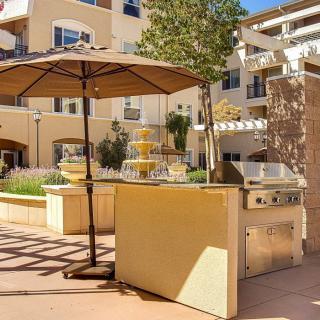
Residents have access to various on-site amenities including a dining room where they can enjoy restaurant-style meals with special dietary restrictions catered to. They can also take advantage of the outdoor spaces such as gardens and outdoor lounges for relaxation and socializing. Additionally, there is a small library available for those who enjoy reading.

The community offers 24-hour supervision and assistance with activities of daily living including bathing, dressing, and transfers. There is a mental wellness program implemented to support residents' emotional well-being. Medication management services are also provided to ensure proper administration.

Valley Memorial Hospital is conveniently located near essential facilities such as cafes, parks, pharmacies, physicians' offices, restaurants, places of worship, and theaters. Residents can easily access these amenities for leisure activities or medical needs.

In terms of activities within the community itself, there are resident-run activities as well as scheduled daily activities aimed at providing social engagement and entertainment for the residents.

Overall, Valley Memorial Hospital in Livermore, CA strives to create a supportive environment where residents can maintain their independence while receiving personalized care and enjoying various amenities both within the community and nearby.

Nearby Places of Interest

Physicians

  • Bayside Medical Group Livermore (0.1 miles)
  • Scott D. Eaton, MD, FACOG (0.1 miles)
  • Elizabeth E Bailey, MD MPH (0.1 miles)
  • Livermore Optometry Group (0.5 miles)
  • Axis Community Health (1.4 miles)
  • Mission Peak Orthopaedic Medical Group (4.4 miles)
  • Ceizler Harold B DDS (5.1 miles)

Restaurants

  • Taco Bell (0.2 miles)
  • First Street Ale House (0.7 miles)
  • Sauced Bbq & Spirits (0.8 miles)
  • Wienerschnitzel (0.9 miles)
  • Pennyweight Craft Brewing (0.9 miles)
  • Emil Villa's Hickory Pit (1.3 miles)
  • In-N-Out Burger (1.6 miles)

Pharmacies

  • Rite Aid (0.2 miles)
  • CVS Pharmacy (0.3 miles)
  • Walgreens (0.4 miles)
  • Tak Yuan Herbal (3.9 miles)
  • CVS Pharmacy (4.1 miles)
  • Rite Aid (4.1 miles)
  • Walgreens (5.1 miles)

Cafes

  • Story Coffee (0.6 miles)
  • Starbucks (2.2 miles)
  • Starbucks (5.2 miles)
  • Inklings Coffee & Tea (5.2 miles)
  • Starbucks (6.2 miles)
  • Bill's Cafe (6.3 miles)
  • Starbucks (6.8 miles)

Parks

  • Robert Livermore Park (0.9 miles)
  • Jack Williams Park (1.4 miles)
  • Independence Park (1.9 miles)
  • Wattenburger Park (3 miles)
  • Tex Spruiell Park (3.2 miles)
  • Emerald Glen Park (5.8 miles)
  • Pleasanton Sports Park (5.9 miles)

Theaters

  • Livermore Cinemas (0.9 miles)
  • Regal Hacienda Crossings Screenx, Imax & RPX (5.9 miles)
  • Century Blackhawk Plaza (11.2 miles)

Places of Worship

  • New Beginnings Church (2 miles)
  • Fountain Christian Fellowship (5.2 miles)

Hospitals

  • Ucsf Medical Center (5.5 miles)
  • Valleycare Health Systems (5.5 miles)

Transportation

  • Dublin/Pleasanton BART Station (6.6 miles)
  • U-Haul Moving & Storage of Dublin (7 miles)
  • West Dublin/Pleasanton BART Station (8.2 miles)

Frequently Asked Questions

Where is Valley Memorial Hospital?

Nearby Communities

Related Resources

  • does medicare cover hospiceComprehensive Guide to Medicare Coverage for Hospice Care

    Hospice care focuses on providing comfort and support for individuals nearing the end of life, with Medicare Part A covering services like nursing care and counseling for patients with a terminal illness and a life expectancy of six months or less. While most hospice services are low-cost for eligible patients, families should be aware that certain expenses, such as room and board, may not be covered.

  • caregiver burnoutCaring for Those Who Care: Recognizing, Understanding, and Overcoming Caregiver Burnout

    Caregiver burnout is a common issue resulting from the intense physical, emotional, and mental demands of caregiving, leading to symptoms like fatigue and social withdrawal. To prevent burnout, caregivers should recognize early warning signs and implement self-care strategies, seek support, and prioritize their own well-being alongside that of those they care for.

  • caregiver burnoutCaregiver Exhaustion: Recognizing the Signs and Restoring Your Well-Being

    Caregiver exhaustion, or burnout, stems from the relentless demands of caregiving, leading to emotional and physical depletion characterized by stress, frustration, and neglect of personal needs. Addressing this burden is essential to prevent long-term consequences, with early recognition and support being crucial for caregivers to maintain balance and implement self-care.