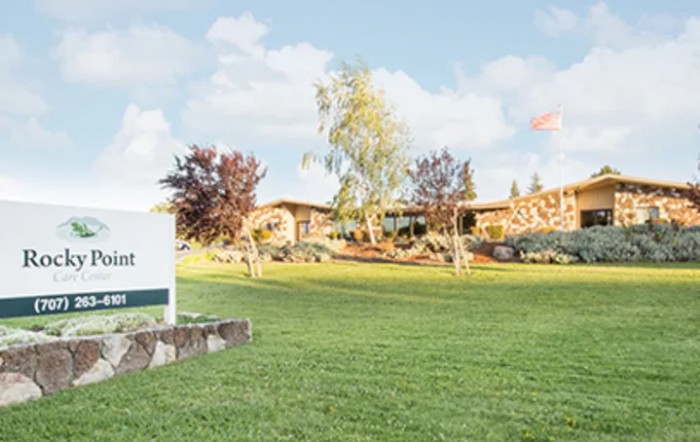
625 16Th Street, Lakeport, CA 95453
For more information about senior living options: (866) 208-4318
Overall Review of Rocky Point Care Center
Pros
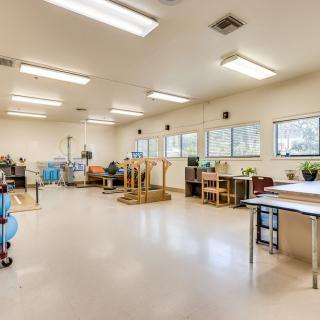
 The physical therapy was adequate and he improved enough to come home.
 - For limited mobility, the facility is the place to be, and the staff helps residents get around.
- The staff were friendly and did all they could to make them comfortable.
- The nurses are not overworked, and the rehab staff is highly regarded for their care.
- The facility is among the least expensive options in the area.
- The care from the staff is excellent, and they are always there when the call light is used.
- The facility provides activities such as nails on weekends, current events, and physical therapy.
Cons
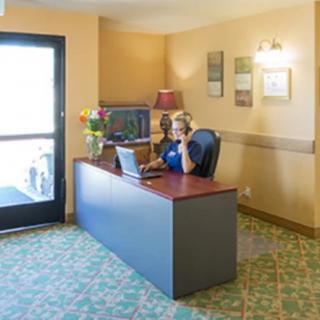
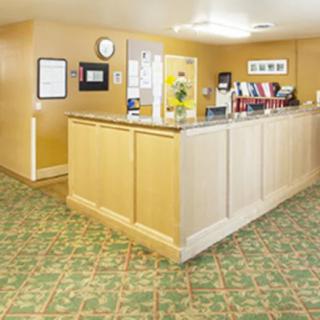
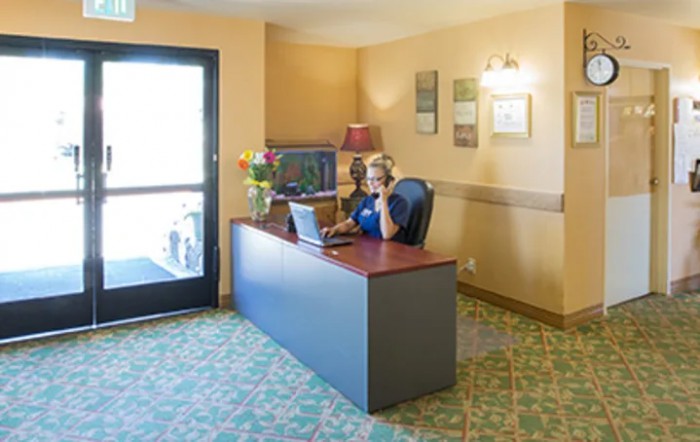
 The reception was tacky and spammy.
- The rooms were not clean, and they were cleaned only once in three days.
- There was not enough staff to help the patients, and the hallways were very loud.
- They would not recommend Rocky Point to anyone for any type of care.
- The care was awful, with the patient left sitting in a wet and soiled diaper for up to two hours.
- The patient developed pneumonia and could barely breathe while there.
- The facility smelled on weekends.
- An RN who was not employed by Plum Healthcare signed all of the records, and Plum Test Facility appeared as the heading on the POC.
Review
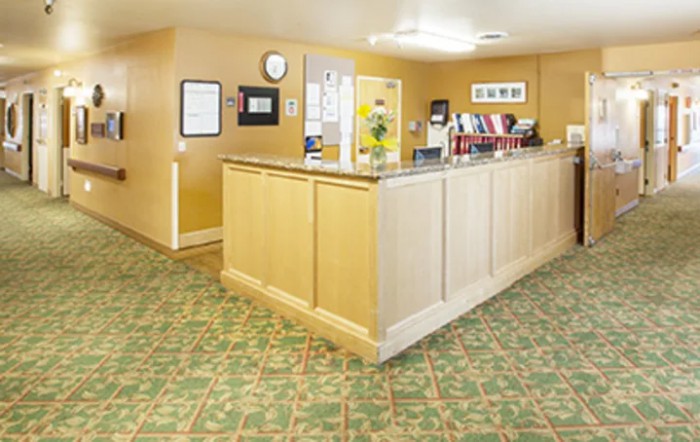
Rocky Point Care Center in Lakeport is best suited for seniors who need short- to mid-term rehabilitation and practical help with daily activities in a budget-conscious setting. The community works best for those with limited mobility who benefit from hands-on assistance with bathing, dressing, and meals, alongside straightforward physical therapy aimed at returning home. Its single-story, compact layout and central location in town make it a workable option for families prioritizing affordability and access over polish. This is not a facility built for residents seeking a high-end, hospital-like environment or for those requiring constant, high-acuity medical oversight. For families expecting pristine cleanliness, top-tier clinical attention, and seamless owner-operator communication, Rocky Point will likely fall short.
Those inclined to look elsewhere should consider alternatives if a loved one demands rigorous cleanliness, consistent proactive communication, and robust staff responsiveness around the clock. Several accounts flag lingering issues with room cleanliness and overall upkeep, and some family members report delayed or incomplete updates about medical changes. The facility’s age and the perceived limits of staffing also point toward potential compromises in safety and daily monitoring. If the priority is ongoing complex medical care, or if the family requires a facility with a more modern footprint and tighter oversight, it is prudent to explore other local options.
On the strength side, the rehab and daily living support can be meaningful for residents who need help with basic tasks and who are navigating a transition back home. In multiple experiences, the nursing and therapy teams are described as approachable and competent, delivering essential services such as medication assistance, mobility support, and timely help when a resident activates a call light. For families assessing affordability, Rocky Point’s lower cost relative to peers is a tangible advantage, and the setting’s intimate size can foster a sense of familiarity and easier day-to-day oversight. For a resident who benefits from straightforward routines, attentive but non-pressurized staff, and a simpler building layout, these positives can translate into meaningful daily comfort.
Yet the drawbacks are recurrent and serious enough to tilt the balance. Cleanliness concerns surface repeatedly, rooms not being cleaned regularly and periods of inadequate personal care, along with complaints about noisy hallways and limited staff presence at critical times. Family members also recount alarming safety lapses, including prolonged exposure to wet conditions or uncomfortable temperatures, and inconsistent communication about a loved one’s condition. The combination of an aging building, a sometimes sparse staffing picture, and the potential for poor family communication creates a real risk that daily quality of life and safety could deteriorate, especially for residents with higher care needs or cognitive impairment. Add in reports of odor and the implication of lax oversight, and the picture becomes one of a facility where diligence and vigilance are required from families.
In weighing the pros against the cons, the practical takeaway is clear: Rocky Point can deliver essential rehab and daily support at a budget-friendly price, but the safety and experience gaps can offset those gains quickly for many families. For a resident who just needs help with activities of daily living, a few weeks of rehab, and a modest, non-intensive care plan, the positives, staff approachability, basic therapy, and cost control, offer a reasonable path back to independence. However, for anyone seeking consistent, high-quality oversight, spotless accommodations, and a consistently high standard of nursing care, the cons overwhelm the upside. The risk of delayed communication, potential safety lapses, and an aging facility’s limitations should color every decision.
The prudent course is targeted diligence. Prospective families should schedule thorough, multi-time visits to observe care routines, ask pointed questions about staffing ratios and shift coverage, and request direct access to the nursing and rehab leadership. Scrutinize how daily care plans are developed and updated, and whether physicians or mid-level clinicians are actively coordinating with families and therapists. Inspect cleanliness practices in real time, verify that call-light response times are reliable, and probe how emergencies are communicated to families, especially after hours. Finally, compare Rocky Point against other local skilled-nursing options that offer stronger reputations for safety, modern amenities, and transparent records. If choosing Rocky Point, approach the placement as a pragmatic, budget-conscious choice that requires active family involvement and clear expectations from the outset.
 90 resident community capacity
 Skilled Nursing Facility
 Air-conditioning
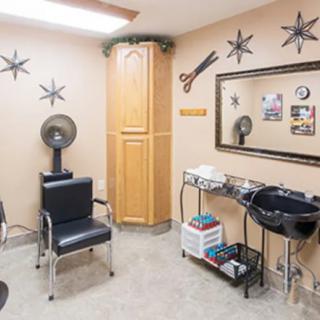
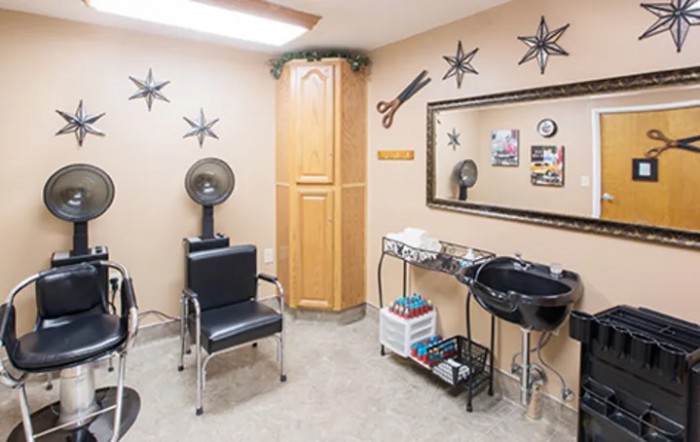
 Beauty salon
 Cable or satellite TV
 Computer center
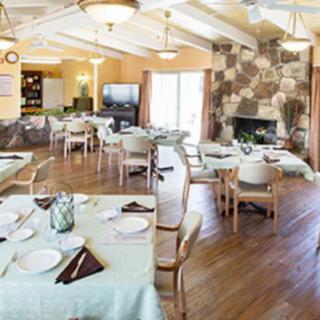
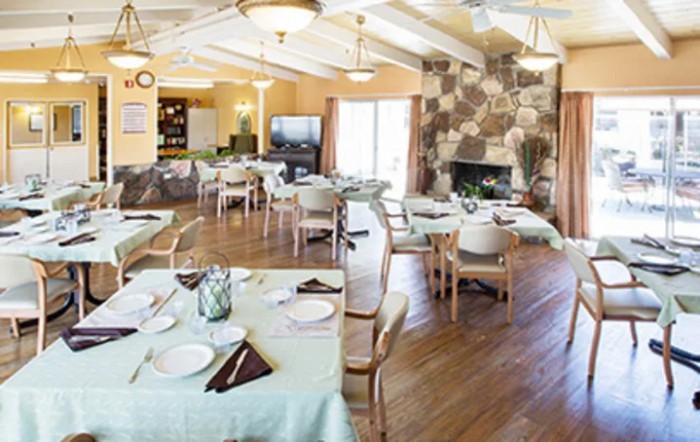
 Dining room
 Fitness room
 Fully furnished
 Gaming room
 Garden
 Housekeeping services
 Kitchenette
 Move-in coordination
 Outdoor space
 Private bathrooms
 Restaurant-style dining
 Small library
 Telephone
 Wellness center
 Wi-Fi/high-speed internet available
 Community operated transportation
 12-16 hour nursing
 24-hour call system
 Activities of daily living assistance
 Assistance with bathing
 Assistance with dressing
 Assistance with transfers
 Diabetes diet
 Medication management
 Mental wellness program
 Special dietary restrictions
 Concierge services
 Planned day trips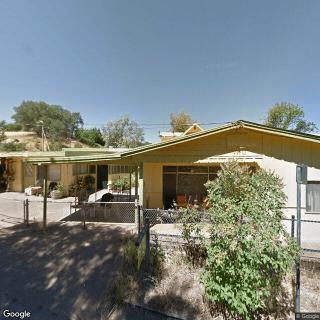




 Engaging Brain Games and Innovative Apps to Keep Senior Minds Active
 Effective Strategies for Keeping Seniors' Minds Active: A Deep Dive into Brain Games and Apps
 In-Depth Look at the VA Aid and Attendance Program