For more information about senior living options: (866) 208-4318
2.5 from 27 reviews
5 stars
9
4 stars
0
3 stars
1
2 stars
2
1 stars
15
Overall Review of La Habra Convalescent Hospital
caveat7 reviews mention this
Staff communication can be rough
Residents and families report frustrating communication when help is needed quickly.
Several reviewers describe trouble getting timely responses, including difficulty reaching the front desk and delays for basic needs. Others mention rude or unprofessional interactions when they asked questions or escalated concerns. A recurring complaint is that families didn’t get clear answers about where a loved one was during care transitions or appointments.
caveat3 reviews mention this
Activities are unevenly offered
Activity experiences vary, with some residents describing more limited days.
Some residents and families describe frequent special functions and events, including themed gatherings. Others say the activities they expected were not being offered and describe days dominated by watching TV or simple games. At least one reviewer also mentions that help is more consistently available around physical therapy than other times of day.
caveat3 reviews mention this
Cleanliness draws mixed reviews
Reviewers describe both clean conditions and serious cleanliness problems.
One family praised the facility as clean and pleasant each time they visited. Other reviewers report unsanitary conditions, including dirty rooms and areas they felt were not maintained. That split shows up alongside concerns about food quality and overall presentation in some experiences.
common2 reviews mention this
Food quality is a divider
Dining feedback ranges from praised meals to complaints about food.
Some reviewers highlight specific meal enjoyment, describing flavorful dishes during special dining events. Others report dissatisfaction with meals and describe the food as “nasty.” Restaurant-style dining is offered as a facility feature, but the lived experience appears inconsistent across reviews.
caveat10 reviews mention this
Medical care quality feels inconsistent
Care quality varies, with praise for some nurses and serious complaints about care and safety.
Multiple reviewers describe excellent staff and caring nursing support, including specific praise for nurses’ patience and professionalism. At the same time, other reviews raise severe concerns, including claims about medication practices, slow or inadequate rehab, understaffing, and unprofessional conduct. Several of these negative reports also describe problems with responsiveness for daily care needs, such as help with mobility and monitoring tasks.
caveat3 reviews mention this
Transportation is a recurring hassle
Families report gaps with transportation for medical appointments.
Reviewers describe needing help for dialysis and other outings and feeling the facility could not reliably schedule or provide transportation. Another reviewer mentions transfer-related communication around when a loved one was taken to a hospital. While transportation is offered as a service feature, these reviews suggest families may still end up coordinating critical trips themselves.
How we summarize
Counts show how many written reviews mention each theme; a review can touch several themes, and only frequently mentioned themes are displayed.
Features
Housing
86 resident community capacity
Types of Care
Skilled Nursing Facility
Amenities
Air-conditioning
Beauty salon
Cable or satellite TV
Computer center
Dining room
Fitness room
Fully furnished
Gaming room
Garden
Housekeeping services
Kitchenette
Move-in coordination
Outdoor space
Private bathrooms
Restaurant-style dining
Small library
Telephone
Wellness center
Wi-Fi/high-speed internet available
Transportation
Long Beach (Daugherty) (14 miles away)
John Wayne Orange Co (18 miles away)
Ontario International (22 miles away)
Community operated transportation
Transportation arrangement
Transportation arrangement (non-medical)
Transportation to doctors appointments
Care Services
12-16 hour nursing
24-hour call system
24-hour supervision
Activities of daily living assistance
Assistance with bathing
Assistance with dressing
Assistance with transfers
Diabetes diet
Meal preparation and service
Medication management
Mental wellness program
Special dietary restrictions
Dining
Diabetes diet
Special dietary restrictions
Activities
Community-sponsored activities
Concierge services
Fitness programs
Planned day trips
Resident-run activities
Scheduled daily activities
Nearby Places of Interest
Parks
La Bonita Park (0.4 miles)
Michigan Park (4.3 miles)
Craig Regional Park (4.4 miles)
Central Park / La Palma Recreation & Community Services (7.3 miles)
Willow Park (7.7 miles)
Shadow Park Hoa (7.8 miles)
Creekside Park (8 miles)
Pharmacies
Rite Aid (0.6 miles)
CVS Pharmacy (1.8 miles)
CVS Pharmacy (3.1 miles)
CVS Pharmacy (3.6 miles)
CVS Pharmacy (4.2 miles)
CVS Pharmacy (4.4 miles)
Rite Aid (4.7 miles)
Hospitals
Ahmc Whittier Hospital Medical Center (2.9 miles)
Anaheim Regional Medical Center (6 miles)
Department of State Hospitals (6 miles)
Physicians
St Jude's Heritage Medical Center (3.2 miles)
St Jude Medical Center (3.2 miles)
Kaiser Permanente, Euclid & Romneya (5.7 miles)
Kaiser Permanente Diamond Bar Medical Offices (8.4 miles)
Kaiser Permanente Medical Building 1 (8.6 miles)
Transportation
Metro La Mirada & Alondra Bus Stop (3.7 miles)
Drr Toontown Station (8.4 miles)
Disneyland Monorail (8.6 miles)
DLRR New Orleans Station (8.6 miles)
Drr Tomorrowland Station (8.6 miles)
Disneyland Monorail - Downtown Disney District Station (8.7 miles)
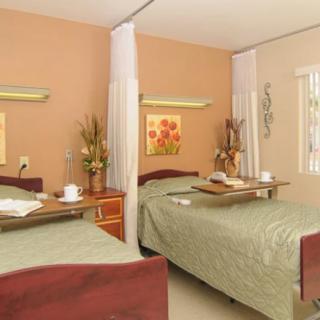
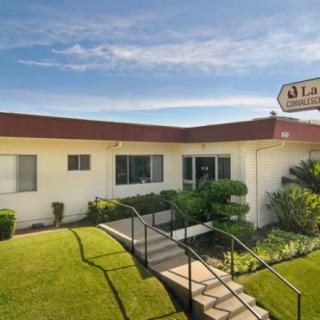
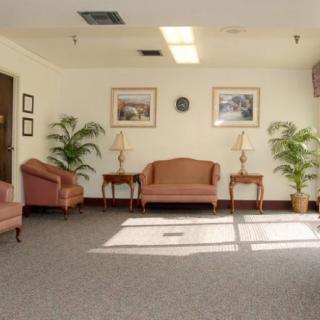
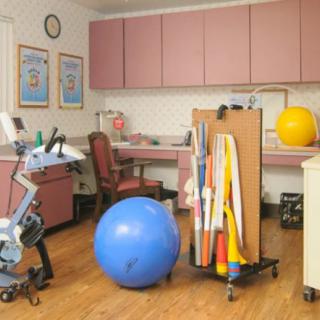
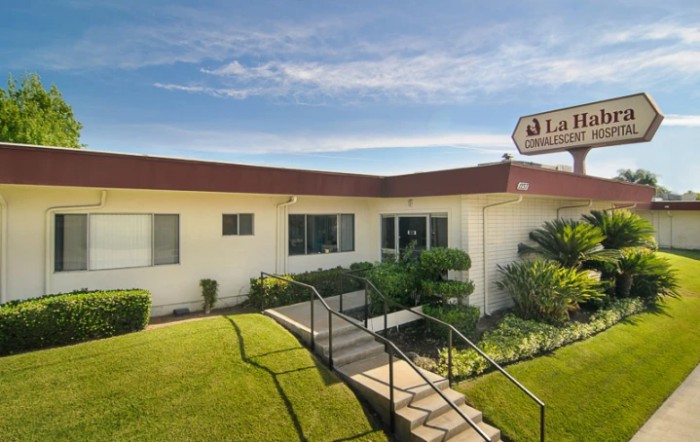
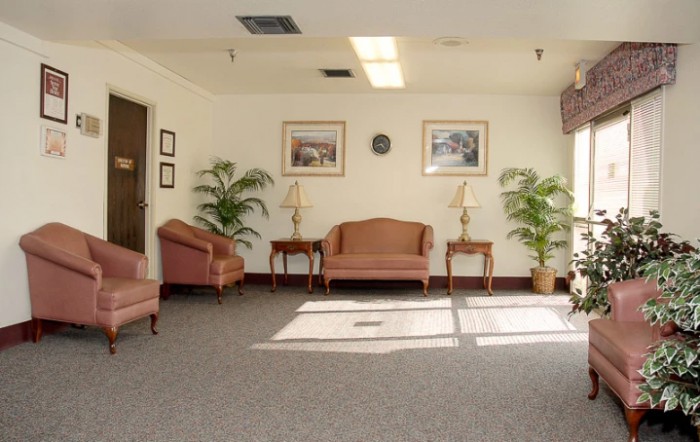
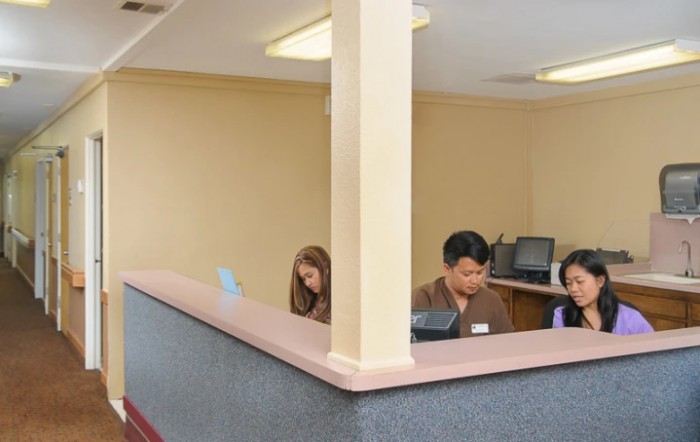
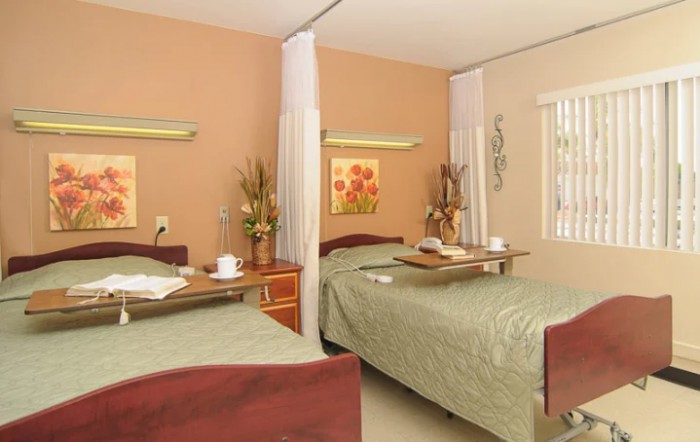
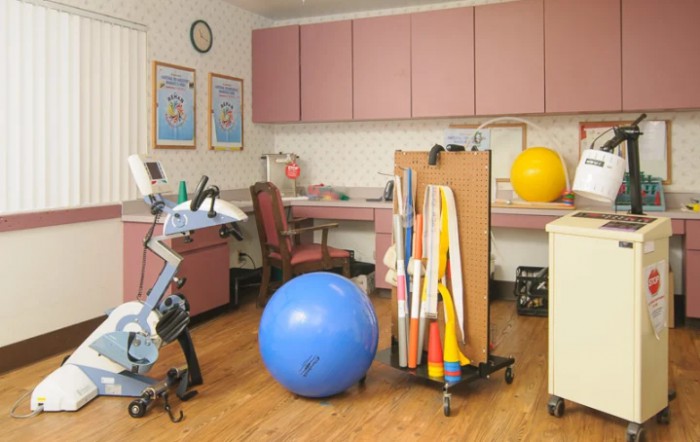
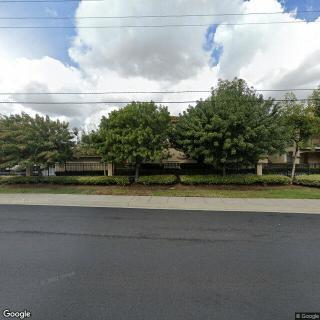
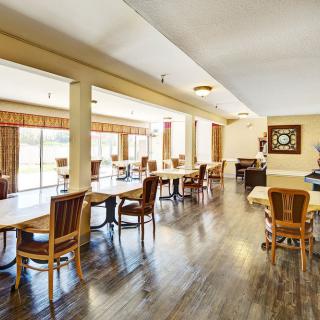
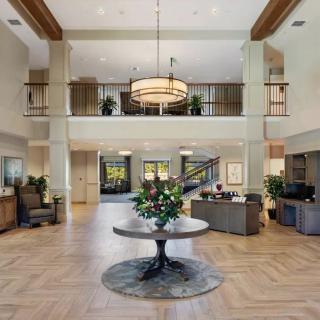
La Habra Convalescent Hospital on seniors.fyi includes 5 photos including images showing building, exterior, landscaping, indoor plants, artwork, office, reception, computers, and more.
Nearby Communities
Park Regency Retirement Center
La Habra, CA
4.7 from 71 reviews
Clean facility with attentive staff and affordable, multi-level care options.
Park Regency Care Center
La Habra, CA
3.9 from 74 reviews
Attentive staff with a robust activities program and comprehensive amenities.
Margo's Care Caregiver Services
La Habra, CA
5 from 1 review
Vibrant community with nearby healthcare and amenities
Care for SoCal Homecare
La Habra, CA
Convenient access to healthcare, dining, parks, and entertainment nearby.
Golden Angel Of La Habra
La Habra, CA
5 from 1 review
$3,200 to $3,800 / month
Small, intimate setting with private rooms and personalized care.
Cheri Grove
La Habra, CA
5 from 2 reviews
$2,200 to $3,000 / month
Competitive pricing for comprehensive care options and friendly, helpful staff.
Grace Retirement Village La Habra Villa
La Habra, CA
3.4 from 42 reviews
$2,500 to $3,500 / month
Well-maintained facility with friendly staff, healthy meals, and engaging activities.
Medicare provides limited coverage for skilled nursing home care, covering full benefits for the first 20 days and partial benefits up to 100 days under certain conditions, after which families must explore alternative funding options like Medicaid or long-term care insurance to manage potentially high costs. Proactive planning is essential to navigate the complexities of financing ongoing care once Medicare coverage ends.
Geriatric care managers create personalized care plans for older adults, addressing their medical, social, financial, and psychological needs while coordinating services and advocating for their well-being. They help families navigate caregiving challenges but may be hindered by high costs and a shortage of qualified professionals.
The article highlights the importance of empathy and open communication when comforting someone who is grieving, noting that grief is unique to each individual and emphasizing the need for sincere expressions of condolence, active listening, and ongoing support. It also addresses cultural differences in mourning practices and encourages tailored approaches to provide effective comfort.
Exercise Equipment, Rehabilitation, and Physical Therapy
Office, Reception, and Computers
Get PricingAsk A QuestionSchedule A TourContact Senior Advisor
By clicking submit, you agree to our Partner's Terms of Use. You
also consent to receive calls and texts, which may be autodialed, from our Partner. Your consent is not a condition to
using our Partner's service. Please visit our Partner's Privacy Policy for information about their privacy practices.

 86 resident community capacity
 Skilled Nursing Facility
 Air-conditioning
 Beauty salon
 Cable or satellite TV
 Computer center
 Dining room
 Fitness room
 Fully furnished
 Gaming room
 Garden
 Housekeeping services
 Kitchenette
 Move-in coordination
 Outdoor space
 Private bathrooms
 Restaurant-style dining
 Small library
 Telephone
 Wellness center
 Wi-Fi/high-speed internet available
 Long Beach (Daugherty) (14 miles away)
 Community operated transportation
 12-16 hour nursing
 24-hour call system
 Activities of daily living assistance
 Assistance with bathing
 Assistance with dressing
 Assistance with transfers
 Diabetes diet
 Medication management
 Mental wellness program
 Special dietary restrictions
 Concierge services
 Planned day trips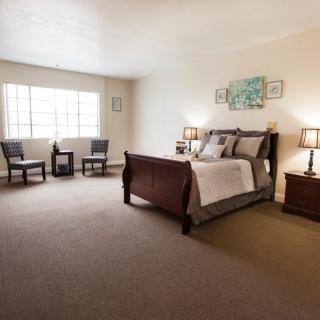
 Clean facility with attentive staff and affordable, multi-level care options.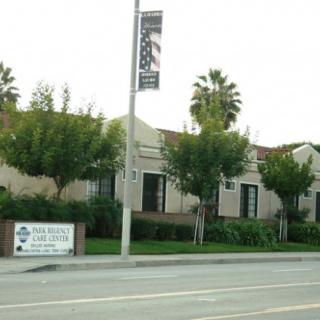
 Managing Nursing Home Expenses After Medicare Coverage Ends
 Is a Geriatric Care Manager the Right Choice for Your Family?
 Compassionate Conversations: How to Comfort Someone Who Is Grieving