
553 Smalley Avenue, Hayward, CA 94541
For more information about senior living options: (866) 208-4318
St Anthony Care Center Costs & Pricing
At St. Anthony Care Center, the cost for a studio room is set at $3,950 per month, positioning it as a more affordable option compared to both Alameda County and the broader California market. In Alameda County, similar accommodations average around $4,532 monthly, while state-wide averages hover at $4,145. This pricing structure not only highlights St. Anthony Care Center's competitive edge but also reflects its commitment to providing quality care and housing without compromising affordability for residents in the community.
| Floor plans | St Anthony Care Center | Alameda County | California |
|---|---|---|---|
| Studio | $3,950 | $4,532 | $4,145 |
Skilled Nursing Facilities with a similar price nearby
-
from -$200 / mo

Pacifica Senior Living San Leandro
$3,750 to $4,800 / month5.0 miles away -
About the same

San Pablo Healthcare & Wellness Center
$4,000 / month23.6 miles away -
from -$255 / mo
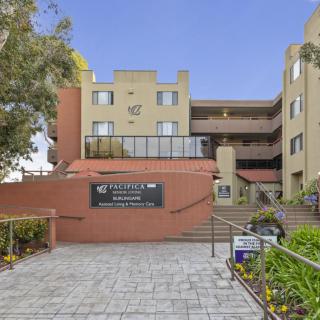
Pacifica Senior Living Burlingame
$3,695 to $6,400 / month15.1 miles away -
from -$673 / mo
Casa Alta Retirement Hotel
$3,277 to $3,932 / month16.2 miles away -
from -$160 / mo

Grand Lake Gardens
$3,790 to $5,857 / month13.0 miles away
Overall Review of St Anthony Care Center
Pros
 The staff are very caring.
- Her loved one receives the care they need and is attended to regularly.
- The staff are accommodating to families.
- It is a nice place to work.
- The staff are wonderful and very caring.
- It is a nice place.
Cons
 The service felt like a kidnapping, and the physical therapy was the worst, with exercises that felt like torture.
- If someone comes for a check, the staff act like criminals.
- They hid how dangerous the indigenous people of the Philippines and India are.
- They behave as if there is domestic violence and they break the laws of this country, scaring people and instilling fear.
- There is poor communication, especially with pandemic visitor restrictions, and poor support from social workers plus poor nutrition options.
- There is a big language barrier, with some staff not speaking at all, making an 8-hour shift uncomfortable.
- The residents find the place boring.
Review
St Anthony Care Center in Hayward is best suited for families that prize a warm, resident-focused environment where staff consistency and attentiveness are the strongest drivers of daily life. The facility tends to deliver reliable, regular care and a welcoming atmosphere that helps families feel confident their loved one is not overlooked. For seniors who value a tangible staff presence, quick assistance, and a home-like setting over hospital-like rigor, this center offers a solid fit. It is not a premier destination for aggressive rehabilitation programs or gourmet dining, but it earns credibility through steady caregiver engagement and a reassuring front-end impression.
Those weighing alternatives should consider how critical certain basics are to their situation. If a resident requires intensive or highly personalized physical therapy, a more robust rehabilitation program, or a wider array of engaging activities, this center may underdeliver. Likewise, if flawless, ongoing communication across shifts, multilingual support, and clearly articulated updates to families are essential, the inconsistent channels noted in reviews become a real point of concern. Prospective buyers should also scrutinize nutrition options and dietary flexibility, because limited meal choices can erode overall satisfaction even when care is kind and dependable.
On balance, the strongest pro, caring, attentive staff, often offsets a portion of the downsides, but not all. Family members repeatedly highlight that caregivers attend to needs and engage with loved ones in meaningful ways, creating a dependable daily rhythm and a sense of security. This warmth translates into comfort for residents and reassurance for relatives during visits or care planning. Yet the negative threads are persistent enough to temper the overall value. Poor communication between shifts and with families, together with limited nutrition options, creates friction that can undermine trust and daily harmony. The most alarming critique centers on therapy quality in at least one account, portraying physical therapy as ineffective or punitive, which is a strong signal to scrutinize rehabilitation services before committing.
A second, more nuanced risk emerges from language and consistency issues. Several reviews point to language barriers on some shifts, making routine updates, care planning, and even day-to-day assistance slower or more stressful for families and residents who rely on clear dialogue. This can compound the frustration around PT and nutrition if staff rotations complicate continuity of care. The general workplace sentiment, described as a nice place to work, often correlates with steady staffing, yet that stability does not always translate into uniform experiences for residents who require coherent, multilingual communication and a consistently delivered care plan.
For families ready to move forward, a practical path is essential. Request up-to-date details on the therapy program, ask to observe sessions, and compare outcomes against other centers with stronger rehab reputations. Inquire about language support, care coordinators, and how dietary preferences are accommodated. Schedule conversations with the social worker and care team to map a residentā€™s daily routines, progress tracking, and safety protocols. If feasible, negotiate a trial period to evaluate fit, or seek facilities that partner with outside rehab professionals to bolster therapy quality. The decision hinges on whether warmth and dependable daily care justify trade-offs in therapy intensity, nutrition variety, and cross-staff communication.
Overall, the community earns a mid-tier rating (3.7 from 19 reviews) that reflects a credible, compassionate core softened by tangible gaps. For families prioritizing consistent, kind care and a reassuring, everyday presence, St Anthony Care Center delivers a reassuring baseline. But those whose top criteria include high-caliber physical therapy, robust dining options, and seamless, multilingual communication should weigh other options carefully. The verdict rests on confirming the current state of rehab services, dietary offerings, and staff-language alignment. When those elements align with resident needs, the center can function as a stable, comforting home; when they do not, the search should continue toward a setting that better matches rehab goals, nutrition expectations, and communication standards.
 30 resident community capacity
 Skilled Nursing Facility
 Beauty salon
 Cable or satellite TV
 Dining room
 Fully furnished
 Garden
 Housekeeping services
 Kitchenette
 Move-in coordination
 Outdoor space
 Restaurant-style dining
 Small library
 Telephone
 Wi-Fi/high-speed internet available
 Metropolitan Oakland International (8 miles away)
 24-hour call system
 Activities of daily living assistance
 Assistance with bathing
 Assistance with dressing
 Assistance with transfers
 Diabetes diet
 Medication management
 Mental wellness program
 Special dietary restrictions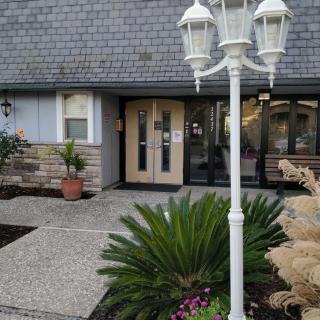





 Navigating the Tax Landscape of Caregiving: Credits, Deductions, and Beyond
 Highly Beneficial Low-Impact Exercises for Senior Living Residents
 Is In-Home Healthcare Tax Deductible? Your Comprehensive Guide