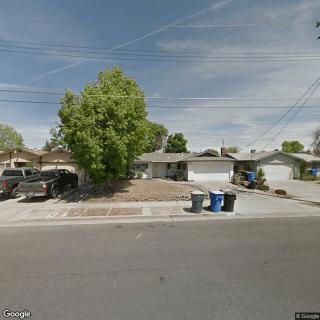
Hanford Post Acute in Hanford, CA

Save

  • Interior

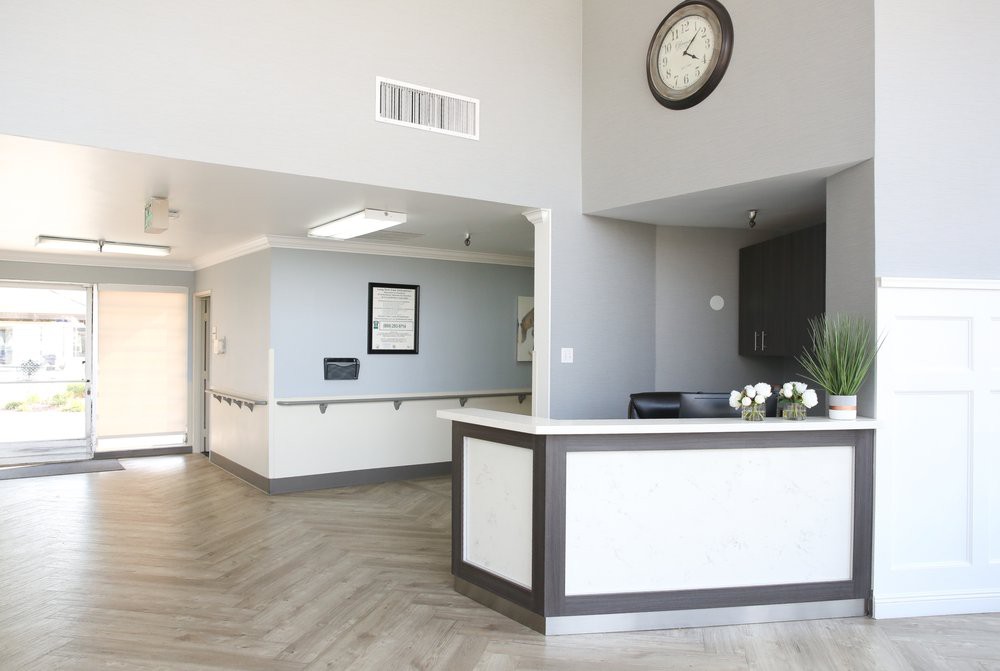
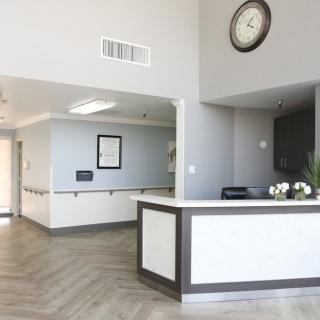
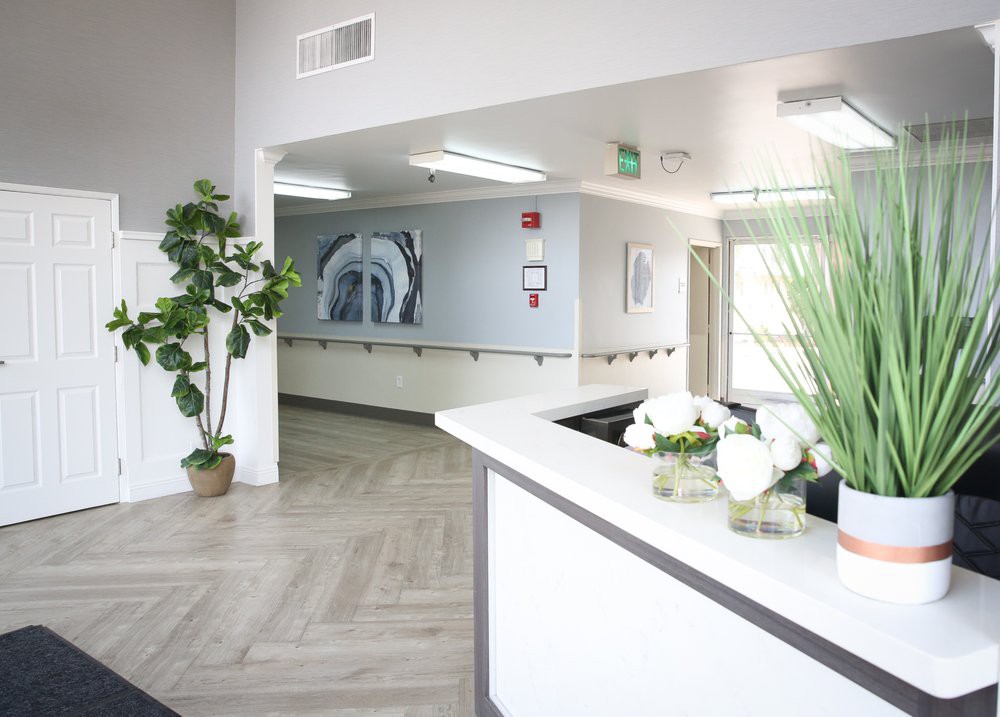
    A modern and minimalist reception area with a desk, wall clock, and a clean design.
  • Decor

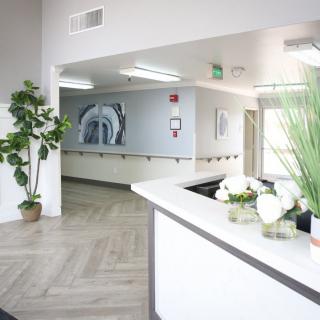
    A modern and bright reception area with stylish decor, featuring plants and artwork.
  • Trees

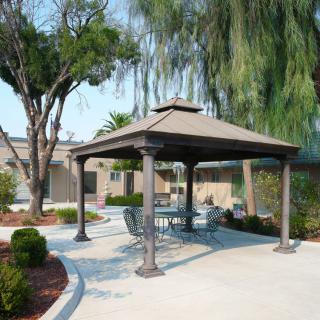
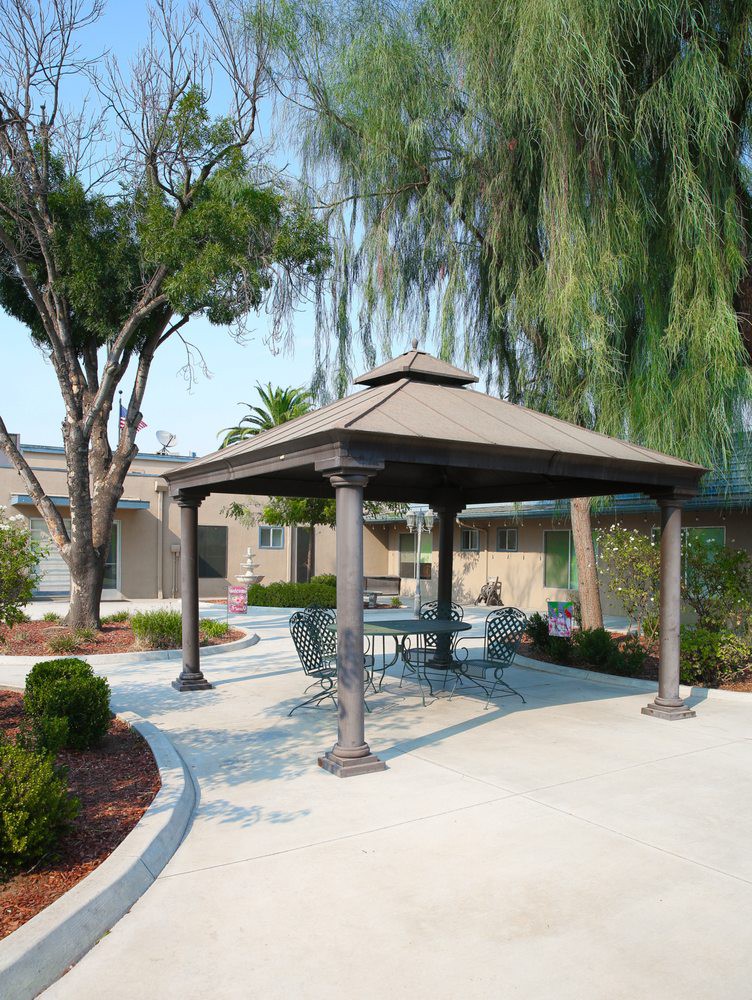
    An outdoor patio area with a gazebo and furniture surrounded by trees.
  • Healthcare

    A nurse checks the blood pressure of an elderly patient in a healthcare setting.
  • Rehabilitation

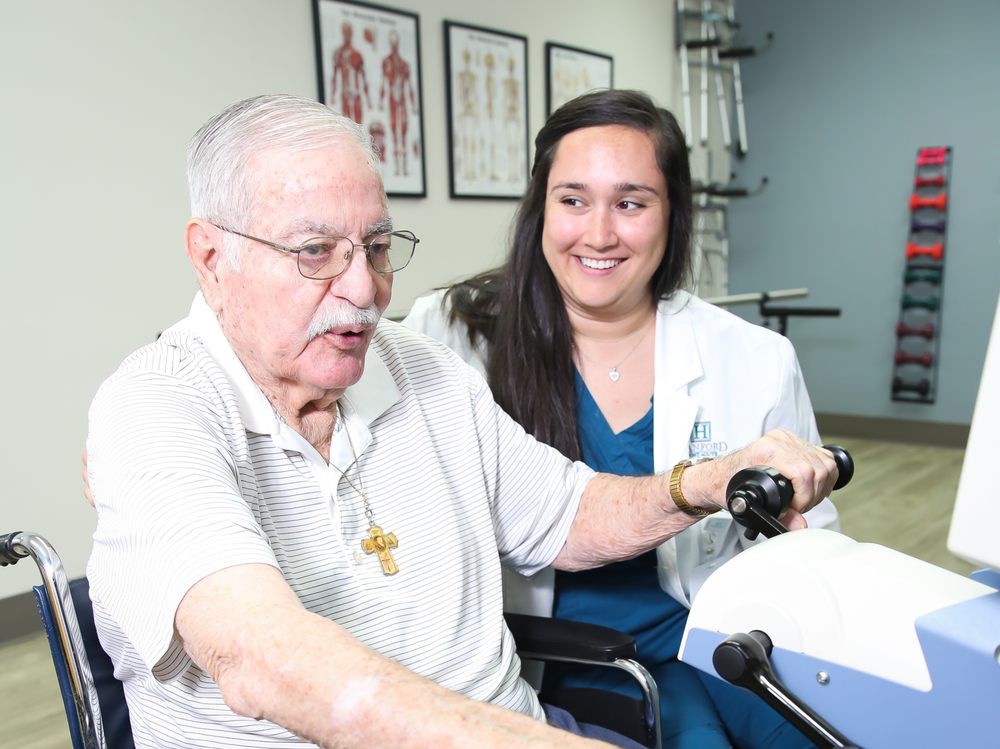
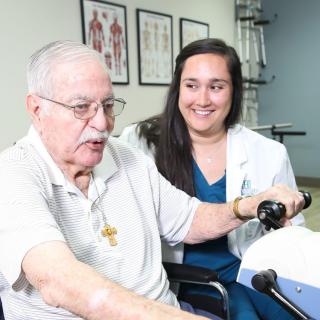
    A healthcare professional assists an elderly man during a physical therapy session.
  • Physical Therapy

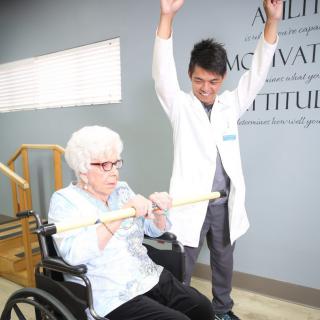
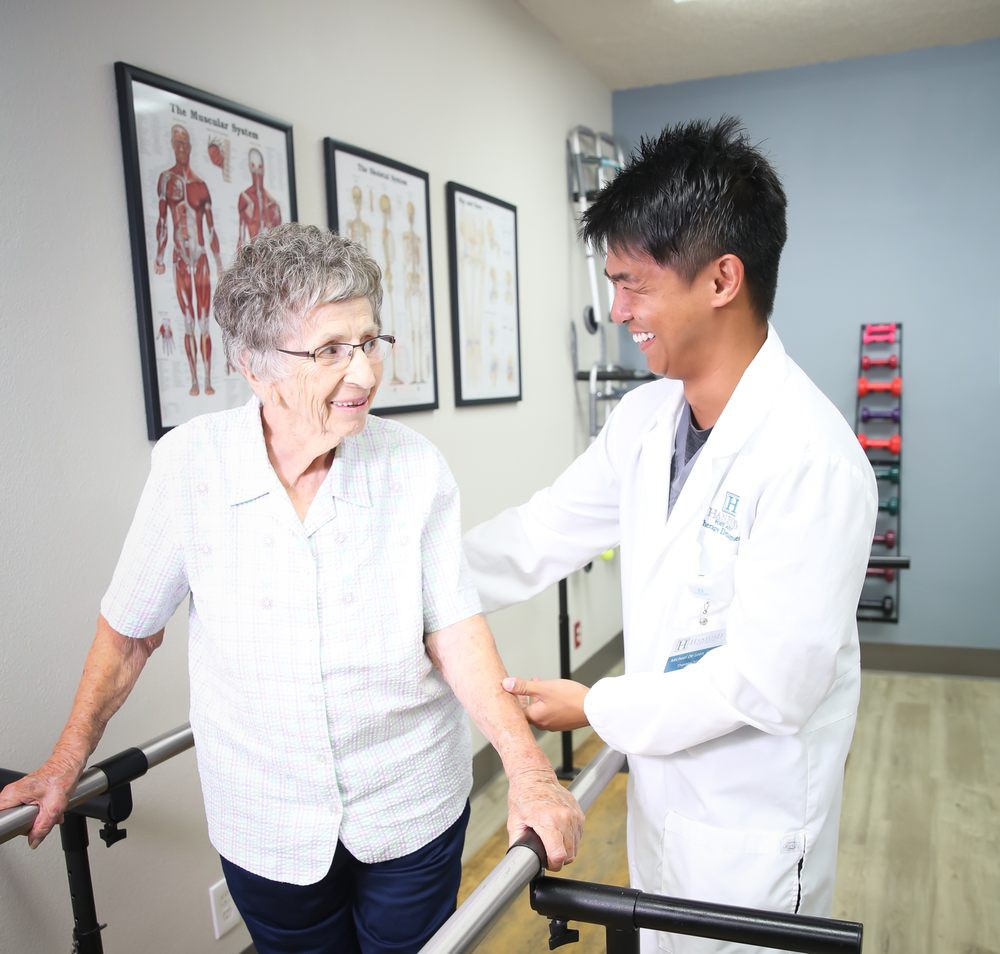
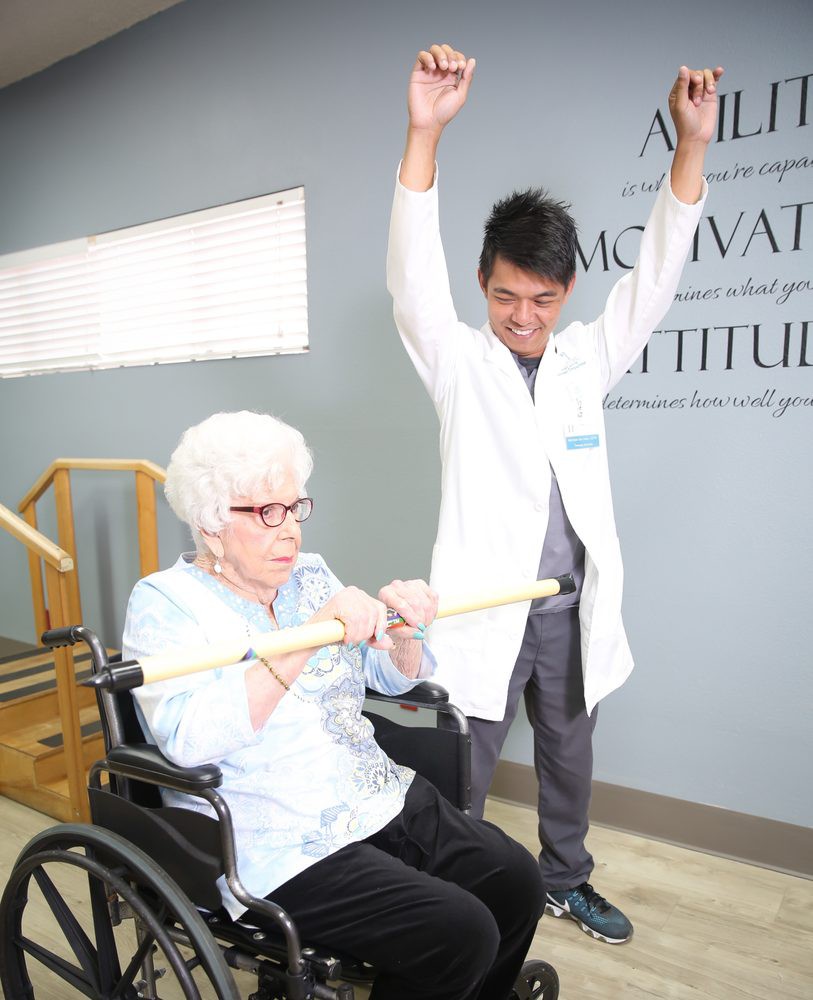
    A healthcare professional assists an elderly woman in physical therapy exercises.
  • Caregiver

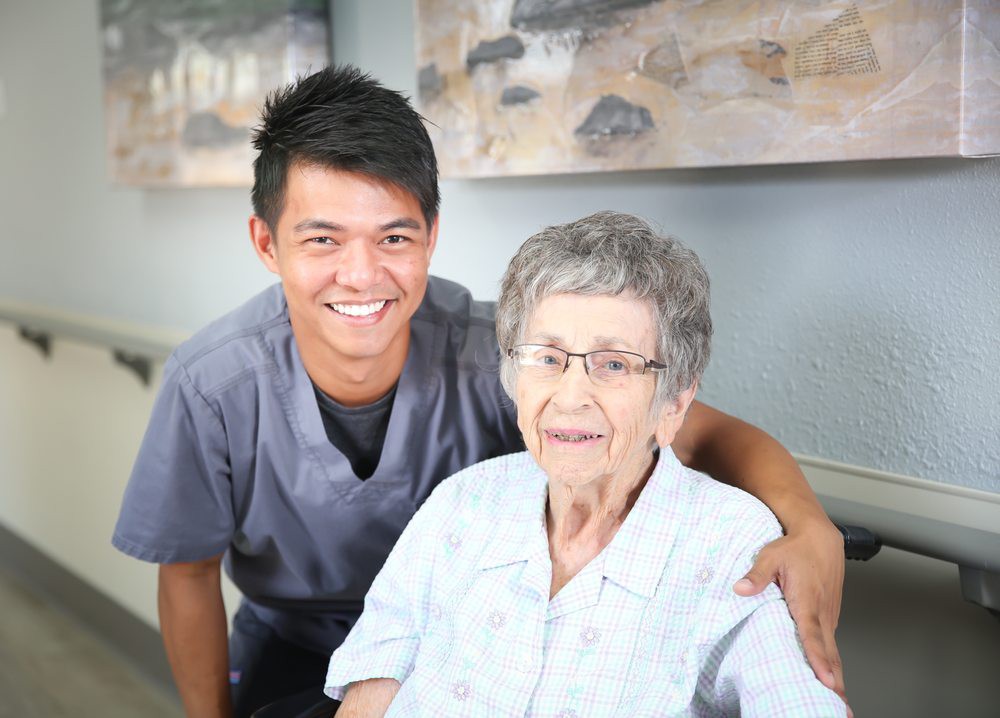
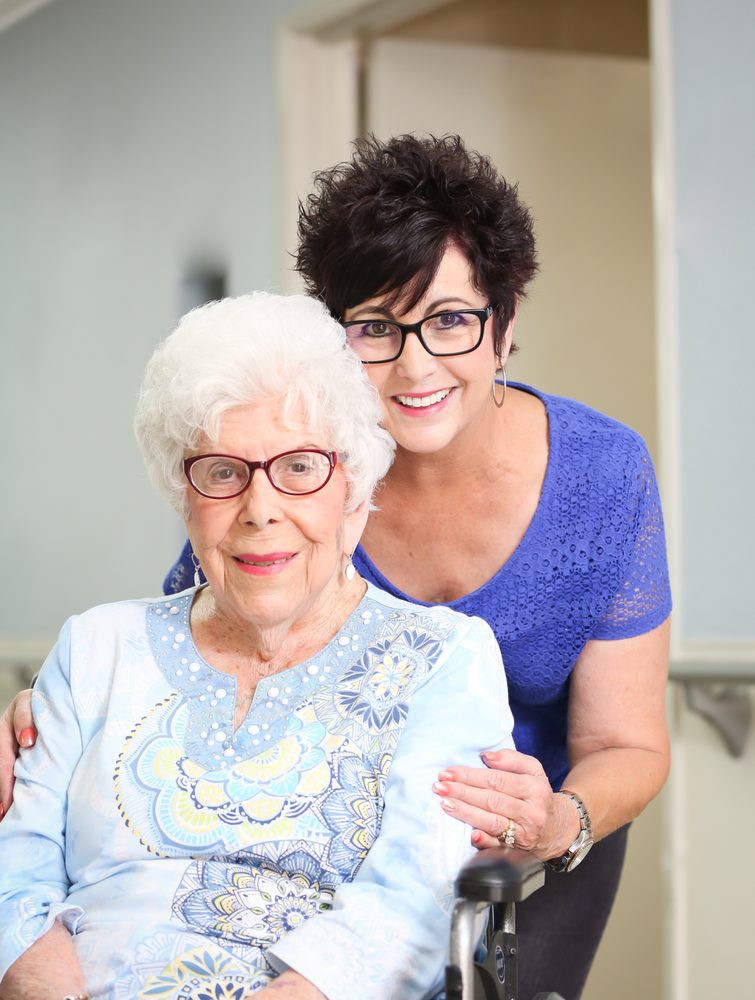
    A caregiver smiling with an elderly woman, highlighting senior care and support.
  • Nurse

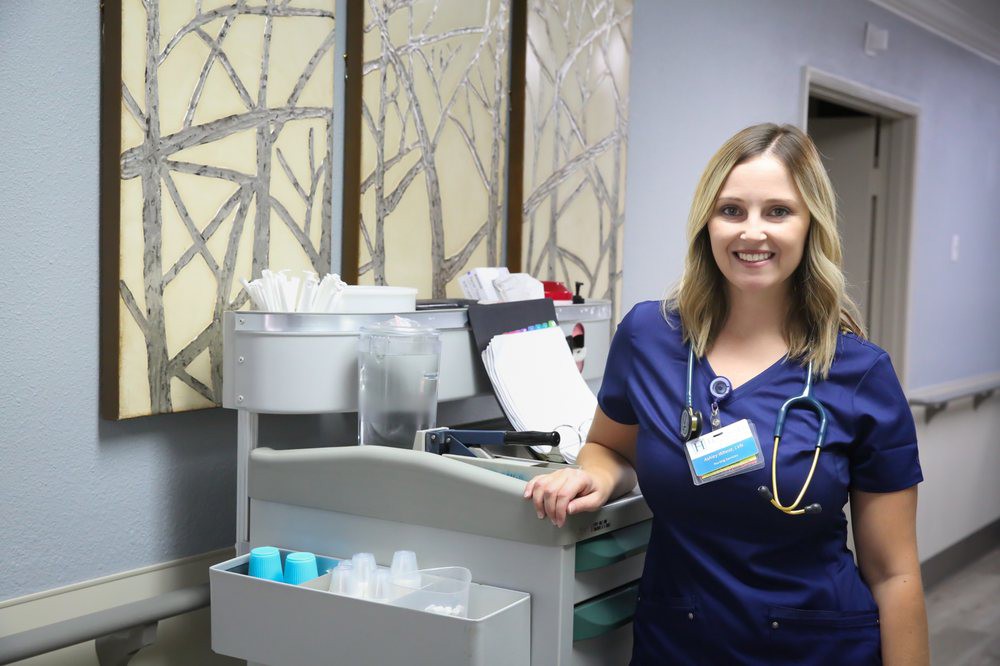
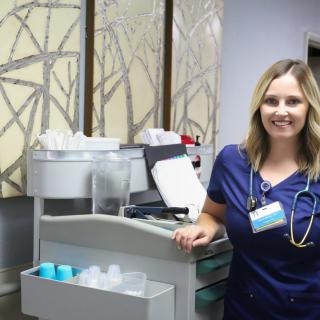
    A nurse standing beside medical equipment in a healthcare setting.

Hanford Post Acute in Hanford, CA

Information last verified:

1007 West Lacey Boulevard, Hanford, CA 93230

For more information about senior living options: (844) 490-3973

4.6 from 116 reviews
5 stars
99
4 stars
7
3 stars
0
2 stars
2
1 stars
8

Seniors.FYI Elite Community Awards

Top 5% Senior Living Community in 2020Top 5% Senior Living Community in 2025

Add this award to your website

Overall Review of Hanford Post Acute

Pros

  • pro The stay was superb.
  • pro The experience was fantastic, thanks to the staff's continuously positive attitudes.
  • pro The staff interact in uplifting, wholesome ways that help patients get better.
  • pro It feels like a family at Hanford Post Acute.
  • pro The staff work as a cohesive unit with tireless, devoted efforts to help patients back on their feet.
  • pro The therapy team guides patients with care and precision.
  • pro The facility is like a 10-star hotel.
  • pro The physical therapy department has excellent employees who know what they’re doing and help patients regain mobility.
  • pro The staff are friendly, helpful, and genuinely caring.
  • pro The nursing staff on the floor are excellent and ensure residents are well cared for.
  • pro The Activities Director keeps residents engaged and supports their mental well-being.
  • pro The facility is clean, welcoming, and highly recommended for short-term therapy.

Cons

  • pro Multiple patients have died under this facility’s care.
  • pro The facility is described as a horrible place to receive care.
  • pro The care provided there is mediocre at best.
  • pro Residents have been left lying in their own feces and urine for hours, and they never answer the doorbell.
  • pro The phone is often unavailable and calls go unanswered.
  • pro Some staff members have been cruel to residents.
  • pro The facility reportedly does not treat workers well and is accused of scamming employees.

Review

Hanford Post Acute is best suited for seniors who want an active, recovery-focused post-acute setting where therapy and hands-on care are prioritized, and where a cohesive, family-like staff culture helps people regain independence quickly. The reviews consistently spotlight short-term rehab as the facility’s core strength: aggressive physical therapy, skilled nursing support, and a climate that feels, and often operates, like a collaborative care team. Patients returning home with regained mobility frequently point to therapists who guide with purpose, CNAs who stay closely connected to daily needs, and nurses who maintain a steady, reassuring presence around the clock. For families facing a post-hospital trajectory, whether after heart procedures, pneumonia, or major surgeries, Hanford Post Acute often delivers tangible gains in function and confidence that make a timely return home feasible.

That said, this community warrants careful consideration for those who require unwavering, highly consistent oversight or have loved ones with fragile or highly complex needs. A subset of reviews highlights concerns about responsiveness, communication gaps, and occasional lapses in supervision, issues that can be consequential for residents who need frequent assistance or vigilant monitoring. Some postings describe experiences where routines, doorways, or call lights weren’t managed with expected rigor, and a few families report encounters with perceived neglect or discomfort. While these reports are not universal, and many families extol the supportive atmosphere, they signal a reality that blends outstanding outcomes with episodes that could be intolerable for certain individuals. Alternatives may be more appropriate for those prioritizing near-perfect staffing reliability or for families seeking a facility with a more standardized, less variable patient experience.

The strongest pros here drive meaningful, practical offsets to the primary drawbacks. Rehabilitative care is frequently described as first-rate: therapists who push progress, patient-specific plans, and a milieu that emphasizes getting residents back on their feet and back into daily life. The atmosphere is repeatedly described as warm, attentive, and respectful, with CNAs and nursing staff recognized for patience, kindness, and a genuine interest in each person’s dignity. Cleanliness, a pleasant dining experience, and a robust slate of activities, including social events and engaging therapies, help residents stay connected and motivated. The administrative and social work teams are noted for staying involved, advocating for residents, coordinating services, and keeping families informed, creating a sense that the facility operates as a united, purpose-driven unit. When therapy and daily care align with family expectations, the result is a credible, often dramatic improvement in a resident’s ability to leave the facility with greater independence.

Yet the cons highlighted by critics cannot be dismissed. Some reviewers flag inconsistent call-bell response times, difficulty reaching staff by phone, and concerns about how care plans get communicated to families. A few accounts mention unpleasant odors or lapses in hallway presentation, suggesting uneven experiences across wings or shifts. There are also pointed criticisms about staff morale and management’s handling of complaints, with at least one account describing a break in trust between families and leadership. Taken together, these scenarios raise legitimate questions about reliability and uniformity of care, factors that can weigh heavily for any family depending on a loved one’s safety and emotional well-being.

Weighing the balance, Hanford Post Acute often delivers compelling value for those who embrace a rehab-forward model and value a welcoming, hands-on care culture. The consistently strong therapy results, the perceived compassion of the nursing team, and the facility’s clean, activity-rich environment make the positives tangible in real-world recovery. However, the presence of credible, firsthand critiques about response times and communication means that the experience may feel uneven for some residents. The decision hinges on risk tolerance and priorities: if rapid functional gains, a family-oriented staff vibe, and proactive advocacy are non-negotiables, Hanford Post Acute can be an excellent match; if seamless, turnkey reliability across all shifts and perfect, ongoing nurse-to-resident oversight are non-negotiables, it warrants a cautious comparison with alternatives.

For families evaluating next steps, approach this community with a clear, structured plan. Schedule a tour during peak activity to observe therapy sessions, call-light responsiveness, and staff interactions across shifts. Request to meet the therapy team and the director of nursing, and ask for a current, individualized plan of care for a hypothetical resident with needs similar to yours. Probe specific metrics: average response times to call bells, time allocated to personal care, frequency of updates to families, and the incidence of bed mobility and gait training progress over the prior month. If possible, speak with current residents and family members about their daily experiences, both in the corridors and at mealtimes. Finally, insist on a trial period or a clearly defined discharge plan that reflects home readiness goals, ensuring that any initial optimism translates into durable, real-world improvements once the resident leaves Hanford Post Acute.

Features

Housing

  • 124 resident community capacity 124 resident community capacity

Types of Care

  • Skilled Nursing Facility Skilled Nursing FacilitySkilled Nursing Facilities are crucial for seniors as they provide round-the-clock medical care, rehabilitation services, and assistance with daily activities. These facilities ensure that seniors receive the specialized care they need to maintain their health and well-being as they age.

Amenities

  • Air-conditioning Air-conditioningAir conditioning is important for seniors as they are more vulnerable to heat-related illnesses and may have underlying health conditions that make it difficult for them to regulate their body temperature. It helps to keep them comfortable, safe, and healthy in hot weather.
  • Beauty salon Beauty salonBeauty salons are important for seniors because they provide a space for them to feel pampered, socialize, and maintain their personal grooming and hygiene. Regular visits to a beauty salon can help boost seniors' self-esteem and overall well-being.
  • Cable or satellite TV Cable or satellite TVCable or satellite TV is important for seniors because it provides entertainment, news, and companionship, helping to combat loneliness and boredom. It also offers a wide range of programming options tailored to different interests and preferences.
  • Computer center Computer centerA computer center is essential for seniors as it provides access to technology, communication tools, and resources that can enhance their daily lives. It allows them to stay connected with loved ones, engage in online activities, and learn new skills, ultimately promoting socialization and mental stimulation.
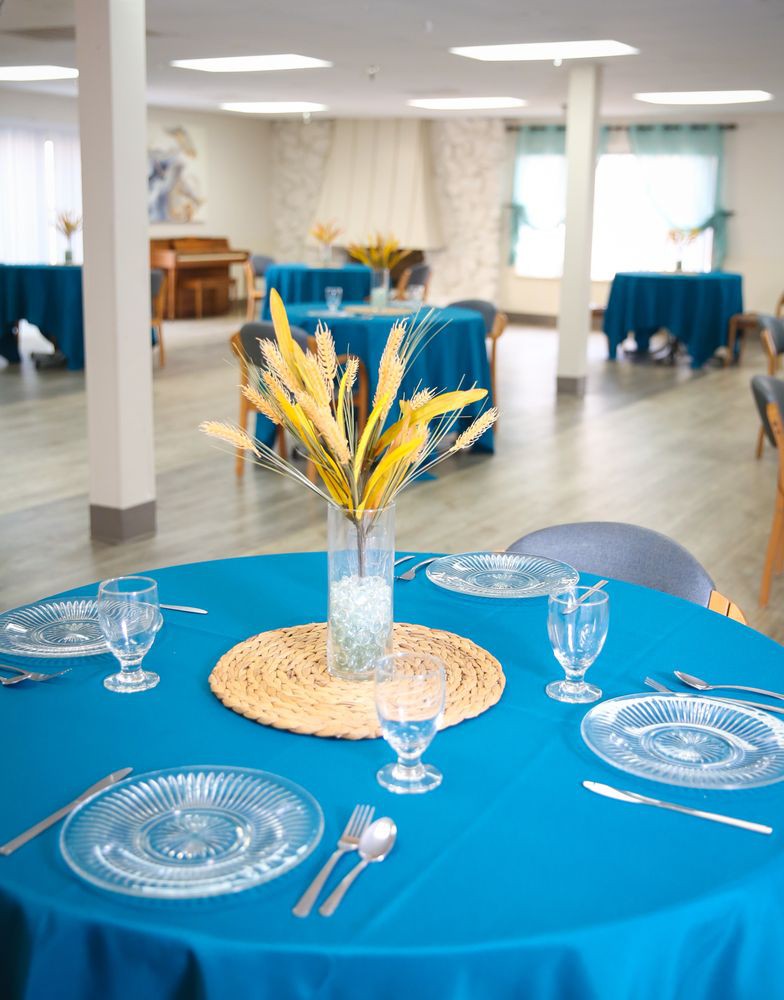
  • Dining room Dining roomDining rooms are important for seniors as they provide a space for socialization, connection, and nutritious meals. They offer opportunities for residents to bond over shared meals, foster a sense of community, and promote healthy eating habits. Dining rooms also ensure that seniors have access to well-balanced meals tailored to their dietary needs and preferences.
  • Fitness room Fitness roomHaving a fitness room in a senior living community is essential for seniors to stay active, maintain their physical health, and improve their overall well-being. Regular exercise can help prevent falls, reduce the risk of chronic diseases, and promote mental sharpness. It also provides social opportunities for residents to connect with others and enjoy a sense of community.
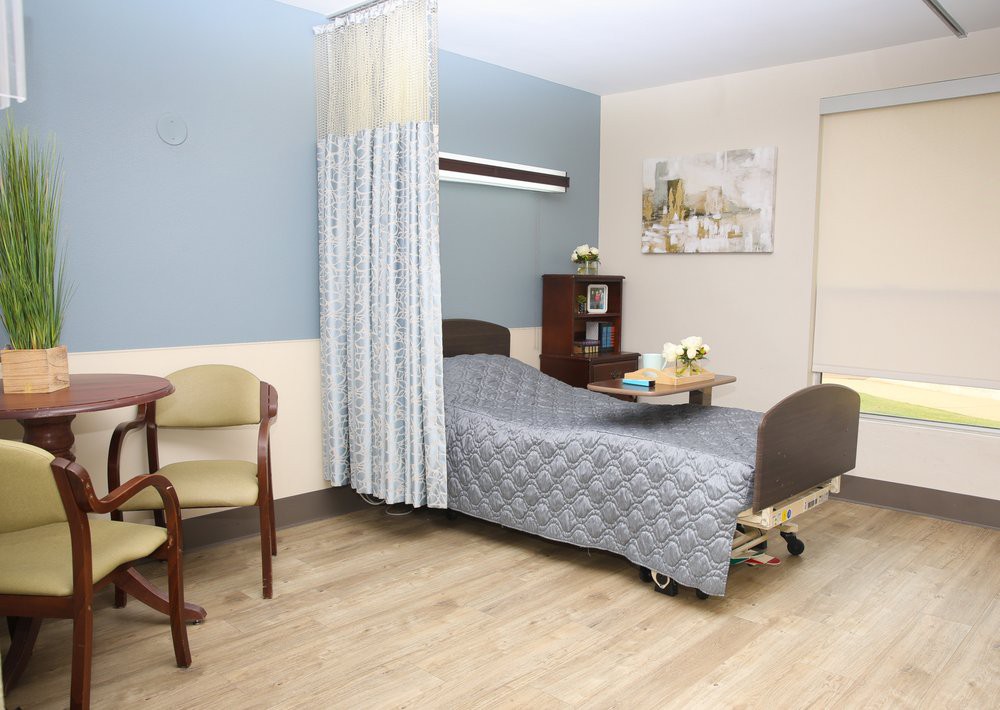
  • Fully furnished Fully furnishedFully furnished senior living communities are important for seniors because they provide convenience, comfort, and a hassle-free moving experience. Seniors can easily settle into their new living space without the stress of having to buy and move furniture. This allows them to focus on enjoying their new home and community.
  • Gaming room Gaming roomGaming rooms are important for seniors as they provide a fun and engaging environment for socializing, cognitive stimulation, and physical activity. Games can improve memory, problem-solving skills, and overall mental well-being while fostering friendships and reducing feelings of isolation.
  • Garden GardenGardens are important for seniors as they provide a peaceful and therapeutic environment for relaxation, physical activity, and socialization. Being in nature has been shown to reduce stress, improve mood, and promote overall well-being. Gardens also offer opportunities for seniors to engage in gardening activities, which can improve mobility, flexibility, and cognitive function. Additionally, gardens create a sense of community and connection with others who share a passion for plants and outdoor spaces.
  • Housekeeping services Housekeeping servicesHousekeeping services are important for seniors because they help maintain a clean and safe living environment, promote independence, and reduce the risk of accidents or illnesses. Additionally, having assistance with household chores can alleviate physical strain and allow seniors to focus on other aspects of their well-being.
  • Kitchenette KitchenetteKitchenettes are important for seniors living in senior living communities because they provide the convenience and independence of being able to prepare simple meals and snacks in the comfort of their own living space. This can help promote a sense of autonomy and well-being for seniors, allowing them to maintain some level of control over their dietary choices and daily routines.
  • Move-in coordination Move-in coordinationMove-in coordination is important for seniors because it helps ease the transition into their new living environment. It ensures that all logistics, such as packing, organizing movers, and setting up utilities are taken care of, allowing seniors to focus on settling in and adjusting to their new home. Having a smooth move-in process can alleviate stress and anxiety, making the transition smoother and more enjoyable for seniors.
  • Outdoor space Outdoor spaceOutdoor spaces are important for seniors as they provide opportunities for physical activity, social interaction, exposure to natural light and fresh air, and a sense of connection to nature. Having access to outdoor spaces can improve overall well-being and quality of life for older adults living in senior communities.
  • Private bathrooms Private bathroomsPrivate bathrooms are important for seniors in senior living communities because they provide independence, dignity, and comfort. Having a private bathroom allows seniors to maintain their personal hygiene routines without the need for assistance, promoting a sense of autonomy and privacy. Additionally, private bathrooms help prevent the spread of infections and provide a safe and clean environment for seniors to navigate safely.
  • Restaurant-style dining Restaurant-style diningRestaurant-style dining is important for seniors because it allows them to enjoy delicious, nutritious meals in a social and upscale setting. This enhances their dining experience, promotes healthy eating habits, and fosters socialization with fellow residents, ultimately contributing to their overall well-being and quality of life.
  • Small library Small librarySmall libraries are important for seniors as they provide access to a variety of reading materials, including books, newspapers, and magazines. This can help stimulate their minds, keep them engaged, and provide a sense of community through book clubs and other social activities. Additionally, reading has been shown to improve cognitive function and overall mental well-being in older adults.
  • Telephone TelephoneTelephones are important for seniors as they provide a lifeline for communication with loved ones, emergency services, and healthcare providers. They offer a sense of security and independence, enabling seniors to stay connected and access assistance when needed.
  • Wellness center Wellness centerWellness centers are important for seniors because they offer a variety of programs and services that promote physical, mental, and emotional well-being. These centers provide opportunities for exercise, socialization, education, and relaxation, helping seniors maintain their overall health and quality of life.
  • Wi-Fi/high-speed internet available Wi-Fi/high-speed internet availableWi-Fi/high-speed internet is important for seniors to stay connected with loved ones, access online resources, and participate in virtual activities to combat feelings of loneliness and isolation. It also allows them to easily manage healthcare needs, access entertainment, and engage in lifelong learning opportunities.

Transportation

  • Community operated transportation Community operated transportationCommunity operated transportation is crucial for seniors as it provides them with the means to access essential services, social activities, and medical appointments. It allows seniors to maintain their independence and quality of life by ensuring they can participate in activities outside of their homes. Additionally, community-operated transportation services offer a safe and reliable way for seniors to travel without having to rely on family or friends for assistance.
  • Transportation arrangement Transportation arrangementTransportation arrangements are crucial for seniors as they may face challenges with driving, mobility, or access to public transportation. Having reliable transportation services ensures that seniors can easily attend appointments, social activities, and maintain their independence and quality of life.
  • Transportation arrangement (non-medical) Transportation arrangement (non-medical)Transportation arrangements are essential for seniors as they provide access to essential services, activities, and social interactions outside the home. This service helps maintain independence, mobility, and overall well-being for seniors who may have limited transportation options.
  • Transportation to doctors appointments Transportation to doctors appointmentsTransportation to doctors appointments is crucial for seniors as it ensures they have access to necessary medical care and support, promoting their health and well-being. It allows them to receive timely treatment, monitor existing conditions, and address any new health concerns efficiently. Additionally, transportation services can help seniors maintain their independence and quality of life by enabling them to stay connected with their healthcare providers.

Care Services

  • 12-16 hour nursing 12-16 hour nursing12-16 hour nursing care is crucial for seniors in order to ensure around-the-clock monitoring, timely medication administration, and prompt response to any health concerns or emergencies. This level of care helps to promote the overall well-being and safety of seniors living in senior living communities.
  • 24-hour call system 24-hour call system24-hour call systems are important for seniors because they provide peace of mind and immediate assistance in case of emergencies. This technology ensures that help is always available, promoting safety and security for elderly individuals living alone or in assisted living facilities.
  • 24-hour supervision 24-hour supervision24-hour supervision is important for seniors to ensure their safety, well-being, and access to immediate assistance in case of emergencies or health issues. This constant support provides peace of mind for both seniors and their loved ones, allowing them to age in place with dignity and security.
  • Activities of daily living assistance Activities of daily living assistanceActivities of daily living assistance are important for seniors because they provide essential support with tasks such as eating, bathing, dressing, and mobility. This assistance helps seniors maintain their independence, dignity, and overall quality of life as they age.
  • Assistance with bathing Assistance with bathingAssistance with bathing is crucial for seniors as it helps maintain personal hygiene, prevents infections, and ensures their overall well-being and comfort. It also provides a sense of dignity and independence for seniors who may struggle with this task on their own.
  • Assistance with dressing Assistance with dressingAssistance with dressing is important for seniors because it helps maintain their independence, promotes personal hygiene, prevents accidents and injuries, and improves overall quality of life. This service ensures that seniors can continue to dress comfortably and confidently, despite any physical limitations they may have.
  • Assistance with transfers Assistance with transfersAssistance with transfers is crucial for seniors as it helps prevent falls and injuries, maintains their independence, and ensures they can safely navigate their living environment. It also provides peace of mind for both seniors and their loved ones.
  • Diabetes diet Diabetes dietA diabetes diet is crucial for seniors as it helps manage blood sugar levels, reduce risks of complications, and improve overall health and well-being. By following a balanced and nutritious diet tailored to their specific needs, seniors can better control their diabetes and enhance their quality of life.
  • Meal preparation and service Meal preparation and serviceMeal preparation and service are crucial for seniors as they may have limited mobility or energy to cook nutritious meals. Having access to healthy and convenient food options can ensure they are getting the proper nutrition needed to maintain their overall health and well-being.
  • Medication management Medication managementMedication management is crucial for seniors to ensure they are taking the right medications at the correct dosages and times. This helps prevent adverse drug interactions, reduces the risk of medication errors, and promotes overall health and well-being. Proactive management also allows for adjustments as needed based on changing health conditions or new prescriptions.
  • Mental wellness program Mental wellness programMental wellness programs are essential for seniors as they promote cognitive stimulation, emotional support, and social engagement. These programs help prevent isolation, depression, and cognitive decline, ultimately enhancing the overall quality of life for older adults.
  • Special dietary restrictions Special dietary restrictionsSpecial dietary restrictions are important for seniors because age-related changes in metabolism and health conditions can make it difficult for their bodies to process certain foods. By following a diet tailored to their specific needs, seniors can maintain their overall health and well-being, manage chronic conditions, and reduce the risk of complications such as malnutrition or food interactions with medications.

Dining

  • Diabetes diet Diabetes dietA diabetes diet is crucial for seniors as it helps manage blood sugar levels, reduce risks of complications, and improve overall health and well-being. By following a balanced and nutritious diet tailored to their specific needs, seniors can better control their diabetes and enhance their quality of life.
  • Special dietary restrictions Special dietary restrictionsSpecial dietary restrictions are important for seniors because age-related changes in metabolism and health conditions can make it difficult for their bodies to process certain foods. By following a diet tailored to their specific needs, seniors can maintain their overall health and well-being, manage chronic conditions, and reduce the risk of complications such as malnutrition or food interactions with medications.

Activities

  • Community-sponsored activities Community-sponsored activitiesCommunity-sponsored activities are important for seniors as they provide opportunities for social interaction, mental stimulation, and physical activity. These activities can help improve overall well-being, combat loneliness and isolation, and promote a sense of belonging and purpose among older adults.
  • Concierge services Concierge servicesConcierge services are essential for seniors as they provide assistance with daily tasks and errands, enhance their quality of life by offering convenience and personalized care, and promote a sense of safety and security.
  • Fitness programs Fitness programsFitness programs are crucial for seniors as they help improve strength, flexibility, balance, and overall well-being. Staying active can reduce the risk of chronic diseases, improve mental health, and enhance quality of life in older adults.
  • Planned day trips Planned day tripsPlanned day trips are important for seniors because they offer opportunities for socialization, mental stimulation, and physical activity. They provide a change of scenery and help seniors stay engaged and connected to their community, promoting overall well-being and quality of life.
  • Resident-run activities Resident-run activitiesResident-run activities are important for seniors as they encourage social interaction, creativity, and a sense of autonomy. These activities empower seniors to stay engaged and active in their community while fostering meaningful connections with their peers.
  • Scheduled daily activities Scheduled daily activitiesScheduled daily activities are important for seniors because they provide structure, socialization, mental stimulation, and physical activity. Engaging in regular activities can improve overall well-being and quality of life for seniors living in a community setting.

Description

Hanford Post Acute in Hanford, CA is a premier assisted living community that offers a wide range of amenities and care services to ensure the comfort and well-being of its residents. Featuring a beauty salon, residents can indulge in pampering treatments without leaving the premises. Cable or satellite TV is provided for entertainment, and community-operated transportation is available for outings and appointments.

The community also boasts a computer center for residents to stay connected with loved ones or engage in online activities. A spacious dining room offers restaurant-style dining experiences, where delicious meals are prepared and served by the staff. Additionally, there is a fitness room equipped with exercise equipment to promote physical health.

Hanford Post Acute provides fully furnished accommodations with private bathrooms for each resident's convenience. Housekeeping services are offered to ensure a clean and comfortable living environment at all times. For leisure activities, there is a gaming room, small library, and outdoor spaces where residents can relax amidst beautiful gardens.

Residents' well-being is paramount at Hanford Post Acute, as evidenced by the presence of a wellness center offering various programs to support mental health. The staff assists with activities of daily living such as bathing, dressing, and transfers while maintaining 24-hour call system supervision for any emergencies that may arise.

Medication management is provided along with assistance in adhering to special dietary restrictions such as diabetes diets. Meal preparation and service cater to individual needs, ensuring every resident's nutritional requirements are met.

The community offers various recreational opportunities through concierge services and scheduled daily activities. Fitness programs help residents maintain an active lifestyle, while planned day trips provide exciting outings beyond the community's boundaries. Resident-run activities allow for social interaction among peers.

Located conveniently near cafes, parks, pharmacies, physicians' offices, restaurants, places of worship, theaters, and hospitals; Hanford Post Acute ensures easy access to essential amenities and resources within close proximity.

In summary, Hanford Post Acute in Hanford, CA is an assisted living community that provides a comfortable and enriching environment for its residents. With an array of amenities and care services, as well as convenient access to local establishments and healthcare facilities, it offers an ideal setting for seniors seeking a fulfilling and vibrant retirement experience.

Videos

Nearby Places of Interest

Restaurants

  • Valle Grullense (0.1 miles)
  • Green Burrito (0.2 miles)
  • Wienerschnitzel (0.2 miles)
  • Port Of Subs (0.2 miles)
  • Geta Xpress (0.4 miles)
  • McDonald's (0.5 miles)
  • Chinese Gourmet Express (0.6 miles)

Physicians

  • Central Valley Comprehensive Care (0.1 miles)
  • Sequoia Surgical Specialists (0.1 miles)
  • Allergy & Asthma Associates-A Medical Center (0.1 miles)
  • Srcc Mo Hanford (0.1 miles)
  • Sharma, Sanjai Dr - Sequoia Regional Cancer Center (0.1 miles)
  • Ashok K Verma (0.2 miles)
  • Mike S Shin, MD (0.2 miles)

Pharmacies

  • Rite Aid (0.2 miles)
  • R & M Drug (0.3 miles)
  • CVS Pharmacy (0.3 miles)
  • Save Mart Supermarkets (1 miles)
  • Walgreens (1.1 miles)
  • CVS Pharmacy (2.1 miles)
  • Rite Aid (2.4 miles)

Places of Worship

  • King's Gospel Mission (0.2 miles)
  • Second Baptist Church (0.9 miles)
  • St Brigid's Catholic Church (1 miles)
  • First Lutheran Church (1.2 miles)
  • Armona Seventh Day Adventist (2.8 miles)
  • Grace Baptist Church of Lemoore (6.2 miles)
  • Church of Jesus Christ of Latter Day Saints (6.2 miles)

Parks

  • Rotary Field (0.4 miles)
  • Heritage Park (6.3 miles)

Transportation

  • Amtrak Station - Hanford (0.5 miles)
  • Marathon Cab (2.1 miles)

Hospitals

  • Davita (0.5 miles)
  • Yost Mayer (0.7 miles)
  • Hanford Community Hospital (1 miles)
  • Kings Regional Health Foundation (1 miles)
  • Central Valley General Hospital (1 miles)

Cafes

  • One Eleven (0.8 miles)
  • Panera Bread (0.8 miles)
  • Dutch Bros Coffee (0.8 miles)
  • Green Valley Cafe (1.3 miles)

Theaters

  • Metro 4 Cinema (0.9 miles)

Frequently Asked Questions

Where is Hanford Post Acute?
What photos are available for Hanford Post Acute in Hanford, California?

Nearby Communities

  • Smith Residential Care Fclts

    Smith Residential Care Fclts

    Hanford, CA

    5 from 1 review
     

    pro Well-connected with easy access to dining, healthcare, transportation, worship, and entertainment nearby.


  • Adventist Health Home Care Svc

    Adventist Health Home Care Svc

    Hanford, CA

    3.3 from 8 reviews
     

    pro Convenient location with extensive nearby healthcare and amenities.

  • Kings Nursing & Rehabilitation Center

    Kings Nursing & Rehabilitation Center

    Hanford, CA

    4.4 from 72 reviews
     

    pro Extensive amenities and comprehensive care (24/7 supervision, medication management, transportation, dining, fitness, and activities).

  • Muldrow Adult Residential

    Muldrow Adult Residential

    Hanford, CA

    5 from 6 reviews
     

    pro Convenient access to amenities and healthcare.

  • Diamond Terraces

    Diamond Terraces

    Hanford, CA

    4.5 from 13 reviews
    $2,580 to $3,650 / month

    pro Affordable rates with comprehensive amenities (restaurant-style dining, beauty salon, activities) and 24-hour supervision.

  • Margie's Home For The Aged

    Margie's Home For The Aged

    Hanford, CA


    pro Intimate, home-like setting enabling personalized care.

  • SunBridge Care Center for Kingsburg

    SunBridge Care Center for Kingsburg

    Kingsburg, CA

    3.3 from 27 reviews
     

    pro Convenient, safe community near healthcare, dining, and worship.

  • The Meadows

    The Meadows

    Visalia, CA

    3.9 from 19 reviews
    $500 / month

    pro Clean, well-maintained apartments with prompt maintenance and engaging activities.

  • Quail Park at Shannon Ranch

    Quail Park at Shannon Ranch

    Visalia, CA

    4.8 from 28 reviews
    $4,525 to $6,725 / month

    pro Luxurious, hotel-style setting with attentive staff and engaging daily activities.

Skilled Nursing Facility in Nearby Cities

Related Resources

  • uti in elderlyUrinary Tract Infections in Older Adults: Comprehensive Insights on Symptoms, Treatment, and Prevention

    Older adults with urinary tract infections (UTIs) often present atypical symptoms, complicating diagnosis due to factors like incomplete bladder emptying and chronic health conditions that increase their susceptibility. Effective management involves prompt treatment with antibiotics, hydration, and preventive strategies while minimizing antibiotic resistance and focusing on holistic care approaches.

  • 602 formCalifornia's Form 602A: An In-Depth Examination of Senior Care Assessment

    California's Form 602A is a vital tool for evaluating the health needs of seniors seeking residential care, detailing their medical conditions and daily living requirements to ensure proper service alignment. This standardized form enhances communication among physicians, families, and facilities, serving as a regulatory measure for admissions and ongoing care while adapting to changing healthcare practices.

  • elderly blood pressure chartComprehensive Look at Senior Blood Pressure Charts: Normal and Elevated Levels by Age
    The overview of blood pressure management for seniors emphasizes the importance of monitoring and interpreting blood pressure readings, noting that normal ranges can vary due to age-related factors and individual health conditions. It highlights tailored guidelines for systolic and diastolic levels, the necessity of early detection and consistent management to prevent serious health complications, and advocates for personalized care strategies that incorporate lifestyle changes and medication adherence.