
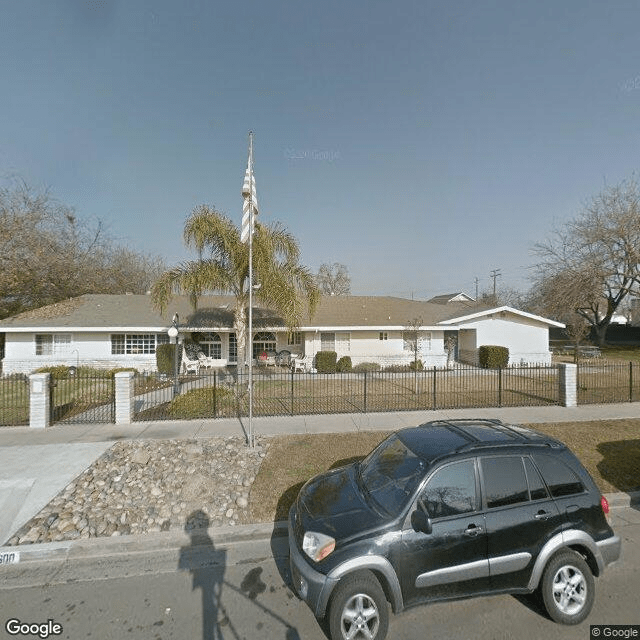
600 East 11Th Street, Hanford, CA 93230
For more information about senior living options: (866) 208-4318
Diamond Terraces Costs & Pricing
Diamond Terraces offers competitively priced accommodations compared to both Tulare County and the broader state of California. For residents opting for a semi-private room, the monthly cost at Diamond Terraces is $2,580, significantly lower than Tulare County's average of $3,076 and California's average of $3,333. Similarly, those looking for a studio apartment will find Diamond Terraces' rate of $3,650 to be more appealing than the local and state averages, which stand at $3,659 and $4,145 respectively. These figures highlight Diamond Terraces as a more affordable option for potential residents seeking quality living arrangements without compromising on budgetary considerations.
| Floor plans | Diamond Terraces | Tulare County | California |
|---|---|---|---|
| Semi-Private | $2,580 | $3,076 | $3,333 |
| Studio | $3,650 | $3,659 | $4,145 |
Assisted Living communities with a similar price nearby
-
from +$95 / mo
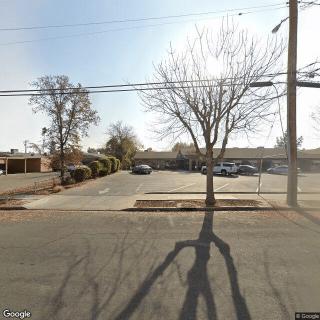
Valley Christian Home
$2,675 / month0.5 miles away -
from -$255 / mo
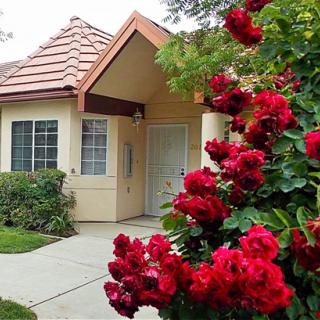
Bethel Lutheran Home
$2,325 to $2,405 / month16.4 miles away -
from -$80 / mo
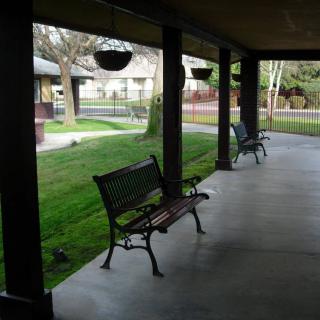
Evergreen Residence
$2,500 to $3,000 / month17.6 miles away -
from -$230 / mo
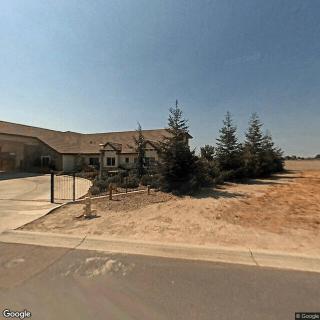
Sierra Village Assisted Living
$2,350 to $3,800 / month15.6 miles away -
from +$420 / mo

Country Care
$3,000 / month14.8 miles away
Overall Review of Diamond Terraces
Pros
 The owners Jan and Bob are excellent caregivers, thoughtful and nurturing to their patients and families.
- The staff are great and genuinely caring.
- Jan is amazing and is described as an angel on earth for helping a 90-year-old mom.
- The team is full of amazing people who are highly recommended.
- They provide wonderful care to residents, including long-term stays.
- They were helpful when families had to travel and needed care for loved ones.
- The facility feels like home.
- Their rates are very good compared to other facilities.
Review
Diamond Terraces in Hanford is best suited for seniors who prize a warm, intimate, family-operated atmosphere where the owners are visibly engaged in daily caregiving. The stories consistently spotlight Jan and Bob as the heart of care, thoughtful, nurturing, and reliably present for both residents and families. The staff is described as supportive and closely aligned with a philosophy of individualized, attentive service, which translates into predictability in daily routines and a strong sense of safety. For families, this means a homey, human-scale experience where decisions feel personal and transparent rather than distant or contractual.
That said, Diamond Terraces may not be the right fit for every senior. Residents with high-acuity needs, complex medical regimens, or memory-care requirements often do better in larger facilities with on-site skilled nursing and specialized programs. The intimate, home-like model, while deeply comforting, tends to offer fewer clinical supports and fewer structured therapeutic offerings than traditional skilled-nursing environments. Families should weigh alternatives when a resident requires 24/7 medical oversight, extensive rehab services, or a dedicated memory-care setting with dementia-focused programming.
On balance, the strongest pro, the hands-on, compassionate leadership of Jan and Bob, tends to offset the absence of a blockbuster amenity package. Residents benefit from genuine relationships, quick responsiveness, and a sense that care decisions come from people who know the family narrative. The staff’s consistency and willingness to accommodate special requests, such as taking in a relative during travel, demonstrate flexibility that many families prize. Additionally, cost remains a practical advantage, with rates described as favorable compared with peers in the region, easing financial planning without sacrificing warmth.
The homelike environment is more than a marketing line; it becomes a framework that can improve mood, engagement, and adherence to care plans. When routines reflect personal preferences and staff know the resident's history, daily life resembles ordinary living rather than impersonal care. Yet the very strengths of a smaller operation can translate into tangible limits: fewer on-site therapists, limited activity programming, and a leaner transportation or excursion schedule. Families should recognize that intimate settings sometimes require greater proactive coordination if medical or social needs shift.
For families evaluating Diamond Terraces, the practical path is to verify the specifics: what level of medical oversight is actually available, who handles medications and after-hours needs, and how emergencies are managed outside regular hours. Inquire about meal variety, activity calendars, and transportation for appointments, as well as respite care options for short-stay coverage. The feedback about Jan and the staff suggests strong, transparent communication, but it remains essential to request a formal care plan, observe interactions during meals and routines, and confirm that the philosophy of care aligns with the resident’s evolving needs.
In summary, Diamond Terraces presents a compelling, home-centered option for seniors who value heartfelt caregiver engagement, steady routines, and cost-conscious living without sacrificing human warmth. It stands out as a particularly strong choice for residents who thrive on personalized attention and a community tone set by the owners. Those needing advanced medical services, specialized memory care, or the breadth of programming found in larger campuses should consider alternatives. The prudent course is an in-person visit, direct conversations with Jan and Bob, and a careful review of the care plan to ensure a durable fit aligned with the resident’s trajectory.
 38 resident community capacity
 Assisted Living
 Independent Living
 Activities on-site
 Beauty salon
 Cable or satellite TV
 Devotional services off-site
 Dining room
 Fully furnished
 Garden
 Housekeeping services
 Indoor common areas
 Kitchenette
 Move-in coordination
 Outdoor space
 Restaurant-style dining
 Small library
 Telephone
 Wi-Fi/high-speed internet available
 24-hour call system
 Ambulatory care
 Assistance with bathing
 Assistance with dressing
 Assistance with transfers
 Diabetes diet
 Diabetic care
 Medication management
 Mental wellness program
 Special dietary restrictions

 Assisted Living and Memory Care: Understanding Their Core Differences
 Beyond the Bingo Hall: 50+ Enriching Activities for Seniors in Assisted Living
 Understanding the Distinctions: Assisted Living and Memory Care Explained