
2939 South Peach Avenue, Fresno, CA 93725
For more information about senior living options: (866) 208-4318
Overall Review of Sunnyside Conv. Hospital
Pros
 The CNAs take good care of residents’ hygiene and keep their clothes organized.
- The staff were great and provided excellent care for residents.
- Sunnyside was fine and very clean, with staff who were friendly.
- The staff gave tours and were very helpful.
- There was a Halloween party during the visit, indicating a pleasant atmosphere.
- The food smelled good.
- The patients were great.
Cons
 The facility is filthy and deteriorating.
- It is understaffed, with eight residents to a room, which feels inhumane.
- The staff are described as horrible and not caring for patients.
- There are threats of violence and a loud, unsafe atmosphere.
- The place smells bad and is not well maintained.
- Visitors report disorganization and poor communication about visiting rules.
- The management is poor and the facility should be shut down.
- Patients are not receiving proper care or basic comforts.
Review
Sunnyside Conv. Hospital in Fresno is best suited for families facing limited options who are prepared to supervise care very closely and accept a highly hands-on, vigilant approach to safety and daily operations. This is not a facility that thrives on hands-off oversight or passive monitoring. The reality echoed in the reviews is that without aggressive advocacy, residents can fall into gaps that become both unsafe and dehumanizing. In short, it is a choice for those who can commit to frequent visits, insist on transparent communication, and be ready to challenge staff and administration to secure basic dignity and consistent care.
Those who should consider alternatives are families that prize cleanliness, predictable staffing, and respectful, reliable treatment as non-negotiables. Several reviews describe overcrowded conditions, with up to eight residents sharing a room, and a facility that often feels dirty or dilapidated. For anyone seeking a stable, well-maintained environment where residents aren’t subjected to loud, disruptive behavior or perceived neglect, broader market options will likely deliver a safer and more humane experience. Individuals with complex medical needs requiring consistent, medically supervised routines should look elsewhere, given the recurring reports of understaffing and inconsistent attention.
On the upside, there are occasional, concrete positives that emerge from specific staff interactions. A few reviewers note when care is delivered, certain CNAs take hygiene and personal organization seriously, and a resident’s family member reports satisfactory attention from the caregiving team. There are references to a clean day in the past, friendly staff during tours, and activities that indicate a basic level of engagement, such as a Halloween event and a flexible menu that accommodates different resident preferences. These moments demonstrate that capability and warmth do exist within the staff, albeit inconsistently and unevenly across shifts and days.
The dominant narrative, however, centers on a cascade of structural failures that overwhelm any sporadic good days. The most troubling themes are chronic understaffing and overwork, with CNAs and nurses stretched thin and frequently not near the patient when needed. Overcrowding compounds the problem, turning routine care into a rushed, chaotic experience. Filth, deterioration, and poor sanitation surface repeatedly, alongside claims of disorganization at multiple levels of management. Some visits were curtailed abruptly, and reports of aggressive or dismissive behavior by staff create an atmosphere where safety and dignity feel compromised. There are even accusations, whether substantiated or not by the reviewer, that suggest abuse or neglect, which must be treated as serious red flags in any elder-care decision.
Ultimately, the pros that do exist do not meaningfully offset the core cons. A few caring staff moments and a handful of clean or organized observations cannot counterbalance systemic issues such as overcrowding, persistent mismanagement, and the constant risk of inadequate supervision. The facility’s reputation, as reflected in multiple sharp reviews and a pattern of negative experiences, undermines trust in the daily operations and in the consistency of resident care. For families weighing options, the evidence points toward a choice that prioritizes immediate safety, cleanliness, and reliable staffing, areas Sunnyside Conv. Hospital struggles to consistently deliver.
For families moving forward, a practical, no-nonsense approach is essential. Schedule extended, repeated visits with a focus on dynamics during actual care moments (not just tours). Request a direct meeting with the administrator to review current staffing ratios, turnover, and core care protocols; insist on seeing a current care plan for the loved one and a recent sanitation and maintenance log. Probe for examples of how emergencies are handled, what triggers escalation, and how often residents are supervised during peak hours. If the facility cannot provide clear, verifiable answers, or if red flags recur, unplanned visits halted, whispers of staff strikes or pay disputes, or ongoing cleanliness concerns, prioritize alternatives. In Fresno, a family facing a high-stakes choice should compare Sunnyside with facilities that consistently demonstrate safe staffing, clean environments, and a culture of respectful, attentive care. The decision should favor environments that can deliver predictable quality with minimal need for constant battle over basic needs, even if that means accepting a longer search or higher upfront costs.
 99 resident community capacity
 Skilled Nursing Facility
 Air-conditioning
 Beauty salon
 Cable or satellite TV
 Computer center
 Dining room
 Fitness room
 Fully furnished
 Gaming room
 Garden
 Housekeeping services
 Kitchenette
 Move-in coordination
 Outdoor space
 Private bathrooms
 Restaurant-style dining
 Small library
 Telephone
 Wellness center
 Wi-Fi/high-speed internet available
 Fresno Yosemite International (6 miles away)
 Community operated transportation
 12-16 hour nursing
 24-hour call system
 Activities of daily living assistance
 Assistance with bathing
 Assistance with dressing
 Assistance with transfers
 Diabetes diet
 Medication management
 Mental wellness program
 Special dietary restrictions
 Concierge services
 Planned day trips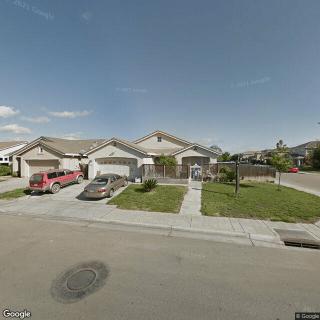



 Effective Strategies for Keeping Seniors' Minds Active: A Deep Dive into Brain Games and Apps
 In-Depth Look at the VA Aid and Attendance Program
 Nurturing Our Loved Ones: A Daughter's Journey in Caring for Her Mother