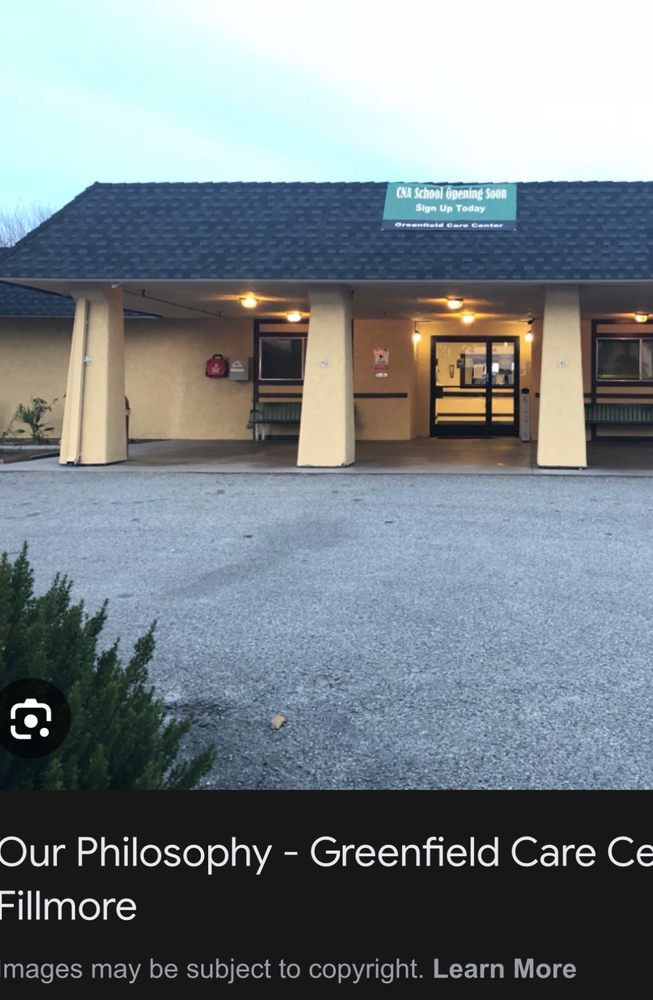
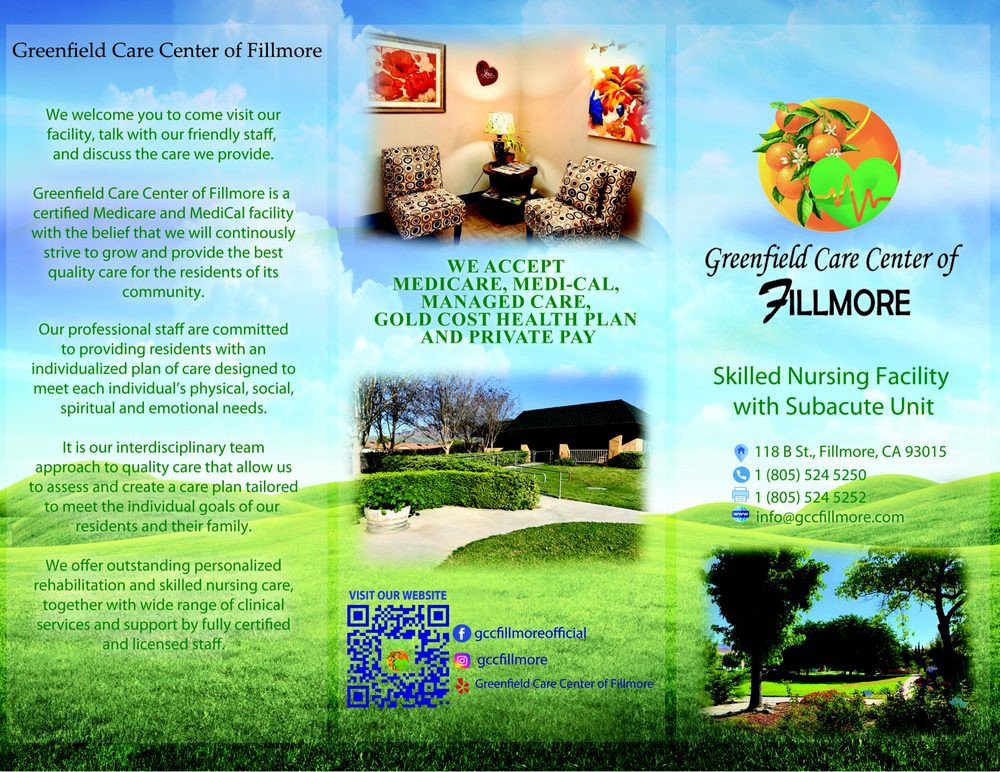





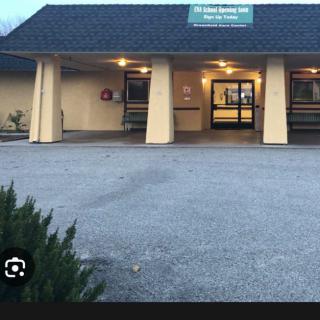





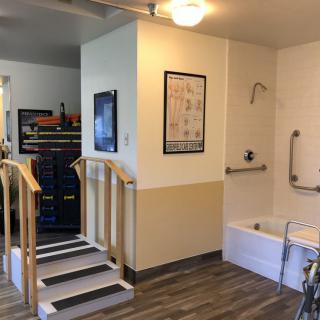
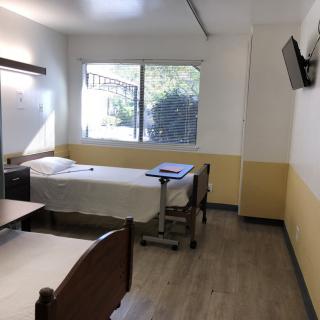

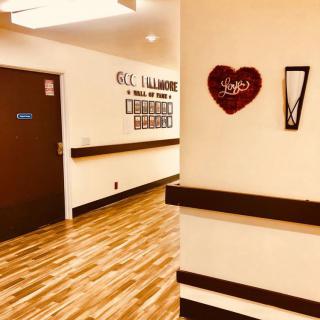
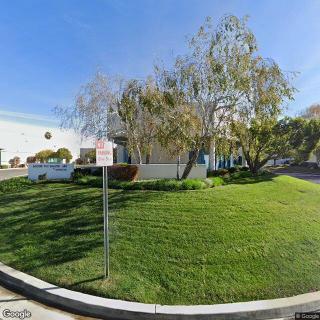
118 B Street, Fillmore, CA 93015
For more information about senior living options: (866) 208-4318
Overall Review of Greenfield Care Center Of Fillmore
Pros
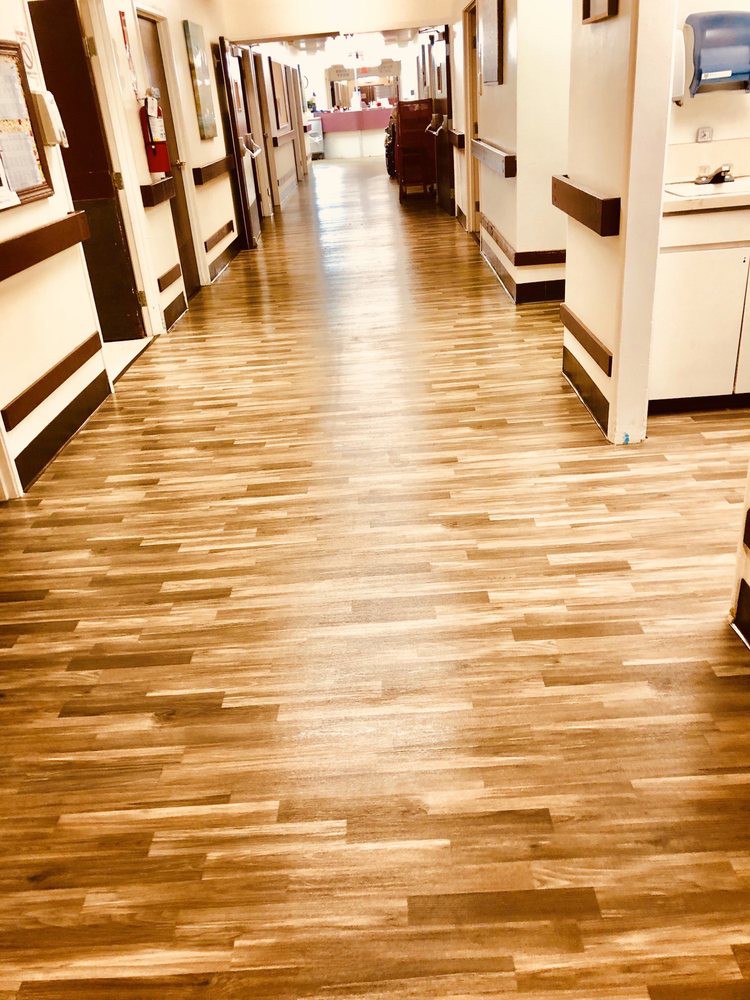
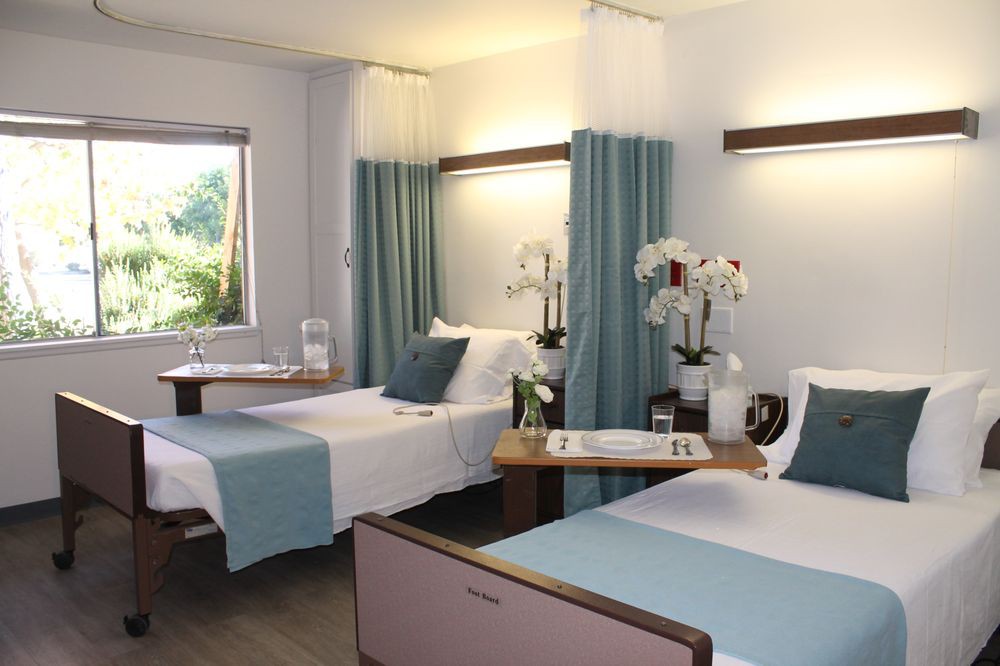
 The facility is clean and caring.
- It has a low turnover.
- Matthias is an amazing social director who organizes games, sing-alongs, and church services.
- The nursing staff is very conscientious.
- It is a teaching facility.
- Greenfield Care is one of the best in Ventura County.
- The staff turnover is low, and the staff are caring and responsive.
Cons
 The facility killed his father; nurses didn’t care for patients and staff treated them badly, and he died a few days after being told he was okay.
- The center was going from bad to worse, with overwhelmed nurses and care staff, frequent supply shortages, and essential staff like respiratory therapists unavailable for long periods.
- The center needed a complete overhaul and should be bought and fixed for the community.
- The reviewer regretted trusting the facility with a loved one.
- The staff neglected the resident, allowing a serious infection and causing unnecessary suffering.
- The facility was described as a cesspool of toxic leadership, with residents and workers treated without respect.
Review
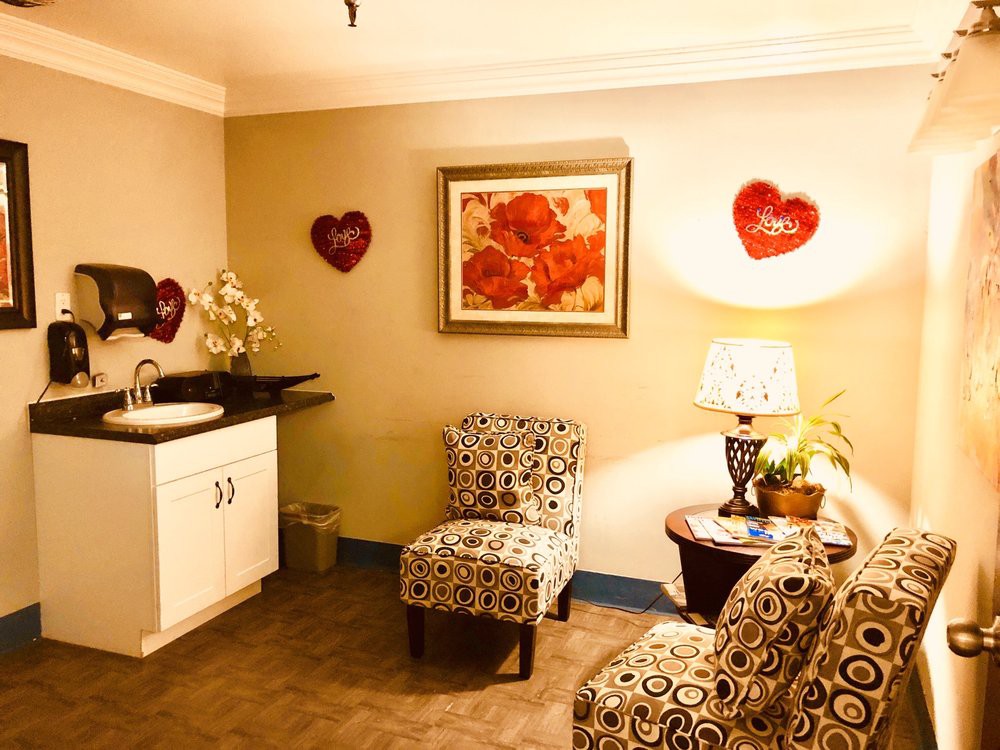
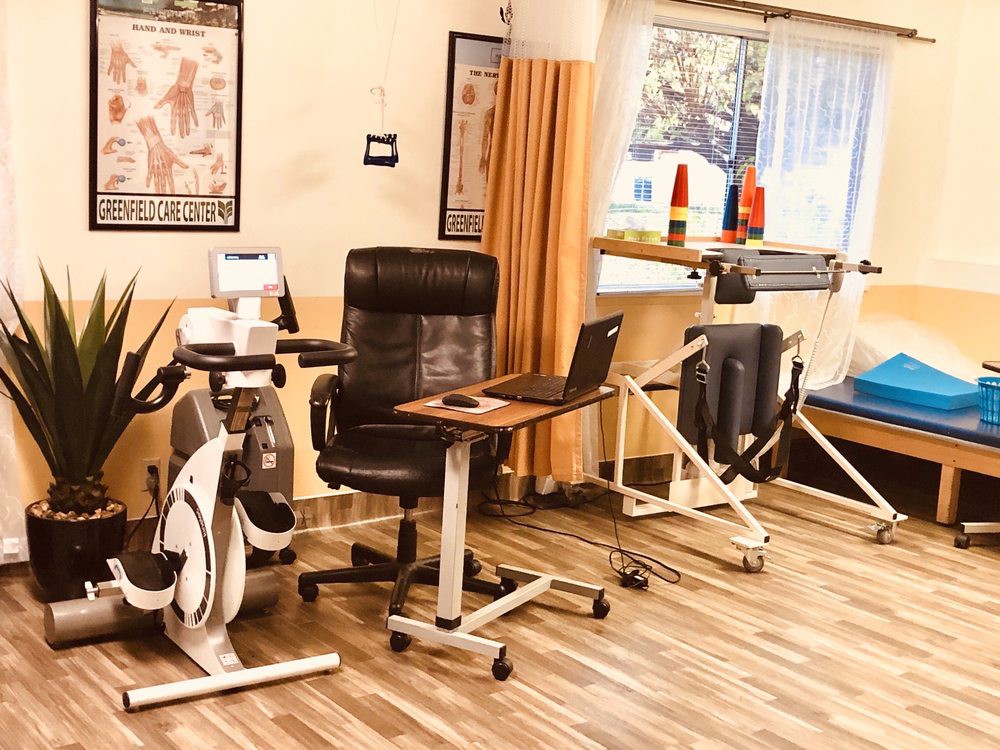
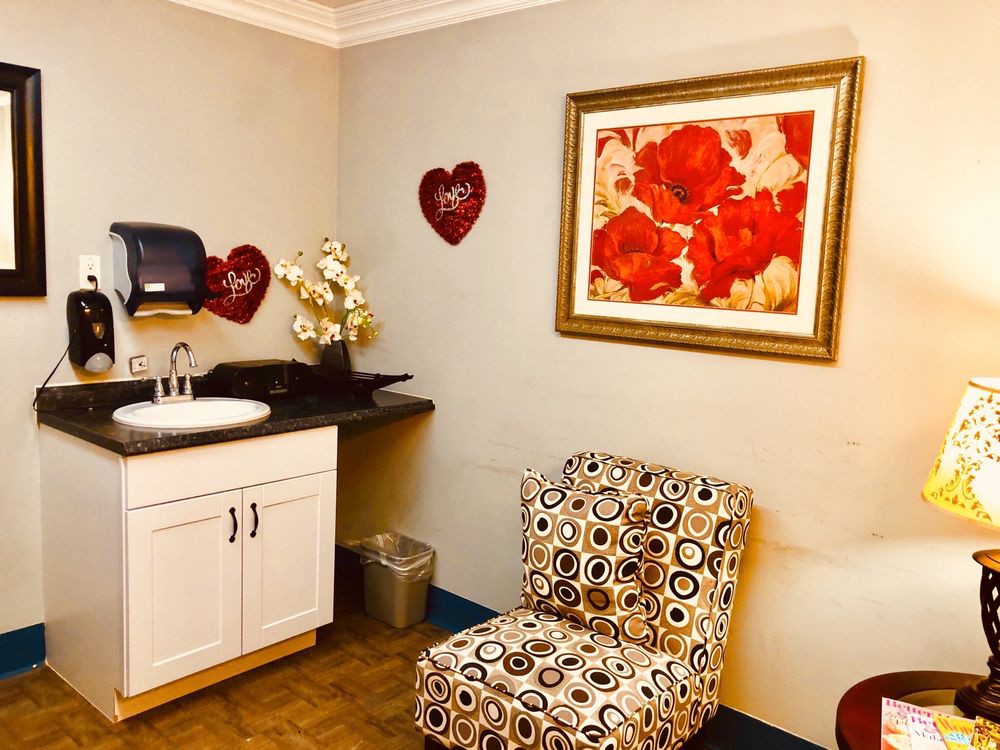
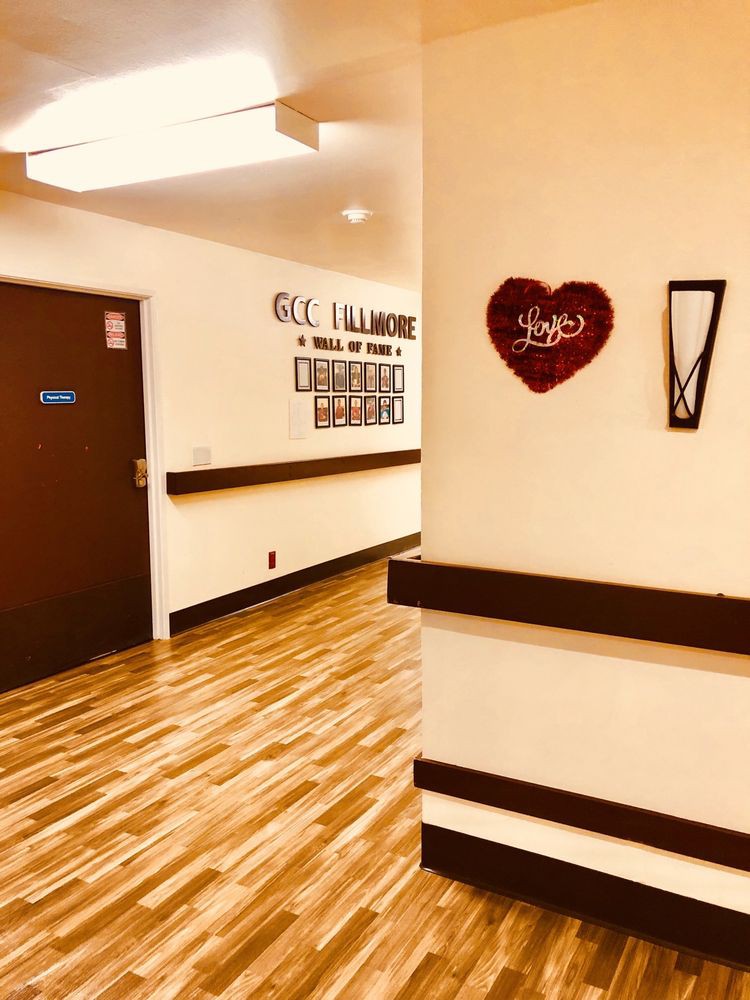
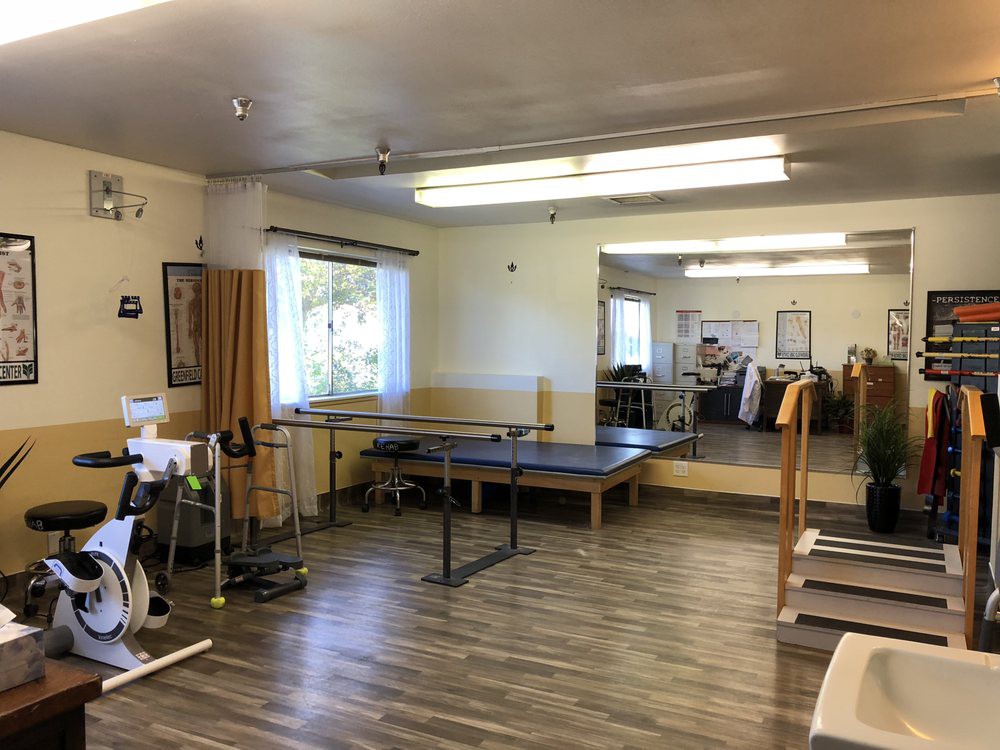
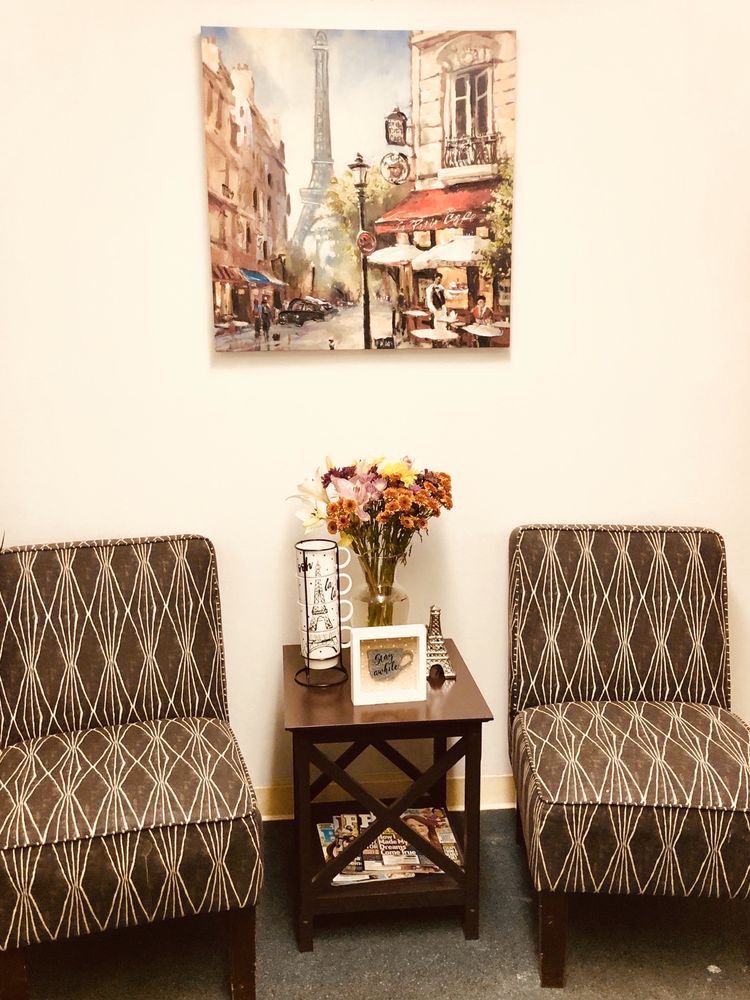
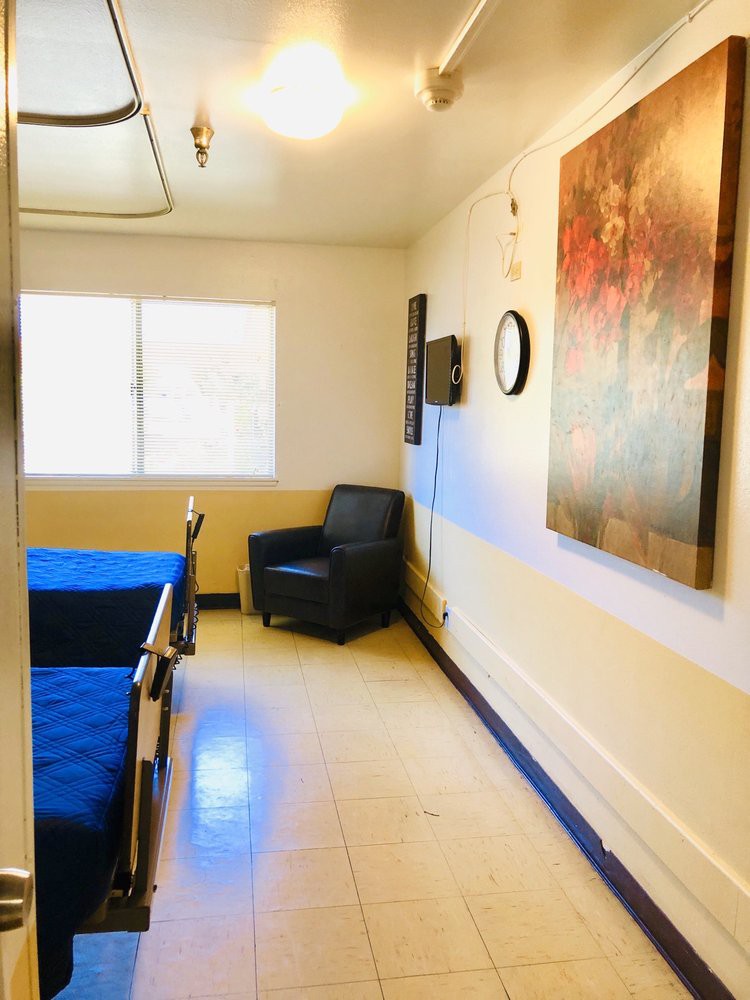
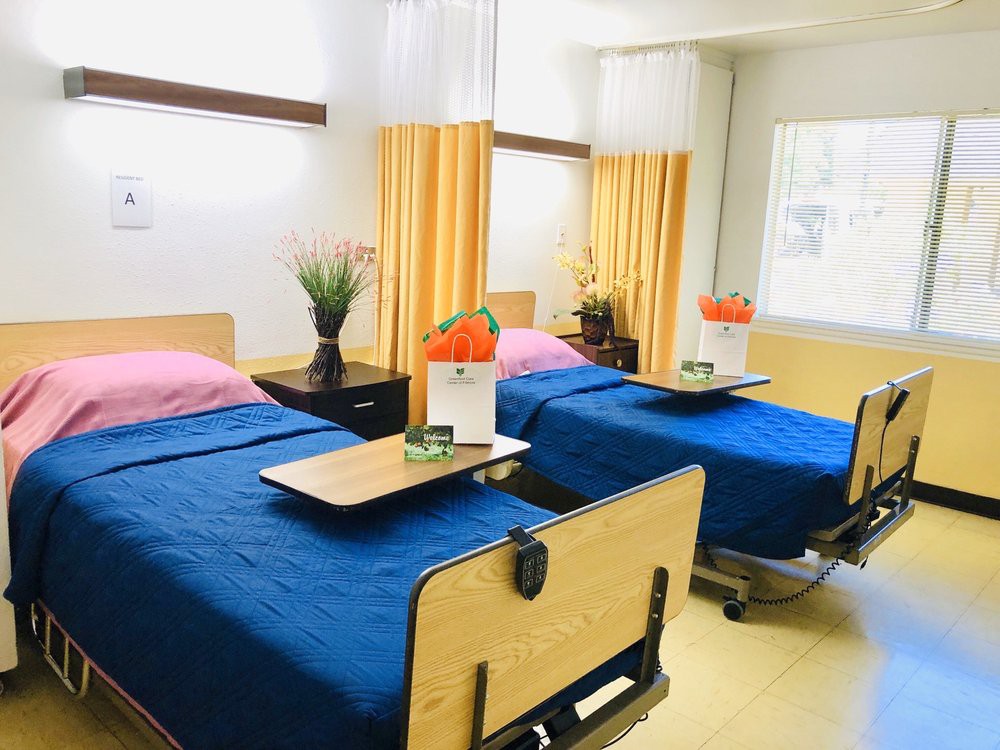
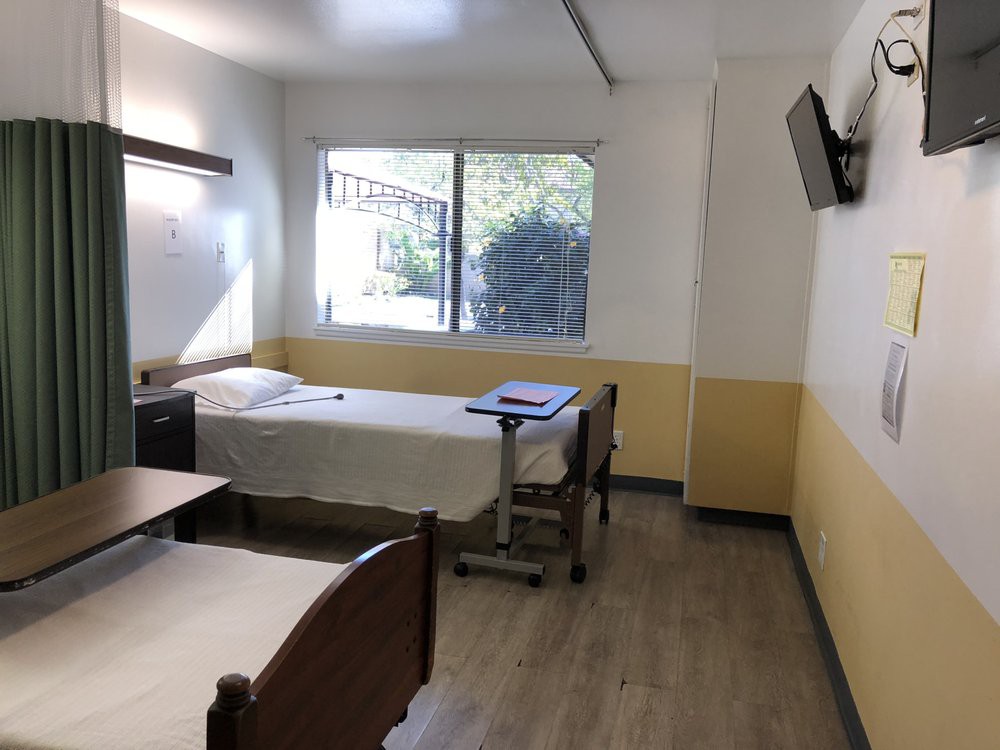
Greenfield Care Center of Fillmore is best suited for families seeking a facility with a strong emphasis on social engagement and a calm, well-kept environment, where daily life can feel like a connected community. It can work for seniors who are relatively independent or have modest medical needs but still require skilled nursing and rehabilitation services. The caveat is clear: this is not a universally reliable choice for residents who demand flawless clinical oversight, consistent bedside care, and airtight safety. When medical complexity or memory care challenges are prominent, this community’s inconsistencies become a meaningful risk that families must weigh carefully.
For families evaluating alternatives, the decisive factor is whether rigorous medical accountability is non-negotiable. Several reviews highlight troubling gaps in care, including reports of neglect, delayed treatment, and a perception that staff may be overwhelmed or under-resourced. Language barriers and questions about communication with families are also cited by some residents and visitors. If a senior requires steady, proactive nursing attention, timely medication administration, and predictable staffing at every shift, it may be prudent to look at other nearby options with proven track records for clinical reliability and safety culture.
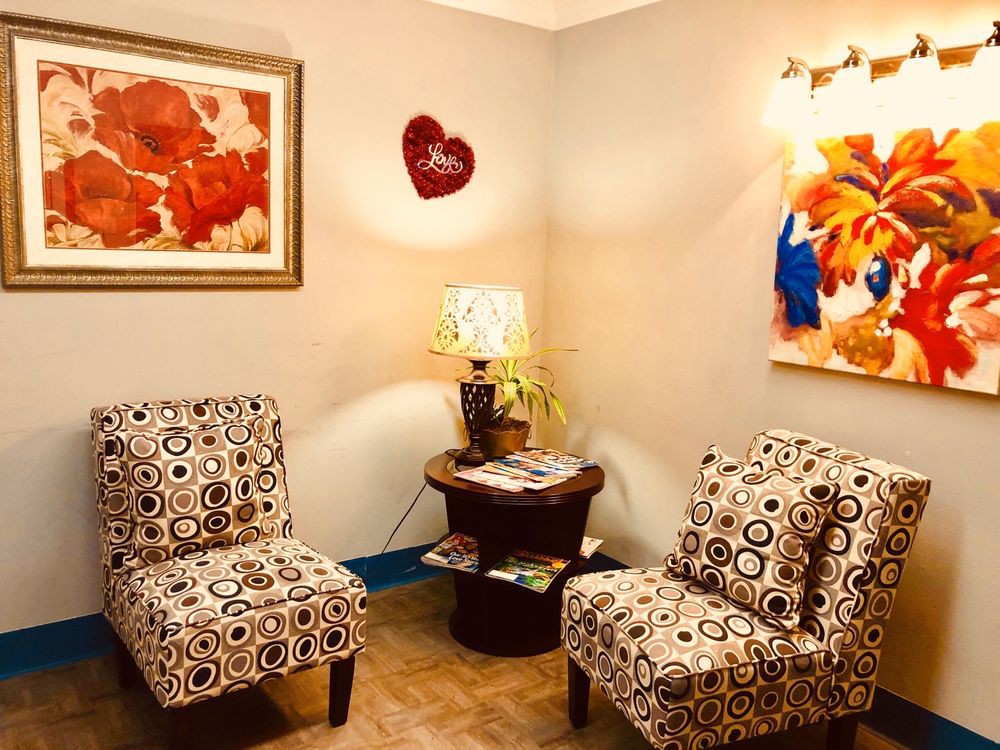
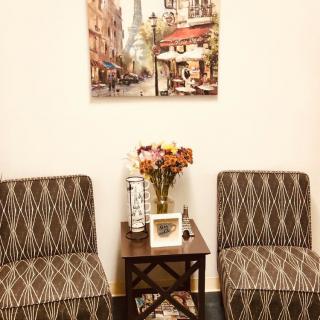
On the positive side, the facility earns credibility from its visible commitment to cleanliness and a low turnover in staffing at times, which translates into familiar faces for residents. A vigorous calendar of social activities, games, sing-alongs, religious services, plus an approachable administrator can foster a sense of community and reduce isolation for residents who thrive on connection. In situations where morale and engagement are the primary objective, Greenfield delivers a meaningful, tangible advantage that can improve day-to-day quality of life and offer families reassurance that their loved one is not simply contained but engaged.
However, the negatives carry substantial weight. Several accounts describe acute failures in clinical care, including infections and inadequate wound management, with alarming gaps in communication about a loved one’s status. Critical services such as respiratory therapy and timely doctor visits are repeatedly questioned, and complaints about medication shortages or delays surface alongside broader concerns about leadership and accountability. Some reviewers depict the environment as chaotic or poorly managed, with residents left uncomfortable or anxious. Taken together, these experiences erode trust in the facility’s ability to safely manage complex medical needs or acute events.
In weighing the pros against the cons, the decisive calculus points toward caution for residents with significant medical complexity, dementia-related care, or high safety risks. The social strength and clean, orderly setting do offset some quality-of-life concerns for a subset of residents, those who can benefit from routine activities and stable, friendly front-line staff while a dedicated advocate monitors clinical care. For families where consistent nursing responsiveness, transparent communication, and reliable rescue from emergencies are non-negotiables, Greenfield requires a rigorous, active oversight plan or may be better replaced by a facility with a more uniformly dependable clinical track record.
If continuing the exploration of Greenfield, approach it as a targeted trial rather than a foregone conclusion. Demand contemporaneous evidence of staffing stability on each shift, direct input from the nursing leadership about care protocols, and transparent access to incident reports and quality metrics. Tour at multiple times, request to observe a care plan meeting, and speak candidly with current residents and family advocates about response times and daily routines. Establish concrete expectations: daily rounds by a nurse manager, guaranteed access to a physician or nurse practitioner, and a written escalation path for any red-flag concerns. For families unwilling or unable to provide that level of ongoing oversight, alternatives that promise more consistent medical oversight will likely deliver greater peace of mind.
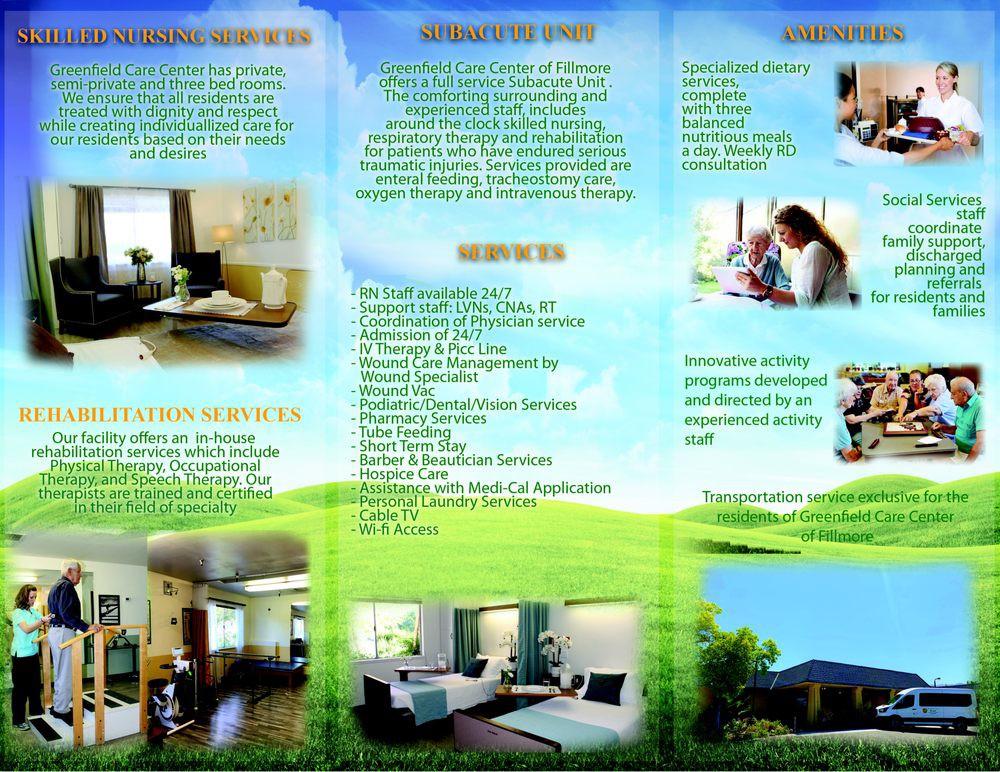
 99 resident community capacity
 Skilled Nursing Facility
 Air-conditioning
 Beauty salon
 Cable or satellite TV
 Computer center
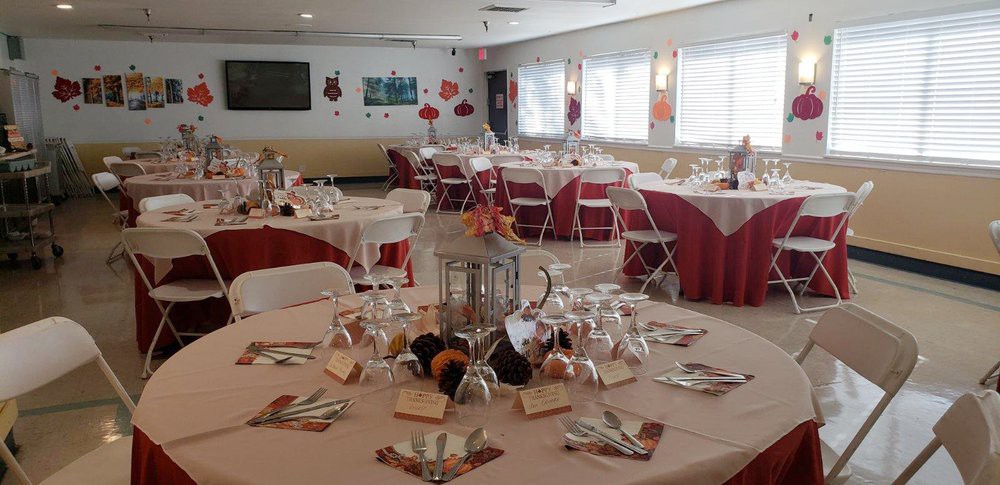
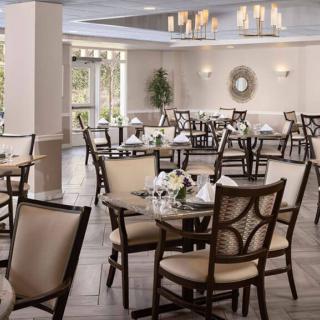
 Dining room
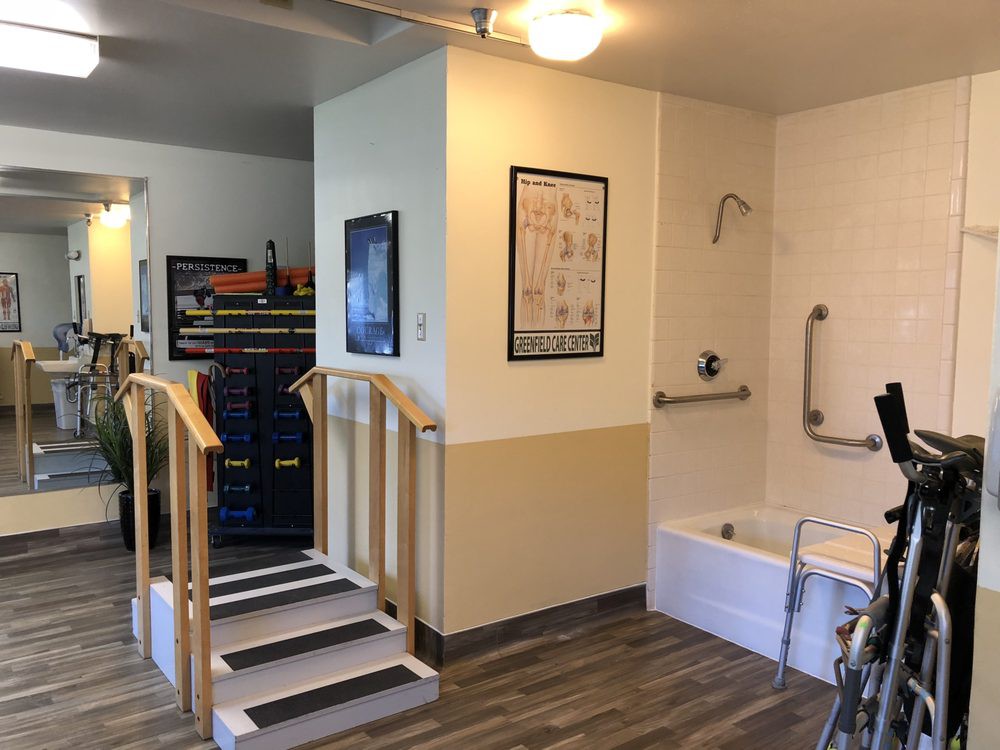
 Fitness room
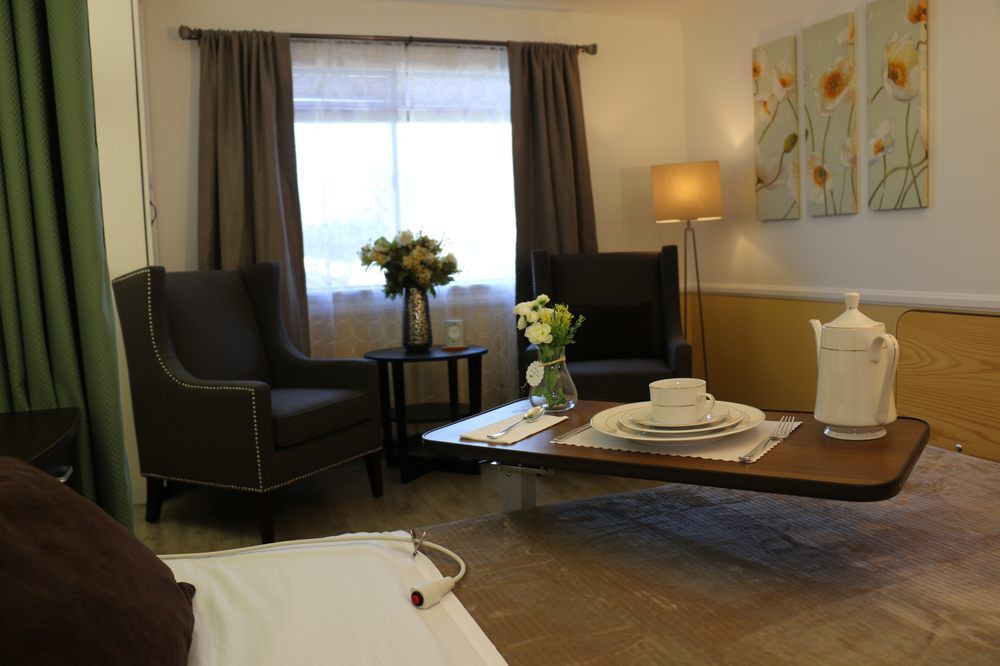
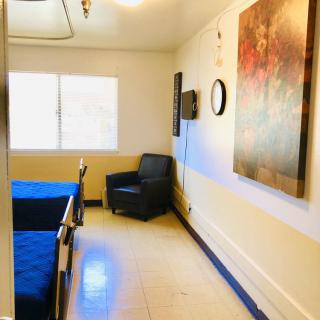
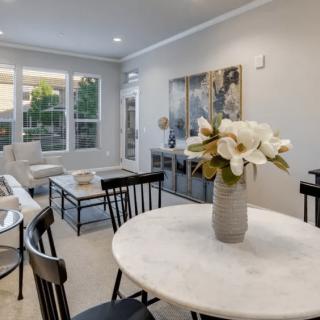
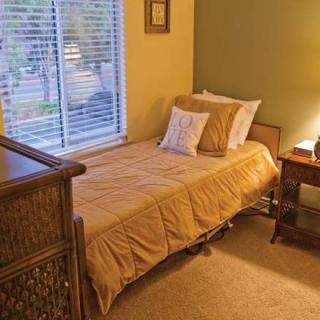
 Fully furnished
 Gaming room
 Garden
 Housekeeping services
 Kitchenette
 Move-in coordination
 Outdoor space
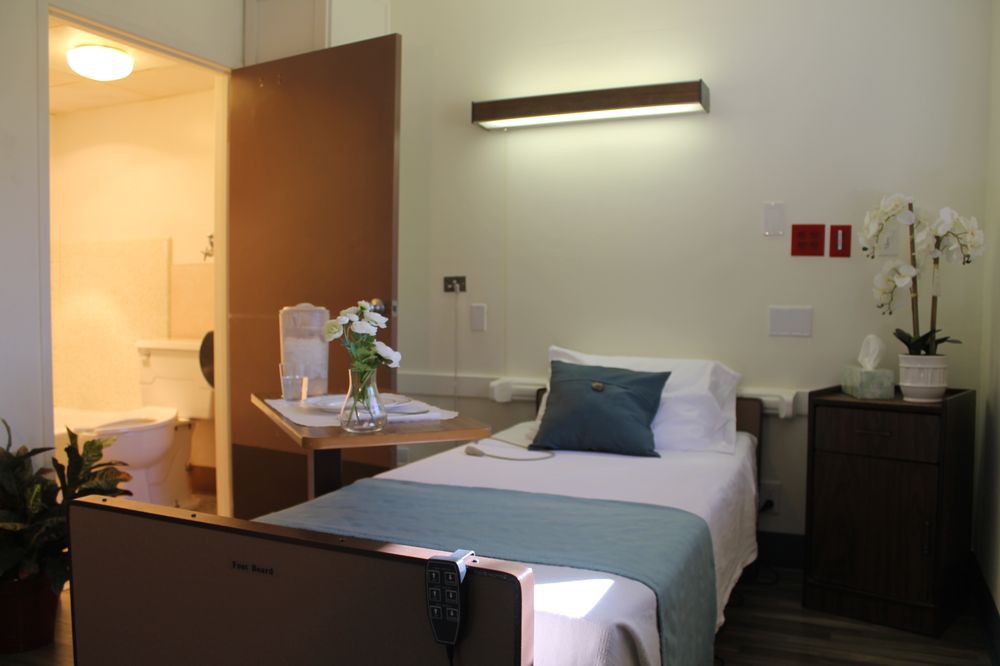
 Private bathrooms
 Restaurant-style dining
 Small library
 Telephone
 Wellness center
 Wi-Fi/high-speed internet available
 Oxnard (21 miles away)
 Community operated transportation
 12-16 hour nursing
 24-hour call system
 Activities of daily living assistance
 Assistance with bathing
 Assistance with dressing
 Assistance with transfers
 Diabetes diet
 Medication management
 Mental wellness program
 Special dietary restrictions
 Concierge services
 Planned day trips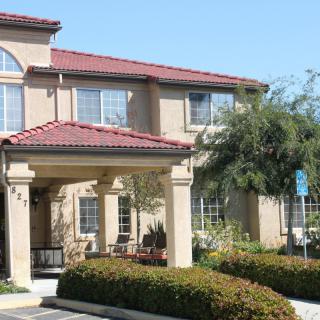



 Navigating the Financial Road to Nursing Home Care: In-Depth Guidance and Resources
 Supportive Employee Benefits That Help Caregivers Attain Better Work-Life Harmony
 Top Cars for Senior Drivers and Essential Safety Innovations