
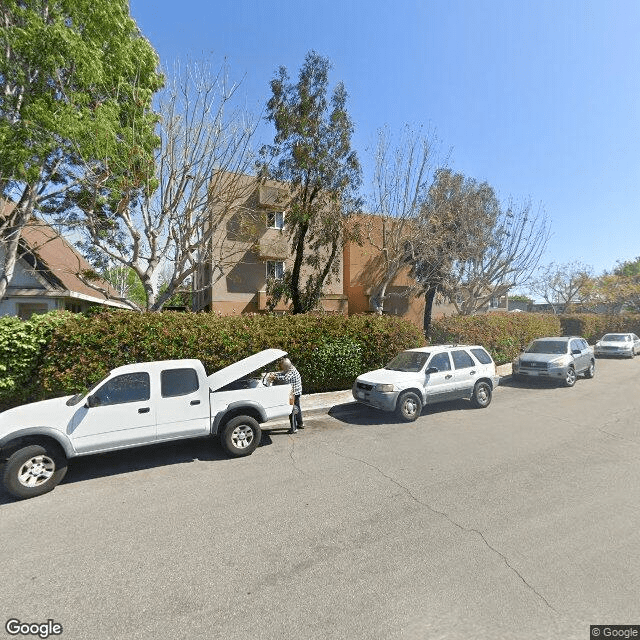
2031 Orange Ave, Costa Mesa, CA 92627
To contact a resident: (949) 645-3728
For more information about senior living options: (866) 208-4318
Overall Review of St John's Manor
Pros
 The manager, Ivan, is wonderful.
- Maintenance David is incredibly hardworking and kind; he is a master of repairs.
- Ivan and David are highly praised by residents.
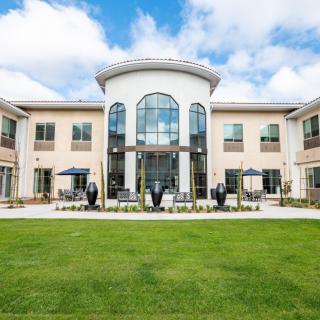
- The backyard is beautiful.
- The people who live there feel like a second family and are close.
- The building staff redo units before move-in, which is nice.
- Residents love the Costa Mesa area.
Cons
 The interior of the building is horrible beyond words and filthy.
- The paint, furniture, walls, and floors are filthy and never cleaned.
- There are dog diarrhea stains that have never been cleaned.
- The workout room is unusable.
- The building is old, rundown, and filthy.
- Trash rooms are filthy.
- Many residents hate that the building is a dump.
Review
St John’s Manor in Costa Mesa is best suited for seniors who want a tight, neighborly community and a hands-on on-site team more than a pristine, modern setting. The facility earns trust through its leadership and maintenance crew, with Ivan the manager and David the maintenance technician singled out for consistently strong performance. These staff members create steadiness and responsiveness that can matter as independence wanes. Residents gain from a process that often renovates units before move-in, reducing the disruption that comes with settling into an older building. The overall dynamic resembles a small, extended family, where day-to-day contact with familiar faces helps ease transitions for those who value personal attention over showroom finishes.
However, that appeal sits against a backdrop of serious drawbacks. The building is clearly old and shows wear in the most visible places: interior surfaces, floors, and common areas struggle with cleanliness and upkeep. One reviewer described paint, furniture, walls, and floors as filthy, with dog-excrement marks that were never cleaned. Trash rooms are not well maintained, and the workout room is unusable. These conditions do not just affect aesthetics; they shape daily living, mood, and motivation to engage in activities or socialize. While the staff can address repairs and renovate individual units, they cannot erase years of deferred maintenance in common spaces. Prospective residents must weigh these inconsistencies between care on the service side and the state of the building itself.
The strongest redeeming factors rest with the people who operate the place. Ivan the manager is described as wonderful, and David the maintenance lead as hard-working and kind, a combination that translates into reliable problem-solving and a sense of safety. The ability to have a unit upgraded before move-in offers a tangible improvement that can soften the impact of aging infrastructure. The backyard stands out as a bright spot, offering outdoor appeal that enhances the living experience and supports social connections. The atmosphere of companionship, the idea that “we” are in this together, appeals to seniors seeking a shared living feel. When staff relationships are this strong, they can counterbalance some inconveniences, especially for those who value continuity and trust in management.
Yet the most troubling drawbacks remain hard to ignore. The facility’s overall condition is a core concern: the building appears worn, with visible cleanliness issues, and residents report ongoing maintenance shortcomings that affect daily life. The discrepancy between staff excellence and building upkeep creates a frustrating tension: dependable repairs are available, but they do not mask a spectrum of maintenance failures that degrade the daily environment. The negative signals extend to the fitness amenity, unusable space, and to the sense that aging infrastructure must be endured. These factors can erode enthusiasm for social programs and reduce the perceived value of the community, particularly for seniors who want a turnkey experience rather than ongoing cosmetic and functional compromises.
From a decision standpoint, the key question is whether the personal benefits outweigh the facility’s deficiencies. For residents who prize a warm, family-like community, a responsive, respectful staff, and a desirable Costa Mesa location, St John’s Manor delivers meaningful value, even when the walls show their age. The waitlist dynamic adds a practical advantage: a place in this community carries a shared sense of selectivity, which can be a predictor of ongoing occupancy and stability. However, alternatives should be entertained for those who cannot tolerate ongoing cleanliness and upkeep concerns, or who require upgraded amenities, more robust fitness options, or a more modern aesthetic. In those cases, it makes sense to explore newer or better-maintained options in the area.
In the end, St John’s Manor suits families and seniors who want dependable personal attention and a forthright, homey atmosphere, even if the walls aren’t pristine. The practical calculus centers on prioritizing relational warmth and staff reliability versus the emotional and logistical strain of living in an older, imperfect building. Prospective residents should request a tour of a renovated unit, inspect common spaces, and talk candidly with residents about daily cleanliness and maintenance responsiveness. If those checks align with expectations, the community can offer a viable, comfortable home with a strong sense of belonging and predictable service. For those demanding modern finishes and flawless upkeep, it is prudent to steer toward alternatives with newer construction and upgraded amenities.
 Skilled Nursing Facility
 John Wayne Orange Co (3 miles away)



 6 Crucial Ways an Elder Law Attorney Assists Families
 Navigating the Tax Landscape of Caregiving: Credits, Deductions, and Beyond
 Highly Beneficial Low-Impact Exercises for Senior Living Residents