


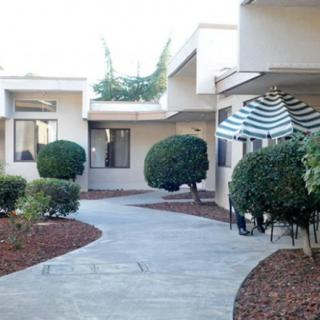
3806 Clayton Road, Concord, CA 94521
For more information about senior living options: (866) 208-4318
Overall Review of Windsor Manor Rehabilitation Center
Pros
 Two physical therapists were good, and two attendants were nice.
- Windsor Manor Rehabilitation Center is described as a wonderful place for a loved one.
- They keep families informed if anything is wrong.
- They schedule video visits for families.
- The staff is excellent and caring.
- They have multiple contact numbers for the care team.
- The location is great and close to town.
- They offer activities.
- The care and therapy are excellent, and the staff are very kind.
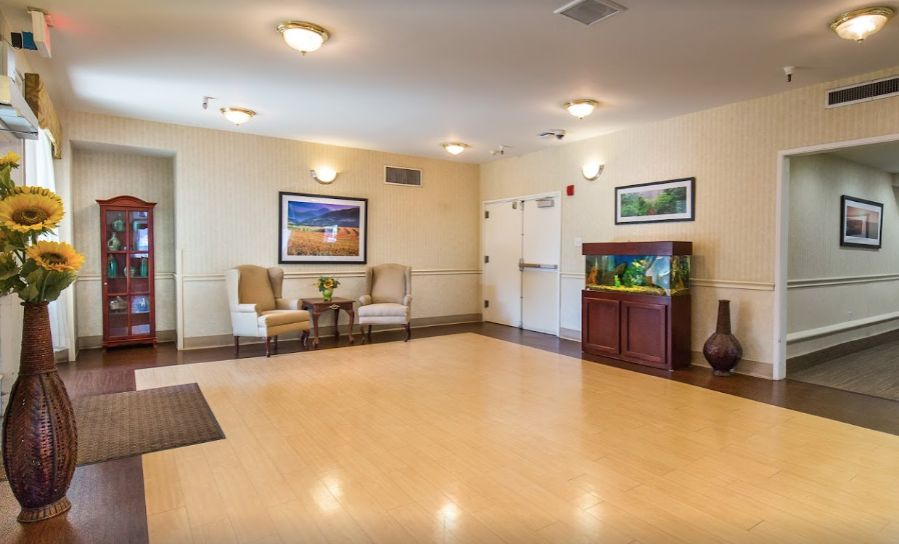
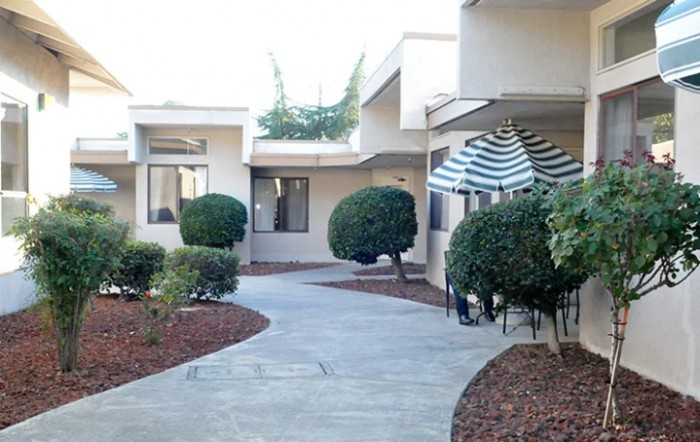
- The facility is clean and the food is nice.
- The reviewer would highly recommend Windsor Manor.
Cons
 The food was terrible, and help arrived only after long delays or not at all.
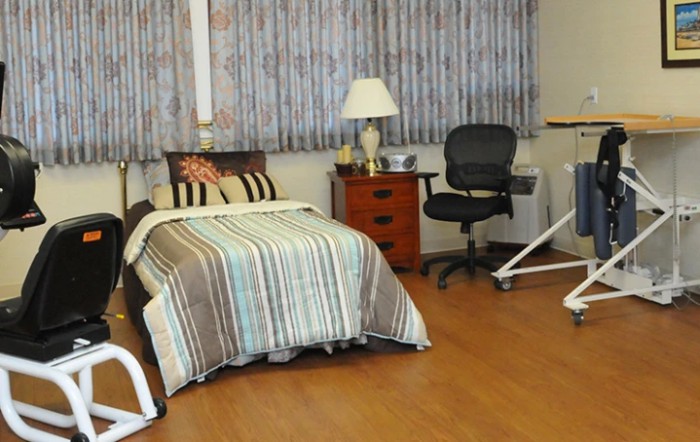
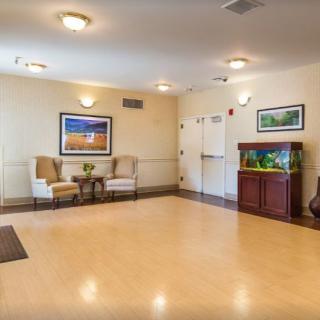
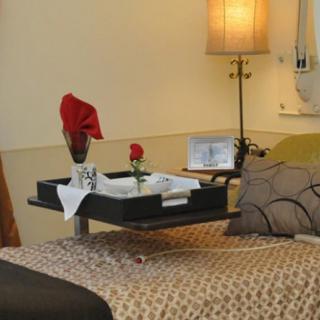
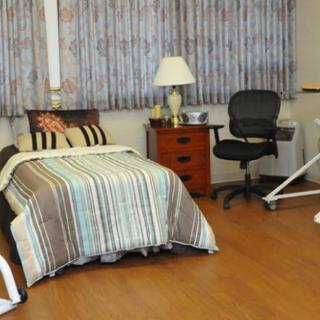
- The beds are lousy and everything is old and worn out.
- The staff at the front desk treated guests poorly.
- They would never go back there.
- The facility offers no continuity of care; residents see a different nurse every day.
- Patients were discharged without essential equipment like a hospital bed or lift due to therapy instructions.
- There is no one-on-one care, and staff never spoke to the family about the patient’s condition.
- A nurse instructed the family to administer injections at home, but the promised medications were not provided later.
- The facility is extremely unsanitary, and night nurses rarely check in.
- The onsite supervisor is unfriendly and unapproachable.
Review
Windsor Manor Rehabilitation Center in Concord is best suited for families that prize proactive communication and a rehab-focused environment, where regular updates and accessible staff can help guide the recovery or transition process. The facility can work well for those who want timely callouts if something is off, and who value the convenience of an in-town location for coordinating visits, transportation, and outside medical appointments. That said, this is not a universal fit. Families needing unwavering day-to-day nursing consistency, flawless medication management, or a pristine, modern setting should consider alternatives. The mixed reviews, the strong praise for some therapists and caregivers alongside frequent reports of staffing gaps and upkeep issues, signal a sizable risk for anyone requiring dependable continuity of care.
The strongest positives emerge where therapists and aides demonstrate genuine competence and kindness, and where staff communicate with families beyond the minimum. In several accounts, the rehab team delivers meaningful progress and family members commend the willingness to share updates, sometimes around the clock, and to arrange video check-ins when in-person visits aren’t possible. The location’s proximity into town is repeatedly cited as a practical benefit, aiding coordination with outside providers and easing family involvement. When the team aligns with a patient’s rehab plan, Windsor Manor can feel like a solid, supportive place to recover, provided the care team remains stable and communicative.
Yet the downsides are pronounced and recurring. A core concern is discontinuity: different nurses and aides showing up day after day, with fragmented handoffs and shifting care instructions. This lack of continuity undermines trust and can derail progress, especially for residents with complex needs or cognitive impairment. Medication administration is another chronic vulnerability, with multiple reviews highlighting delays or miscommunications that place residents at risk and leave families scrambling for accuracy. The physical environment compounds the risk: comments about old, worn beds and aging facilities point to a rehab atmosphere that may not meet the expectations of families accustomed to newer or better-maintained spaces. Occasional reports of rude staff or unapproachable leadership further erode confidence in day-to-day reliability.
The favorable aspects do not fully offset the drawbacks for most potential residents. The rehab talent pool, when present, demonstrates what effective, goal-oriented therapy can achieve, and family communication can be robust enough to alleviate some anxiety. However, these positives require a stable, well-coordinated team to be sustainable, and that stability, according to the majority of reviews, is inconsistent. For residents with dementia or highly dependent medical needs, the lack of stable caregivers and the gaps in bedside attention amplify safety concerns and make steady progress unlikely. The combination of aging infrastructure and staffing unpredictability creates a fragile foundation that may crumble under higher care demands or longer stay.
Explicitly, families should consider alternatives if reliable daily nursing, steady caregiver assignments, and a consistently clean, updated environment are non-negotiable. Other facilities with documented continuity, stronger infection control histories, and clearer discharge planning typically reduce the risk of avoidable complications and miscommunication. For those whose primary goal is predictable, transparent care with minimal administrative friction, Windsor Manor may not deliver the reliability required. Out-of-town families, in particular, should weigh the burden of frequent check-ins against potential gaps in information sharing, given reports of delayed updates and disjointed handoffs.
If Windsor Manor remains a contender, pursue a rigorous, hands-on evaluation before committing. Request meetings with the administrator and the lead nursing team, and demand a tour that includes patient rooms, therapy spaces, and communal areas. Observe a therapy session if possible, and watch a medication pass to gauge efficiency and safety. Insist on seeing the weekly staffing schedule, and identify the contact person who will coordinate ongoing concerns. Verify discharge planning, the availability of hospital beds or assistive devices, and the pace of therapeutic progress. Above all, secure a clear, written care plan with defined accountability and guaranteed timely updates to family members. The decision hinges on whether stability in care and a well-maintained environment can be gained within a setting that, while capable in therapy, struggles with consistency and upkeep.
 190 resident community capacity
 Skilled Nursing Facility
 Air-conditioning
 Beauty salon
 Cable or satellite TV
 Computer center
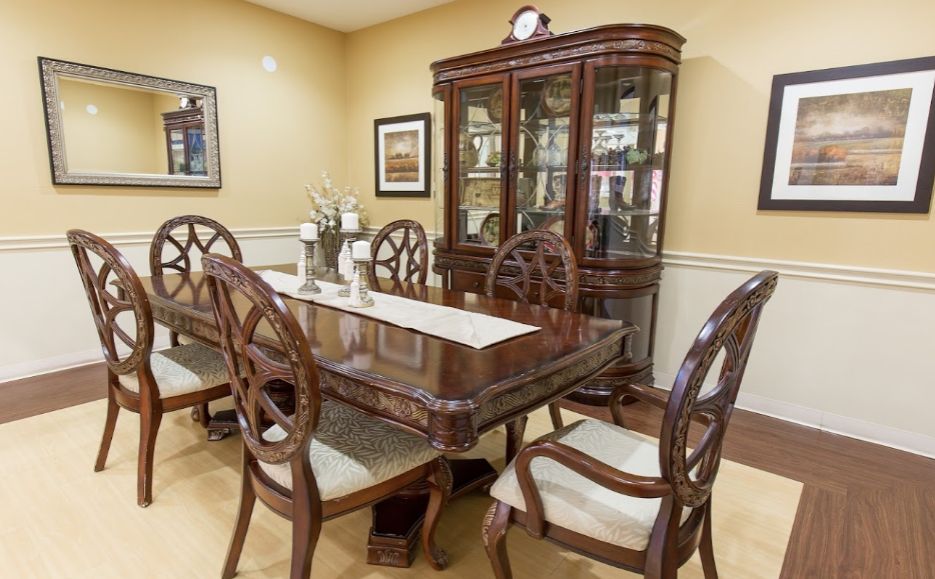
 Dining room
 Fitness room
 Fully furnished
 Gaming room
 Garden
 Housekeeping services
 Kitchenette
 Move-in coordination
 Outdoor space
 Private bathrooms
 Restaurant-style dining
 Small library
 Telephone
 Wellness center
 Wi-Fi/high-speed internet available
 Metropolitan Oakland International (21 miles away)
 Community operated transportation
 12-16 hour nursing
 24-hour call system
 Activities of daily living assistance
 Assistance with bathing
 Assistance with dressing
 Assistance with transfers
 Diabetes diet
 Medication management
 Mental wellness program
 Special dietary restrictions
 Concierge services
 Planned day trips




 Nurturing Our Loved Ones: A Daughter's Journey in Caring for Her Mother
 Nurturing Our Elders: Linda's Journey of Supporting Her Mother
 A Comprehensive Exploration of Common Misunderstandings about Powers of Attorney