
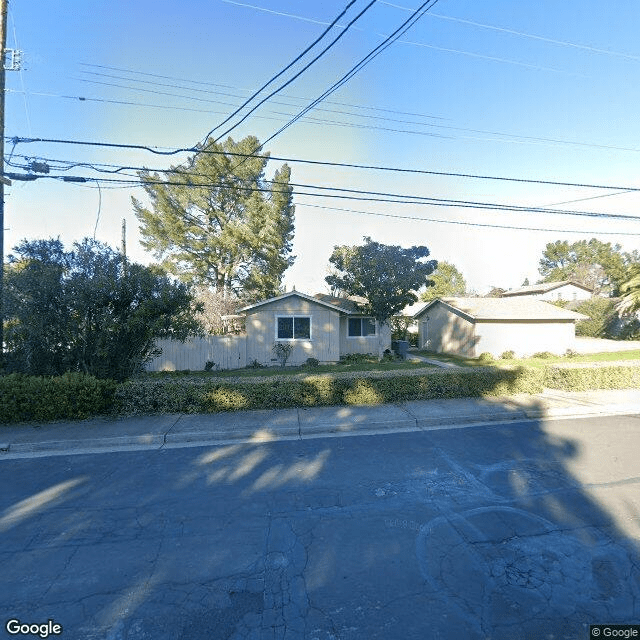
3731 Joan Avenue, Concord, CA 94521
For more information about senior living options: (866) 208-4318
Trinityville Costs & Pricing
In Trinityville, the monthly cost for a private room is notably higher at $5,500 compared to both Contra Costa County and the broader California average, which stand at $4,088 and $3,939 respectively. This substantial difference suggests that residents and their families should carefully consider the financial implications of choosing Trinityville over other locations. While these costs may reflect enhanced amenities or specialized services unique to the area, it's crucial for prospective clients to evaluate what specific features justify this premium while also weighing their budgetary constraints against the context of local market rates.
| Floor plans | Trinityville | Contra Costa County | California |
|---|---|---|---|
| Private | $5,500 | $4,088 | $3,939 |
Assisted Living communities with a similar price nearby
-
from +$1000 / mo

Khivi Care
$6,500 / month24.3 miles away -
from -$500 / mo

Blessing Home
$5,000 to $6,000 / month17.6 miles away -
from -$1000 / mo
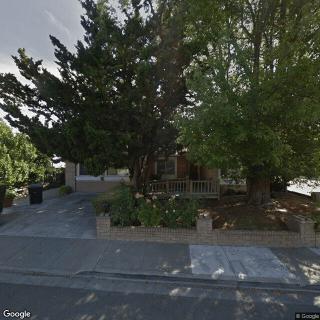
Pleasanton Senior Care Villa
$4,500 / month21.7 miles away -
About the same

Bethel Care Home On Cottage
$5,400 / month6.8 miles away -
from -$500 / mo
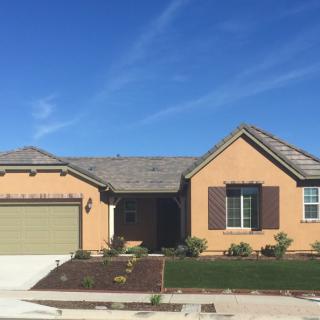
Harmony Care Home
$5,000 to $6,500 / month14.2 miles away
Overall Review of Trinityville
Pros
 The care provided has been excellent.
- The owner is very hands-on and responsive.
- Her staff are respectful to the family, especially to the mom.
- Trinityville was the right decision.
- The mom is happy with the food.
- The quality of care has been pretty good, and the staff are friendly.
Cons
 The reviewer was not really happy with the tour guide and not impressed with the community.
Review
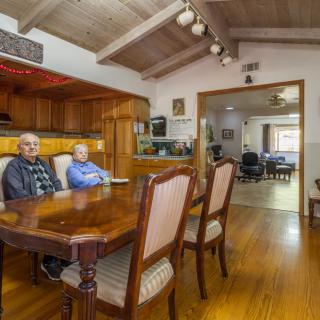
Trinityville in Concord is best suited for families seeking an intimate, caregiver-led setting where the owner is visibly involved, communication is prompt, and daily life feels personal. This community rewards residents who value steady, respectful treatment from staff and a home-like atmosphere over a large, impersonal campus. The reviewing family member repeatedly notes a hands-on owner who returns calls quickly, staff who treat the resident with genuine courtesy, and a dining program that leaves the resident satisfied. For families who want to stay closely connected to the care plan and enjoy regular, direct access to leadership, Trinityville offers a practical, reassuring home base.
There are clear reasons some families may want to consider alternatives. The onboarding experience in at least one review did not leave a strongest impression, with the tour process described as less polished. Prospective residents who prioritize a highly refined tour, a formalized admissions sequence, or a larger, more program-driven campus might find Trinityville’s presentation and onboarding style feels too small-scale or unstructured. This is not a critique of care quality, but a cue for those who prefer a more corporate, standardized front-end experience to explore a few other options with bigger onboarding processes.
The core strengths of Trinityville align well to offset the few onboarding impressions. The owner’s accessibility is more than a courtesy; it translates into timely problem-solving, clear accountability, and a recognizable commitment to the resident’s well-being. Staff are described as respectful to both the family and the resident, which underpins a reliable caregiving environment where social interactions and daily routines feel consistent. The positive notes about food suggest the daily living experience is not only medically acceptable but genuinely pleasant, which matters for long-term satisfaction and mood. A long-standing track record, evidenced by previous placements lasting many years and a history of family involvement, adds a layer of stability that can soothe anxious decisions.
Another strong point is the practical, everyday atmosphere: happy residents, friendly teamwork, and a sense that care is personalized rather than performative. The community earns a solid rating from a plurality of reviewers, with several families explicitly recommending Trinityville after observing how care and communication unfold over time. The combination of a warm, staff-centered environment and a clearly engaged owner tends to translate into fewer miscommunications and more responsive adjustments when needs change. For families weighing subtle but important factors, like meal quality, regular visits from loved ones, and a residence that feels like a real home, the pros here frequently align with those priorities.
To make a sound move, families should balance these strengths against their decision criteria. If the priority is direct access to leadership and a caregiving team that feels intimately connected to each resident’s story, Trinityville delivers decisively. The same factor that makes oversight so reassuring, small-scale operations with an owner who is highly present, can feel limiting for families seeking an expansive calendar of activities, robust on-site programming, or a campus with multiple house options. In such cases, a broader community with a more formalized onboarding and a larger support network might be worth comparing.
In the end, Trinityville proves to be a practical, capable choice for the right fit. It excels for families who value hands-on leadership, fast communication, and a warm, respectful care culture where meals and daily rhythms reinforce a sense of home. It’s less ideal for those who require a more polished initial tour experience or a large, program-heavy campus environment. For families prioritizing clear leadership visibility and genuine day-to-day attentiveness, Trinityville stands out as a trustworthy option worth pursuing, especially when the goal is a smoother, ongoing partnership with staff and a caregiver-led approach that emphasizes personal connection above formality.
 6 resident community capacity
 Assisted Living
 Board and Care Home
 Activities on-site
 Cable or satellite TV
 Devotional services on-site
 Dining room
 Fully furnished
 Garden
 Housekeeping services
 Indoor common areas
 Move-in coordination
 Outdoor common areas
 Private
 Telephone
 Wi-Fi/high-speed internet available
 Metropolitan Oakland International (21 miles away)
 24-hour supervision
 Ambulatory care
 Assistance with bathing
 Assistance with dressing
 Assistance with transfers
 Diabetes diet
 Diabetic care
 High acuity care
 Meal preparation and service
 Medication management
 Special dietary restrictions
 Transportation arrangement (medical)
 Transportation to doctors appointments



 Comprehensive Insights into Activities of Daily Living (ADLs) and Their Assessment
 Medicare Coverage for Assisted Living: An In-Depth Exploration
 Your Comprehensive Guide to Luxury Assisted Living: Elevated Facilities, Amenities, and Costs