For more information about senior living options: (866) 208-4318
2.9 from 46 reviews
5 stars
14
4 stars
7
3 stars
3
2 stars
4
1 stars
18
Overall Review of Willow Pass Healthcare Center
common16 reviews mention this
Staff care is frequently praised
Residents and families often describe the staff as kind, patient, and respectful.
Across many stays, reviewers describe nurses, CNAs, and therapists as attentive and caring, with staff who treat patients with dignity and respect. Several families highlight that the rehab team offered encouragement and patience during difficult recoveries. Even when reviewers report problems, some still single out specific caregivers as helpful and compassionate.
common8 reviews mention this
Rehab therapy supports progress
Therapy is a consistent focus, with reviewers describing daily PT or OT support.
Multiple reviewers describe physical and occupational therapy (and in some cases speech therapy) as a key part of their recovery. Families mention encouragement, safety focus, and meaningful progress after surgeries or injuries. Reviewers also note that therapy was scheduled frequently enough to be part of the day-to-day experience during their stay.
common4 reviews mention this
Dining and coffee fit the day
Meal service is repeatedly discussed, including regular meals and access to coffee.
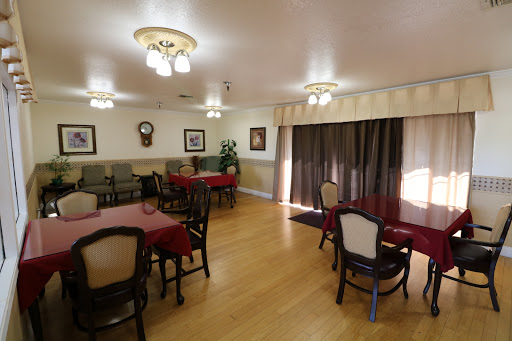
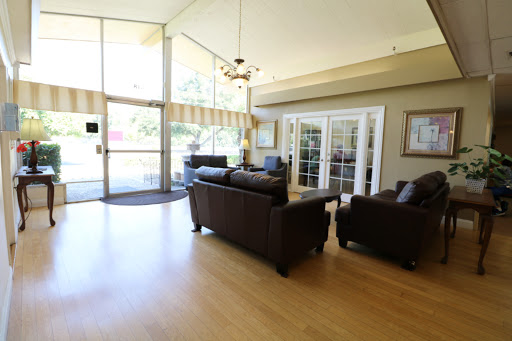
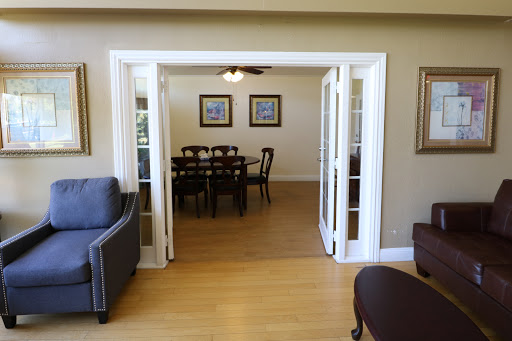
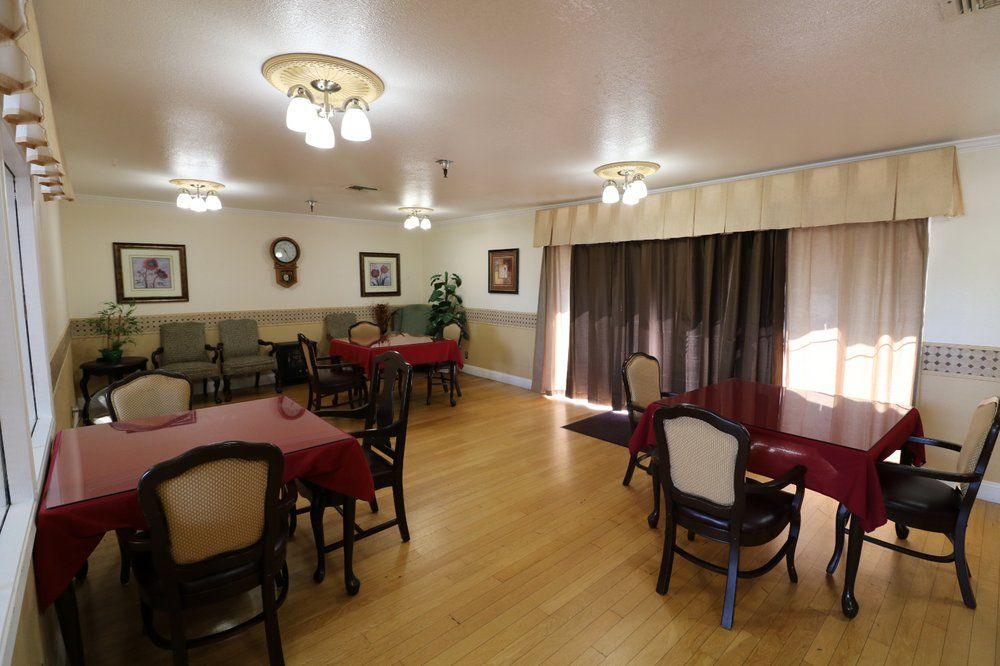
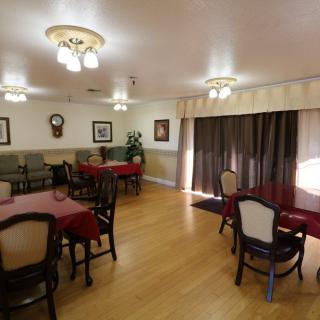
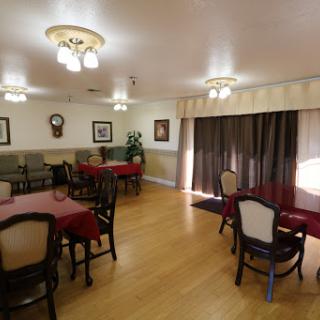
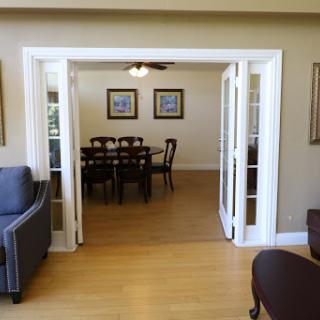
Reviewers mention having three meals per day and describe staff offering coffee or refreshments as needed. Others reference the community’s dining spaces, including a dining hall or lounge areas that look good. The community also offers restaurant-style dining as part of its standard services.
caveat8 reviews mention this
Cleanliness and responsiveness get mixed reviews
Some residents and families report cleanliness, odor, and call responsiveness issues.
While some reviewers praise cleanliness and sanitizing, others report strong odor and dirty conditions, including dirty bathrooms and cockroaches. Several critical reviews also describe unanswered call lights, delayed responses for basic needs, or long holds when trying to reach staff. One positive review contrasts with this by specifically saying it does not smell like urine on arrival.
How we summarize
Counts show how many written reviews mention each theme; a review can touch several themes, and only frequently mentioned themes are displayed.
Features
Housing
81 resident community capacity
Types of Care
Skilled Nursing Facility
Amenities
Air-conditioning
Beauty salon
Cable or satellite TV
Computer center
Dining room
Fitness room
Fully furnished
Gaming room
Garden
Housekeeping services
Kitchenette
Move-in coordination
Outdoor space
Private bathrooms
Restaurant-style dining
Small library
Telephone
Wellness center
Wi-Fi/high-speed internet available
Transportation
Metropolitan Oakland International (21 miles away)
Community operated transportation
Transportation arrangement
Transportation arrangement (non-medical)
Transportation to doctors appointments
Care Services
12-16 hour nursing
24-hour call system
24-hour supervision
Activities of daily living assistance
Assistance with bathing
Assistance with dressing
Assistance with transfers
Diabetes diet
Meal preparation and service
Medication management
Mental wellness program
Special dietary restrictions
Dining
Diabetes diet
Special dietary restrictions
Activities
Community-sponsored activities
Concierge services
Fitness programs
Planned day trips
Resident-run activities
Scheduled daily activities
Nearby Places of Interest
Pharmacies
CVS Pharmacy (0.7 miles)
Walgreens (1.2 miles)
CVS Pharmacy (1.9 miles)
Walgreens (2.2 miles)
Rite Aid (3.4 miles)
CVS Pharmacy (3.9 miles)
CVS Pharmacy (3.9 miles)
Restaurants
Ej Phair Brewing Co & Ail House (1 miles)
McDonald's (2.2 miles)
Nation's Giant Hamburgers & Great Pies (2.2 miles)
Yard House (2.3 miles)
McDonald's (2.3 miles)
Lazy Dog Restaurant & Bar (2.3 miles)
Subway (2.4 miles)
Physicians
California Center for Sleep Disorders (1 miles)
Diablo Valley Primary Care (1 miles)
John Muir Physician Network (1.1 miles)
Communication Across Barriers Speech Clinics (1.2 miles)
Muir Orthopaedic Specialists (1.3 miles)
Martin Family Chiropractic (2.2 miles)
STAT MED Urgent Care (2.7 miles)
Places of Worship
Queen of All Saints (1 miles)
Our Lady Queen of the World Church (4.5 miles)
Parks
Lime Ridge Open Space (1.2 miles)
Ellis Lake Park (1.4 miles)
Markham Nature Park and Arboretum (1.5 miles)
Newhall Community Park (2.9 miles)
Heather Farm Dog Park (4.4 miles)
Arbolado Park (4.4 miles)
Heather Farm Park (4.5 miles)
Transportation
North Concord/Martinez BART Station (1.5 miles)
U-Haul of Concord (1.9 miles)
Pleasant Hill/Contra Costa Centre BART Station (4.3 miles)
Walnut Creek BART Station (6 miles)
Martinez Station (MTZ) (7.1 miles)
Theaters
Solano Drive In (2.3 miles)
Century 16 Downtown Pleasant Hill and XD (3.6 miles)
Century Walnut Creek 14 and XD (6.4 miles)
Cafes
Starbucks (2.7 miles)
Starbucks (4.3 miles)
Starbucks (4.5 miles)
Bondadoso Coffee & Tea Collective Add to Favorites (5.6 miles)
Marketplace Cafe (6.3 miles)
Philz Coffee (6.4 miles)
Sideboard Neighborhood Kitchen and Coffee Bar (8.3 miles)
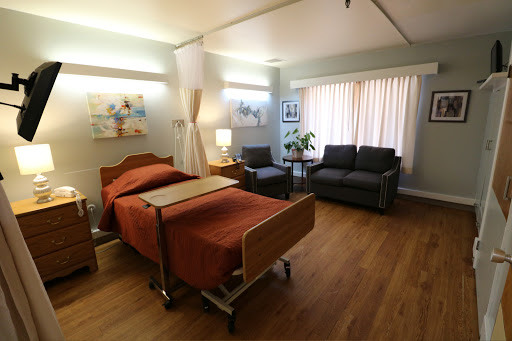
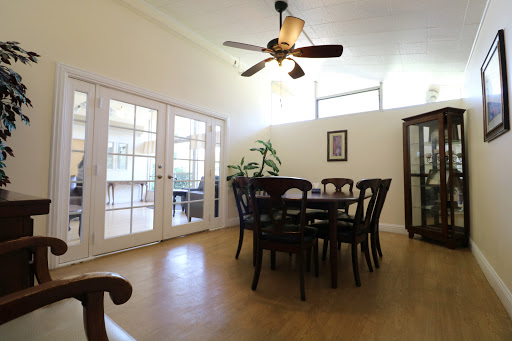
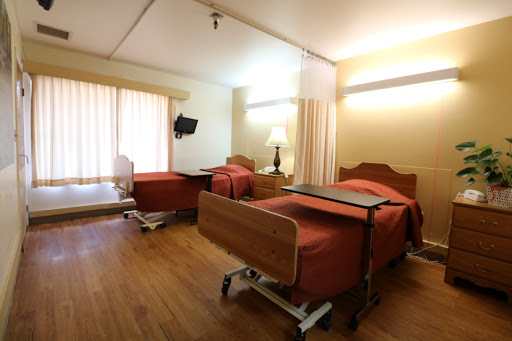
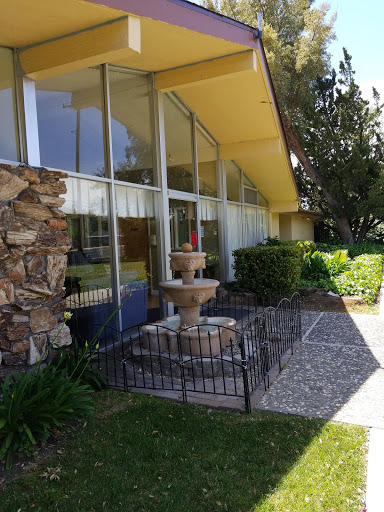
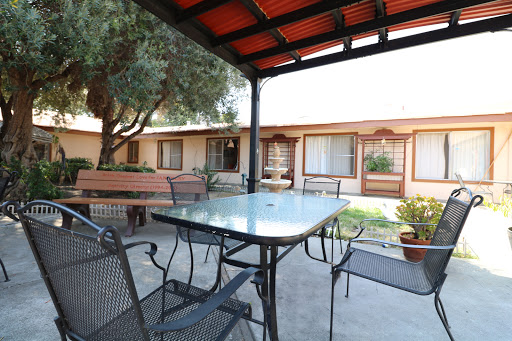
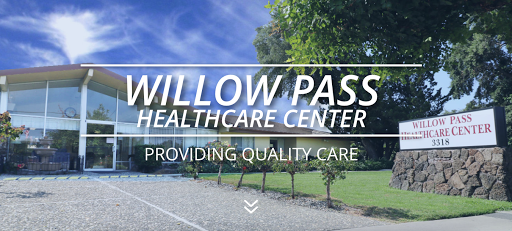
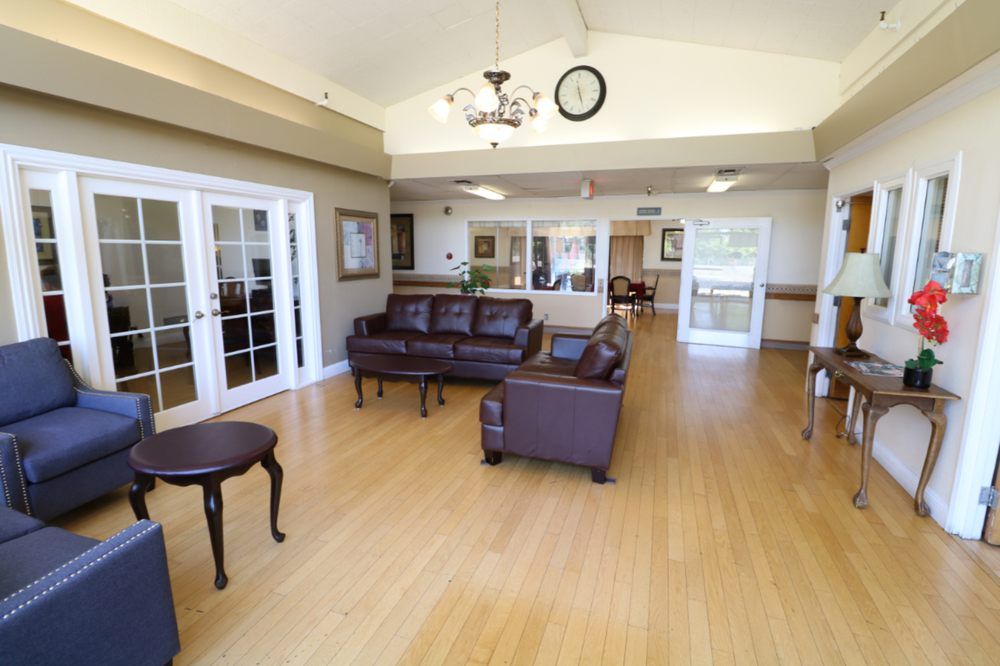
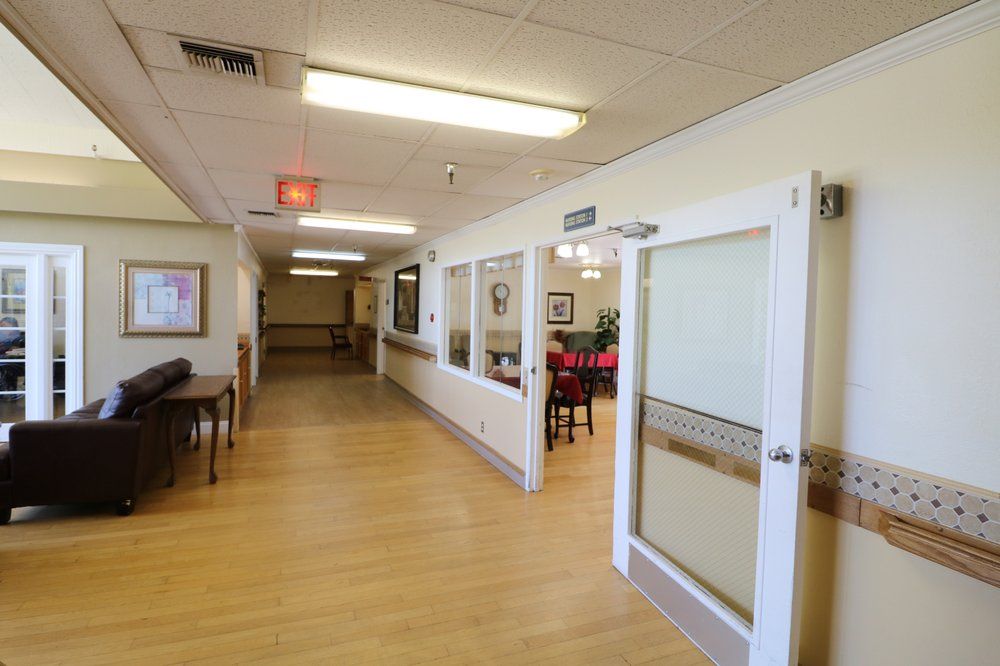
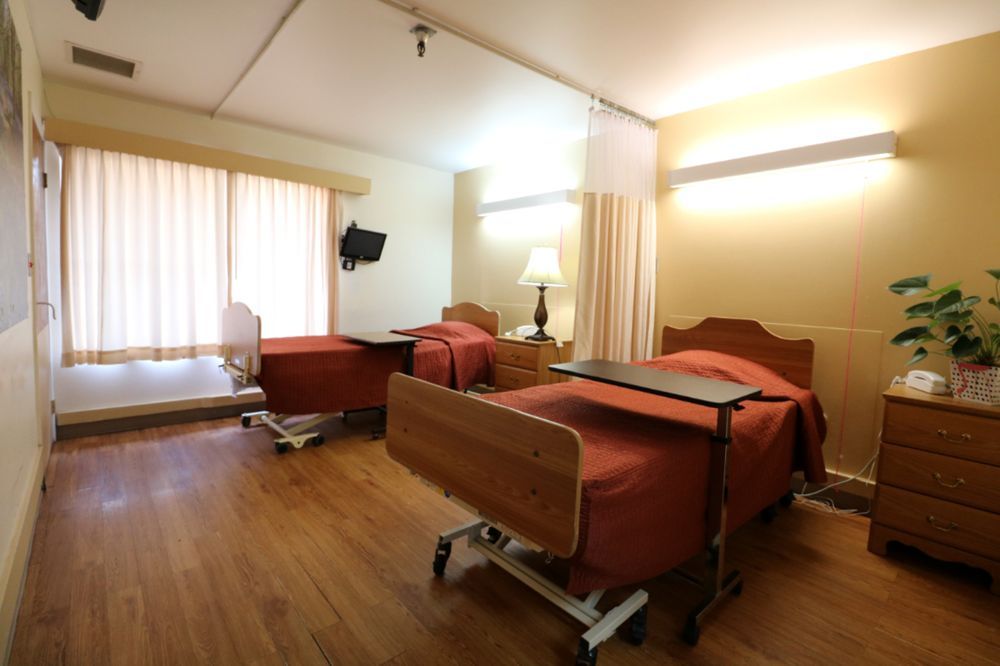
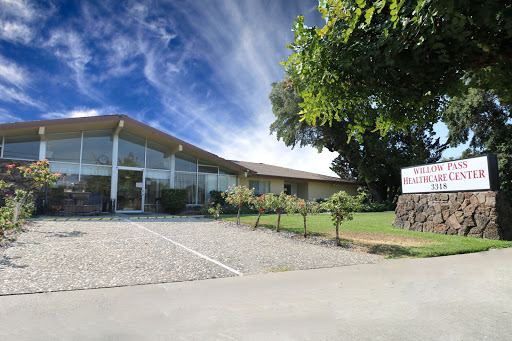
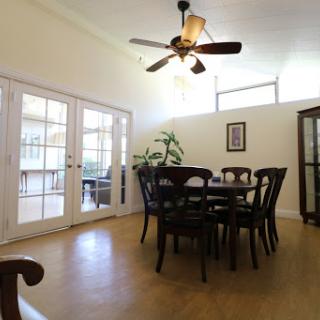
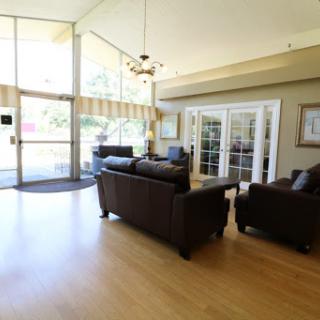
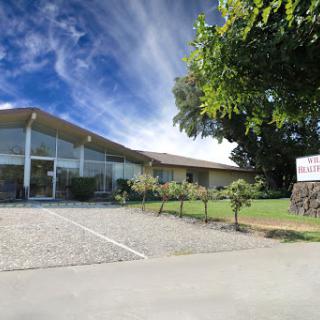
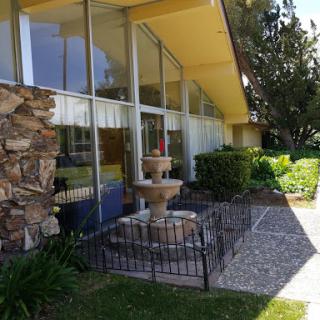
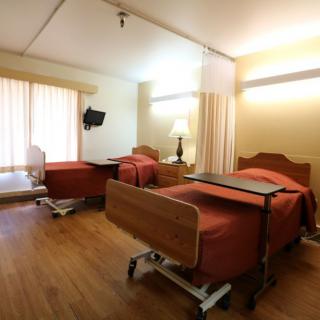
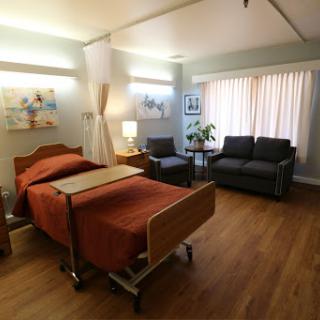
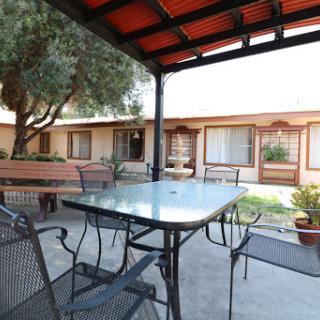
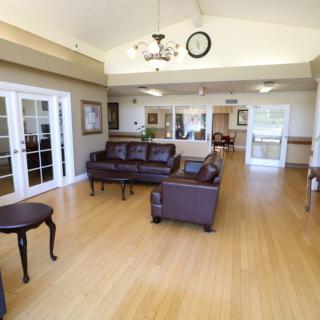
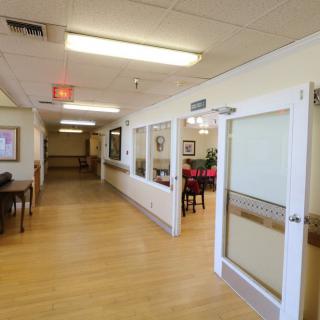
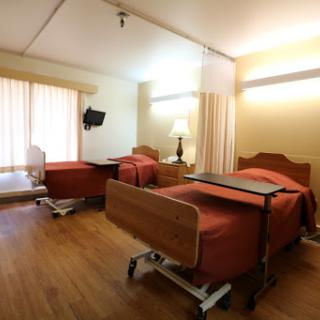
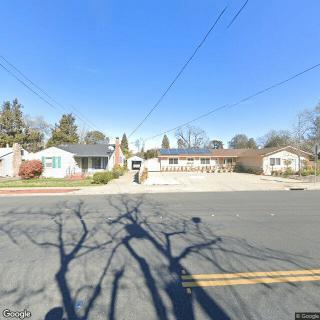
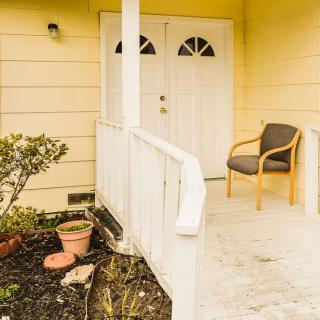
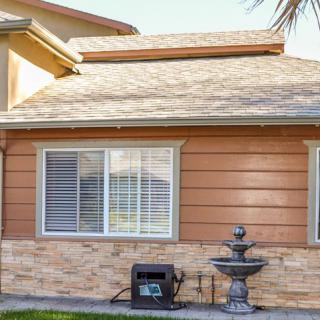
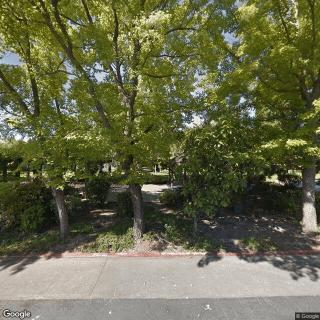
Willow Pass Healthcare Center on seniors.fyi includes 14 photos including images showing interior, healthcare, dining, lighting, landscaping, natural light, decor, bedroom, and more.
Nearby Communities
Therapeutic Residential Home
Concord, CA
2.5 from 37 reviews
Small, supportive board-and-care with 24/7 supervision and diabetes-friendly meals.
Oak Garden
Concord, CA
$2,800 / month
Private bathrooms with high acuity care at a lower cost than local averages.
Gabriel's House 1
Concord, CA
3.7 from 3 reviews
All-inclusive assisted living with 24/7 supervision, daily living support, meals, medication management, transportation, and social activities.
Walnut Villa
Concord, CA
$3,500 / month
Affordable private room with comprehensive care.
Penny's Guest Homes (Billings)
Concord, CA
5 from 3 reviews
$2,500 to $3,000 / month
Personalized, compassionate care in a clean, home-like setting.
New Haven
Concord, CA
3.7 from 3 reviews
24-hour supervision with comprehensive daily living support and transportation.
Welcome Home Senior Residence(Concord)
Concord, CA
4.4 from 5 reviews
$7,000 to $8,000 / month
Friendly, attentive staff in a clean, well-run facility with comprehensive on-site care options.
Walnut Creek Manor
Walnut Creek, CA
4.4 from 116 reviews
$814 to $1,127 / month
Affordable pricing in a central Walnut Creek location.
Carlton Senior Living Pleasant Hill - Martinez
Pleasant Hill, CA
4.4 from 58 reviews
$3,895 to $7,000 / month
Friendly staff, engaging activities, clean facilities, and quality dining.
The VA Aid and Attendance program offers financial assistance to veterans needing help with daily activities due to health issues, available through a pension for low-income wartime veterans or an allowance for 100% disabled individuals. Eligibility depends on medical documentation of care needs and navigating guidelines about income and service history, with funds being usable for various healthcare-related expenses.
Linda's caregiving journey for her elderly mother, Joan, is marked by deep love and challenges as she navigates health changes, emotional support, and practical arrangements while learning to prioritize self-care and utilize community resources. Their evolving relationship highlights resilience and the universal themes of empathy and preparedness in caregiver experiences.
Get PricingAsk A QuestionSchedule A TourContact Senior Advisor
By clicking submit, you agree to our Partner's Terms of Use. You
also consent to receive calls and texts, which may be autodialed, from our Partner. Your consent is not a condition to
using our Partner's service. Please visit our Partner's Privacy Policy for information about their privacy practices.

 81 resident community capacity
 Skilled Nursing Facility
 Air-conditioning
 Beauty salon
 Cable or satellite TV
 Computer center
 Dining room
 Fitness room
 Fully furnished
 Gaming room
 Garden
 Housekeeping services
 Kitchenette
 Move-in coordination
 Outdoor space
 Private bathrooms
 Restaurant-style dining
 Small library
 Telephone
 Wellness center
 Wi-Fi/high-speed internet available
 Metropolitan Oakland International (21 miles away)
 Community operated transportation
 12-16 hour nursing
 24-hour call system
 Activities of daily living assistance
 Assistance with bathing
 Assistance with dressing
 Assistance with transfers
 Diabetes diet
 Medication management
 Mental wellness program
 Special dietary restrictions
 Concierge services
 Planned day trips
 Small, supportive board-and-care with 24/7 supervision and diabetes-friendly meals.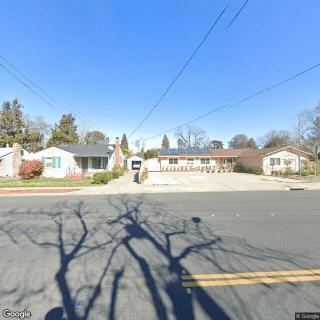
 In-Depth Look at the VA Aid and Attendance Program
 Nurturing Our Loved Ones: A Daughter's Journey in Caring for Her Mother
 Nurturing Our Elders: Linda's Journey of Supporting Her Mother