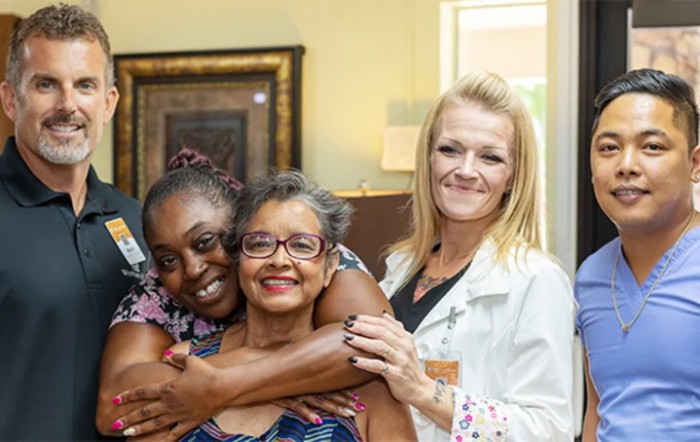
Residents and families frequently describe staff as caring, attentive, and helpful.
Across many reviews, families praise the staff for treating residents with respect and showing compassion. Several also mention nurses and CNAs checking in regularly, communicating with families, and helping with day-to-day needs. A few reviews also describe moments where help felt delayed or care instructions were not followed, but most comments emphasize strong support during recovery and transitions.
common18 reviews mention this
Cleaning and overall upkeep are praised
Many reviewers say the facility is clean and well kept.
Multiple reviews highlight cleanliness, describing spotless conditions and rooms being cleaned daily. Visitors also mention the building being well maintained, organized, and free of noticeable bad smells. While a few critical reviews raise hygiene or cleanliness concerns, the overall feedback repeatedly returns to cleanliness as a positive part of the stay.
differentiator20 reviews mention this
PT and OT support recovery
Rehabilitation therapy is a frequent reason families recommend Whitney Oaks.
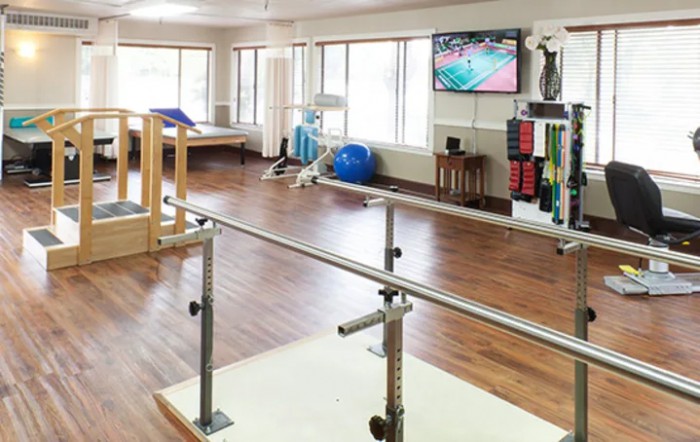
Reviews commonly connect improvements in mobility and recovery to physical and occupational therapy. Several residents and families describe PT/OT as professional and dedicated, with some specifically referencing progress after events like a stroke or hip recovery. Even when other parts of care were criticized, many still singled out the therapy team as a standout during rehab.
caveat6 reviews mention this
Food quality gets mixed feedback
Dining quality is mixed, with both praise and concerns in reviews.
Some reviews say the food was excellent and that kitchen staff accommodated special requests, including puréed diets. Others report dissatisfaction, including complaints about taste and issues with following dietary restrictions. There are also accounts describing medication and nutrition routines not going as planned, which ties into how reviewers view meals as part of overall care.
caveat16 reviews mention this
Communication and staffing concerns recur
Some families report difficulties getting timely help or reaching the facility by phone.
A recurring concern is communication—several reviews describe trouble reaching staff by phone, or not being updated when families expected contact. A number of critiques also mention unresponsive call buttons, rushed care, or times when help felt less reliable. On the other hand, many reviews describe strong communication and quick assistance, so experiences appear inconsistent across stays and situations.
common2 reviews mention this
Restaurant-style dining is offered
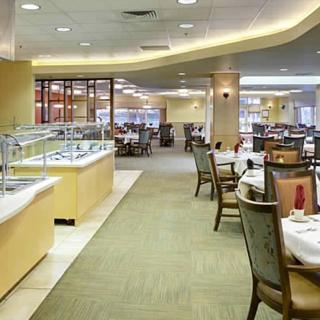
The community offers restaurant-style dining.
The facility is set up for restaurant-style dining, and some reviewers describe meals as part of daily routines during their stays. Reviews also note that diet plans and special needs come into play, with some residents receiving puréed preferences and others expressing frustration when restrictions were not met.
How we summarize
Counts show how many written reviews mention each theme; a review can touch several themes, and only frequently mentioned themes are displayed.
Features
Housing
126 resident community capacity
Types of Care
Skilled Nursing Facility
Amenities
Air-conditioning
Beauty salon
Cable or satellite TV
Computer center
Dining room
Fitness room
Fully furnished
Gaming room
Garden
Guasts at mealtime
Housekeeping services
Kitchenette
Move-in coordination
Outdoor space
Private bathrooms
Resident parking
Restaurant-style dining
Small library
Telephone
Wellness center
Wi-Fi/high-speed internet available
Transportation
Sacramento International (14 miles away)
Community operated transportation
Transportation arrangement
Transportation arrangement (non-medical)
Transportation to doctors appointments
Care Services
12-16 hour nursing
24-hour call system
24-hour supervision
Activities of daily living assistance
Assistance with bathing
Assistance with dressing
Assistance with transfers
Diabetes diet
Meal preparation and service
Medication management
Mental wellness program
Special dietary restrictions
Dining
Diabetes diet
Special dietary restrictions
Activities
Community-sponsored activities
Concierge services
Fitness programs
Planned day trips
Resident-run activities
Scheduled daily activities
Nearby Places of Interest
Hospitals
Walnut Whitney (0 miles)
San Juan Surgery Center (3.3 miles)
Greater Sacramento Surgery Center (3.5 miles)
Sacramento VA Medical Center (4.8 miles)
Parks
Mission North Park (0.5 miles)
Carmichael Park (0.9 miles)
Ancil Hoffman Park (1.3 miles)
Effie Yeaw Nature Center (2.1 miles)
William B Pond Recreation Area (2.7 miles)
Freedom Park (3.9 miles)
Sacramento Bar (4 miles)
Pharmacies
CVS Pharmacy (0.7 miles)
Rite Aid (1.2 miles)
Rite Aid (1.3 miles)
Walgreens (1.3 miles)
Save Mart Supermarkets (1.8 miles)
Raley's Pharmacy (2.2 miles)
Walgreens (2.6 miles)
Places of Worship
Slavic SDA Church (0.8 miles)
Crossroads Christian Fellowship Wesleyan Church (3.2 miles)
SDA Ukrainian Church (3.2 miles)
St Mel's Catholic Church (4.2 miles)
Cafes
Starbucks (1.1 miles)
Dutch Bros Coffee (1.6 miles)
Starbucks (3.2 miles)
Dutch Bros Coffee (3.9 miles)
KP International Market (4.1 miles)
Starbucks (4.5 miles)
Dutch Bros Coffee (4.6 miles)
Restaurants
Chick-Fil-A (2.2 miles)
In-N-Out Burger (2.2 miles)
McDonald's (2.3 miles)
Taco Bell (2.4 miles)
Pho Fresh (3.3 miles)
McDonald's (3.9 miles)
Leatherby's Family Creamery (4 miles)
Theaters
Country Club Cinema (2.3 miles)
Century Theatre (3.6 miles)
Physicians
Alocozy, M Nadir MD: M Nadir Alocozy, MD (2.6 miles)
Mercy San Juan Hospital (3.3 miles)
UC Davis Medical Group (4 miles)
EYEcenter Optometric (4.3 miles)
Dr. Randolph Brown (4.5 miles)
UC Davis Medical Group - Rancho Cordova (4.5 miles)
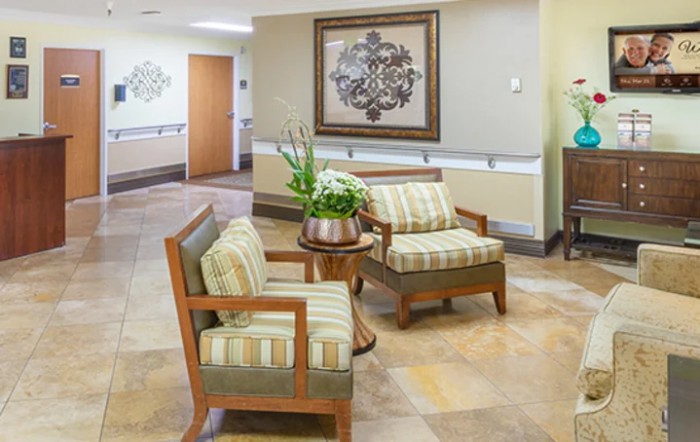
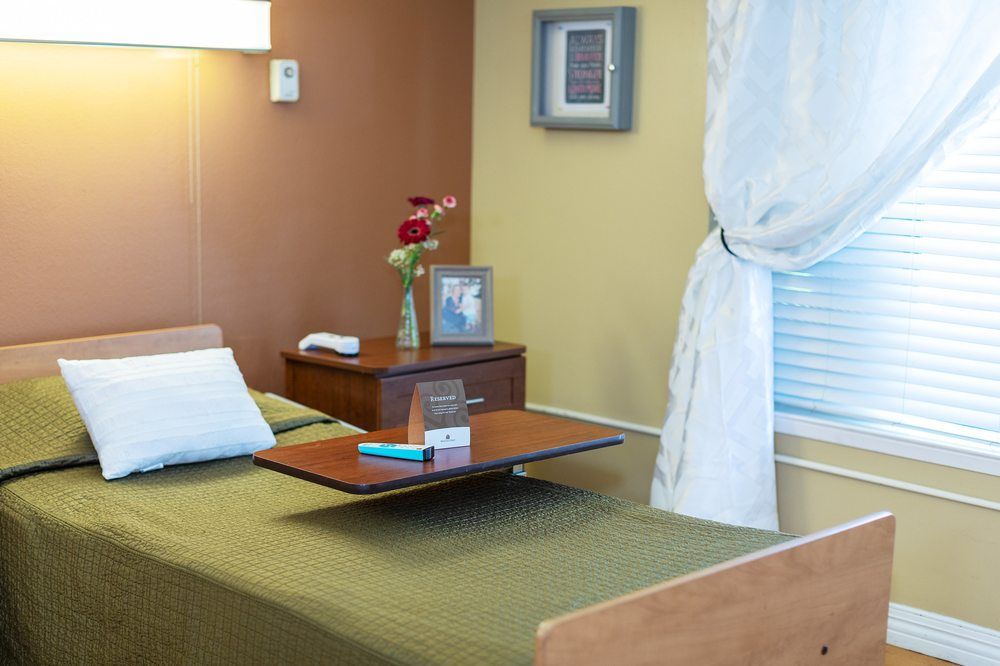
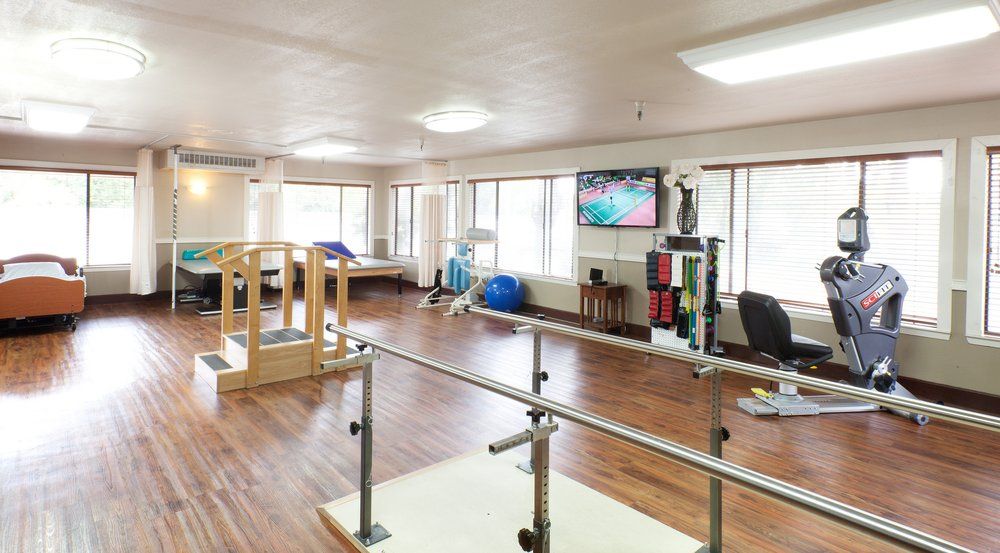
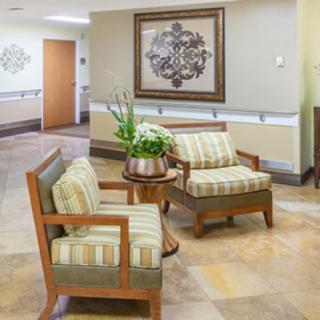
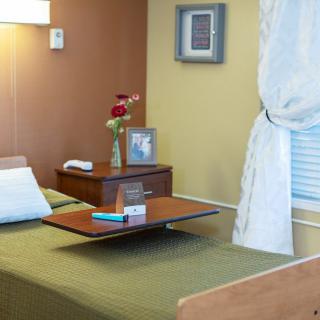
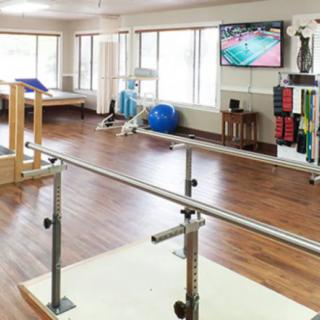
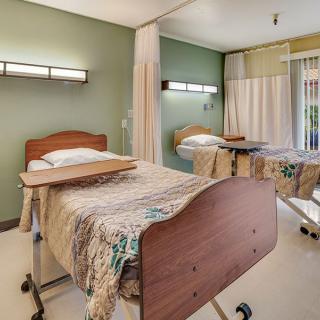
Whitney Oaks Care Center on seniors.fyi includes 9 photos including images showing interior, exercise equipment, physical therapy, television, windows, gym, seating, decor, and more.
Nearby Communities
Walnut House
Carmichael, CA
3.9 from 46 reviews
$2,010 to $3,030 / month
Friendly staff, good meals, and a clean, homelike environment.
Sue's Goldin Care Home 3
Carmichael, CA
4.6 from 9 reviews
Intimate, small-capacity home with personalized care and comprehensive support plus convenient amenities.
Weight training is vital for seniors to maintain muscle mass, bone density, and overall health, combating age-related declines through customized resistance exercises that enhance balance and well-being. Safe routines should start with realistic goals and proper form, while emphasizing gradual progress and consultations with healthcare providers to ensure safety and effectiveness.
The Sandwich Generation comprises adults managing the dual responsibilities of caring for aging parents and raising children, leading to significant emotional, logistical, and financial challenges. This situation is exacerbated by longer life expectancies and cultural expectations, necessitating effective coping strategies and support resources to alleviate caregiver stress and burnout.
The article highlights eight essential assistive devices that improve the independence and safety of older adults, addressing issues related to mobility, balance, vision, hearing, and dexterity. It emphasizes the importance of proper selection guided by healthcare professionals to enhance seniors' quality of life while allowing them to age in place.
Get PricingAsk A QuestionSchedule A TourContact Senior Advisor
By clicking submit, you agree to our Partner's Terms of Use. You
also consent to receive calls and texts, which may be autodialed, from our Partner. Your consent is not a condition to
using our Partner's service. Please visit our Partner's Privacy Policy for information about their privacy practices.






 126 resident community capacity
 Skilled Nursing Facility
 Air-conditioning
 Beauty salon
 Cable or satellite TV
 Computer center
 Dining room
 Fitness room
 Fully furnished
 Gaming room
 Garden
 Housekeeping services
 Kitchenette
 Move-in coordination
 Outdoor space
 Private bathrooms
 Resident parking
 Restaurant-style dining
 Small library
 Telephone
 Wellness center
 Wi-Fi/high-speed internet available
 Sacramento International (14 miles away)
 Community operated transportation
 12-16 hour nursing
 24-hour call system
 Activities of daily living assistance
 Assistance with bathing
 Assistance with dressing
 Assistance with transfers
 Diabetes diet
 Medication management
 Mental wellness program
 Special dietary restrictions
 Concierge services
 Planned day trips
 Friendly staff, good meals, and a clean, homelike environment.

 Weight Training for Seniors: Building Strength and Vitality
 Understanding the Sandwich Generation: Stress and Responsibilities for Multigenerational Caregivers
 8 Essential Assistive Devices for Older Adults