Sue's Goldin Care Home 3 in Carmichael, CA

Information last verified:

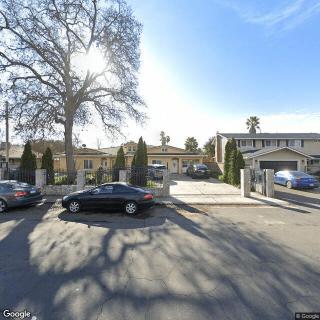
3431 Palestine Lane, Carmichael, CA 95608

For more information about senior living options: (844) 490-3973

4.6 from 9 reviews
5 stars
8
4 stars
0
3 stars
0
2 stars
0
1 stars
1

Overall Review of Sue's Goldin Care Home 3

Pros

  • pro Ms. Simpson is wonderful to all six clients, provides meals and cleanup, and ensures each client’s hair is combed; she is described as an angel.
  • pro Elena at Golden Age Care Home is caring and compassionate, and the home is clean, warmly decorated, and comfortable.
  • pro The owner of Golden Age Care Home is loving, caring, and compassionate, described as a very beautiful person, and the home feels like a true home where the mother is at peace and thriving.
  • pro Golden Age Home Care has been a reliable home for over four years, with Elena and her staff outstanding in their care.
  • pro The care at Golden Age Care Home is outstanding, and families feel their loved ones receive the same love and care they had provided previously.
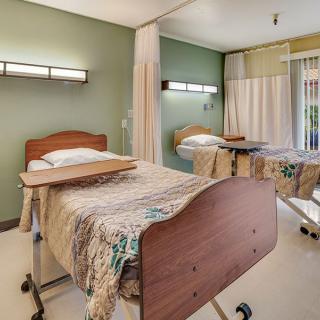
  • pro The six-bed facility ensures each roommate is well taken care of, with families able to mingle with others—an added bonus.
  • pro The family highly recommends Golden Age Care Home for anyone needing board-and-care for a loved one.

Review

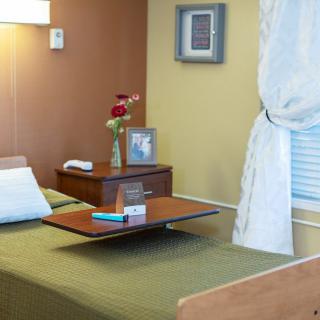
This community is best suited for families seeking a truly intimate, home-like assisted living experience for a loved one who benefits from exceptionally personalized care. With only six beds, the operation functions like a small, family-run home where caregivers know each resident’s routines, preferences, and daily quirks. The standout is the level of hands-on attention from a tightly knit team, including the dedicated caregiving presence of Ms. Esther Simpson, who tends to grooming, meals, and the small comforts that make a resident feel valued. The environment is clean, warmly decorated, and deliberately comfortable, supporting a sense of peace and belonging that large facilities often struggle to reproduce.

Those considering alternatives should note who may not be the right fit. Residents with complex medical needs that require constant skilled nursing oversight, or those needing robust memory-care programming and highly structured activities, will likely fare better in a larger facility with dedicated medical staffing and a wider range of specialized services. Families pursuing aggressive medical management, frequent physician coordination, or a highly schedule-driven activity calendar may find the pace and scope at a six-bed home insufficient. For these situations, facilities designed specifically for skilled nursing or memory care offer the level of clinical infrastructure that such needs demand.

The strongest pros, the intimate setting, consistent caregiver attention, and a warm, family-like atmosphere, offer clear advantages that counterbalance potential drawbacks. The small scale enables staff to tailor care to each resident, monitor health signals quickly, and respond with a depth of familiarity that promotes emotional well-being. The owner, Elena, is repeatedly described as loving, caring, and accessible, which translates into reliable communication with families and a sense that the home truly honors individual preferences. The positive observations about grooming, meal preparation, and social integration among the residents underscore a level of daily life that many families prize in a home setting. These factors collectively create safety, predictability, and emotional resilience that larger campuses often miss.

However, the main trade-off is the limited capacity and the correspondingly tighter staffing bandwidth. With only six beds, openings depend on turnover, and the ability to scale care for higher-need residents is naturally constrained. This environment also tends to emphasize warmth and routine over expansive programming; families should temper expectations about elaborate activity calendars or rapid access to specialty services. One star in the review pool signals that a less-than-ideal experience can occur, reinforcing the need for prospective families to verify current staffing levels, confirm around-the-clock availability for urgent needs, and inquire about how medical coordination is handled when health requirements intensify.

In care delivery terms, the anecdotes from families reflect meaningful outcomes: residents are not simply housed but treated with dignity, hair brushed, clothes tidy, meals thoughtfully provided, and the sense that “home” remains central to daily life. The six-resident model appears to foster a social microcosm where roommates and their families mingle, contributing to emotional support networks that can be invaluable for aging in place. A queasy balance remains between intimate, person-centered care and the risk of becoming overwhelmed if medical complexity increases. The occasional doctor’s positive feedback noted by families provides a critical external touchpoint that can reassure prospective residents about the care quality.

Bottom-line guidance centers on fit. This community excels for seniors who want a genuinely homey, attentive setting where care is highly personalized, relationships feel like family, and quiet daily rhythms replace the bustle of a larger campus. It is less appropriate for those needing constant clinical supervision, extensive memory-care programs, or a broad menu of high-intensity activities. Prospective families should schedule a direct visit, observe caregiver interactions, meet Elena and the lead staff, and ask pointed questions about staffing coverage, contingency plans for medical emergencies, and the process for onboarding new residents. For the right elder, this intimate sanctuary delivers reassurance, peace of mind, and the kind of daily attentiveness that makes the choice of care feel like a natural extension of home.

Features

Housing

  • 6 resident community capacity 6 resident community capacity

Types of Care

  • Assisted Living Assisted LivingAssisted living facilities provide crucial support and care for seniors who may need help with daily tasks such as medication management, bathing, and meal preparation. These communities offer a safe and comfortable environment where seniors can maintain their independence while receiving the assistance they need to thrive in their golden years.
  • Board and Care Home Board and Care HomeBoard and care homes provide a smaller, more intimate setting for seniors who require assistance with daily tasks but do not need the level of care offered by a nursing home. They offer personalized care, meals, and social activities in a homelike environment, ensuring that seniors receive individualized attention and support in their golden years.
  • Respite Care Respite CareRespite care provides temporary relief for caregivers, allowing them to recharge and attend to their own needs. It also gives seniors the opportunity to socialize, receive professional care, and experience a change of scenery, promoting overall well-being and reducing feelings of isolation.

Amenities

  • Cable or satellite TV Cable or satellite TVCable or satellite TV is important for seniors because it provides entertainment, news, and companionship, helping to combat loneliness and boredom. It also offers a wide range of programming options tailored to different interests and preferences.
  • Dining room Dining roomDining rooms are important for seniors as they provide a space for socialization, connection, and nutritious meals. They offer opportunities for residents to bond over shared meals, foster a sense of community, and promote healthy eating habits. Dining rooms also ensure that seniors have access to well-balanced meals tailored to their dietary needs and preferences.
  • Fully furnished Fully furnishedFully furnished senior living communities are important for seniors because they provide convenience, comfort, and a hassle-free moving experience. Seniors can easily settle into their new living space without the stress of having to buy and move furniture. This allows them to focus on enjoying their new home and community.
  • Garden GardenGardens are important for seniors as they provide a peaceful and therapeutic environment for relaxation, physical activity, and socialization. Being in nature has been shown to reduce stress, improve mood, and promote overall well-being. Gardens also offer opportunities for seniors to engage in gardening activities, which can improve mobility, flexibility, and cognitive function. Additionally, gardens create a sense of community and connection with others who share a passion for plants and outdoor spaces.
  • Housekeeping services Housekeeping servicesHousekeeping services are important for seniors because they help maintain a clean and safe living environment, promote independence, and reduce the risk of accidents or illnesses. Additionally, having assistance with household chores can alleviate physical strain and allow seniors to focus on other aspects of their well-being.
  • Move-in coordination Move-in coordinationMove-in coordination is important for seniors because it helps ease the transition into their new living environment. It ensures that all logistics, such as packing, organizing movers, and setting up utilities are taken care of, allowing seniors to focus on settling in and adjusting to their new home. Having a smooth move-in process can alleviate stress and anxiety, making the transition smoother and more enjoyable for seniors.
  • Outdoor space Outdoor spaceOutdoor spaces are important for seniors as they provide opportunities for physical activity, social interaction, exposure to natural light and fresh air, and a sense of connection to nature. Having access to outdoor spaces can improve overall well-being and quality of life for older adults living in senior communities.
  • Telephone TelephoneTelephones are important for seniors as they provide a lifeline for communication with loved ones, emergency services, and healthcare providers. They offer a sense of security and independence, enabling seniors to stay connected and access assistance when needed.
  • Wi-Fi/high-speed internet available Wi-Fi/high-speed internet availableWi-Fi/high-speed internet is important for seniors to stay connected with loved ones, access online resources, and participate in virtual activities to combat feelings of loneliness and isolation. It also allows them to easily manage healthcare needs, access entertainment, and engage in lifelong learning opportunities.

Transportation

  • Sacramento International (14 miles away) Sacramento International (14 miles away)

Care Services

  • 24-hour supervision 24-hour supervision24-hour supervision is important for seniors to ensure their safety, well-being, and access to immediate assistance in case of emergencies or health issues. This constant support provides peace of mind for both seniors and their loved ones, allowing them to age in place with dignity and security.
  • Activities of daily living assistance Activities of daily living assistanceActivities of daily living assistance are important for seniors because they provide essential support with tasks such as eating, bathing, dressing, and mobility. This assistance helps seniors maintain their independence, dignity, and overall quality of life as they age.
  • Assistance with bathing Assistance with bathingAssistance with bathing is crucial for seniors as it helps maintain personal hygiene, prevents infections, and ensures their overall well-being and comfort. It also provides a sense of dignity and independence for seniors who may struggle with this task on their own.
  • Assistance with dressing Assistance with dressingAssistance with dressing is important for seniors because it helps maintain their independence, promotes personal hygiene, prevents accidents and injuries, and improves overall quality of life. This service ensures that seniors can continue to dress comfortably and confidently, despite any physical limitations they may have.
  • Assistance with transfers Assistance with transfersAssistance with transfers is crucial for seniors as it helps prevent falls and injuries, maintains their independence, and ensures they can safely navigate their living environment. It also provides peace of mind for both seniors and their loved ones.
  • Coordination with health care providers Coordination with health care providersCoordination with health care providers is crucial for seniors to ensure proper medical care, medication management, and overall well-being. This collaboration helps prevent overlapping treatments, track progress more effectively, and provide comprehensive support tailored to individual needs.
  • Diabetes diet Diabetes dietA diabetes diet is crucial for seniors as it helps manage blood sugar levels, reduce risks of complications, and improve overall health and well-being. By following a balanced and nutritious diet tailored to their specific needs, seniors can better control their diabetes and enhance their quality of life.
  • Meal preparation and service Meal preparation and serviceMeal preparation and service are crucial for seniors as they may have limited mobility or energy to cook nutritious meals. Having access to healthy and convenient food options can ensure they are getting the proper nutrition needed to maintain their overall health and well-being.
  • Medication management Medication managementMedication management is crucial for seniors to ensure they are taking the right medications at the correct dosages and times. This helps prevent adverse drug interactions, reduces the risk of medication errors, and promotes overall health and well-being. Proactive management also allows for adjustments as needed based on changing health conditions or new prescriptions.
  • Special dietary restrictions Special dietary restrictionsSpecial dietary restrictions are important for seniors because age-related changes in metabolism and health conditions can make it difficult for their bodies to process certain foods. By following a diet tailored to their specific needs, seniors can maintain their overall health and well-being, manage chronic conditions, and reduce the risk of complications such as malnutrition or food interactions with medications.
  • Transportation arrangement (medical) Transportation arrangement (medical)Transportation arrangements for medical purposes are essential for seniors as they may have difficulty driving themselves to appointments or accessing public transportation. Having reliable and safe transportation options ensures that seniors can receive timely medical care and maintain their health and well-being.
  • Transportation to doctors appointments Transportation to doctors appointmentsTransportation to doctors' appointments is crucial for seniors as it ensures they have access to necessary medical care and support for their health needs. Without reliable transportation, seniors may struggle to attend important appointments, leading to potential delays in treatment and health complications. Providing transportation services helps seniors maintain their overall well-being and quality of life.

Dining

  • Diabetes diet Diabetes dietA diabetes diet is crucial for seniors as it helps manage blood sugar levels, reduce risks of complications, and improve overall health and well-being. By following a balanced and nutritious diet tailored to their specific needs, seniors can better control their diabetes and enhance their quality of life.
  • Special dietary restrictions Special dietary restrictionsSpecial dietary restrictions are important for seniors because age-related changes in metabolism and health conditions can make it difficult for their bodies to process certain foods. By following a diet tailored to their specific needs, seniors can maintain their overall health and well-being, manage chronic conditions, and reduce the risk of complications such as malnutrition or food interactions with medications.

Activities

  • Community-sponsored activities Community-sponsored activitiesCommunity-sponsored activities are important for seniors as they provide opportunities for social interaction, mental stimulation, and physical activity. These activities can help improve overall well-being, combat loneliness and isolation, and promote a sense of belonging and purpose among older adults.
  • Scheduled daily activities Scheduled daily activitiesScheduled daily activities are important for seniors because they provide structure, socialization, mental stimulation, and physical activity. Engaging in regular activities can improve overall well-being and quality of life for seniors living in a community setting.

Description

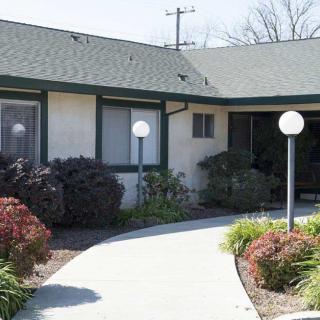
Sue's Goldin Care Home 3, located in the charming town of Carmichael, CA, offers a warm and inviting environment for residents seeking comfort and care. Specializing in both Board and Care services as well as Respite Care, this community is designed to cater to the unique needs of each individual.

Residents can enjoy a variety of amenities that enhance their quality of life, including a spacious dining room, fully furnished living areas, and beautifully maintained gardens. The home also features outdoor spaces perfect for relaxation or socializing with friends and family. Additional conveniences such as housekeeping services, move-in coordination support, telephone access, and high-speed Wi-Fi ensure that residents have everything they need for a comfortable stay.

Care services at Sue's Goldin Care Home 3 are tailored to support the activities of daily living. Dedicated staff provides assistance with bathing, dressing, transfers, medication management, and meal preparation while accommodating special dietary restrictions, ensuring that each resident’s personal health needs are met with compassion and expertise. Coordination with healthcare providers allows for seamless communication regarding medical care.

The community promotes an active lifestyle through scheduled daily activities that engage residents mentally and socially. Transportation arrangements for medical appointments further enhance residents' independence while ensuring they receive necessary care.

For those looking to explore outside the home context, Sue's Goldin Care Home 3 boasts an excellent location near numerous amenities including cafes, parks for leisurely strolls or picnics, pharmacies for quick access to medications, restaurants offering diverse cuisines, places of worship for spiritual gatherings or reflection, theaters for entertainment options, and hospitals in close proximity in case additional medical attention is required.

At Sue's Goldin Care Home 3 in Carmichael, residents find not only a place to live but a nurturing community dedicated to enhancing their well-being and quality of life through personalized care and enriching experiences.

Nearby Places of Interest

Hospitals

  • Walnut Whitney (0.2 miles)
  • San Juan Surgery Center (3.3 miles)
  • Greater Sacramento Surgery Center (3.7 miles)
  • Sacramento VA Medical Center (4.6 miles)

Parks

  • Mission North Park (0.6 miles)
  • Carmichael Park (0.7 miles)
  • Ancil Hoffman Park (1.1 miles)
  • Effie Yeaw Nature Center (1.9 miles)
  • William B Pond Recreation Area (2.5 miles)
  • Sacramento Bar (3.9 miles)
  • Freedom Park (4.1 miles)

Pharmacies

  • CVS Pharmacy (0.7 miles)
  • Walgreens (1.1 miles)
  • Rite Aid (1.1 miles)
  • Rite Aid (1.3 miles)
  • Save Mart Supermarkets (1.8 miles)
  • Raley's Pharmacy (2.1 miles)
  • Walgreens (2.6 miles)

Places of Worship

  • Slavic SDA Church (0.8 miles)
  • Crossroads Christian Fellowship Wesleyan Church (3.2 miles)
  • SDA Ukrainian Church (3.2 miles)
  • St Mel's Catholic Church (4.1 miles)

Cafes

  • Starbucks (0.9 miles)
  • Dutch Bros Coffee (1.7 miles)
  • Starbucks (3.2 miles)
  • Dutch Bros Coffee (3.8 miles)
  • KP International Market (3.9 miles)
  • Starbucks (4.3 miles)
  • Dutch Bros Coffee (4.7 miles)

Restaurants

  • Chick-Fil-A (2.4 miles)
  • In-N-Out Burger (2.4 miles)
  • McDonald's (2.4 miles)
  • Taco Bell (2.5 miles)
  • Pho Fresh (3 miles)
  • McDonald's (3.8 miles)
  • McDonald's (4.1 miles)

Theaters

  • Country Club Cinema (2.4 miles)
  • Century Theatre (3.7 miles)

Physicians

  • Alocozy, M Nadir MD: M Nadir Alocozy, MD (2.7 miles)
  • Mercy San Juan Hospital (3.3 miles)
  • UC Davis Medical Group (3.9 miles)
  • EYEcenter Optometric (4.1 miles)
  • Dr. Randolph Brown (4.3 miles)
  • UC Davis Medical Group - Rancho Cordova (4.3 miles)
  • Griffin & Reed Eye Care (4.7 miles)

Frequently Asked Questions

Where is Sue's Goldin Care Home 3?

Nearby Communities

  • Sue's Goldin Care Home 4

    Sue's Goldin Care Home 4

    Carmichael, CA


    pro Small, intimate 6-bed setting offering personalized care.

  • Walnut House

    Walnut House

    Carmichael, CA

    3.9 from 46 reviews
    $2,010 to $3,030 / month

    pro Friendly staff, good meals, and a clean, homelike environment.

  • North Ave Retreat

    North Ave Retreat

    Carmichael, CA

    3.7 from 3 reviews
    $3,500 / month

    pro Friendly staff and a well-kept environment with competitive county pricing.

  • Whitney Oaks Care Center

    Whitney Oaks Care Center

    Carmichael, CA

    3.9 from 119 reviews
     

    pro Strong PT/OT staff; good, individualized meals; clean, attractive facilities.

  • North Avenue Retreat

    North Avenue Retreat

    Carmichael, CA

     
    $2,995 to $3,893 / month

    pro Small, intimate community with competitive pricing and comprehensive care.

  • North Avenue Villa

    North Avenue Villa

    Carmichael, CA


    pro Small 6-bed board-and-care with personalized care, diabetes-friendly meals, and medical transportation.

  • Mission Carmichael Healthcare Center

    Mission Carmichael Healthcare Center

    Carmichael, CA

    3.1 from 73 reviews
     

    pro Some dedicated staff members genuinely care; flexible family visiting.

  • Eskaton Village Carmichael

    Eskaton Village Carmichael

    Carmichael, CA

    4.5 from 121 reviews
    $3,813 to $5,217 / month

    pro Beautiful, well-maintained campus with extensive amenities and responsive staff.

  • Oakmont Of Carmichael

    Oakmont Of Carmichael

    Carmichael, CA

    4.6 from 104 reviews
    $3,795 to $8,295 / month

    pro Warm staff, engaging activities, and a well-kept, amenity-rich community.

Related Resources

  • when to move from assisted living to nursing home8 Key Indicators That Suggest It May Be Time to Transition from Assisted Living to Skilled Nursing Care

    The transition from assisted living to skilled nursing care is often prompted by complex medical needs that assisted living cannot meet, with key indicators including frequent health declines, increased falls, severe memory issues, and caregiver burnout. Families should recognize these signs early to discuss options with healthcare providers and prepare for the emotional and logistical aspects of moving to a facility that offers comprehensive medical support.

  • active senior livingVibrant Senior Living: A Comprehensive Guide for Active Older Adults

    Vibrant Senior Living emphasizes active senior living communities that promote independence and engagement through diverse amenities and activities, fostering wellness and social interaction among older adults. These communities range from independent to assisted living, with a focus on personal growth, family involvement, financial planning, and leveraging technology to enhance residents' experiences.

  • when to move from assisted living to memory careWhen to Transition from Assisted Living to Memory Care: Key Indicators, Steps, and Finding the Right Community

    Transitioning from assisted living to memory care is driven by an individual's cognitive decline and specific needs, requiring careful evaluation of indicators like increased confusion and wandering. The process involves consulting medical professionals, researching suitable communities, considering financial and legal aspects, and ensuring effective communication for personalized care plans.