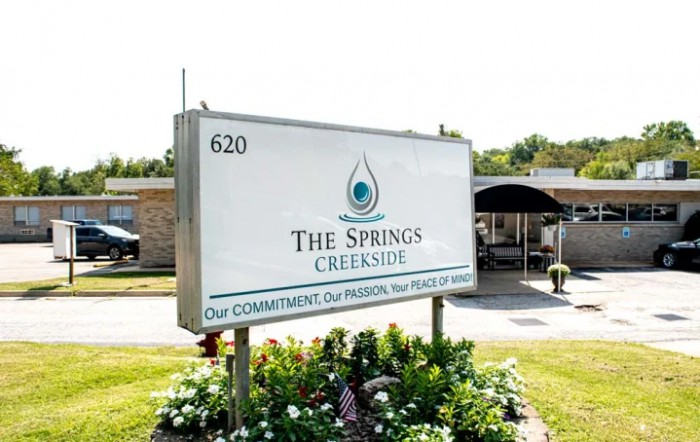
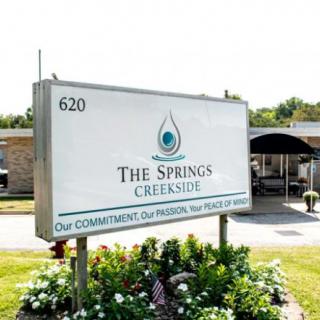
620 North Panther Avenue, Yellville, AR 72687
For more information about senior living options: (866) 208-4318
Overall Review of Community Compassion Center Of Yellville
Pros
 Creekside Health and Rehabilitation impressed the reviewer.
- The reviewer was satisfied with Creekside Health and Rehabilitation.
- The staff at Creekside Health and Rehabilitation was excellent.
- The CNAs and nurses at Creekside Health and Rehabilitation were great.
- They took very good care of the reviewer’s dad.
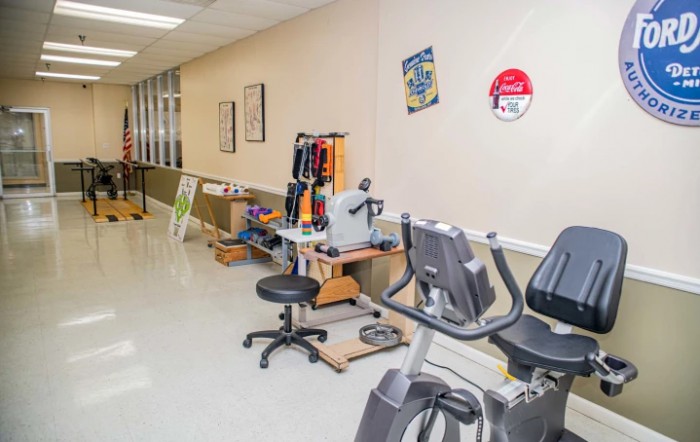
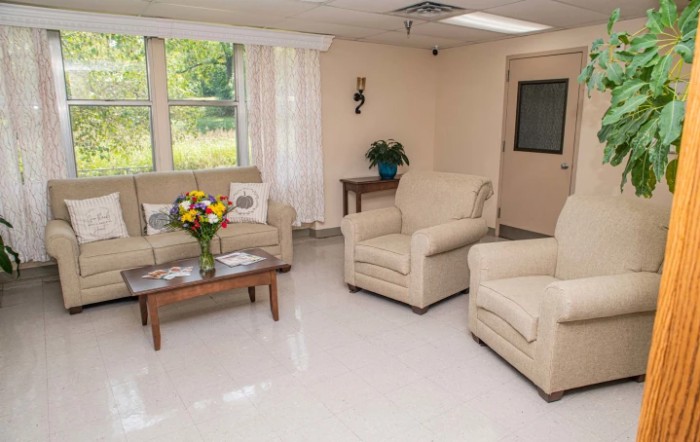
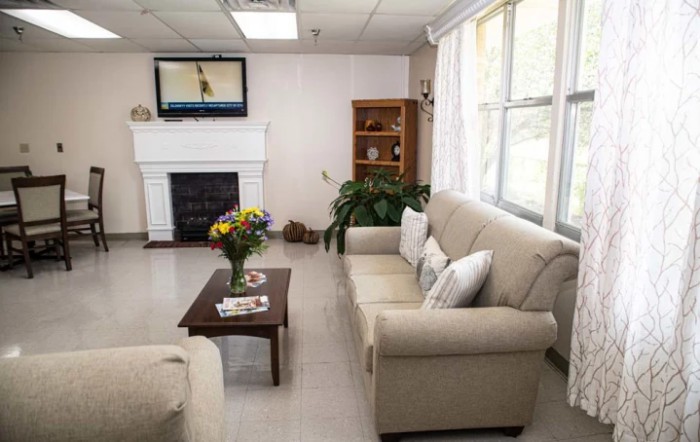
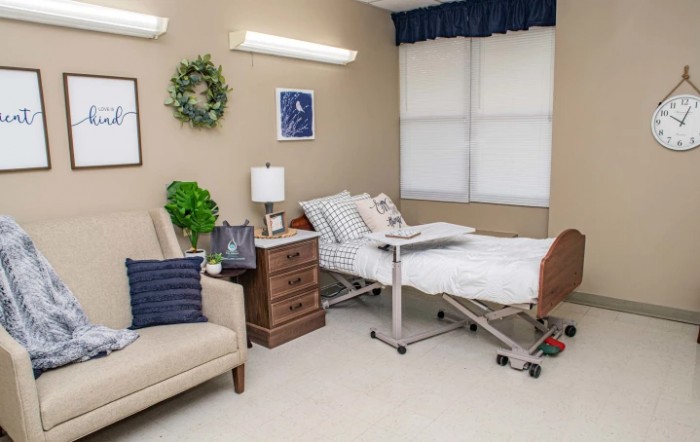
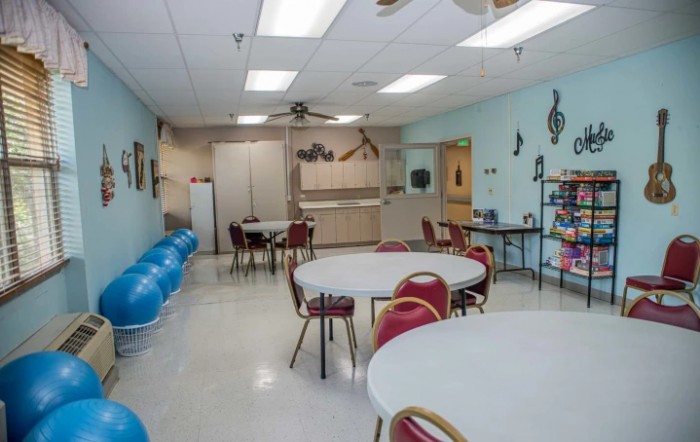
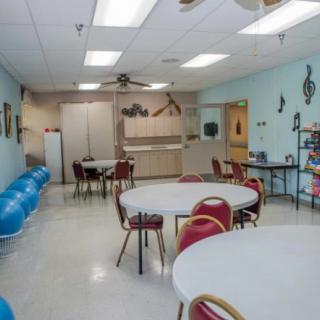
- The facility was clean and had activities.
Review
This community is best suited for families that prioritize hands-on, attentive caregiving in a small-to-medium setting where frontline staff are visible, accessible, and capable of delivering consistent daily support. The strongest signal from the available feedback is that licensed caregivers, CNAs and nurses, provide solid, reliable care, and that residents are kept in a clean, orderly environment with purposeful activity. In short, it suits seniors who want a warm, people-centered experience with regular interaction from caregiving staff and a calendar of activities that sustain engagement and routine. For families seeking a standout medical-heavy or memory-care specialization, this would be a prompt to compare options more intensely.
The main positives center on the quality of frontline care, the cleanliness of the facility, and the presence of activities that keep residents involved. When CNAs and nurses are described as excellent and attentive, that translates into practical daily benefits: timely assistance with personal care, prompt response to calls for help, and consistent monitoring of health changes. A clean setting reduces infection risk and supports comfort, while structured activities provide socialization, cognitive stimulation, and a sense of purpose. Together, these elements create a foundation for stability and a predictable routine that many families value for ongoing safety and quality of life.
There are no explicit drawbacks documented in the review, which makes it challenging to assess potential trade-offs. In practical terms, readers should still interrogate common gaps that frequently affect similar communities: the scope of medical oversight, whether specialized memory-care programming is available, the pace and portability of rehab services, and the overall cost structure. While the absence of stated cons is encouraging, it does not replace due diligence on whether the facility can meet shifting care needs, particularly if a resident requires more intensive medical management or more specialized therapeutic programming as conditions evolve. The favorable staffing and cleanliness observations, however, do offer some reassurance in these areas.
Because the data is limited to a single high rating, alternatives should be considered for families with diverse needs. If memory care or complex dementia support is a priority, explore facilities with dedicated memory-care wings, enrichment programs tailored to cognitive health, and staff trained in late-stage needs. If rehabilitation depth or post-acute medical care is important, compare therapy offerings, therapist-to-resident ratios, and the availability of 24/7 nursing oversight. For those prioritizing independence and broader activity options, larger campuses with varied social clubs, excursion possibilities, and restaurant-style dining may be worth investigating.
Practical due-diligence steps sharpen the decision: arrange a personal visit and observe the degree of staff engagement during peak hours, request a current activity calendar, and ask about the cadence of care planning meetings and family updates. Verify the resident-to-staff ratio on different shifts and probe the availability of a licensed nurse on site each day. Review meal menus for dietary flexibility and nutritional adequacy, and assess transportation options for appointments and social outings. In addition, interview several current residents or family members to gauge consistency of care and responsiveness from the leadership team.
Overall, this community appears well-suited for families who prize hands-on caregiving, a clean environment, and meaningful daily activities delivered by a capable frontline team. The lack of explicit drawbacks in the available feedback strengthens the case for a closer look, but the limited data set also cautions against overconfidence. For families whose priorities include high-level medical oversight, specialized memory-care programming, or expansive, diverse amenity offerings, it pays to compare with alternatives that explicitly foreground those capabilities. In the end, the decision hinges on matching the resident’s care needs with the facility’s demonstrated strengths in daily care, safety, and engagement.
 96 resident community capacity
 Skilled Nursing Facility
 Air-conditioning
 Beauty salon
 Cable or satellite TV
 Computer center
 Dining room
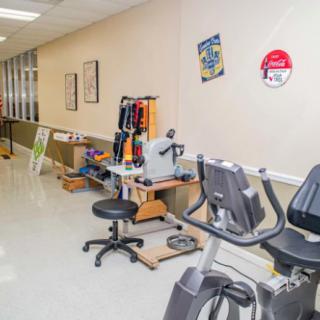
 Fitness room
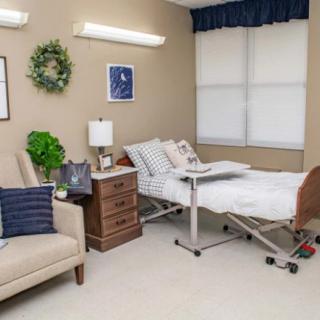
 Fully furnished
 Gaming room
 Garden
 Housekeeping services
 Kitchenette
 Move-in coordination
 Outdoor space
 Private bathrooms
 Restaurant-style dining
 Small library
 Telephone
 Wellness center
 Wi-Fi/high-speed internet available
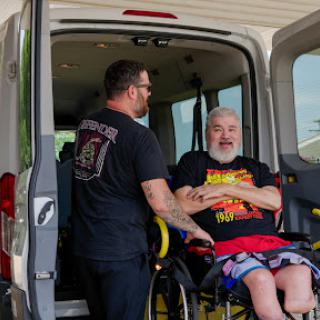
 Community operated transportation
 12-16 hour nursing
 24-hour call system
 Activities of daily living assistance
 Assistance with bathing
 Assistance with dressing
 Assistance with transfers
 Diabetes diet
 Medication management
 Mental wellness program
 Special dietary restrictions
 Concierge services
 Planned day trips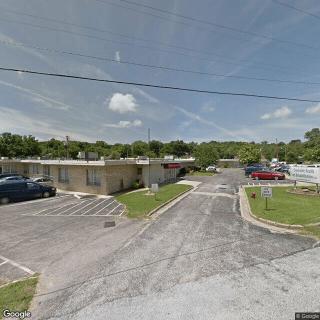




 Managing Nursing Home Expenses After Medicare Coverage Ends
 Is a Geriatric Care Manager the Right Choice for Your Family?
 Compassionate Conversations: How to Comfort Someone Who Is Grieving