
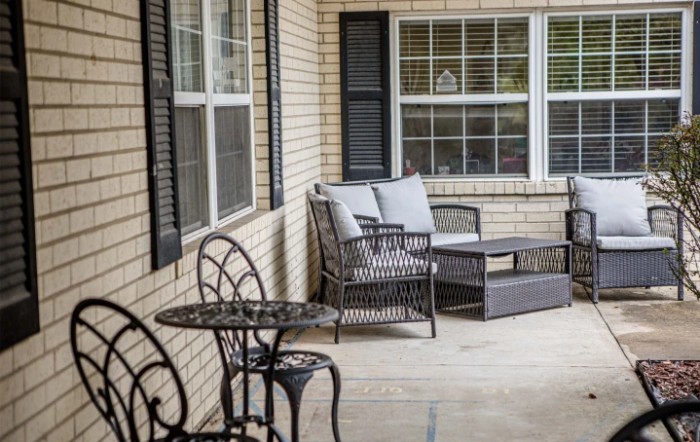







6152 Highway 202 East, Flippin, AR 72634
For more information about senior living options: (866) 208-4318
Overall Review of Twin Lakes Therapy And Living
Pros
 The staff at Twin Lakes Therapy & Living are empathetic, kind, gentle, and attentive toward residents.
- The staff are highly regarded for their quality and dedication.
- Residents are treated with respect, dignity, and love at Twin Lakes Therapy & Living.
- Families gain peace of mind knowing their loved ones are safe and well cared for by Twin Lakes staff.
- Many staff members form caring bonds with residents and check on them even when not on duty.
- The staff provide comforting support on difficult days, including hugs and reassurance.
- The facility is very clean, with good interaction between staff and residents.
- Twin Lakes Therapy & Living is described as one of the best nursing homes in the county.
Cons
 The reviewer states that Twin Lakes is not a place to send a loved one for rehab.
- Family members had to prompt staff for showers and to change bed sheets.
- Clothes were not washed or labeled, causing mix-ups.
- There was feces on the toilet lid that staff did not promptly address.
- The diuretic for the fluid on the lungs was not given, leading to pneumonia and heart failure.
- Therapy staff threatened to kick her out if she did not participate.
- After 30 days, she was sent home unable to get up or move around without supervision.
- DHS was called to inspect the home, which the reviewer described as unnecessary.
Review
Twin Lakes Therapy and Living in Flippin, Arkansas is best suited for families seeking a warm, relationship-driven environment for a loved one whose needs skew toward memory care, end-of-life support, or gentle post-acute supervision. The strongest asset across multiple reviews is the staff’s humanity: administrators, directors of nursing, nurses, CNAs, and even the housekeeping team are repeatedly described as empathic, attentive, and devoted. Residents with advanced dementia, after strokes, or neurodegenerative decline seem to benefit from a culture that prioritizes dignity, patient comfort, and meaningful daily interactions. The facility also projects a clean, safe setting with staff who know residents’ routines and preferences, reinforcing a sense of security for families leaning into long-term care rather than a brief rehab stay.
That said, this community may not be the best fit for families whose primary goal is aggressive rehabilitation or rapid medical optimization. Several reviews raise red flags about rehab-focused performance, calling into question consistency and responsiveness during acute post-acute phases. Potential residents and families should be prepared for variability in daily care execution, ranging from basic tasks like showers and laundry to timely medication administration, and should be prepared to advocate actively for explicit care plans and daily updates. For those needing strict, outcome-driven rehab progress or rigorous clinical oversight, alternative facilities with more defined post-acute protocols may offer greater reassurance.
On the positive side, the pros are tangible and meaningful. The care team’s compassion is not theoretical; families report staff who truly love the residents and treat them with respect, dignity, and personal attention. Cleanliness and a well-maintained environment appear consistently, and interactions between residents and staff are described as frequent and reassuring. For memory care and populations with dementia, the atmosphere and staff engagement often translate into calmer days, better communication with families, and predictable routines that help residents feel seen and safe. The facility’s reputation for strong staffing and a favorable CMS perception in at least some reviews further reinforces confidence that clinical oversight is present, even if experiences vary by situation.
The most troubling reports cluster around rehab and operational lapses. Some reviews describe a pattern of missed schedules (showers, bed sheets, laundry) and even critical medication omissions that led to adverse outcomes. There are accounts of friction with leadership, including a negative interaction with a head nurse and a perception that supervision or follow-through can waver on difficult days. A few stories also reference state-specific inquiries or policy confusion tied to care practices and discharge planning. Taken together, these concerns suggest a real risk for residents whose needs demand consistent, protocol-driven interventions, and they underscore the necessity of proactive family oversight, clear communication channels, and robust daily checklists when choosing this community.
Ultimately, the decision hinges on priorities. Twin Lakes stands out for families who prize a culture of compassion, stable day-to-day relational care, and reliable support for memory-impaired or end-of-life loved ones. The strengths in staff engagement, safety, cleanliness, and resident dignity can offset a lot of hesitancy for those focused on personal connection and emotional well-being. However, for anyone whose loved one requires intensive rehab services, rapid response to clinical changes, or unambiguous consistency in basic care tasks, it is prudent to pursue additional options and demand explicit performance metrics before committing. Visiting with the administrator or director of nursing, requesting to observe a shift, and reviewing a current, resident-specific care plan are essential steps in making a confident choice.
 80 resident community capacity
 Skilled Nursing Facility
 Air-conditioning
 Beauty salon
 Cable or satellite TV
 Computer center
 Dining room
 Fitness room
 Fully furnished
 Gaming room
 Garden
 Housekeeping services
 Kitchenette
 Move-in coordination
 Outdoor space
 Private bathrooms
 Restaurant-style dining
 Small library
 Telephone
 Wellness center
 Wi-Fi/high-speed internet available
 Community operated transportation
 12-16 hour nursing
 24-hour call system
 Activities of daily living assistance
 Assistance with bathing
 Assistance with dressing
 Assistance with transfers
 Diabetes diet
 Medication management
 Mental wellness program
 Special dietary restrictions
 Concierge services
 Planned day trips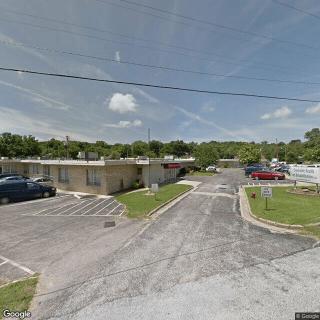





 Recognizing the Journey: Understanding and Navigating Anticipatory Grief
 Encouraging Participation in Adult Day Care: A Guide to Supporting a Hesitant Parent
 Comprehensive Exploration of Living Wills and Other Advance Directives