2603 Dave Ward Drive, Conway, AR 72034
For more information about senior living options: (866) 208-4318
Overall Review of Conway Healthcare And Rehabilitation Center
Pros
 The facility is amazing, and the staff keeps families up to date with pictures and FaceTime.
 - The staff are caring, courteous, and genuinely focused on residents’ well-being.
- The nurses provide pictures and FaceTime so families can stay connected with their loved ones.
- Nurse Emily was pleasant and helpful, providing information when needed.
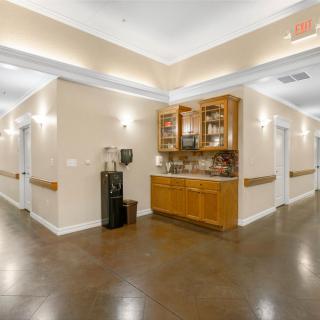
- The facility is clean, warm, and hospitable, with staff that truly care about residents.
- Conway Healthcare & Rehab is considered one of the better facilities of its kind and is highly recommended.
Cons
 The facility restricted visits to a window and only allowed contact after family pressure to move their relative.
 - Family outreach to the director of nursing and administrator was blocked until outside threats were made.
- The reviewer alleges the facility ignored pandemic guidelines and impeded window visits.
- There were multiple safety issues and injuries with staff unable to explain how they occurred.
- The building smelled strongly of urine and cleanliness was not maintained.
- A grandmother fell after being left unattended, and communication was poor with dirty clothing and rooms.
- Some CNAs were lazy and failed to perform duties, and infections circulated among residents with insufficient hygiene.
- The doctor was slow to attend to patients, and there were frequent pneumonia cases.
Review
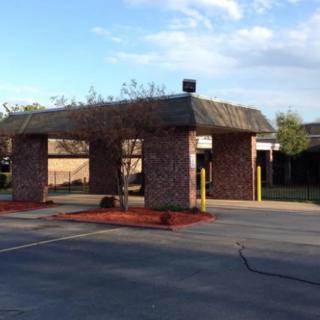
Conway Healthcare and Rehabilitation Center in Conway, AR is best suited for families that place a premium on hands-on communication and ongoing family updates. This community works best when families want to be kept in the loop through regular touchpoints, photos, and live video, and when they value residents having access to open social spaces, outdoor areas, and a shuttle service for local outings. It is a fit for residents who benefit from visible caregiver engagement and a setting where staff seem genuinely invested in day-to-day interaction and personal connections with loved ones.
Those who may want to consider alternatives are situations requiring very tight clinical oversight, highly reliable safety protocols, or a spotless, modern environment. Families with residents who have frequent, complex medical needs, a history of falls, or memory-care challenges that demand relentless monitoring should look elsewhere for stronger CNA consistency and more structured programming. People who are sensitive to odors, cleanliness lapses, or inconsistent housekeeping may find this community falls short of expectations. Families hoping for a uniformly polished facility with 24/7 medical leadership and near-perfect infection-control practices should explore options with more uniform staffing and recent renovations.
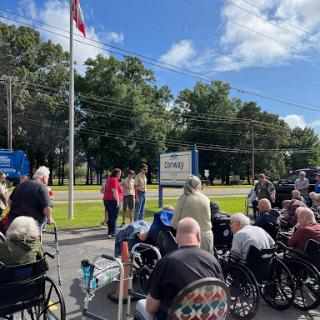
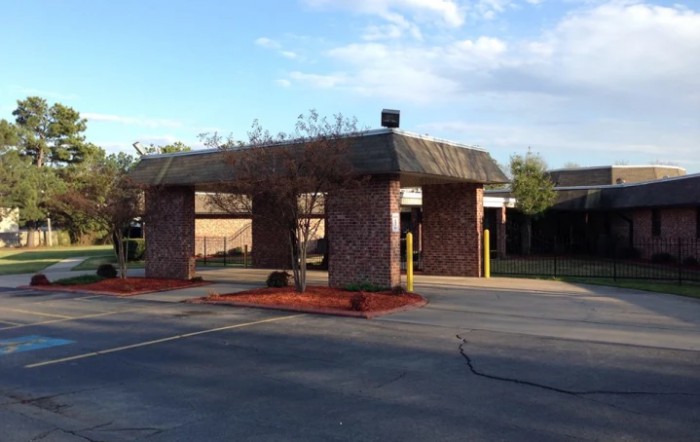
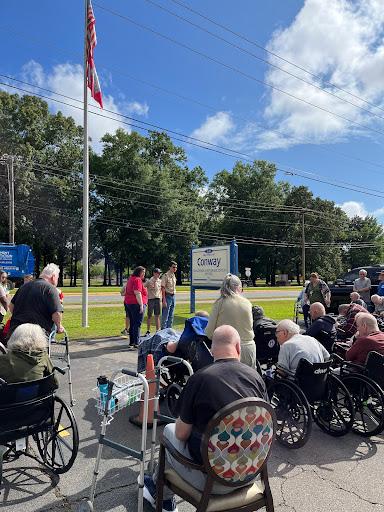
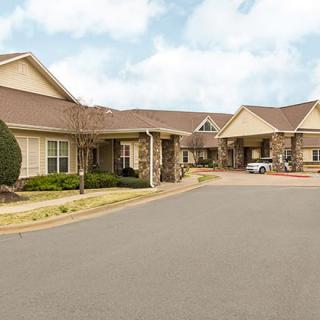
The strongest positives here, notably, proactive family communication and a warm, person-centered approach, often offset a portion of the downsides for families who stay engaged. Several accounts praise nurses and aides who communicate well, the ability to share updates via FaceTime or porch visits, and a general sense that staff care about residents. The facility also earns points for its open, community-oriented design: large common spaces, outdoor areas, and activity-friendly lounges that encourage social interaction. When a family wants to feel included in daily progress and to observe consistent kindness from caregivers, these elements can meaningfully improve the resident experience.
However, substantial concerns temper these strengths. The most troubling reports describe safety lapses, injuries, and a perception of neglect, with explanations offered that did not satisfy families. Cleanliness and odor issues recur in multiple reviews, and some family members question the consistency and responsiveness of CNAs versus licensed nurses or therapists. There are also criticisms about limited daily programming and questions about medical responsiveness, with some residents experiencing delayed treatment or insufficient monitoring. Taken together, these factors demonstrate that the care environment can fluctuate significantly from shift to shift, and that family advocacy will often be part of ensuring the resident’s needs are met.
For decision-making, prospective families should use a rigorous evaluation lens. Schedule direct conversations with the director of nursing and a few front-line supervisors to gauge responsiveness and staffing patterns. Request current incident and fall logs, audit the cleanliness of rooms and shared spaces during peak hours, and observe how activities are structured for memory care or higher-need residents. Ask for a trial period or respite stay to assess whether the daily care routine aligns with the resident’s needs, and verify the on-site therapy schedule, doctor visit frequency, and how information flows back to families. Clarify visitation policies and how updates are delivered when visits are limited by circumstances; the most consistent praise centers on transparent communication, not merely quality of care in isolation.
In the end, Conway Healthcare and Rehabilitation Center offers genuine strengths in staff warmth, family liaison, and accessible social spaces that can greatly improve quality of life for residents whose needs are moderate and who benefit from an engaged, communicative team. The facility is a viable option for families willing to stay actively involved and to monitor care closely, balancing daily successes against imperfect moments. For those prioritizing pristine cleanliness, predictable, high-intensity medical oversight, or a newer physical plant, exploring alternatives with stronger daily oversight and more consistent CNA coverage is a prudent course.
 105 resident community capacity
 Skilled Nursing Facility
 Air-conditioning
 Beauty salon
 Cable or satellite TV
 Computer center
 Dining room
 Fitness room
 Fully furnished
 Gaming room
 Garden
 Housekeeping services
 Kitchenette
 Move-in coordination
 Outdoor space
 Private bathrooms
 Restaurant-style dining
 Small library
 Telephone
 Wellness center
 Wi-Fi/high-speed internet available
 Community operated transportation
 12-16 hour nursing
 24-hour call system
 Activities of daily living assistance
 Assistance with bathing
 Assistance with dressing
 Assistance with transfers
 Diabetes diet
 Medication management
 Mental wellness program
 Special dietary restrictions
 Concierge services
 Planned day trips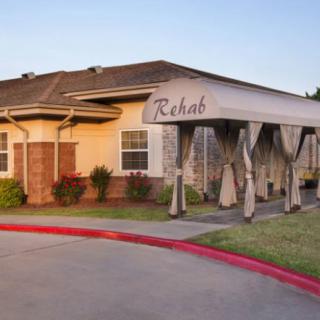



 Comprehensive Look at Senior Blood Pressure Charts: Normal and Elevated Levels by Age
 Top Canine Companions for Older Adults
 Comprehensive Guide to Blood Pressure Charts for Older Adults: Understanding Normal and High Readings by Age