
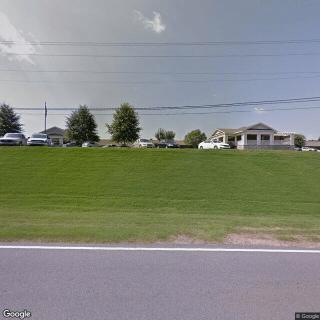
16 Jones Hill Road, Goodwater, AL 35072
For more information about senior living options: (866) 208-4318
Overall Review of Goodwater Healthcare Center
Pros
 The staff are very attentive and pay close attention to residents.
- The staff always seem cheery, helpful, and sweet.
- The facility is kept very clean.
- The facility offers a common area and an aviary, allowing residents to view birds.
- Communication with visitors is good.
- The staff take great care of residents and feel like family to visitors.
- The facility is highly recommended.
- The staff are amazing.
Cons
 They don’t pay close attention to the diabetic needs.
- They gave him a cupcake with a lot of sugar, which was an oversight.
- The room is a little outdated.
- The only problem reported was the communication part.
- They require visitors to obtain permission to enter the building to see the resident.
Review
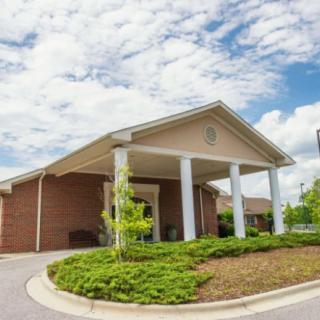
Goodwater Healthcare Center in Goodwater, AL is best suited for families seeking a small, intimate care environment where staff consistently deliver warm, attentive, and people-first attention. The community earns trust through a pattern of cheerful, helpful interactions; residents appear well cared for, and families repeatedly note that staff feel like part of the extended family. Cleanliness is a consistent strength, and the daily rhythm feels steady rather than clinical. The facility’s atmosphere , including a pleasant shared area with an engaging aviary , supports social connection and a sense of belonging, which matters greatly for residents who value warmth over flash. For families prioritizing genuine caregiver rapport and a home-like feel, Goodwater stands out as a trustworthy option.
Those weighing alternatives should consider who may want options with stronger, more formal oversight of specific medical needs or more liberal access for family members. If diabetes management and dietary control are non-negotiable, the occasional misstep noted by a reviewer , a sugar-heavy cupcake given to a diabetic resident , raises a red flag that dietary safeguards may not be consistently rigorous. Additionally, families who require unrestricted or easily accessible visiting policies may find the current access controls and required permissions for entry frustrating. In short, this community works exceptionally well when care is relational and the diet is managed through close staff coordination, but it may feel restrictive or insufficient for those with high-stakes medical dietary needs or a preference for open, always-on family access.
The strongest pro is the staff’s caliber and daily energy. Across multiple accounts, caregivers are described as attentive, cheery, and remarkably dedicated, with several families explicitly saying the staff feel like family. That level of personal connection translates into practical benefits: prompt assistance with ADLs, consistent monitoring, and a reassuring presence during routines. Cleanliness reinforces trust that daily environments are well-maintained, a subtle but critical factor for comfort and safety. The common areas, including the aviary, add touches of livability that reduce the sense of institutional distance. In practice, these strengths create a caregiving dividend: residents experience steadier, more humane treatment, and families gain confidence that their loved ones are treated with kindness and respect.
Yet, the review pattern does not ignore meaningful drawbacks. The most salient is dietary oversight in a chronic condition context. When a diabetic resident receives a sugary item, it signals potential gaps in individualized dietary discipline and response to medical needs. If this is a recurring or high-priority concern, it may undermine the overall care quality and introduce risk that families cannot overlook. Another notable con is a tighter gatekeeping culture around who can enter the building, which can feel exclusionary and impede convenient family involvement. The room itself is described as outdated despite being clean, which can impact resident comfort and a sense of modernity over time. Taken together, these cons are meaningful but not insurmountable if accompanied by proactive communication and targeted care planning.
The balance of pros and cons points to a clear decision framework. Goodwater is a practical choice for families who value consistent warmth, a stable caregiving team, and a clean, pleasant social environment, and who can work within a more controlled visiting policy and a diet-management plan. The strong caregiver culture helps offset most daily inconveniences, but the facility’s approach to diabetes management and access control will determine fit for residents with specific medical needs or those requiring full, unfettered family involvement. Prospective families should probe directly into the dietary protocol, clarify who may enter and when, and request a concrete plan for monitoring blood sugar and adjusting meals. Also inquire about room options, potential modernization, and any forthcoming improvements to the living spaces.
In the end, Goodwater Healthcare Center is a sound choice for families prioritizing heartfelt, steady care in a clean, friendly setting. It is less ideal for those whose must-haves include rigorous diabetes oversight without risk of missteps, or for families needing unrestricted, always-on access to their loved one. For decision-making purposes, schedule a thorough visit focused on diet coordination with the dietary manager, talk through visiting procedures and any exceptions, and evaluate whether the current room and facility aesthetics meet the resident’s preferences. When these elements align, Goodwater offers a dependable, compassionate home where residents are treated with respect, and families can feel confident in the everyday care their loved one receives.
 72 resident community capacity
 Skilled Nursing Facility
 Air-conditioning
 Beauty salon
 Cable or satellite TV
 Computer center
 Dining room
 Fitness room
 Fully furnished
 Gaming room
 Garden
 Housekeeping services
 Kitchenette
 Move-in coordination
 Outdoor space
 Private bathrooms
 Restaurant-style dining
 Small library
 Telephone
 Wellness center
 Wi-Fi/high-speed internet available
 Community operated transportation
 12-16 hour nursing
 24-hour call system
 Activities of daily living assistance
 Assistance with bathing
 Assistance with dressing
 Assistance with transfers
 Diabetes diet
 Medication management
 Mental wellness program
 Special dietary restrictions
 Concierge services
 Planned day trips





 Highly Beneficial Low-Impact Exercises for Senior Living Residents
 Is In-Home Healthcare Tax Deductible? Your Comprehensive Guide
 Nurturing Well-Being Through Gardening: A Detailed Guide for Senior Enthusiasts