


Chapman Specialty Care Assisted Living Facility in Alexander City, AL

Save

Chapman Specialty Care Assisted Living Facility in Alexander City, AL

Information last verified:

3701 Dadeville Road, Alexander City, AL 35010

For more information about senior living options: (844) 490-3973

4 from 12 reviews
5 stars
8
4 stars
0
3 stars
2
2 stars
0
1 stars
2

Overall Review of Chapman Specialty Care Assisted Living Facility

Pros

  • pro The staff at Chapman’s cared for the grandmother and got to know her, and they were kind.
  • pro Chapman’s demonstrates care that not all facilities provide.
  • pro The nurses and the physical therapist were appreciated and helped the patient want to get better.
  • pro The hospice care shown by Chapman’s was characterized by kindness, compassion, care, and professionalism.
  • pro The assisted living at Chapman’s has very nice staff and spacious rooms.
  • pro Chapman’s offers rehab services and activities to keep residents entertained.
  • pro Chapman’s provides CNA classes and training opportunities.

Cons

  • pro The receptionist was rude and did not even share her name.
  • pro The director of nursing claimed the facility was not a diabetic insulin-controlling facility, contradicting the patient’s needs.
  • pro The staff were understaffed, and the doctors or nurse practitioners were never available, especially on weekends.
  • pro The facility was described as caring more about money than patient care, with someone saying, “All they want is a check.”
  • pro The reviewer advised relocating a family member away from the facility due to safety concerns.

Review

Chapman Specialty Care Assisted Living Facility in Alexander City is best suited for families seeking a warm, person-centered environment where staff form real connections with residents and take a hands-on approach to daily care. It excels for those needing rehabilitation after a stroke or hospital stay and for residents entering hospice care where compassionate, continuous support matters most. The core strength lies in staff who know individual preferences and treat residents with genuine kindness, creating a reassuring, home-like atmosphere. Those prioritizing medical oversight, precise chronic-disease management, and consistently staffed weekends may want to consider other options that specialize more heavily in medical governance and uninterrupted clinician availability.

On the upside, the community earns its reputation through people over process. The care staff are frequently described as caring and attentive, making residents feel valued rather than merely housed. Rehabilitation services, including physical therapy, are highlighted as a standout element, delivering practical help that residents and families notice. Hospice-related care is consistently praised for kindness and professionalism, which can be a meaningful difference for families facing end-of-life decisions. Large rooms with high ceilings contribute to a sense of openness and dignity, and there are opportunities for staff growth and training, including CNA classes, which speaks to a culture that promotes skill development alongside daily care.

Yet the portrait is not without sharp caveats. Several accounts point to administrative friction and interpersonal roughness at the front desk, hinting at a culture where front-line communication can color the overall experience. More weighty are concerns about medical governance: claims that diabetes management was not adequately monitored, and that crucial medical records and differences between insulin types were not fully understood by leadership. Weekend availability appears uncertain in some reports, and under-staffing is cited as a systemic pressure that can leave urgent needs unmet or delayed. Taken together, these issues raise real safety questions for residents with complex medical profiles or those requiring close, consistent oversight.

Those competing forces, strong personal care and robust rehab versus questioned medical coordination and staffing gaps, shape the offset analysis. The strongest offset comes when a resident’s quality of life hinges on a caring, personable staff and meaningful engagement through rehab and activities. In such cases, Chapman delivers a humane, supportive environment that can ease transitions from hospital to home-like living and sustain dignity in hospice moments. However, when medical risk is a primary concern, diabetes control, rapid response to changes in condition, weekend clinician access, the cons can erode confidence despite the warmth of the caregiving staff. Families must weigh whether the emotional and rehabilitative benefits outweigh the potential variability in medical oversight.

For families contemplating Chapman, a practical decision framework is essential. If the primary objective is to maximize compassionate daily care, consistent activity programming, and a soothing end-of-life environment, Chapman offers a compelling fit. If, however, the senior requires stringent chronic-disease management, highly reliable medical coordination, or guaranteed weekend clinician coverage, alternatives with stronger centralized medical governance may be preferable. Prospective residents should demand clear, written care plans for diabetes and other conditions, inquire about weekend nursing and physician coverage, and request to meet both the director of nursing and the front-desk leadership to assess responsiveness and tone. A tour should include observation of therapy sessions and time with current residents to gauge real-world interactions beyond brochures.

In the end, Chapman stands as a practical, choice-driven option for families prioritizing relational care, rehab capability, and hospice-themed kindness. It can be a valuable home-like setting where residents are known and supported with genuine warmth. Yet the decision should hinge on the resident’s medical complexity and the family’s comfort with the level of clinical oversight available on weekends and during high-demand periods. Diligent due diligence, conversations with nursing leadership, a review of specific medical protocols, and a candid tour of staffing patterns, will reveal whether Chapman’s strengths align with the resident’s needs or whether another option better secures both safety and serenity for the long term.

Features

Housing

  • 46 resident community capacity 46 resident community capacity

Types of Care

  • Assisted Living Assisted LivingAssisted living facilities provide crucial support and care for seniors who may need help with daily tasks such as medication management, bathing, and meal preparation. These communities offer a safe and comfortable environment where seniors can maintain their independence while receiving the assistance they need to thrive in their golden years.
  • Memory Care Memory CareMemory care is crucial for seniors as it provides specialized support and services for individuals with dementia or Alzheimer's disease. These programs offer a safe and secure environment where residents receive personalized care, cognitive stimulation, and help with daily activities. Memory care helps seniors maintain their independence, quality of life, and dignity while also providing peace of mind for their families.
  • Skilled Nursing Facility Skilled Nursing FacilitySkilled Nursing Facilities are crucial for seniors as they provide round-the-clock medical care, rehabilitation services, and assistance with daily activities. These facilities ensure that seniors receive the specialized care they need to maintain their health and well-being as they age.

Amenities

  • Activities on-site Activities on-siteActivities on-site are important for seniors because they provide opportunities for socialization, mental stimulation, physical activity, and overall well-being. Engaging in activities can help seniors stay active, maintain their independence, and improve their quality of life.
  • Beauty salon Beauty salonBeauty salons are important for seniors because they provide a space for them to feel pampered, socialize, and maintain their personal grooming and hygiene. Regular visits to a beauty salon can help boost seniors' self-esteem and overall well-being.
  • Cable or satellite TV Cable or satellite TVCable or satellite TV is important for seniors because it provides entertainment, news, and companionship, helping to combat loneliness and boredom. It also offers a wide range of programming options tailored to different interests and preferences.
  • Devotional services off-site Devotional services off-siteDevotional services off-site are important for seniors as they provide spiritual nourishment, social engagement, and a sense of community outside of the senior living facility. This can enhance overall well-being and help combat feelings of isolation and loneliness often experienced by older adults.
  • Dining room Dining roomDining rooms are important for seniors as they provide a space for socialization, connection, and nutritious meals. They offer opportunities for residents to bond over shared meals, foster a sense of community, and promote healthy eating habits. Dining rooms also ensure that seniors have access to well-balanced meals tailored to their dietary needs and preferences.
  • Fully furnished Fully furnishedFully furnished senior living communities are important for seniors because they provide convenience, comfort, and a hassle-free moving experience. Seniors can easily settle into their new living space without the stress of having to buy and move furniture. This allows them to focus on enjoying their new home and community.
  • Garden GardenGardens are important for seniors as they provide a peaceful and therapeutic environment for relaxation, physical activity, and socialization. Being in nature has been shown to reduce stress, improve mood, and promote overall well-being. Gardens also offer opportunities for seniors to engage in gardening activities, which can improve mobility, flexibility, and cognitive function. Additionally, gardens create a sense of community and connection with others who share a passion for plants and outdoor spaces.
  • Housekeeping services Housekeeping servicesHousekeeping services are important for seniors because they help maintain a clean and safe living environment, promote independence, and reduce the risk of accidents or illnesses. Additionally, having assistance with household chores can alleviate physical strain and allow seniors to focus on other aspects of their well-being.
  • Indoor common areas Indoor common areasIndoor common areas are crucial for seniors as they provide a space for socialization, recreation, and community engagement, promoting overall well-being and reducing feelings of isolation and loneliness.
  • Kitchenette KitchenetteKitchenettes are important for seniors living in senior living communities because they provide the convenience and independence of being able to prepare simple meals and snacks in the comfort of their own living space. This can help promote a sense of autonomy and well-being for seniors, allowing them to maintain some level of control over their dietary choices and daily routines.
  • Move-in coordination Move-in coordinationMove-in coordination is important for seniors because it helps ease the transition into their new living environment. It ensures that all logistics, such as packing, organizing movers, and setting up utilities are taken care of, allowing seniors to focus on settling in and adjusting to their new home. Having a smooth move-in process can alleviate stress and anxiety, making the transition smoother and more enjoyable for seniors.
  • Outdoor space Outdoor spaceOutdoor spaces are important for seniors as they provide opportunities for physical activity, social interaction, exposure to natural light and fresh air, and a sense of connection to nature. Having access to outdoor spaces can improve overall well-being and quality of life for older adults living in senior communities.
  • Restaurant-style dining Restaurant-style diningRestaurant-style dining is important for seniors because it allows them to enjoy delicious, nutritious meals in a social and upscale setting. This enhances their dining experience, promotes healthy eating habits, and fosters socialization with fellow residents, ultimately contributing to their overall well-being and quality of life.
  • Small library Small librarySmall libraries are important for seniors as they provide access to a variety of reading materials, including books, newspapers, and magazines. This can help stimulate their minds, keep them engaged, and provide a sense of community through book clubs and other social activities. Additionally, reading has been shown to improve cognitive function and overall mental well-being in older adults.
  • Telephone TelephoneTelephones are important for seniors as they provide a lifeline for communication with loved ones, emergency services, and healthcare providers. They offer a sense of security and independence, enabling seniors to stay connected and access assistance when needed.
  • Wi-Fi/high-speed internet available Wi-Fi/high-speed internet availableWi-Fi/high-speed internet is important for seniors to stay connected with loved ones, access online resources, and participate in virtual activities to combat feelings of loneliness and isolation. It also allows them to easily manage healthcare needs, access entertainment, and engage in lifelong learning opportunities.

Care Services

  • 24-hour call system 24-hour call system24-hour call systems are important for seniors because they provide peace of mind and immediate assistance in case of emergencies. This technology ensures that help is always available, promoting safety and security for elderly individuals living alone or in assisted living facilities.
  • 24-hour supervision 24-hour supervision24-hour supervision is important for seniors to ensure their safety, well-being, and access to immediate assistance in case of emergencies or health issues. This constant support provides peace of mind for both seniors and their loved ones, allowing them to age in place with dignity and security.
  • Activities of daily living assistance Activities of daily living assistanceActivities of daily living assistance are important for seniors because they provide essential support with tasks such as eating, bathing, dressing, and mobility. This assistance helps seniors maintain their independence, dignity, and overall quality of life as they age.
  • Ambulatory care Ambulatory care"Ambulatory care services provide essential medical support and treatment to seniors without requiring hospitalization, allowing them to maintain their independence and quality of life while managing chronic conditions or receiving routine medical care."
  • Assistance with bathing Assistance with bathingAssistance with bathing is crucial for seniors as it helps maintain personal hygiene, prevents infections, and ensures their overall well-being and comfort. It also provides a sense of dignity and independence for seniors who may struggle with this task on their own.
  • Assistance with dressing Assistance with dressingAssistance with dressing is important for seniors because it helps maintain their independence, promotes personal hygiene, prevents accidents and injuries, and improves overall quality of life. This service ensures that seniors can continue to dress comfortably and confidently, despite any physical limitations they may have.
  • Assistance with transfers Assistance with transfersAssistance with transfers is crucial for seniors as it helps prevent falls and injuries, maintains their independence, and ensures they can safely navigate their living environment. It also provides peace of mind for both seniors and their loved ones.
  • Diabetes diet Diabetes dietA diabetes diet is crucial for seniors as it helps manage blood sugar levels, reduce risks of complications, and improve overall health and well-being. By following a balanced and nutritious diet tailored to their specific needs, seniors can better control their diabetes and enhance their quality of life.
  • Diabetic care Diabetic careDiabetic care is crucial for seniors as they are more susceptible to developing diabetes due to aging and other health conditions. Proper management of diabetes can help prevent complications such as heart disease, vision loss, and nerve damage, improving the overall quality of life for seniors in senior living communities.
  • Meal preparation and service Meal preparation and serviceMeal preparation and service are crucial for seniors as they may have limited mobility or energy to cook nutritious meals. Having access to healthy and convenient food options can ensure they are getting the proper nutrition needed to maintain their overall health and well-being.
  • Medication management Medication managementMedication management is crucial for seniors to ensure they are taking the right medications at the correct dosages and times. This helps prevent adverse drug interactions, reduces the risk of medication errors, and promotes overall health and well-being. Proactive management also allows for adjustments as needed based on changing health conditions or new prescriptions.
  • Mental wellness program Mental wellness programMental wellness programs are essential for seniors as they promote cognitive stimulation, emotional support, and social engagement. These programs help prevent isolation, depression, and cognitive decline, ultimately enhancing the overall quality of life for older adults.
  • Mild cognitive impairment Mild cognitive impairment"Mild cognitive impairment" is important for seniors because it is an early stage of cognitive decline that can potentially progress to more severe conditions such as dementia. Recognizing and addressing mild cognitive impairment can help seniors receive appropriate care and support to maintain their quality of life and independence for as long as possible.
  • Special dietary restrictions Special dietary restrictionsSpecial dietary restrictions are important for seniors because age-related changes in metabolism and health conditions can make it difficult for their bodies to process certain foods. By following a diet tailored to their specific needs, seniors can maintain their overall health and well-being, manage chronic conditions, and reduce the risk of complications such as malnutrition or food interactions with medications.

  • Specialized memory care programming Specialized memory care programmingSpecialized memory care programming is crucial for seniors with cognitive impairments such as dementia or Alzheimer's disease. These programs provide a safe and supportive environment tailored to the unique needs of individuals with memory loss, helping them maintain their independence, dignity, and quality of life.

Dining

  • Diabetes diet Diabetes dietA diabetes diet is crucial for seniors as it helps manage blood sugar levels, reduce risks of complications, and improve overall health and well-being. By following a balanced and nutritious diet tailored to their specific needs, seniors can better control their diabetes and enhance their quality of life.
  • Meals provided Meals provided"Meals provided" are crucial for seniors in assisted living communities as it ensures they have access to nutritious, balanced meals without the stress of meal planning and preparation. This can help promote overall health and well-being for seniors who may have limited mobility or cognitive abilities.
  • Special dietary restrictions Special dietary restrictionsSpecial dietary restrictions are important for seniors because age-related changes in metabolism and health conditions can make it difficult for their bodies to process certain foods. By following a diet tailored to their specific needs, seniors can maintain their overall health and well-being, manage chronic conditions, and reduce the risk of complications such as malnutrition or food interactions with medications.

Activities

  • Activities on-site Activities on-siteActivities on-site are important for seniors because they provide opportunities for socialization, mental stimulation, physical activity, and overall well-being. Engaging in activities can help seniors stay active, maintain their independence, and improve their quality of life.
  • Community-sponsored activities Community-sponsored activitiesCommunity-sponsored activities are important for seniors as they provide opportunities for social interaction, mental stimulation, and physical activity. These activities can help improve overall well-being, combat loneliness and isolation, and promote a sense of belonging and purpose among older adults.
  • Devotional activities offsite Devotional activities offsiteDevotional activities offsite are important for seniors because they provide social engagement, spiritual growth, and a sense of community outside of their living environment. This can improve overall well-being, mental health, and combat feelings of isolation or loneliness.
  • Resident-run activities Resident-run activitiesResident-run activities are important for seniors as they encourage social interaction, creativity, and a sense of autonomy. These activities empower seniors to stay engaged and active in their community while fostering meaningful connections with their peers.
  • Scheduled daily activities Scheduled daily activitiesScheduled daily activities are important for seniors because they provide structure, socialization, mental stimulation, and physical activity. Engaging in regular activities can improve overall well-being and quality of life for seniors living in a community setting.

Description

Chapman Specialty Care Assisted Living Facility in Alexander City, AL is a premier senior living community that provides top-notch care and support for individuals in need of memory care and skilled nursing services. The facility offers a wide range of amenities to ensure residents' comfort and convenience.

Residents can enjoy the convenience of having a beauty salon on-site, allowing them to maintain their grooming routines without leaving the premises. They can also stay entertained with cable or satellite TV options and participate in devotional services off-site. The dining room serves delicious meals prepared by the facility's staff, providing a restaurant-style dining experience.

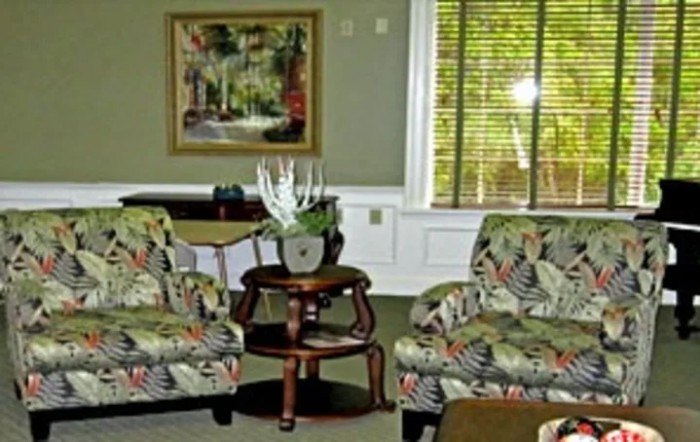
The living spaces at Chapman Specialty Care Assisted Living Facility are fully furnished, creating a homely atmosphere for residents. The indoor common areas offer comfortable spaces where residents can socialize and engage in various activities. For those who prefer some quiet time with a book or desire intellectual stimulation, there is a small library available.

To ensure residents feel connected to the outside world, telephone and Wi-Fi/high-speed internet access are provided. Additionally, move-in coordination services assist new residents with a seamless transition into their new home.

Care services at Chapman Specialty Care Assisted Living Facility include 24-hour supervision to ensure safety and wellbeing at all times. Trained staff members provide assistance with daily living activities such as bathing, dressing, and transfers. The facility also specializes in diabetes care, offering specialized diets and management plans.

Mental wellness programs are available to support residents' cognitive function, including those with mild cognitive impairment. Specialized memory care programming caters specifically to individuals with memory-related challenges. Medication management is also provided to ensure that residents receive their necessary medications promptly and accurately.

Residents can enjoy community-sponsored activities as well as devotional activities offsite. There are resident-run activities that encourage socialization among peers within the assisted living community. Daily scheduled activities keep residents engaged and entertained throughout their stay.

Chapman Specialty Care Assisted Living Facility is conveniently located near parks, pharmacies, physicians, restaurants, and places of worship. This allows residents to access essential services and amenities easily, ensuring their healthcare needs are met.

With its focus on providing excellent care in a comfortable environment, Chapman Specialty Care Assisted Living Facility is a wonderful option for seniors in need of memory care or skilled nursing services in Alexander City, AL.

Nearby Places of Interest

This part of Alexander City, Alabama offers a variety of amenities that may appeal to those considering senior living. With numerous places of worship nearby, including Flint Hill Baptist Church and Mt Sinai Baptist Church, residents have access to spiritual support and community engagement. The area also boasts convenient transportation options such as U-Save Car & Truck Rental and Alex City Rentals, making it easy for seniors to get around town. In terms of dining options, there are eateries like Sneaky Pete's Hot Dogs and Green Garden Chinese Restaurant where residents can enjoy a meal out. Additionally, there are several medical facilities nearby, including Sellers Medical Group and Temple Medical Clinic, ensuring easy access to healthcare services. Overall, this part of Alexander City provides a combination of essential services and recreational opportunities that could be appealing for seniors looking for a comfortable and convenient place to call home.

Places of Worship

  • Flint Hill Baptist Church (0.4 miles)
  • Mt Sinai Baptist Church (1.1 miles)
  • River Road Baptist Church (1.6 miles)
  • Southern Baptist Convention (1.7 miles)
  • Vertical Point Church (2 miles)
  • Southern Baptist Convention (2.1 miles)
  • Jehovah Jireh Ministries (2.5 miles)

Transportation

  • U-Save Car & Truck Rental (1.3 miles)
  • Alex City Rentals (1.8 miles)
  • U-Haul Neighborhood Dealer (2.6 miles)
  • U-Haul Neighborhood Dealer (6 miles)
  • U-Haul Neighborhood Dealer (9.7 miles)
  • U-Haul Neighborhood Dealer (10.7 miles)

Restaurants

  • Sneaky Pete's Hot Dogs (1.3 miles)
  • Zaxby's (2.1 miles)
  • Green Garden Chinese Restaurant (2.2 miles)
  • New China (2.4 miles)
  • Domino's Pizza (2.4 miles)
  • Burger King (2.4 miles)
  • Ruby Tuesday (2.5 miles)

Physicians

  • Bbs Md Pc (1.7 miles)
  • Sellers Medical Group (1.8 miles)
  • Pediatric Associates of Alexander City PC (1.8 miles)
  • Oral and Facial Surgery of East Alabama (1.9 miles)
  • Temple Medical Clinic (2 miles)
  • Hamo Neurology Clinic (2 miles)
  • Pricare, P.A. (2.1 miles)

Pharmacies

  • Jackson Drugs (1.9 miles)
  • Carlisle Drug Co. (3.1 miles)
  • Walgreens (3.4 miles)
  • Walmart Pharmacy (3.9 miles)
  • Walgreens (10.4 miles)

Parks

  • Wind Creek State Park (3 miles)
  • Parks & Recreation Admin (3.2 miles)
  • Goodwater Community Park (10 miles)

Cafes

  • Sam's Kountry Kitchen (10.7 miles)

Frequently Asked Questions

Where is Chapman Specialty Care Assisted Living Facility?
Does Chapman Specialty Care Assisted Living Facility provide care for residents with dementia or Alzheimer's disease?
What photos are available for Chapman Specialty Care Assisted Living Facility in Alexander City, Alabama?

Nearby Communities

  • Adams Nursing Home

    Adams Nursing Home

    Alexander City, AL

    4.8 from 63 reviews
     

    pro Comprehensive care and amenities with 24/7 staff, engaging activities, and accessible transportation.

  • Hillabee Towers

    Hillabee Towers

    Alexander City, AL

    4.2 from 20 reviews
     

    pro Proximity to parks, pharmacies, doctors, restaurants, transit, and places of worship supports independent living.

  • Brown Nursing Home

    Brown Nursing Home

    Alexander City, AL

    4.8 from 14 reviews
     

    pro Comprehensive amenities and care services (dining, fitness, transportation, salon, and wellness).

  • The Meadows of Alex City

    The Meadows of Alex City

    Alexander City, AL

    1 from 1 review
    $1,645 to $1,985 / month

    pro Personalized assisted living with diabetes care.

  • Meadows On Hillabee

    Meadows On Hillabee

    Alexander City, AL

    3 from 1 review
    $1,850 / month

    pro Very affordable private-room pricing ($1,850/mo) versus Alabama state average; private bathrooms included.

  • Veranda Suites

    Veranda Suites

    Dadeville, AL

    5 from 2 reviews
     

    pro Fully furnished suites with 24/7 supervision and restaurant-style dining.

  • Spring Terrace Assisted Living Facility

    Spring Terrace Assisted Living Facility

    Sylacauga, AL

    4 from 1 review
     

    pro Quality dining and spacious, private rooms at an affordable price.

  • Camellia Place At Auburn Medical Park

    Camellia Place At Auburn Medical Park

    Auburn, AL

    4.3 from 26 reviews
    $2,995 to $4,395 / month

    pro Friendly, caring staff and a clean, welcoming environment.

  • Summer Village at Magnolia Place

    Summer Village at Magnolia Place

    Auburn, AL

    4.2 from 25 reviews
    $2,895 to $4,095 / month

    pro Knowledgeable, caring staff with a clean, well-organized environment and good dining.

Related Resources

  • when should someone with dementia go into a care home8 Important Indicators That Memory Care May Be Necessary

    The article highlights eight indicators that a loved one with dementia may require specialized memory care, emphasizing the emotional and logistical challenges families encounter in this decision. It discusses signs such as difficulties with daily tasks, safety concerns, and caregiver burnout, suggesting that memory care facilities can provide the necessary support and structured environments for those experiencing cognitive decline.

  • what do dementia patients think aboutDelving into the Inner World of Dementia: Insights into Thoughts and Awareness

    Dementia, primarily caused by Alzheimer's disease but also linked to other conditions, leads to cognitive decline impacting memory and daily functioning, with individuals experiencing varied awareness of their impairments. Despite memory loss, emotional connections persist, enabling responses to familiar stimuli, highlighting the need for caregivers to provide compassionate support that recognizes both limitations and retained emotional depth.

  • does my mom have dementia quizFive Subtle Dementia Indicators to Observe: An In-Depth Guide to Understanding “Does My Mom Have Dementia?”



    The article presents five subtle indicators of dementia, such as memory lapses and mood swings, to help families assess cognitive decline in loved ones. It emphasizes early detection, open communication, and seeking professional help while providing practical support steps.