Crossville Health And Rehabilitation

Save

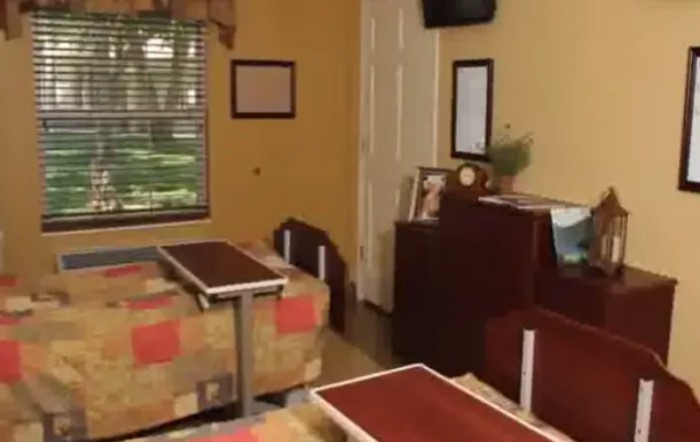
  • Interior

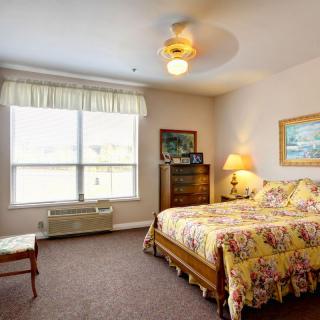
    A cozy room with two beds, a TV, and various furnishings.
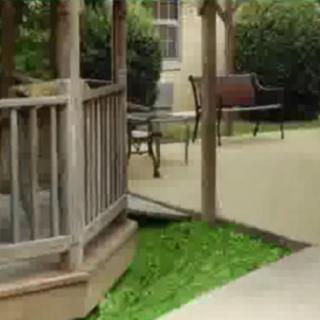
  • Outdoors

    A peaceful garden with a wooden gazebo and benches.
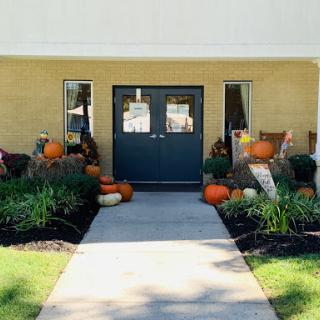
  • Decor

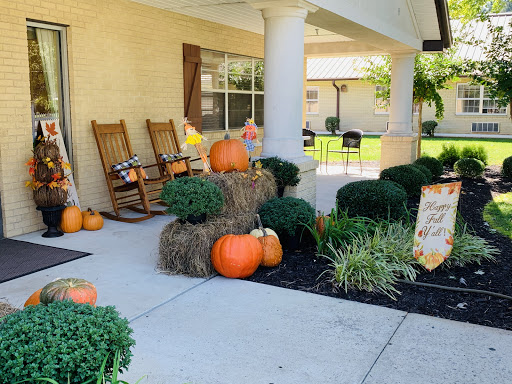
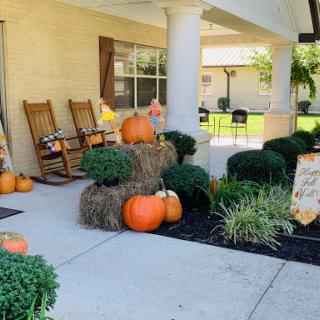
    A welcoming entrance adorned with colorful pumpkins and vibrant flowers, capturing the essence of autumn.
  • Building

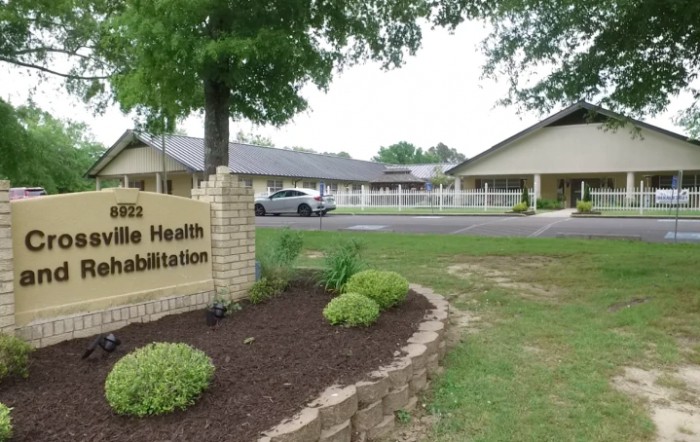
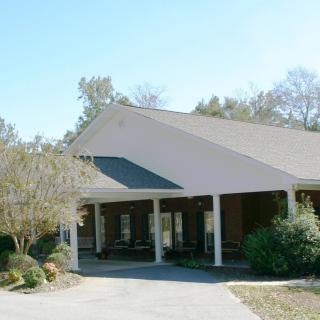
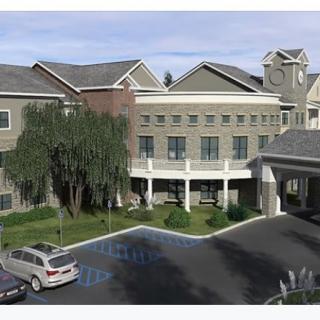
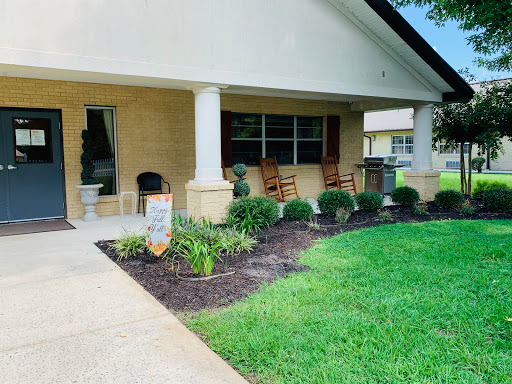
    A healthcare and rehabilitation facility with a welcoming entrance surrounded by greenery.
  • Trees

    Two seniors enjoying a serene moment outside their charming cottage, surrounded by lush greenery and vibrant flowers.
  • Landscaping

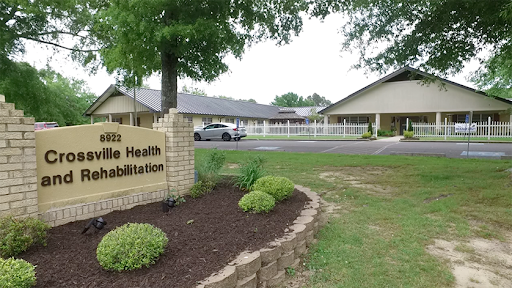
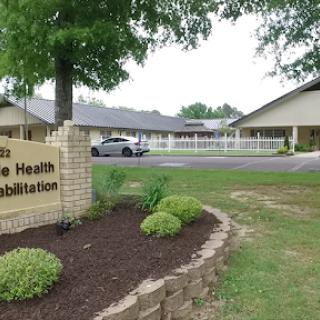
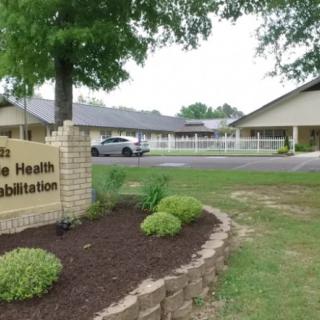
    Exterior view of a health rehabilitation facility, featuring landscaped grounds and clear signage.
  • Garden

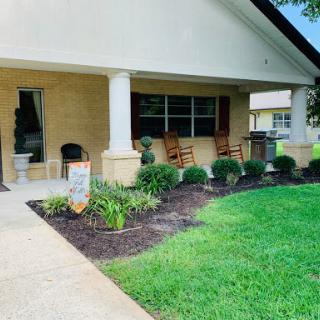
    A welcoming porch with rocking chairs and beautifully landscaped greenery.
  • Porch

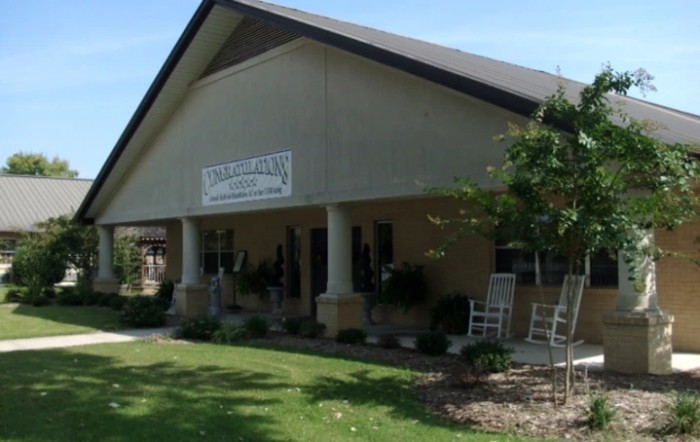
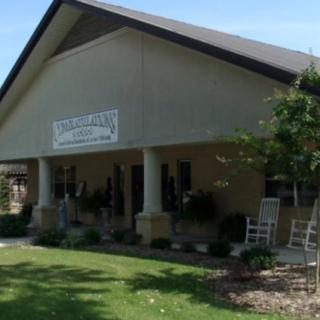
    A building with a porch featuring rocking chairs and a sign, surrounded by landscaping and a lawn.
  • Healthcare

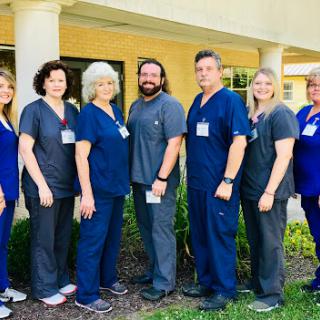
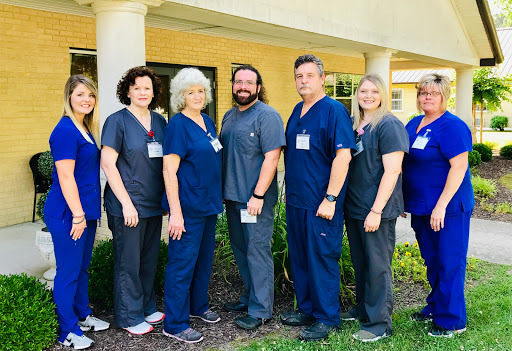
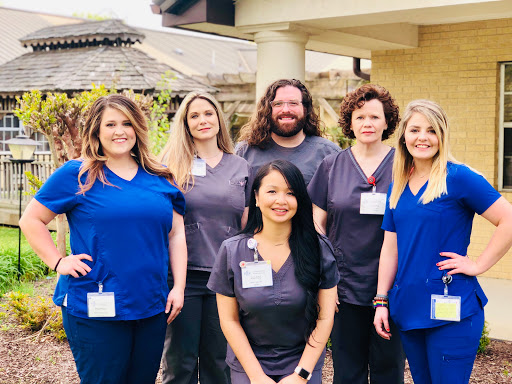
    A dedicated healthcare team posing together in front of their facility.
  • Rocking Chairs

    A cozy autumn-themed front porch adorned with pumpkins and hay bales.

Crossville Health And Rehabilitation

8922 Highway 227, Crossville, AL 35962

For more information about senior living options: (844) 490-3973

4.1 from 47 reviews
5 stars
32
4 stars
6
3 stars
1
2 stars
0
1 stars
8

Skilled Nursing Facility

What level of care are you interested in?

Assisted Living

Memory Care

Independent Living

Skilled Nursing Facility

Continuing Care Retirement Community (CCRC)CCRC

Other


Request a tour at Crossville Health And Rehabilitation

    Overall Review of Crossville Health And Rehabilitation

    Pros

    • pro The staff are friendly, accommodating, and go the extra mile for residents.
    • pro The nurses, CNAs, housekeeping, and dietary staff provide excellent, compassionate care.
    • pro Staff treat residents like family, making them feel valued and supported.
    • pro Administration and admissions staff are outstanding, responsive, and caring.
    • pro The facility is clean, well kept, and has a warm, welcoming atmosphere.
    • pro Front desk staff are warm, helpful, and always ready to lend a hand.
    • pro The social worker is amazing and does an outstanding job for residents.
    • pro Activities and engagement, like bingo and music, keep residents involved and happy.
    • pro Residents are described as always smiling and seemingly enjoying being there.

    Cons

    • pro The resident was disrespected by a CNA named Tina.
    • pro An employee was fired without any warnings for an incident the employee claims they did not commit.
    • pro The administration fired staff at the end of a shift, which the reviewer called unfair and lacking due process.
    • pro The facility frequently understaffed, leaving caregivers overwhelmed and juggling many tasks.
    • pro The facility allegedly allowed a resident's teeth to rot and failed to inform the family.
    • pro The front office staff were described as rude and catty, and not trustworthy with a loved one.

    Review

    Crossville Health and Rehabilitation comes across in these reflections as a place where care and compassion can shine, even as it faces serious challenges in management and communications. A large portion of the feedback highlights warmth, attentiveness, and a real sense of community. Families repeatedly describe staff who treat residents like family, who go the extra mile to help with daily needs, and who create moments of dignity and comfort in otherwise difficult times. Multiple residents and relatives praise the facility's cleanliness, welcoming atmosphere, and the visible effort of many team members to engage residents in meaningful activities, conversation, and everyday routines.

    Several reviewers sing the praises of individual staff members and departments. Grandchildren and children recount experiences where nurses, CNAs, housekeeping, dietary staff, and social workers worked cohesively to provide thoughtful, respectful care. They recall moments of personalized attention - assisting with small tasks, setting up TV stations, helping residents with ice, or simply sitting and visiting to lift a resident's spirits. The front desk is described by many as friendly and approachable, with staff who greet residents and families warmly. Specific names surface in these narratives: Tammy at the door providing a positive first impression, Gina in social services delivering reliable support, and multiple mentions of admissions and administrative staff who respond to questions with care. The administrators and upper-level staff are sometimes singled out for praise for their accessibility and willingness to address concerns, with several family members saying their loved ones were treated with kindness and respect.

    Cleanliness and the overall atmosphere are prominent positives. Reviewers frequently describe the facility as clean, well-kept, and visually inviting, with a warm and comforting environment that feels safe for residents. Families note that the atmosphere supports independence and engagement, which helps residents feel at home. The staff's commitment to resident engagement is evident in accounts of activities such as music gatherings, bingo, and social interactions that give residents opportunities to connect with others and feel valued.

    On the other side of the ledger, a number of sharp criticisms reveal real pain and concern about how the facility handles difficult situations. One stark episode involves a CNA named Tina and a resident who felt disrespected, with strong language about disrespect toward a friend and the broader implications for caregiving ethics. A larger complaint centers on what is described as a lack of discretion and fair process in employment matters: an employee claims they were fired for something they did not know about, with no prior warnings and no chance to explain, followed by a decision made at the end of a shift. This worker emphasizes feeling blindsided, undervalued, and devastated by the termination, and questions the fairness and transparency of the administration. These stories underscore important tensions between day-to-day care excellence and the management practices and communications that shape employee experiences and perceptions of the workplace.

    There are also nuanced views about the administration and some front-office interactions. While several reviews celebrate responsive leadership and supportive staff, others mention a less favorable impression of the front office, describing a particular staff member as catty or rude and suggesting a lack of trust in that single interaction. The mixed character of these accounts points to variability in experiences based on who residents and families happen to encounter and when they visit. This variability can influence overall perception, especially when families are evaluating whether the facility is the right fit for a loved one.

    Despite the friction noted by some, many stories focus on resilience and gratitude. Families speak about having their loved ones placed in a setting where caregivers are genuinely inclined to do what's best for residents, where someone is always available to listen, and where teamwork across departments helps ensure that residents' basic needs - nutrition, safety, comfort, and social connection - are met. A number of reviewers highlight that when a family member experiences a smooth, well-coordinated stay, it reinforces the sense that Crossville Health and Rehabilitation truly can be a place of stability and care. The affection for particular staff and the pride in a well-run unit are evident in the praise for dedicated individuals who have helped residents stay comfortable and maintain routines during challenging times.

    In sum, the tapestry of feedback paints a facility with a strong foundation of care, cleanliness, and compassionate staff who can make a meaningful difference in residents' lives. It also reveals serious concerns that demand attention: clear, consistent communication, fair and transparent enforcement or termination processes, and the ongoing need to ensure every staff member upholds a standard of respect and discretion in all interactions. For families evaluating Crossville Health and Rehabilitation, the message is clear that the facility can be an excellent fit when you encounter the right team and the right moment, but it is equally important to ask about staffing levels, daily workflows, and how the administration handles difficult incidents and employment matters. Visiting personally, meeting multiple staff members, and discussing expectations with administration can help determine whether this is the right environment for a loved one.

    Features

    Housing

    • 143 resident community capacity 143 resident community capacity

    Types of Care

    • Skilled Nursing Facility Skilled Nursing FacilitySkilled Nursing Facilities are crucial for seniors as they provide round-the-clock medical care, rehabilitation services, and assistance with daily activities. These facilities ensure that seniors receive the specialized care they need to maintain their health and well-being as they age.

    Amenities

    • Air-conditioning Air-conditioningAir conditioning is important for seniors as they are more vulnerable to heat-related illnesses and may have underlying health conditions that make it difficult for them to regulate their body temperature. It helps to keep them comfortable, safe, and healthy in hot weather.
    • Beauty salon Beauty salonBeauty salons are important for seniors because they provide a space for them to feel pampered, socialize, and maintain their personal grooming and hygiene. Regular visits to a beauty salon can help boost seniors' self-esteem and overall well-being.
    • Cable or satellite TV Cable or satellite TVCable or satellite TV is important for seniors because it provides entertainment, news, and companionship, helping to combat loneliness and boredom. It also offers a wide range of programming options tailored to different interests and preferences.
    • Computer center Computer centerA computer center is essential for seniors as it provides access to technology, communication tools, and resources that can enhance their daily lives. It allows them to stay connected with loved ones, engage in online activities, and learn new skills, ultimately promoting socialization and mental stimulation.
    • Dining room Dining roomDining rooms are important for seniors as they provide a space for socialization, connection, and nutritious meals. They offer opportunities for residents to bond over shared meals, foster a sense of community, and promote healthy eating habits. Dining rooms also ensure that seniors have access to well-balanced meals tailored to their dietary needs and preferences.
    • Fitness room Fitness roomHaving a fitness room in a senior living community is essential for seniors to stay active, maintain their physical health, and improve their overall well-being. Regular exercise can help prevent falls, reduce the risk of chronic diseases, and promote mental sharpness. It also provides social opportunities for residents to connect with others and enjoy a sense of community.
    • Fully furnished Fully furnishedFully furnished senior living communities are important for seniors because they provide convenience, comfort, and a hassle-free moving experience. Seniors can easily settle into their new living space without the stress of having to buy and move furniture. This allows them to focus on enjoying their new home and community.
    • Gaming room Gaming roomGaming rooms are important for seniors as they provide a fun and engaging environment for socializing, cognitive stimulation, and physical activity. Games can improve memory, problem-solving skills, and overall mental well-being while fostering friendships and reducing feelings of isolation.
    • Garden GardenGardens are important for seniors as they provide a peaceful and therapeutic environment for relaxation, physical activity, and socialization. Being in nature has been shown to reduce stress, improve mood, and promote overall well-being. Gardens also offer opportunities for seniors to engage in gardening activities, which can improve mobility, flexibility, and cognitive function. Additionally, gardens create a sense of community and connection with others who share a passion for plants and outdoor spaces.
    • Housekeeping services Housekeeping servicesHousekeeping services are important for seniors because they help maintain a clean and safe living environment, promote independence, and reduce the risk of accidents or illnesses. Additionally, having assistance with household chores can alleviate physical strain and allow seniors to focus on other aspects of their well-being.
    • Kitchenette KitchenetteKitchenettes are important for seniors living in senior living communities because they provide the convenience and independence of being able to prepare simple meals and snacks in the comfort of their own living space. This can help promote a sense of autonomy and well-being for seniors, allowing them to maintain some level of control over their dietary choices and daily routines.
    • Move-in coordination Move-in coordinationMove-in coordination is important for seniors because it helps ease the transition into their new living environment. It ensures that all logistics, such as packing, organizing movers, and setting up utilities are taken care of, allowing seniors to focus on settling in and adjusting to their new home. Having a smooth move-in process can alleviate stress and anxiety, making the transition smoother and more enjoyable for seniors.
    • Outdoor space Outdoor spaceOutdoor spaces are important for seniors as they provide opportunities for physical activity, social interaction, exposure to natural light and fresh air, and a sense of connection to nature. Having access to outdoor spaces can improve overall well-being and quality of life for older adults living in senior communities.
    • Private bathrooms Private bathroomsPrivate bathrooms are important for seniors in senior living communities because they provide independence, dignity, and comfort. Having a private bathroom allows seniors to maintain their personal hygiene routines without the need for assistance, promoting a sense of autonomy and privacy. Additionally, private bathrooms help prevent the spread of infections and provide a safe and clean environment for seniors to navigate safely.
    • Restaurant-style dining Restaurant-style diningRestaurant-style dining is important for seniors because it allows them to enjoy delicious, nutritious meals in a social and upscale setting. This enhances their dining experience, promotes healthy eating habits, and fosters socialization with fellow residents, ultimately contributing to their overall well-being and quality of life.
    • Small library Small librarySmall libraries are important for seniors as they provide access to a variety of reading materials, including books, newspapers, and magazines. This can help stimulate their minds, keep them engaged, and provide a sense of community through book clubs and other social activities. Additionally, reading has been shown to improve cognitive function and overall mental well-being in older adults.
    • Telephone TelephoneTelephones are important for seniors as they provide a lifeline for communication with loved ones, emergency services, and healthcare providers. They offer a sense of security and independence, enabling seniors to stay connected and access assistance when needed.
    • Wellness center Wellness centerWellness centers are important for seniors because they offer a variety of programs and services that promote physical, mental, and emotional well-being. These centers provide opportunities for exercise, socialization, education, and relaxation, helping seniors maintain their overall health and quality of life.
    • Wi-Fi/high-speed internet available Wi-Fi/high-speed internet availableWi-Fi/high-speed internet is important for seniors to stay connected with loved ones, access online resources, and participate in virtual activities to combat feelings of loneliness and isolation. It also allows them to easily manage healthcare needs, access entertainment, and engage in lifelong learning opportunities.

    Transportation

    • Community operated transportation Community operated transportationCommunity operated transportation is crucial for seniors as it provides them with the means to access essential services, social activities, and medical appointments. It allows seniors to maintain their independence and quality of life by ensuring they can participate in activities outside of their homes. Additionally, community-operated transportation services offer a safe and reliable way for seniors to travel without having to rely on family or friends for assistance.
    • Transportation arrangement Transportation arrangementTransportation arrangements are crucial for seniors as they may face challenges with driving, mobility, or access to public transportation. Having reliable transportation services ensures that seniors can easily attend appointments, social activities, and maintain their independence and quality of life.
    • Transportation arrangement (non-medical) Transportation arrangement (non-medical)Transportation arrangements are essential for seniors as they provide access to essential services, activities, and social interactions outside the home. This service helps maintain independence, mobility, and overall well-being for seniors who may have limited transportation options.
    • Transportation to doctors appointments Transportation to doctors appointmentsTransportation to doctors appointments is crucial for seniors as it ensures they have access to necessary medical care and support, promoting their health and well-being. It allows them to receive timely treatment, monitor existing conditions, and address any new health concerns efficiently. Additionally, transportation services can help seniors maintain their independence and quality of life by enabling them to stay connected with their healthcare providers.

    Care Services

    • 12-16 hour nursing 12-16 hour nursing12-16 hour nursing care is crucial for seniors in order to ensure around-the-clock monitoring, timely medication administration, and prompt response to any health concerns or emergencies. This level of care helps to promote the overall well-being and safety of seniors living in senior living communities.
    • 24-hour call system 24-hour call system24-hour call systems are important for seniors because they provide peace of mind and immediate assistance in case of emergencies. This technology ensures that help is always available, promoting safety and security for elderly individuals living alone or in assisted living facilities.
    • 24-hour supervision 24-hour supervision24-hour supervision is important for seniors to ensure their safety, well-being, and access to immediate assistance in case of emergencies or health issues. This constant support provides peace of mind for both seniors and their loved ones, allowing them to age in place with dignity and security.
    • Activities of daily living assistance Activities of daily living assistanceActivities of daily living assistance are important for seniors because they provide essential support with tasks such as eating, bathing, dressing, and mobility. This assistance helps seniors maintain their independence, dignity, and overall quality of life as they age.
    • Assistance with bathing Assistance with bathingAssistance with bathing is crucial for seniors as it helps maintain personal hygiene, prevents infections, and ensures their overall well-being and comfort. It also provides a sense of dignity and independence for seniors who may struggle with this task on their own.
    • Assistance with dressing Assistance with dressingAssistance with dressing is important for seniors because it helps maintain their independence, promotes personal hygiene, prevents accidents and injuries, and improves overall quality of life. This service ensures that seniors can continue to dress comfortably and confidently, despite any physical limitations they may have.
    • Assistance with transfers Assistance with transfersAssistance with transfers is crucial for seniors as it helps prevent falls and injuries, maintains their independence, and ensures they can safely navigate their living environment. It also provides peace of mind for both seniors and their loved ones.
    • Diabetes diet Diabetes dietA diabetes diet is crucial for seniors as it helps manage blood sugar levels, reduce risks of complications, and improve overall health and well-being. By following a balanced and nutritious diet tailored to their specific needs, seniors can better control their diabetes and enhance their quality of life.
    • Meal preparation and service Meal preparation and serviceMeal preparation and service are crucial for seniors as they may have limited mobility or energy to cook nutritious meals. Having access to healthy and convenient food options can ensure they are getting the proper nutrition needed to maintain their overall health and well-being.
    • Medication management Medication managementMedication management is crucial for seniors to ensure they are taking the right medications at the correct dosages and times. This helps prevent adverse drug interactions, reduces the risk of medication errors, and promotes overall health and well-being. Proactive management also allows for adjustments as needed based on changing health conditions or new prescriptions.
    • Mental wellness program Mental wellness programMental wellness programs are essential for seniors as they promote cognitive stimulation, emotional support, and social engagement. These programs help prevent isolation, depression, and cognitive decline, ultimately enhancing the overall quality of life for older adults.
    • Special dietary restrictions Special dietary restrictionsSpecial dietary restrictions are important for seniors because age-related changes in metabolism and health conditions can make it difficult for their bodies to process certain foods. By following a diet tailored to their specific needs, seniors can maintain their overall health and well-being, manage chronic conditions, and reduce the risk of complications such as malnutrition or food interactions with medications.

    Dining

    • Diabetes diet Diabetes dietA diabetes diet is crucial for seniors as it helps manage blood sugar levels, reduce risks of complications, and improve overall health and well-being. By following a balanced and nutritious diet tailored to their specific needs, seniors can better control their diabetes and enhance their quality of life.
    • Special dietary restrictions Special dietary restrictionsSpecial dietary restrictions are important for seniors because age-related changes in metabolism and health conditions can make it difficult for their bodies to process certain foods. By following a diet tailored to their specific needs, seniors can maintain their overall health and well-being, manage chronic conditions, and reduce the risk of complications such as malnutrition or food interactions with medications.

    Activities

    • Community-sponsored activities Community-sponsored activitiesCommunity-sponsored activities are important for seniors as they provide opportunities for social interaction, mental stimulation, and physical activity. These activities can help improve overall well-being, combat loneliness and isolation, and promote a sense of belonging and purpose among older adults.
    • Concierge services Concierge servicesConcierge services are essential for seniors as they provide assistance with daily tasks and errands, enhance their quality of life by offering convenience and personalized care, and promote a sense of safety and security.
    • Fitness programs Fitness programsFitness programs are crucial for seniors as they help improve strength, flexibility, balance, and overall well-being. Staying active can reduce the risk of chronic diseases, improve mental health, and enhance quality of life in older adults.
    • Planned day trips Planned day tripsPlanned day trips are important for seniors because they offer opportunities for socialization, mental stimulation, and physical activity. They provide a change of scenery and help seniors stay engaged and connected to their community, promoting overall well-being and quality of life.
    • Resident-run activities Resident-run activitiesResident-run activities are important for seniors as they encourage social interaction, creativity, and a sense of autonomy. These activities empower seniors to stay engaged and active in their community while fostering meaningful connections with their peers.
    • Scheduled daily activities Scheduled daily activitiesScheduled daily activities are important for seniors because they provide structure, socialization, mental stimulation, and physical activity. Engaging in regular activities can improve overall well-being and quality of life for seniors living in a community setting.

    Description

    Crossville Health And Rehabilitation is an assisted living community located in Crossville, Alabama. Our community offers a wide range of amenities to enhance the quality of life for our residents.

    Our residents can take advantage of our beauty salon services to ensure they always feel and look their best. We provide cable or satellite TV in each resident's room for entertainment purposes. For those who need transportation, we offer community operated transportation services as well as transportation arrangements for non-medical purposes and doctor's appointments.

    At Crossville Health And Rehabilitation, we understand the importance of staying connected in today's digital world. That's why we have a computer center and Wi-Fi/high-speed internet available throughout the community.

    Our fully furnished accommodations provide comfort and convenience for our residents. Each room has a private bathroom and kitchenette, allowing residents to maintain their independence while still receiving assistance when needed.

    We prioritize the overall wellness of our residents. Our fitness room and wellness center are equipped to promote physical health and well-being. Additionally, our mental wellness program supports emotional well-being.

    When it comes to dining, we cater to special dietary restrictions and provide restaurant-style dining experiences for our residents. Meal preparation and service are included in our care services, ensuring that our residents receive nutritious meals tailored to their specific needs.

    Engaging activities are an integral part of life at Crossville Health And Rehabilitation. Our concierge services help plan day trips and coordinate resident-run activities. Scheduled daily activities also provide opportunities for socialization and participation in fitness programs.

    The community is conveniently located near 2 pharmacies, 1 physician's office, 3 restaurants, 6 places of worship, and 1 hospital. This ensures easy access to essential services and amenities for both residents and their families.

    At Crossville Health And Rehabilitation, we are committed to providing exceptional care services in a comfortable environment where residents can thrive physically, mentally, and socially.

    Nearby Places of Interest

    Restaurants

    • Dallas' Place (0.7 miles)
    • Limon's Mexican Restaurant (0.7 miles)
    • Jack's (4.7 miles)
    • Jack's (6.4 miles)
    • Don Chico's (7.4 miles)
    • Sonic Drive-In (11.2 miles)
    • Taco Bell (11.4 miles)

    Places of Worship

    • Marvin United Methodist Church (0.8 miles)
    • Crossville First Baptist Church (0.9 miles)
    • Macedonia Baptist Church (1.9 miles)
    • Harvest Center Church (4.1 miles)
    • Bethel Baptist Church (4.7 miles)
    • Beth Haven Baptist Church (5 miles)
    • Southern Baptist Convention (5.3 miles)

    Hospitals

    • Marshall Medical Center South (1.3 miles)
    • Sardis City Medical Center (10.6 miles)
    • Marshall South ICU (11.1 miles)
    • Marshall Medical Center (11.5 miles)

    Physicians

    • Vision America (2.3 miles)
    • Wills Valley Family Medicine (7.4 miles)
    • Northeast Alabama Health Services (10.1 miles)
    • B & A Children's Clinic PC (11.1 miles)
    • Sand Mountain Ob-Gyn Associates (11.1 miles)
    • Clinical Urology Associates (11.1 miles)
    • The Night Office (11.1 miles)

    Pharmacies

    • Geraldine Drugs (4.6 miles)
    • Geraldine Drugs (5 miles)
    • Kilpatrick Pharmacy (5.4 miles)
    • Collinsville Drugs (7.4 miles)
    • Kilgore Express Pharmacy (7.6 miles)
    • Pharmacy Partners (11.2 miles)
    • Fyffe Pharmacy (11.3 miles)

    Parks

    • Sardis Recreation Park (10.7 miles)
    • Boaz Civitain Park (12.3 miles)
    • Cherokee Rock Village (13 miles)

    Transportation

    • U-Haul Moving & Storage (12.8 miles)

    Cafes

    • Jamokas Coffee Company (12.8 miles)

    Frequently Asked Questions

    Where is Crossville Health And Rehabilitation?
    What photos are available for Crossville Health And Rehabilitation in Crossville, Alabama?

    Nearby Communities

    Skilled Nursing Facility in Nearby Cities

    Related Resources

    • best car for seniorsTop Cars for Senior Drivers and Essential Safety Innovations
      Senior drivers prioritize comfort, safety, and ease of use in vehicles due to age-related challenges, seeking features like easy entry, clear visibility, and modern driver-assistance technologies. Recommended models include the Subaru Forester, Honda CR-V, and Toyota Camry, with emphasis on test-driving for personal comfort and evaluating crash-test ratings alongside insurance considerations.

    • private pay home careA Closer Look at Private Pay Home Care

      Private pay home care offers a flexible caregiving option for older adults and families who don't qualify for government programs, allowing them to directly fund in-home care services that range from daily assistance to specialized support. This model's customization potential enables aging in place while addressing financial considerations through strategic planning options, though clients must navigate marketplace challenges and ensure quality compliance.

    • what to do for arthritisComprehensive Approaches for Arthritis: A Detailed Guide to Symptoms, Causes, and Care
      Arthritis encompasses over 100 joint disorders affecting people of all ages, leading to symptoms like pain and stiffness that impair mobility and quality of life. Effective management involves early diagnosis, lifestyle changes, medical treatments, emotional support, and ongoing monitoring with healthcare professionals.


    Get Pricing Ask A Question Schedule A Tour Contact Senior Advisor