For more information about senior living options: (866) 208-4318
3.2 from 45 reviews
5 stars
22
4 stars
3
3 stars
0
2 stars
3
1 stars
17
Overall Review of Arlington Rehabilitation & Healthcare Center
differentiator11 reviews mention this
Rehab and therapy feel hands-on
Residents and families repeatedly describe therapy teams who help with real progress during rehab.
Multiple reviews say the rehab experience felt active and personalized, with physical and occupational therapy involved in day-to-day needs. Several people specifically mention improvements in mobility and independence, and they call out the therapy staff by role. A few reviews also say issues were addressed when brought up, which reinforced trust in the rehab process for those families.
common10 reviews mention this
Clean facility is a frequent plus
Cleaning and facility upkeep come up often, with residents and visitors describing the building as clean and well maintained.
Many reviews note the facility looks clean, is well maintained, and feels orderly, sometimes mentioning there was no bad smell. Families and residents describe the environment as welcoming and maintained. A smaller set of negative reviews dispute that impression, describing cleanliness problems, but overall cleanliness still appears as a common positive theme.
common6 reviews mention this
Food quality gets both praise
Food is a recurring topic, with several reviewers saying meals were good or delicious.
Several residents and family members describe the food positively, including comments about it being delicious and part of an overall good stay. Some also connect meal experience with satisfaction during rehab. On the downside, a few reviews say the food was terrible, so dining satisfaction is not universal.
caveat9 reviews mention this
Care oversight and communication are mixed
While some families praise communication, other reviewers report serious lapses in care and responsiveness.
A number of reviews highlight communication as a strength, describing updates on progress and responsiveness when families raised concerns. They also mention medication handling and that staff helped residents stay on track with appointments and routines. However, other reviews describe neglect-related issues such as bedsores, missed basic needs, and staff not returning for hours, along with concerns about confidentiality and unprofessional conduct. Overall, resident and family experiences are polarized, so it’s important to ask detailed questions and verify day-to-day follow-through.
How we summarize
Counts show how many written reviews mention each theme; a review can touch several themes, and only frequently mentioned themes are displayed.
Features
Housing
117 resident community capacity
Types of Care
Skilled Nursing Facility
Amenities
Air-conditioning
Beauty salon
Cable or satellite TV
Computer center
Dining room
Fitness room
Fully furnished
Gaming room
Garden
Housekeeping services
Kitchenette
Move-in coordination
Outdoor space
Private bathrooms
Restaurant-style dining
Small library
Telephone
Wellness center
Wi-Fi/high-speed internet available
Transportation
Birmingham International (7 miles away)
Community operated transportation
Transportation arrangement
Transportation arrangement (non-medical)
Transportation to doctors appointments
Care Services
12-16 hour nursing
24-hour call system
24-hour supervision
Activities of daily living assistance
Assistance with bathing
Assistance with dressing
Assistance with transfers
Diabetes diet
Meal preparation and service
Medication management
Mental wellness program
Special dietary restrictions
Dining
Diabetes diet
Special dietary restrictions
Activities
Community-sponsored activities
Concierge services
Fitness programs
Planned day trips
Resident-run activities
Scheduled daily activities
Nearby Places of Interest
Hospitals
Baptist Medical Center (0.1 miles)
Community Health Systems (1.1 miles)
Benjamin Russell Hospital for Children (2.6 miles)
Women & Infants Center (2.7 miles)
Callahan Eye Foundation Hospital (2.8 miles)
UAB Hospital (2.8 miles)
UAB Spain-Wallace Building (2.9 miles)
Physicians
Simon Williamson Clinic, PC (0.2 miles)
Short Kathleen S MD - Simon-Williamson Clinic (0.2 miles)
Montgomery Rian L MD - Rian L Montgomery, MD (0.2 miles)
Children's of Alabama - Pediatric ENT Associates (2.6 miles)
Mark, Victor Dr-Spain Rehabilitation Center (2.7 miles)
Morgan Pediatrics (2.9 miles)
Alabama Ophthalmology Associates PC (3 miles)
Pharmacies
Walgreens (0.4 miles)
Hospira (1.9 miles)
CVS Pharmacy (2.2 miles)
Walgreens (2.3 miles)
CVS Pharmacy (2.6 miles)
Birmingham Apothecary (3.1 miles)
Walgreens (3.3 miles)
Restaurants
Domino's Pizza (1.3 miles)
Church's Chicken (1.8 miles)
McDonald's (2.5 miles)
Paw Paw Patch (2.7 miles)
Taziki's Mediterranean Cafe (2.7 miles)
Niki's West Steak And Seafood Restaurant (2.8 miles)
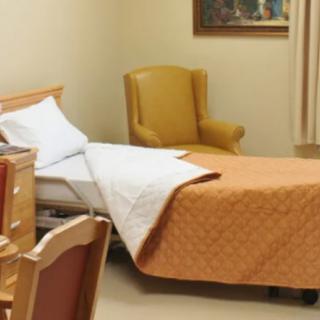
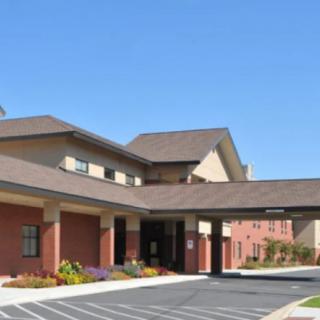
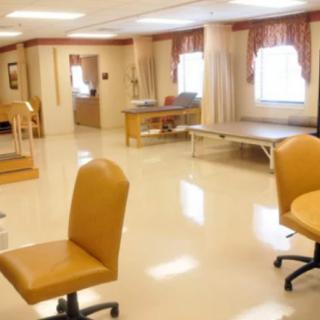
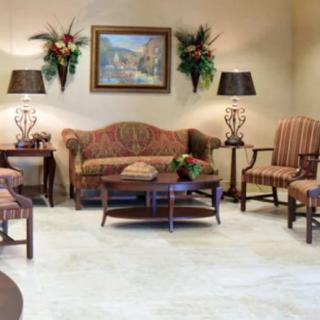
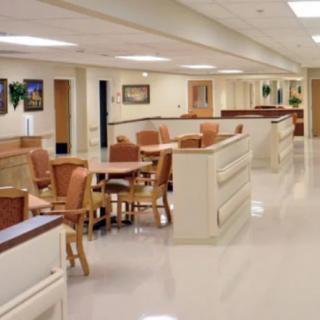
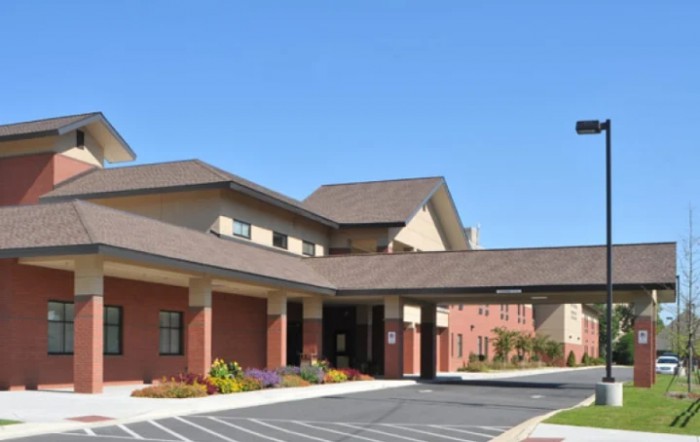
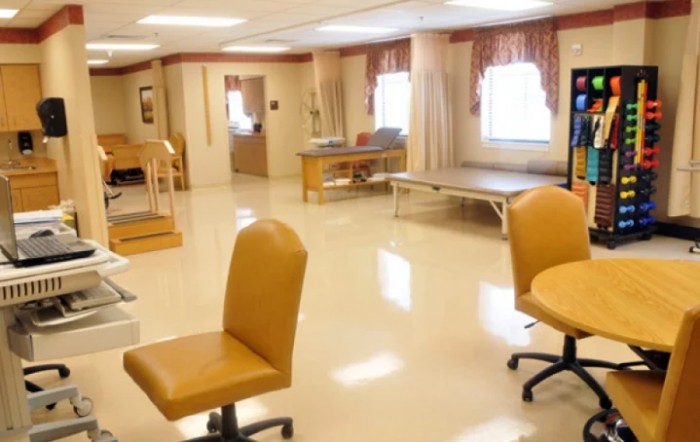
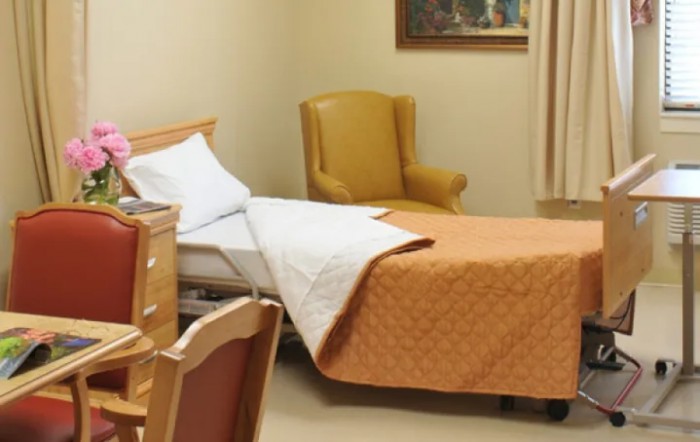
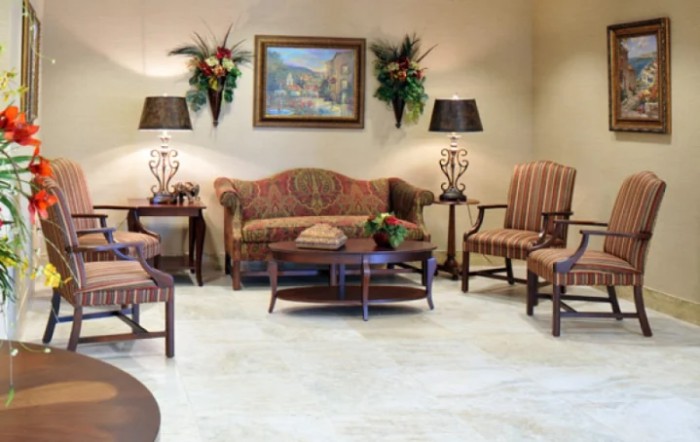
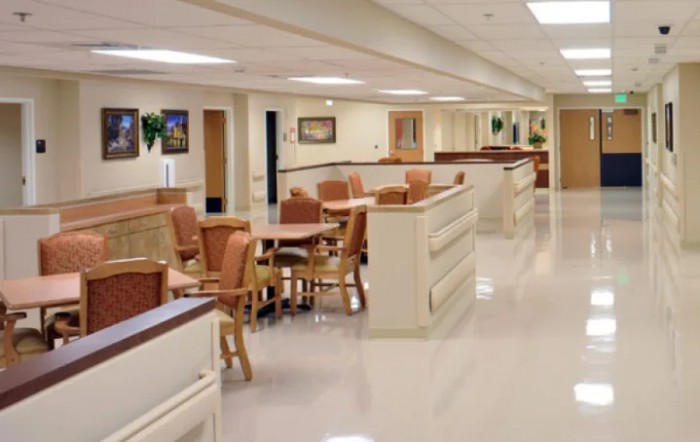
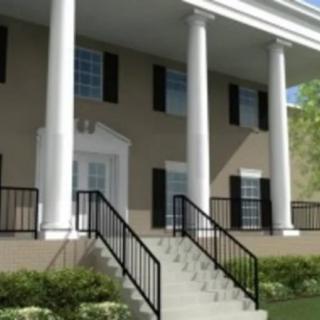
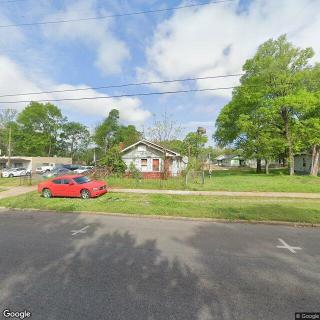
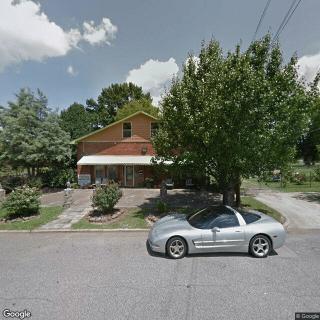
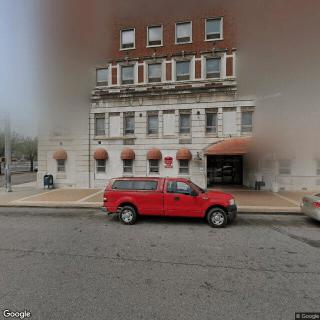
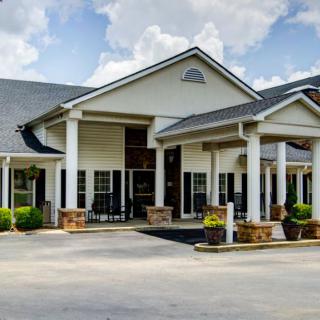
Arlington Rehabilitation & Healthcare Center on seniors.fyi includes 5 photos including images showing interior, windows, bedroom, hospital bed, artwork, decorative plants, waiting area, building, and more.
Nearby Communities
Princeton Hospital
Birmingham, AL
Extensive nearby amenities and healthcare access.
Golden Care Pro Domiciliary
Birmingham, AL
4.8 from 100 reviews
Specialized diabetic care with engaging activities and indoor social spaces.
Oak Knoll Health And Rehabilitation
Birmingham, AL
3.4 from 25 reviews
Extensive on-site amenities and comprehensive care services.
Faith Assisted Living
Birmingham, AL
5 from 3 reviews
Personalized diabetic care with on-site activities and meals provided.
Johnson's Domiciliary
Birmingham, AL
Abundant local amenities and healthcare options nearby.
Lena's Passionate Care
Birmingham, AL
3 from 1 review
Caregiver communication and proactive problem-solving.
Bankhead Towers
Birmingham, AL
2.2 from 24 reviews
Strong resident camaraderie and community support.
Greenbriar at the Altamont
Birmingham, AL
3.5 from 60 reviews
$1,189 to $2,040 / month
Friendly staff with a warm, historic setting in a convenient location.
Morningside of Vestavia Hills
Vestavia Hills, AL
4.6 from 133 reviews
$1,734 to $3,060 / month
Friendly staff, clean, welcoming environment with engaging activities.
The article offers detailed guidance on the financial complexities of nursing home care, covering costs, payment methods, and alternative funding strategies while emphasizing the importance of proactive planning and legal considerations for individuals and families making care decisions.
The article emphasizes the critical role of supportive employee benefits for caregivers, advocating for flexible scheduling, paid leave, and mental health services to ease their challenges while enhancing employee well-being and organizational loyalty. It also highlights the importance of strong leadership in promoting these initiatives to foster a sustainable workplace culture that values caregivers.
Senior drivers prioritize comfort, safety, and ease of use in vehicles due to age-related challenges, seeking features like easy entry, clear visibility, and modern driver-assistance technologies. Recommended models include the Subaru Forester, Honda CR-V, and Toyota Camry, with emphasis on test-driving for personal comfort and evaluating crash-test ratings alongside insurance considerations.
Arlington Rehabilitation & Healthcare Center photos
×
Interior
Building
Windows
Artwork
Waiting Area
Interior
Bedroom and Hospital Bed
Windows, Healthcare, and Therapy Room
Building, Architecture, Entrance, and Parking
Artwork and Decorative Plants
Waiting Area
Get PricingAsk A QuestionSchedule A TourContact Senior Advisor
By clicking submit, you agree to our Partner's Terms of Use. You
also consent to receive calls and texts, which may be autodialed, from our Partner. Your consent is not a condition to
using our Partner's service. Please visit our Partner's Privacy Policy for information about their privacy practices.

 117 resident community capacity
 Skilled Nursing Facility
 Air-conditioning
 Beauty salon
 Cable or satellite TV
 Computer center
 Dining room
 Fitness room
 Fully furnished
 Gaming room
 Garden
 Housekeeping services
 Kitchenette
 Move-in coordination
 Outdoor space
 Private bathrooms
 Restaurant-style dining
 Small library
 Telephone
 Wellness center
 Wi-Fi/high-speed internet available
 Birmingham International (7 miles away)
 Community operated transportation
 12-16 hour nursing
 24-hour call system
 Activities of daily living assistance
 Assistance with bathing
 Assistance with dressing
 Assistance with transfers
 Diabetes diet
 Medication management
 Mental wellness program
 Special dietary restrictions
 Concierge services
 Planned day trips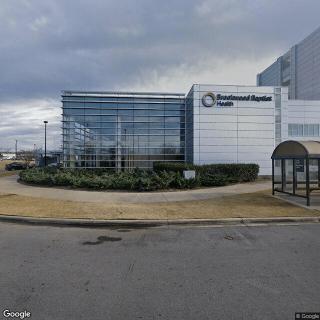
 Extensive nearby amenities and healthcare access.


 Navigating the Financial Road to Nursing Home Care: In-Depth Guidance and Resources
 Supportive Employee Benefits That Help Caregivers Attain Better Work-Life Harmony
 Top Cars for Senior Drivers and Essential Safety Innovations