
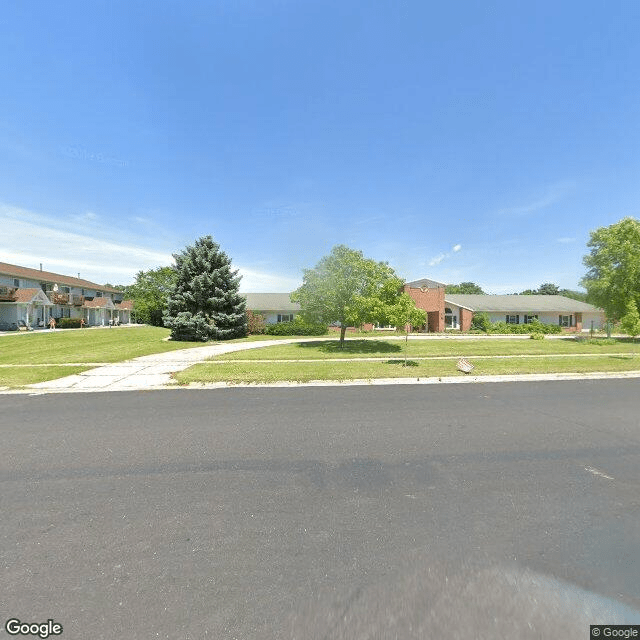
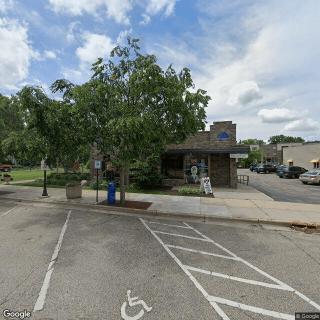
1940 Jackson St, Stoughton, WI 53589
To contact a resident: (608) 873-1327
For more information about senior living options: (866) 208-4318
Serenity Homes - Stoughton Costs & Pricing
Serenity Homes - Stoughton offers a competitive pricing structure for its studio accommodations, setting its monthly rate at $3,400. This cost not only positions it below the average for Rock County, which is $3,525, but also provides significant savings compared to the statewide average of $3,999 in Wisconsin. By maintaining such attractive pricing, Serenity Homes - Stoughton underscores its commitment to delivering quality living options that are both accessible and affordable for residents seeking supportive services in a vibrant community setting.
| Floor plans | Serenity Homes - Stoughton | Rock County | Wisconsin |
|---|---|---|---|
| Studio | $3,400 | $3,525 | $3,999 |
Memory care communities with a similar price nearby
-
from +$600 / mo
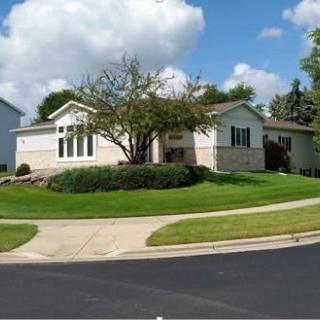
Timberwood Lodge Assisted Living and Memory Care
$4,000 to $4,500 / month13.5 miles away -
About the same
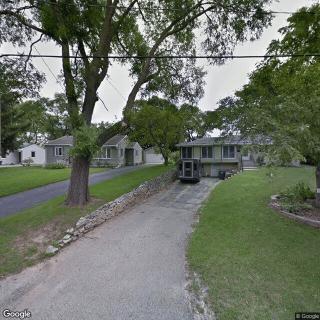
Reynolds Assisted Living Home LLC
$3,500 to $3,750 / month10.8 miles away -
About the same
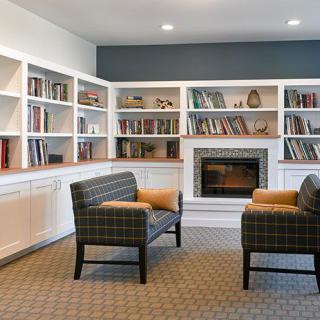
Reena Senior Living
$3,330 to $4,160 / month19.3 miles away -
from +$500 / mo
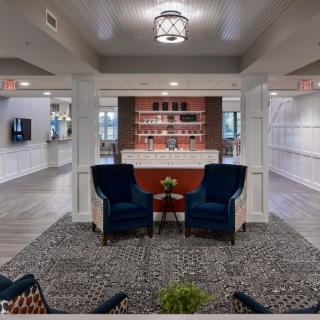
Kettle Park Senior Living
$3,900 to $4,820 / month1.6 miles away -
from +$400 / mo
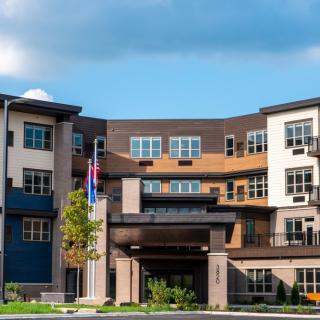
Cardinal View Senior Living
$3,800 to $5,000 / month19.5 miles away
Overall Review of Serenity Homes - Stoughton
Pros
 The place is nice and the staff is great.
- The experience has been wonderful, and the staff is excellent.
- Tina and Jameson were very helpful with the move-in and settling his dad at Stoughton Meadows.
- Everyone there has been a pleasure to work with and very accommodating.
- The value at Serenity Homes is great.
- He has a beautiful room, a nice place to sit, and it's not crowded.
- The facility is reasonably priced, clean, and nice.
Cons
 The caregivers and med passers sit in the medroom too much.
- Lights were going off, and family members were there asking for assistance, while the staff showed no sense of urgency.
- Two staff members were told about residents needing assistance twice, but they disregarded the caller and continued their conversation.
- The reviewer notes there are fewer nurses on staff than at the previous facility.
Review
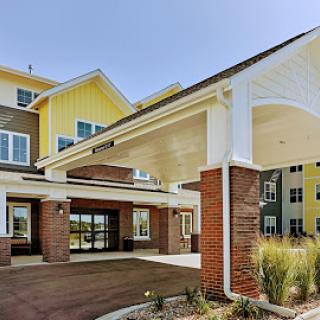
Serenity Homes in Stoughton is best suited for families seeking an intimate, low-volume setting where a loved one can receive highly personalized attention at a compassionate price. The residence feels calm and home-like, with comfortable rooms and a not-crowded atmosphere that lends itself to steadier, relationship-driven caregiving. It’s particularly appealing for residents with late-stage dementia whose daily needs benefit from consistent, one-on-one style care rather than a large, fast-paced memory care floor.
Those evaluating options for a more bustling, nurse-driven environment may want to consider alternatives. The small size, often around a half-dozen residents at a time, means staffing per shift can be leaner than at larger facilities. Families who require frequent, urgent access to nurses, more comprehensive medical oversight, or more structured daytime programming may find Serenity’s scale too limited. For caregivers who place a premium on a busier pace and more formal activity schedules, a larger memory care community could be a better fit.
The strongest pro set rests on the personal touch and affordability. Reviewants repeatedly highlight how caring, approachable staff make a genuine difference, with move-in support from Tina and Jameson being a standout example. The facility earns praise for value, with a reasonable price point relative to the care delivered, and residents are described as getting notably individualized attention because there are fewer residents to divide attention among. The rooms are described as beautiful, with enough space and a calm, uncluttered environment that reduces overstimulation for someone with dementia.
Yet, a recurring caveat shadows the positives: occasional lapses in responsiveness. One reviewer reported staff lingering in a med room and a lack of urgency when family members requested assistance, suggesting times when the pace of service did not meet expectations. The comparison to prior facilities with more nurses on staff underscores a potential anxiety point for families who fear delays in routine care or medical tasks. In practice, the small footprint can amplify the impact of a single shift’s gaps, even as it can also intensify attention when caregivers are present.
Overall, the pros, personalized, neighborly care, tranquil surroundings, and strong value, offset many of the cons for residents who thrive on stability and intimate attention. The reality is that the setting supports deep, familiar relationships with caregivers, which can translate into consistently gentle routines, careful monitoring, and meaningful, low-stress days for someone navigating late-stage dementia. However, the limited ancillary staff presence means families should monitor staffing levels, ask pointed questions about nurse coverage, and verify the med-pass process to ensure timely responses during busy periods.
For decision-making, Serenity Homes represents a compelling option when the priority is an affordable, intimate environment where staff can know a resident well and respond with warmth. It is less compelling for families who equate care with high nurse-to-resident ratios, rapid response times, or robust daytime programming. Prospective movers should schedule a tour with a direct look at how med passes are managed, how quickly call bells are answered, and what typical staffing looks like across shifts. Inquiries about current occupancy, staff turnover, and the availability of Alzheimer’s-trained personnel will sharpen the fit.
In the end, Serenity Homes is a practical, experienced choice for those prioritizing personalized, affordable care in a serene setting. It earns confidence for families who value close caregiver relationships and a calm daily rhythm, and who are comfortable navigating the trade-off of a smaller operation with potential gaps in urgent responsiveness. For others, a larger community with more comprehensive staffing and programming may be worth pursuing. The key is to align the care style and staffing expectations with the resident’s acuity and desired daily routine before deciding.
 Memory Care
 Cats allowed
 Dogs allowed
 Activities off-site
 Beautician on-site
 Devotional services off-site
 Indoor common areas
 Outdoor common areas
 Respite or short term stays offered
 Wheelchair accessible showers
 Dane County Regional (16 miles away)
 Diabetic care
 Incontinence care
 Medication management
 Meals provided


 Estimating the Expenses of At-Home Dementia Care: A Detailed Exploration
 Comprehensive Insights on the Late Stages of Dementia: What to Expect and How to Provide Care
 Medications Associated with Dementia Risk: A Comprehensive Overview