For more information about senior living options: (866) 208-4318
4.3 from 26 reviews
5 stars
15
4 stars
8
3 stars
0
2 stars
1
1 stars
2
Stoughton Meadows Assisted Living Costs & Pricing
Stoughton Meadows Assisted Living offers competitive pricing for its residents, particularly when compared to local and state averages. For a studio apartment, the monthly cost is $4,000, which is higher than the Rock County average of $3,525 but remains within reach of the Wisconsin state average of $3,999. Similarly, their one-bedroom units are priced at $4,400, surpassing both local and state averages - Rock County's average being $3,310 and Wisconsin's at $3,412. While Stoughton Meadows may be on the higher end of the spectrum in these areas, many families find that the enhanced quality of care and community amenities can justify the investment in their loved ones' well-being.
Floor plans
Stoughton Meadows Assisted Living
Rock County
Wisconsin
Studio
$4,000
$3,525
$3,999
1 Bedroom
$4,400
$3,310
$3,412
Assisted Living communities with a similar price nearby
Overall Review of Stoughton Meadows Assisted Living
common9 reviews mention this
Staff attentiveness comes through
Residents and families frequently describe staff as helpful, caring, and attentive.
Multiple reviewers say the staff is genuinely supportive, whether during a move-in, a tour, or day-to-day visits. Several comments highlight staff being responsive to needs and working to keep residents comfortable. A few reviews also contrast the experience by pointing out gaps in urgency and follow-through, especially around care moments that families expected staff to handle right away.
common4 reviews mention this
The community is kept clean
Reviews repeatedly mention a clean, well-kept facility.
Cleanliness comes up across several visits and interviews, with reviewers describing a well-maintained building and a generally tidy feel. One reviewer also notes cleanliness alongside how the food smelled, reinforcing that the overall environment felt cared for. Another comment mentions maintenance-style responsiveness, like addressing a comfort issue after it was requested.
common3 reviews mention this
Activities keep residents engaged
Residents benefit from on-site activities and social events.
Reviewers describe regular activities and events that help residents stay involved with others. One review specifically credits the activities director with planning and engaging events, while another points to group activities like singing and bingo. There’s also a note that the activity director helps residents stay active and social day to day.
common3 reviews mention this
Meal choices matter to families
Meals and meal flexibility are recurring points in reviews.
Several reviewers mention the dining experience with comments about how the food smelled and how meals fit residents’ preferences. One review says the community works with residents on meal choices, and another mentions being able to bring a resident food from other places. Together, these notes suggest dining is handled with some flexibility rather than strictly one set routine.
How we summarize
Counts show how many written reviews mention each theme; a review can touch several themes, and only frequently mentioned themes are displayed.
Features
Housing
1-bedroom apartments
Studio apartments
Types of Care
Assisted Living
Pets
Cats allowed
Dogs allowed
Amenities
Activities off-site
Activities on-site
Bath tubs
Beautician on-site
Cable or satellite TV
Computer center
Devotional services off-site
Dining room
Garden
Guasts at mealtime
Guest parking
Housekeeping services
Indoor common areas
Kitchenette
Laundry
Outdoor common areas
Overnight guests
Resident parking
Respite or short term stays offered
TV room
VA Benefits Consultation
Wheelchair accessible showers
Wi-Fi/high-speed internet available
Transportation
Dane County Regional (16 miles away)
Transportation & parking
Care Services
Diabetic care
Incontinence care
Medication management
Dining
Kosher
Meals provided
Room service
Vegetarian
Activities
Activities off-site
Activities on-site
Arts and crafts
Cooking club
Devotional activities offsite
Fitness programs
Games
Live musical performances
Religious services
Stories
Languages Spoken
English
Nearby Places of Interest
This part of Stoughton, Wisconsin, offers a range of amenities that cater to the needs of seniors. With multiple physicians, clinics, and pharmacies in close proximity, residents have convenient access to healthcare services. The presence of well-known restaurants and cafes provides opportunities for socializing and enjoying meals outside the home. Additionally, the nearby parks offer green spaces for outdoor activities and relaxation. Places of worship are also easily accessible for spiritual support and community involvement. With Stoughton Hospital located within a short distance, residents can feel reassured knowing that medical care is readily available. Overall, this area provides a balanced mix of essential services and recreational options for seniors looking to settle in a welcoming community.
Physicians
Stoughton Eye Care & Eyewear (0.1 miles)
Stoughton Clinic (0.4 miles)
Gerzenshtein Jacob MD Stoughton Hospital Plastic Surgery (1.9 miles)
Davis Duehr Dean (1.9 miles)
Advanced Care Dental (6.4 miles)
Dean Oregon Clinic (6.9 miles)
Mercy Evansville Medical Center (9.7 miles)
Restaurants
Banushis Bar & Grill (0.3 miles)
Arby's (0.3 miles)
Culver's (0.4 miles)
Deak's Pub & Grill (0.4 miles)
El Rio Grande (1.1 miles)
Wendigo (1.5 miles)
Viking Brew Pub (1.5 miles)
Pharmacies
Walmart Pharmacy (0.3 miles)
Walgreens (0.4 miles)
Thrifty White Drug 54 (1.5 miles)
McGlynn Pharmacy (1.5 miles)
Walgreens (6.9 miles)
Dean Pharmacy (6.9 miles)
Home Town Pharmacy (6.9 miles)
Cafes
Starbucks (0.4 miles)
Wildwood Cafe (1.5 miles)
Mcfarland House Ca (6.7 miles)
Firefly Coffeehouse (6.9 miles)
Main Street Cafe (10.1 miles)
Starbucks (10.2 miles)
Starbucks (10.6 miles)
Parks
Westview Ridge Park (0.6 miles)
Nordic Ridge Park (0.9 miles)
Viking Park (2.5 miles)
Lafollette County Park (3.4 miles)
John Blanchard Oregon Dog Park (6.3 miles)
Kiser Firemen's Park (6.7 miles)
Paradise Park (7 miles)
Places of Worship
Covenant Lutheran Church (1.2 miles)
First Lutheran Church (1.6 miles)
McFarland United Church of Christ (6.8 miles)
Free Episcopal Church (7.7 miles)
Hope Lutheran Church (8.9 miles)
Evansville Community Church (10.2 miles)
Hospitals
Stoughton Hospital (1.9 miles)
Stoughton Clinic (1.9 miles)
Stoughton Hospital - Geriatric Psychiatry Rose Inpatient Program (2 miles)
Stoughton Meadows Assisted Living offers competitive pricing for its residents, particularly when compared to local and state averages. For a studio apartment, the monthly cost is $4,000, which is higher than the Rock County average of $3,525 but remains within reach of the Wisconsin state average of $3,999. Similarly, their one-bedroom units are priced at $4,400, surpassing both local and state averages - Rock County's average being $3,310 and Wisconsin's at $3,412. While Stoughton Meadows may be on the higher end of the spectrum in these areas, many families find that the enhanced quality of care and community amenities can justify the investment in their loved ones' well-being.
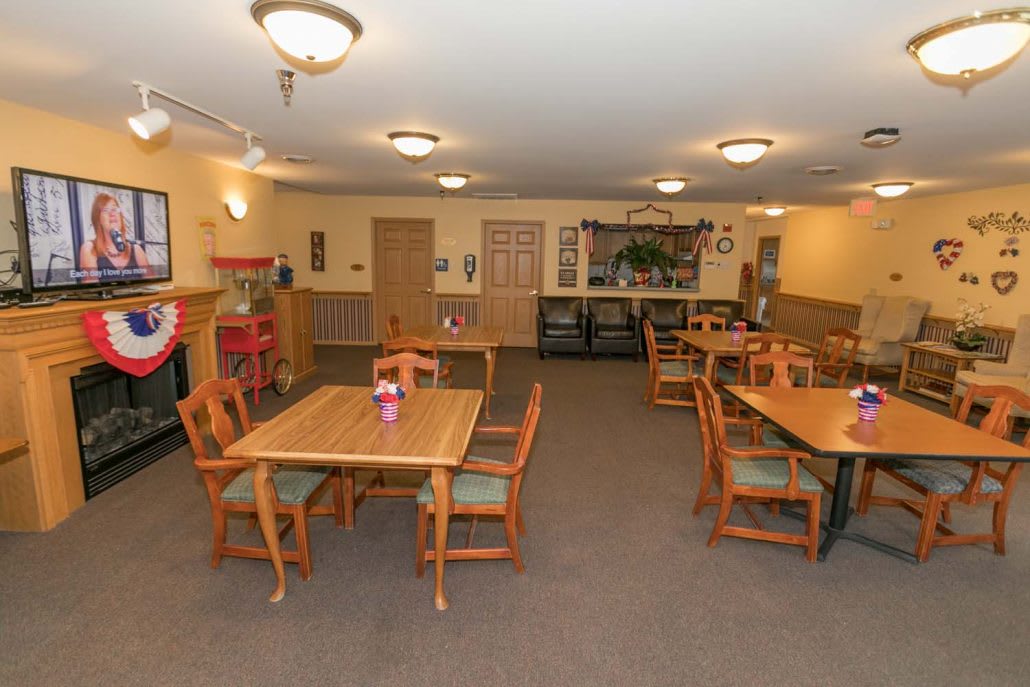
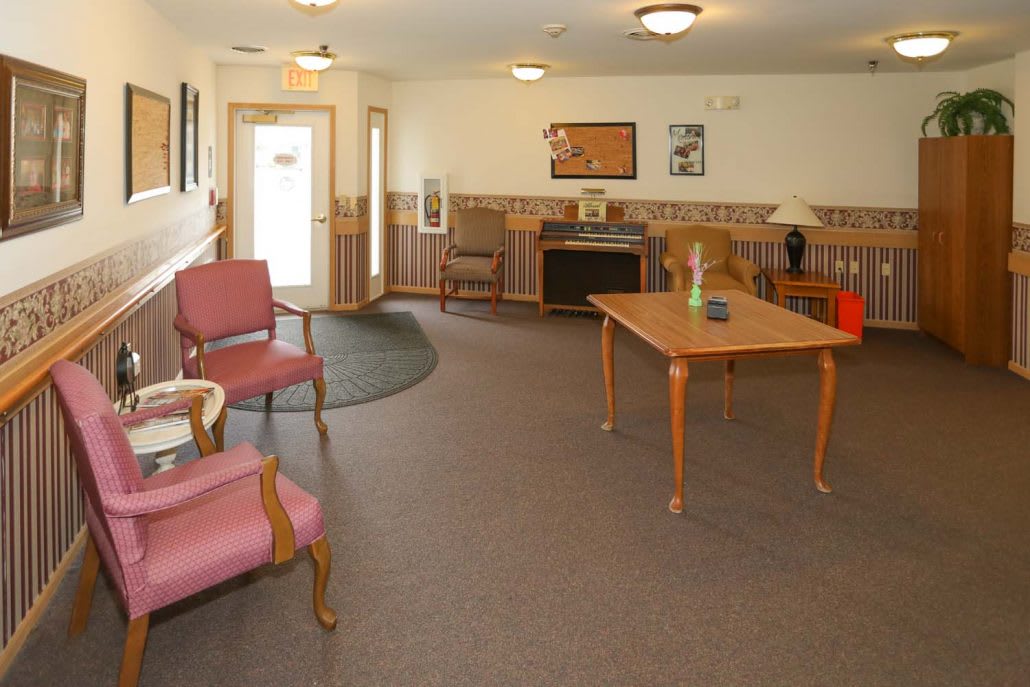
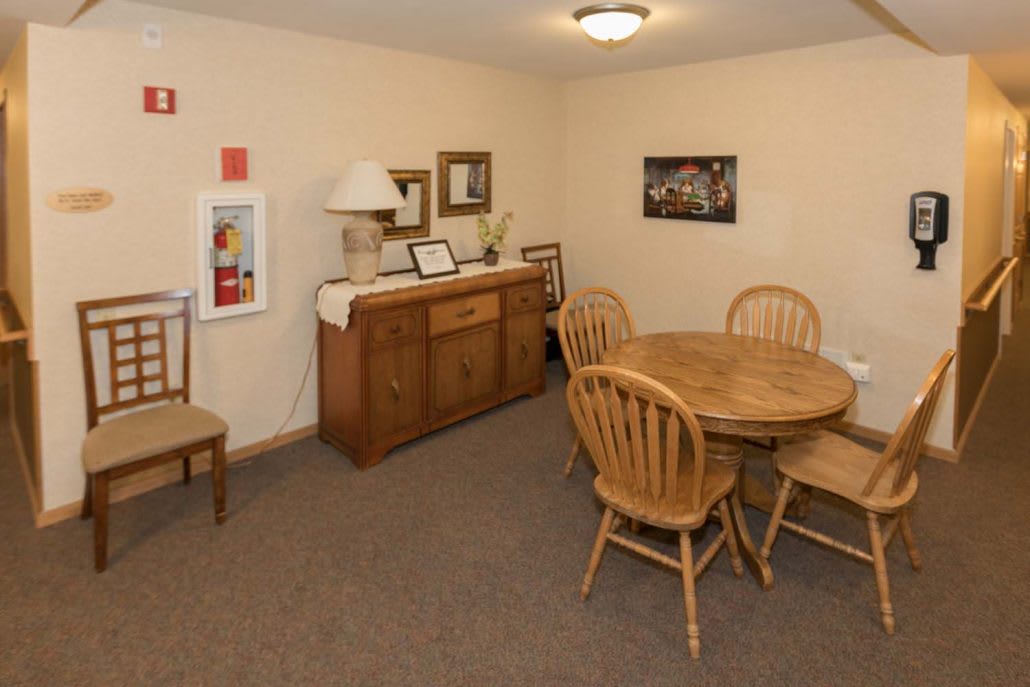
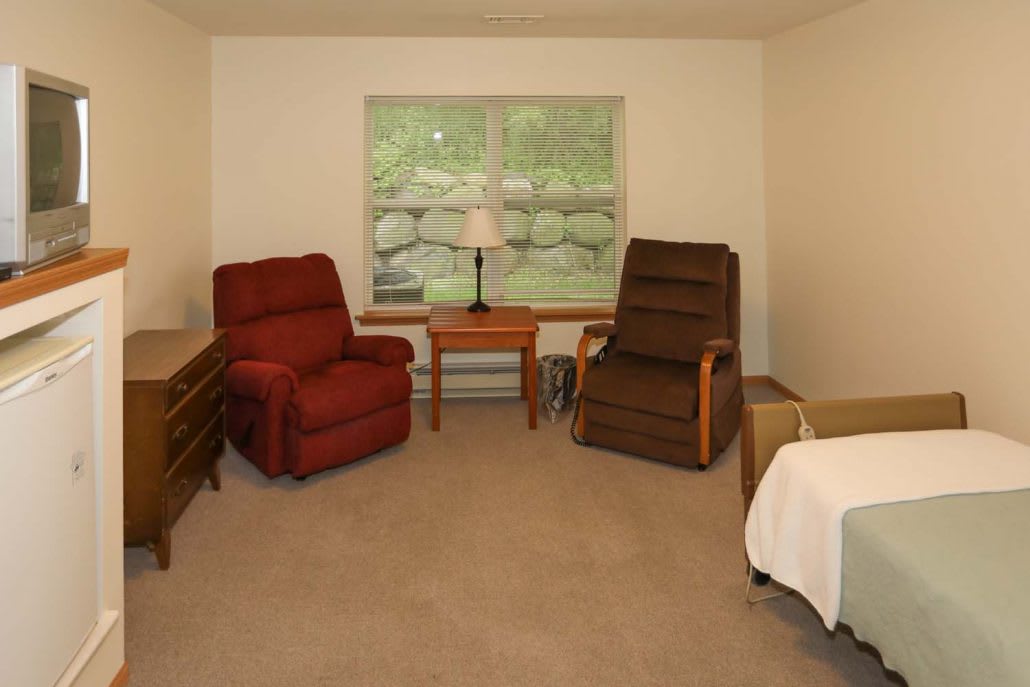
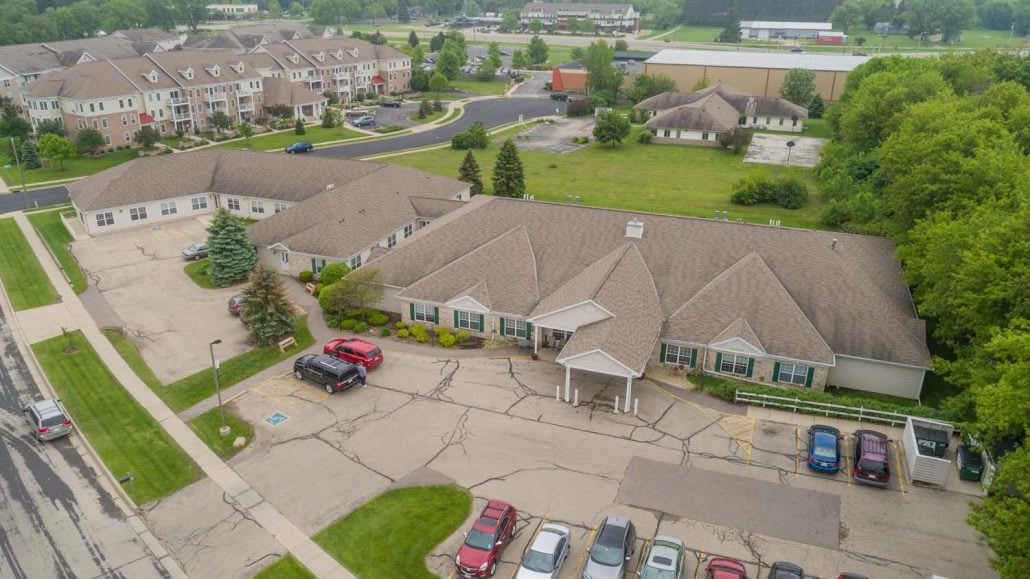
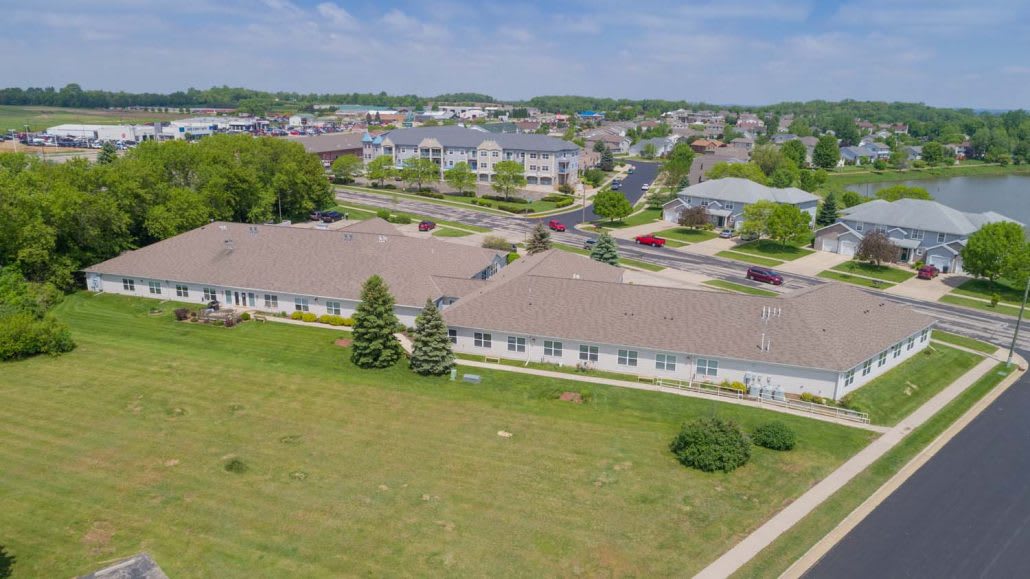
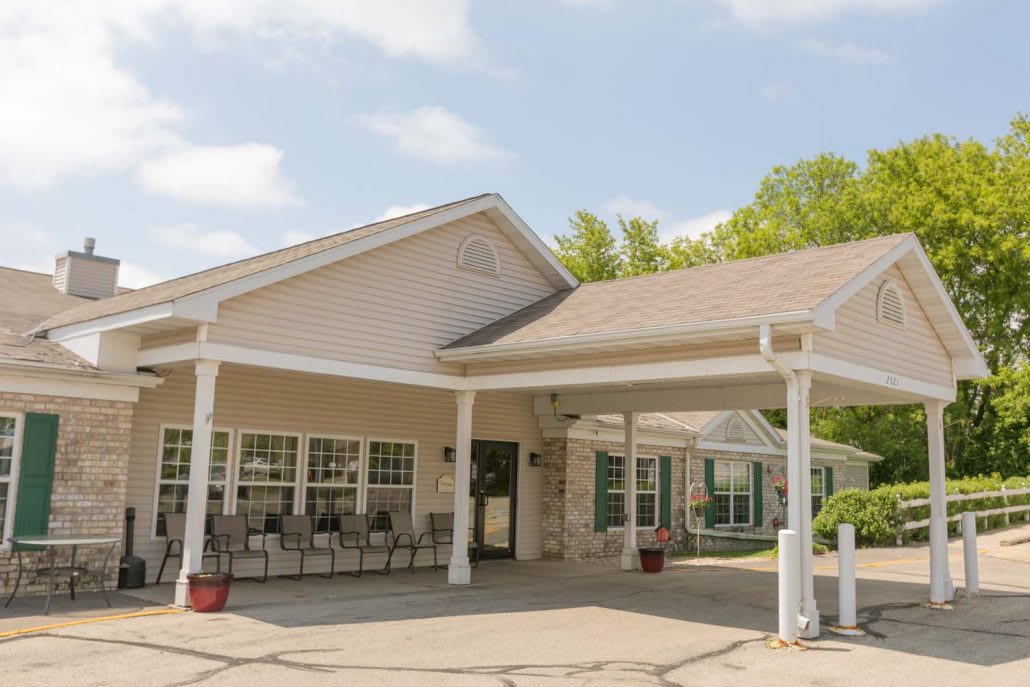
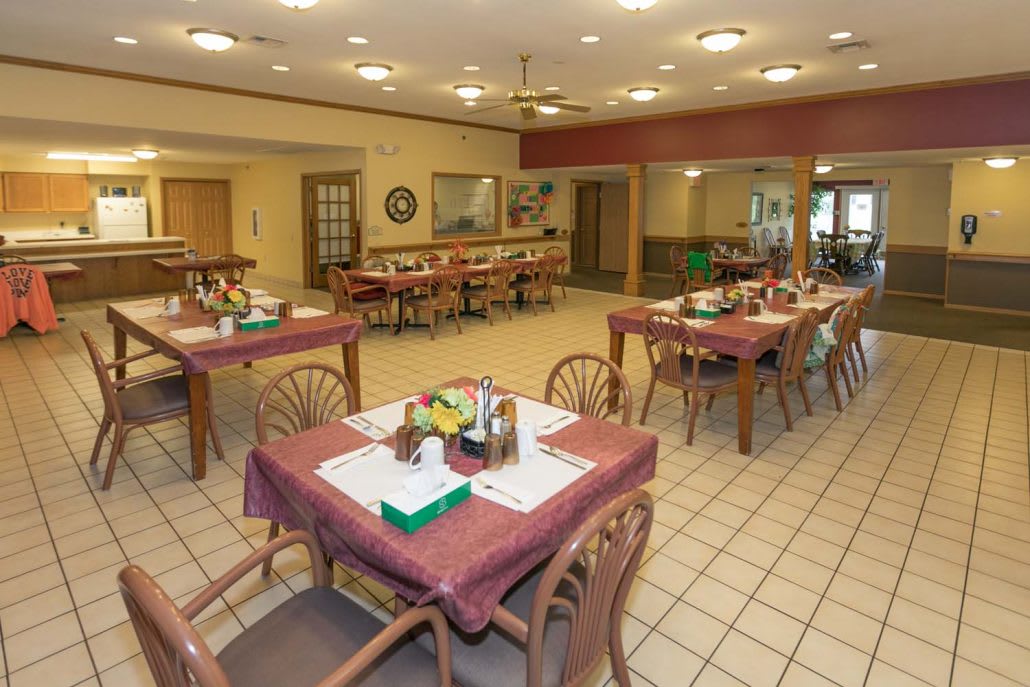
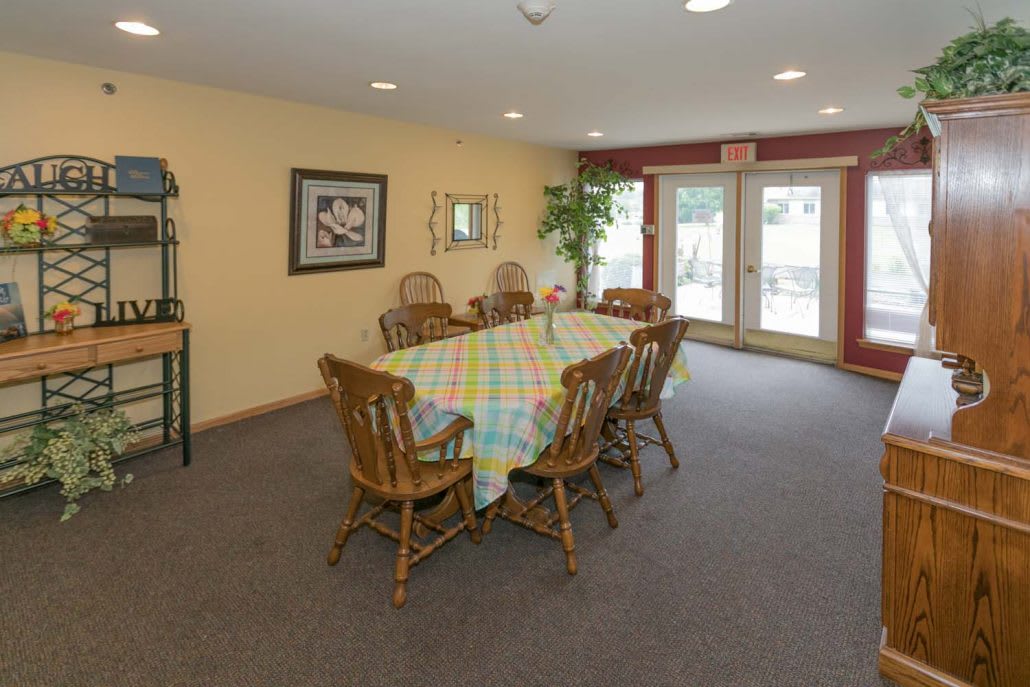
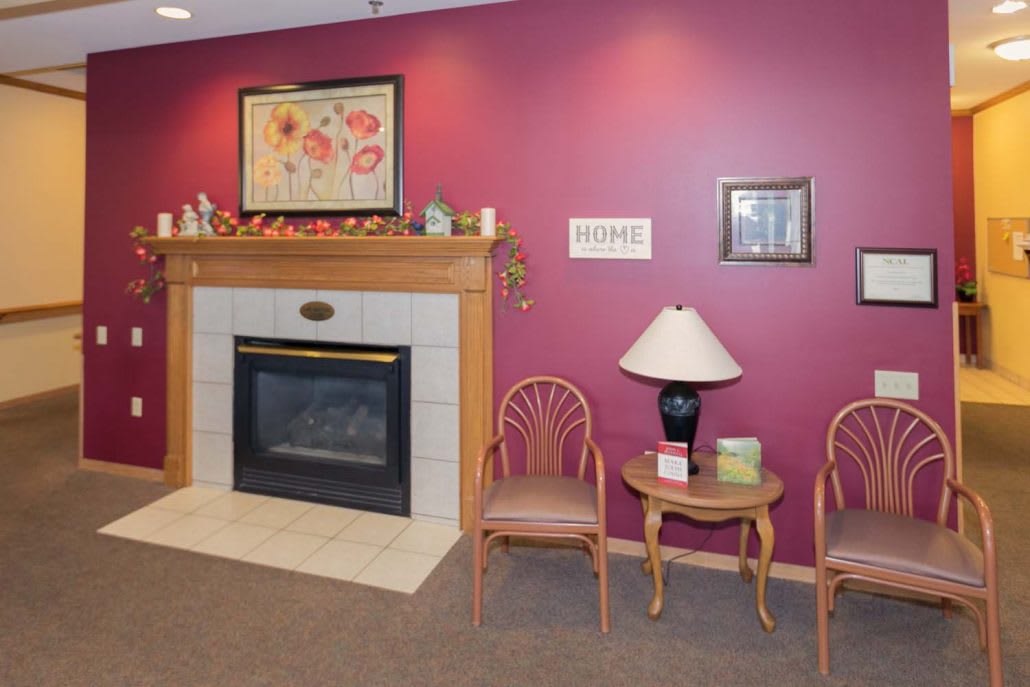
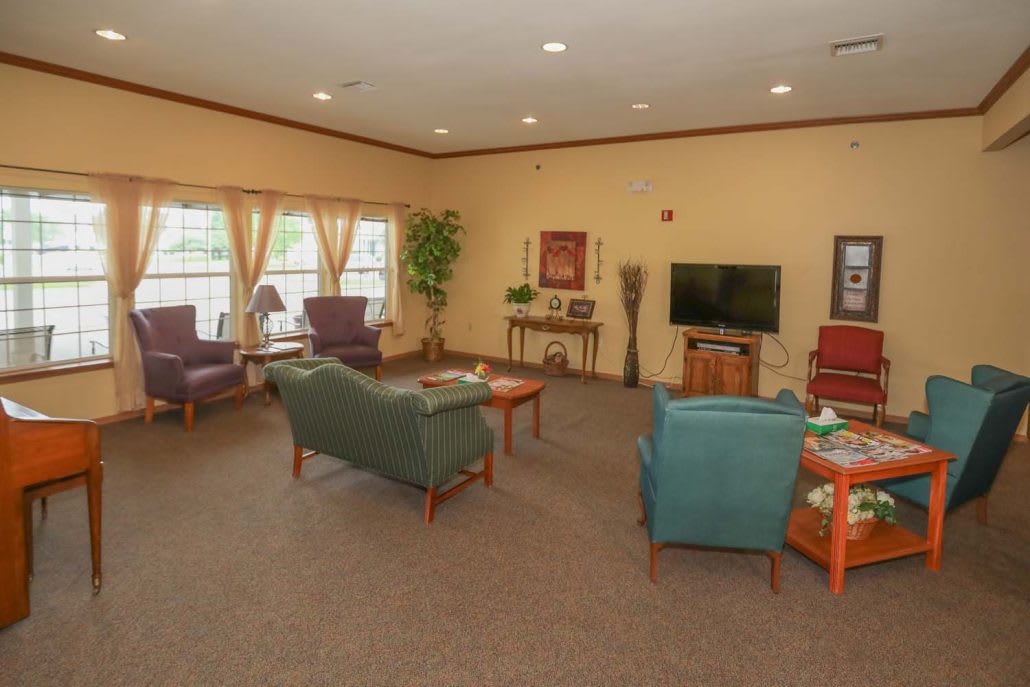
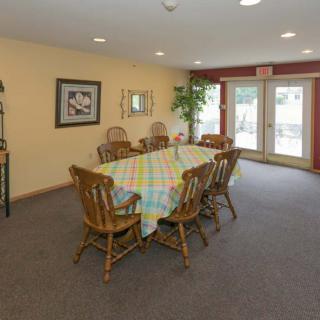
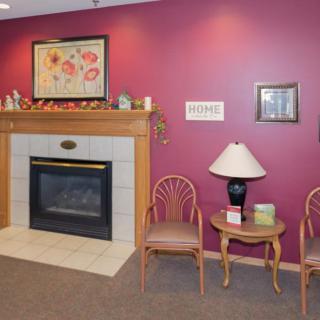
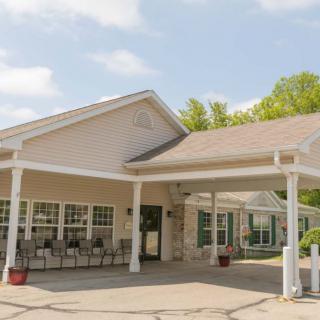
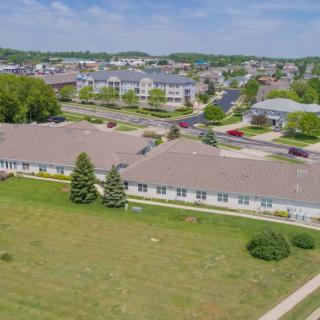
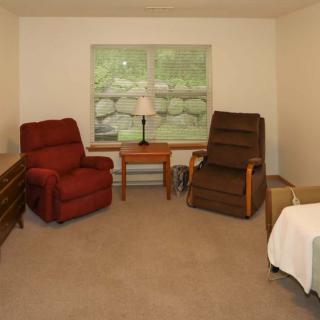
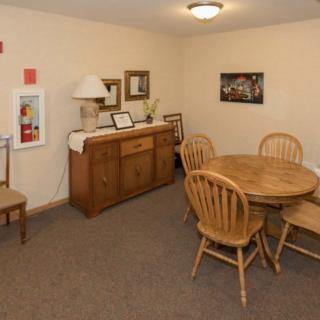
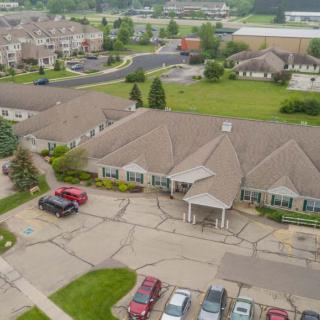
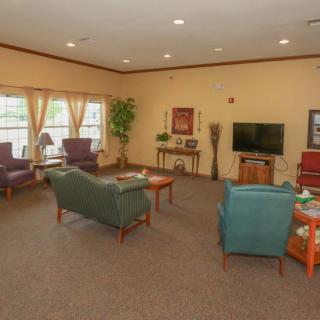
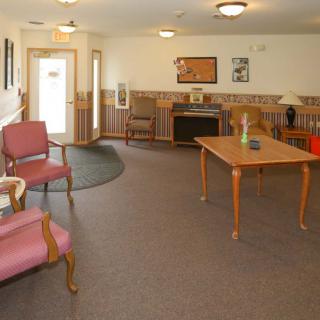
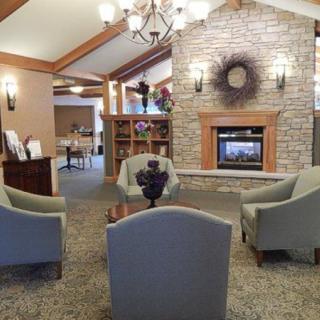
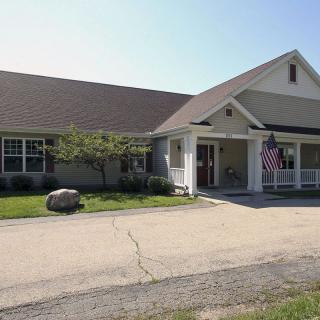
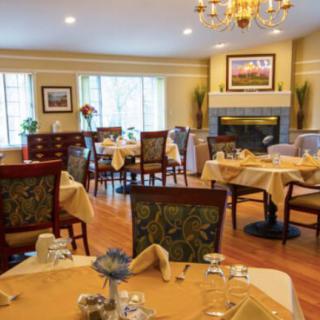
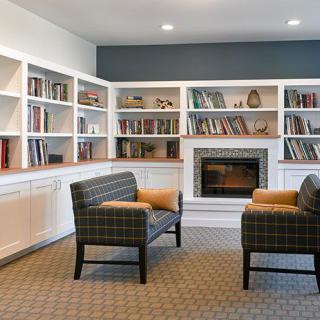
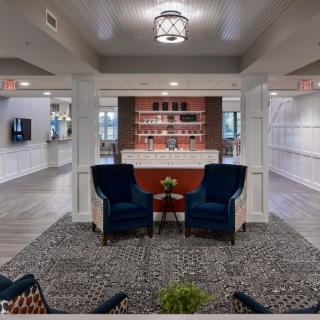
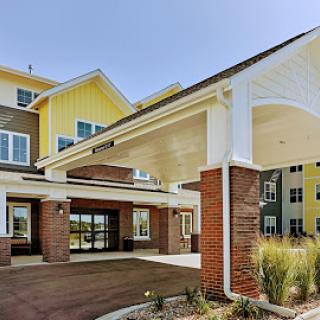
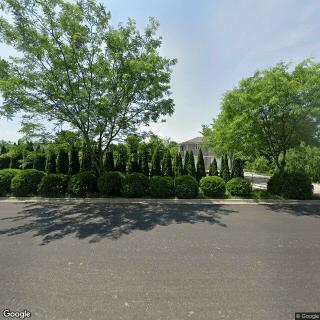
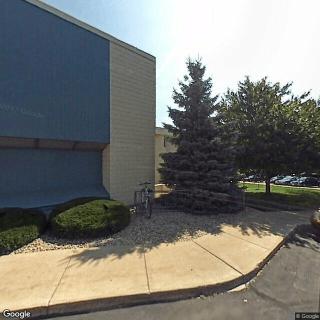
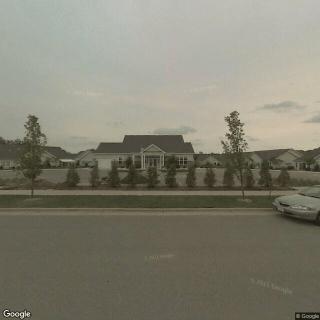
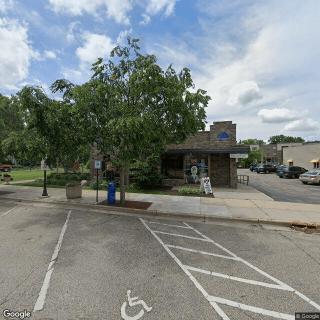
Stoughton Meadows Assisted Living on seniors.fyi includes 12 photos including images showing dining, interior, living room, building, aerial view, landscaping, decor, windows, and more.
Nearby Communities
Stoughton Meadows Senior Living
Stoughton, WI
4.6 from 8 reviews
Fully furnished apartments with 24/7 supervision, meal service, and social activities.
Serenity Homes - Stoughton
Stoughton, WI
4.6 from 9 reviews
$3,400 / month
Excellent personalized care in a low-occupancy setting with strong value.
Kettle Park Senior Living I
Stoughton, WI
4.7 from 22 reviews
$4,500 / month
Fully furnished units with restaurant-style dining and 24/7 care.
Kettle Park Senior Living II
Stoughton, WI
4.7 from 23 reviews
Welcoming, social atmosphere with engaging activities and flexible add-on services.
Greenwood Home
Stoughton, WI
4.5 from 2 reviews
$3,250 to $3,750 / month
Beautiful setting with spacious rooms, exceptional staff, and a pet-friendly environment.
Nazareth Health And Rehab Center
Stoughton, WI
4.6 from 117 reviews
Compassionate, patient staff with strong rehabilitation focus and engaging activities.
Skaalen Retirement Services
Stoughton, WI
3.8 from 42 reviews
$1,500 / month
Very affordable one-bedroom rate ($1,500/mo) compared to local averages.
Skaalen Village
McFarland, WI
Active on-site/off-site activities and devotional services with accessible facilities.
Rolling Meadows Homes Inc
Oregon, WI
5 from 1 review
Peaceful, tranquil setting with easy access to nearby amenities (cafes, parks, pharmacies, physicians, and places of worship).
The guide highlights the importance of assisted living facilities for aging veterans needing daily support, discusses unique challenges they face, and outlines available financial assistance from the VA, including the Aid and Attendance program. It emphasizes understanding eligibility criteria and navigating the VA system to access necessary benefits effectively.
The article compares assisted living and skilled nursing facilities, detailing their differing levels of assistance, medical support, cost structures, and day-to-day experiences. It emphasizes that assisted living is for those needing help with daily activities while maintaining independence, whereas skilled nursing facilities provide intensive medical care with 24-hour staff supervision.
The transition from assisted living to skilled nursing care is often prompted by complex medical needs that assisted living cannot meet, with key indicators including frequent health declines, increased falls, severe memory issues, and caregiver burnout. Families should recognize these signs early to discuss options with healthcare providers and prepare for the emotional and logistical aspects of moving to a facility that offers comprehensive medical support.
Architecture, Outdoor, Entrance, and Covered Porch
Trees
Artwork
Television and Indoor Plants
Fireplace and Wall Art
Lobby and Waiting Area
Aerial View
Get PricingAsk A QuestionSchedule A TourContact Senior Advisor
By clicking submit, you agree to our Partner's Terms of Use. You
also consent to receive calls and texts, which may be autodialed, from our Partner. Your consent is not a condition to
using our Partner's service. Please visit our Partner's Privacy Policy for information about their privacy practices.

 1-bedroom apartments
 Assisted Living
 Cats allowed
 Dogs allowed
 Activities off-site
 Bath tubs
 Beautician on-site
 Cable or satellite TV
 Computer center
 Devotional services off-site
 Dining room
 Garden
 Guest parking
 Housekeeping services
 Indoor common areas
 Kitchenette
 Laundry
 Outdoor common areas
 Overnight guests
 Respite or short term stays offered
 VA Benefits Consultation
 Wheelchair accessible showers
 Wi-Fi/high-speed internet available
 Dane County Regional (16 miles away)
 Transportation & parking
 Diabetic care
 Incontinence care
 Medication management
 Kosher
 Arts and crafts
 Cooking club
 Fitness programs
 Games
Games Live musical performances
 Stories
 English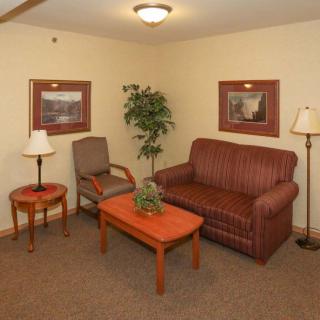
 Fully furnished apartments with 24/7 supervision, meal service, and social activities.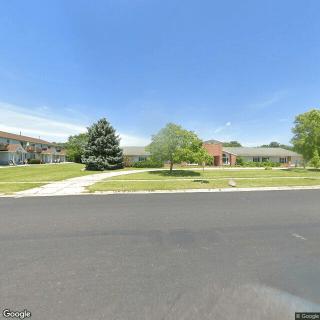


 Assisted Living Support for Veterans: A Complete and Detailed Overview
 Exploring the Contrasts Between Assisted Living and Skilled Nursing
 8 Key Indicators That Suggest It May Be Time to Transition from Assisted Living to Skilled Nursing Care