Towner Crest offers competitive pricing in the realm of assisted living accommodations, particularly when compared to the averages for Waukesha County and the state of Wisconsin. For a one-bedroom unit, Towner Crest is priced at $1,910, significantly lower than the county's average of $2,752 and well below the state level of $3,412. Interestingly, while two-bedroom units at Towner Crest are listed at $3,150 - slightly above Waukesha County's average of $2,524 - they remain comparable to Wisconsin's overall average of $3,111. Conversely, for studio apartments, Towner Crest stands out with a rate of $5,625, which exceeds both Waukesha County's figure of $4,225 and the state's average of $3,999. Overall, these figures highlight Towner Crest as an appealing option for those seeking affordability in key living arrangements amidst varying regional costs.
Floor plans
Towner Crest
Waukesha County
Wisconsin
1 Bedroom
$1,910
$2,752
$3,412
2 Bedrooms
$3,150
$2,524
$3,111
Studio
$5,625
$4,225
$3,999
Memory care communities with a similar price nearby
Residents describe staff who are caring, attentive, and quick to respond to concerns.
Across the reviews, families consistently describe staff who pay attention to individual needs and treat residents with respect. People mention caregivers stopping in frequently for conversation and support, along with clear communication when questions come up. Several reviewers also highlight nursing and administration as professional and engaged, including quick contact when medical issues arise.
differentiator6 reviews mention this
Memory care and Arbor support
The Arbor memory care setting is described as providing excellent, adapted support.
Residents and families who referenced the Arbor describe care that fits changing needs, including dementia-related challenges. Multiple reviews specifically call out memory care staff as respectful and attentive, with support that extends to both daily routines and family communication. One reviewer also describes a smooth transition into the Arbor, while another memory care review includes concerns about follow-through and communication.
common10 reviews mention this
Dining and chef-led meals
Dining stands out for variety, and many mention breakfast as a convenient perk.
Reviewers frequently talk about meal quality and how dining works day to day. Several families mention the Bistro and Dining Room, noting that food is good and offers variety, and that chefs ask residents for preferences. A common point is that breakfast is free, while other meals may be purchased if residents choose that option.
common13 reviews mention this
Activities keep residents engaged
Residents and families describe an active schedule with outings, groups, and social events.
Many reviews point to a steady stream of activities that help residents stay connected and involved. Families mention events like social hours, religious programming, games, and group outings, along with options that seem designed to match different interests. Some reviewers also describe activities continuing across care stages, including memory care and independent living.
common8 reviews mention this
Faith-centered life and on-site spaces
On-site spiritual programming and spaces are a recurring highlight in reviews.
Several reviewers describe faith-based offerings as part of daily life, including chapel access, church events, and Bible study or devotional practices. Families also connect the community’s spiritual environment with resident comfort and meaningful engagement. This lines up with the community’s focus on on-site devotional services and activities that include faith-oriented events.
How we summarize
Counts show how many written reviews mention each theme; a review can touch several themes, and only frequently mentioned themes are displayed.
Features
Types of Care
Independent Living
Memory Care
Pets
Cats allowed
Dogs allowed
Amenities
Activities on-site
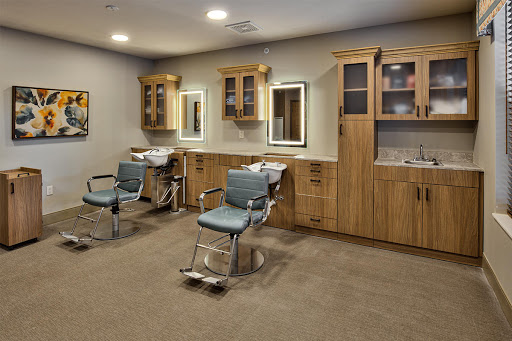
Beautician on-site
Cable or satellite TV
Devotional services on-site
Indoor common areas
Outdoor common areas
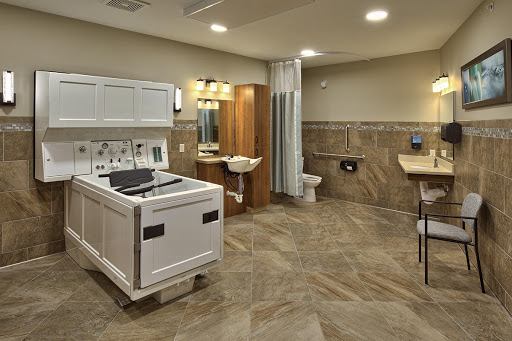
Wheelchair accessible showers
Wi-Fi/high-speed internet available
Care Services
Diabetic care
Incontinence care
Medication management
Dining
Guest meals
Meals provided
Professional chef
Restaurant style dining
Room service
Activities
Activities on-site
Cooking classes
Day trips and outings
Devotional activities on-site
Gardening club
Intergenerational programs
Live well programs
Stretching classes
Trivia games
Wii bowling
Yoga / chair yoga
Videos
Nearby Places of Interest
This part of Oconomowoc, Wisconsin offers a convenient and bustling community with various amenities nearby. With several pharmacies, restaurants, physicians, hospitals, parks, cafes, and even a theater within a short distance, residents have easy access to essential services and entertainment options. The proximity to healthcare facilities such as Oconomowoc Memorial Hospital and Aurora Medical Center Summit ensures quality medical care is readily available. The abundance of parks like Fowler Park and Cushing Memorial State Park provide opportunities for outdoor recreation and relaxation. Overall, this area provides a well-rounded living environment for seniors looking for convenience and comfort in their daily lives.
Pharmacies
Pick 'n Save Pharmacy (0.1 miles)
Aurora Pharmacy (0.6 miles)
Prescription Center Pharmacy (0.6 miles)
Walgreens (0.7 miles)
Health Mart Pharmacy (1.6 miles)
Metro Market (2.1 miles)
Pick 'n Save Pharmacy (2.1 miles)
Restaurants
McDonald's (0.3 miles)
Kiltie Drive-In (0.8 miles)
Culver's (0.9 miles)
SteelTank Brewing Co. (0.9 miles)
Coco's Seafood and Steakhouse (0.9 miles)
Maxims Restaurant (1 miles)
MOD Pizza (2 miles)
Physicians
Dr Dale Johnson and Kristen Vento (0.4 miles)
Aurora Wilkinson Medical Clinic (0.6 miles)
Aurora Urgent Care Oconomowoc (0.6 miles)
Dr Andrew Schroettner (0.6 miles)
Oconomowoc Medical Clinic (0.6 miles)
Central Otologic (0.6 miles)
Dr. Richard Neils, MD (0.6 miles)
Hospitals
Oconomowoc Memorial Hospital (0.5 miles)
Corporate Center- Rogers Behavioral Health (2.2 miles)
Rogers Behavioral Health (2.6 miles)
Rogers Memorial Hospital (2.6 miles)
Aurora Medical Center Summit (2.8 miles)
Waukesha Memorial Hospital (6.1 miles)
Parks
Fowler Park (0.8 miles)
Roosevelt Park (1.2 miles)
Nashotah Park (4 miles)
Cushing Memorial State Park (4.4 miles)
Kettle Moraine State Forest - Lapham Peak Unit (6 miles)
Towner Crest offers competitive pricing in the realm of assisted living accommodations, particularly when compared to the averages for Waukesha County and the state of Wisconsin. For a one-bedroom unit, Towner Crest is priced at $1,910, significantly lower than the county's average of $2,752 and well below the state level of $3,412. Interestingly, while two-bedroom units at Towner Crest are listed at $3,150 - slightly above Waukesha County's average of $2,524 - they remain comparable to Wisconsin's overall average of $3,111. Conversely, for studio apartments, Towner Crest stands out with a rate of $5,625, which exceeds both Waukesha County's figure of $4,225 and the state's average of $3,999. Overall, these figures highlight Towner Crest as an appealing option for those seeking affordability in key living arrangements amidst varying regional costs.
Towner Crest's medication management ensures that residents receive their prescribed medications accurately and on time, reducing the risk of confusion and potential health complications associated with missed doses or incorrect usage. This structured approach not only supports overall health but also fosters a sense of routine, which is particularly beneficial for individuals with memory impairments. Incontinence care further enhances the quality of life for residents by providing compassionate and dignified assistance, minimizing discomfort and anxiety related to incontinence issues. By addressing these fundamental needs with sensitivity and professionalism, Towner Crest allows residents to focus on engagement and social interaction, ultimately promoting a more comfortable living environment tailored to those experiencing cognitive decline.
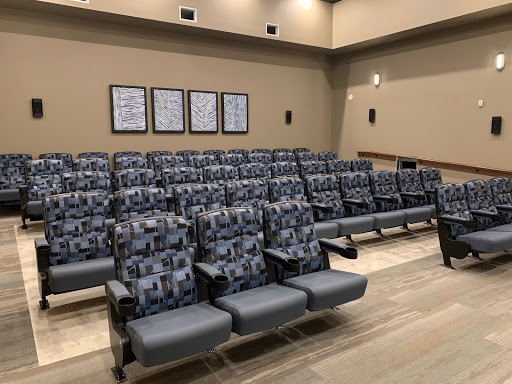
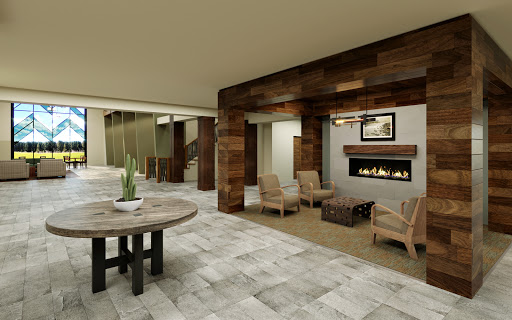
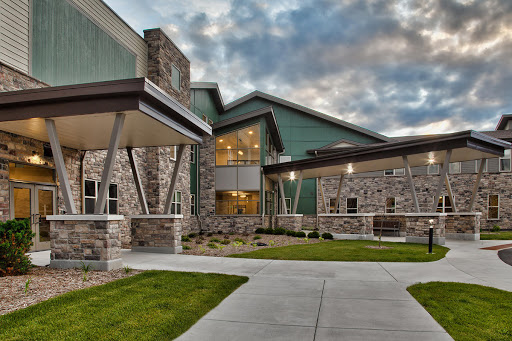
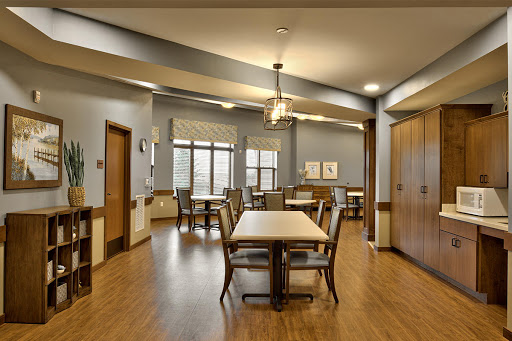
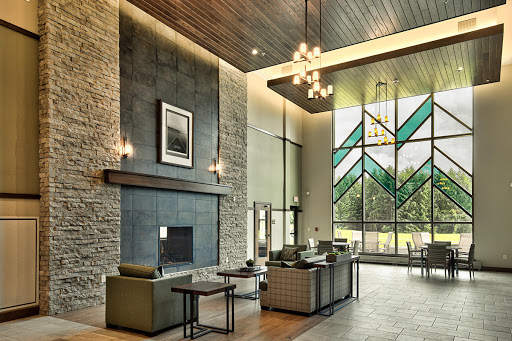
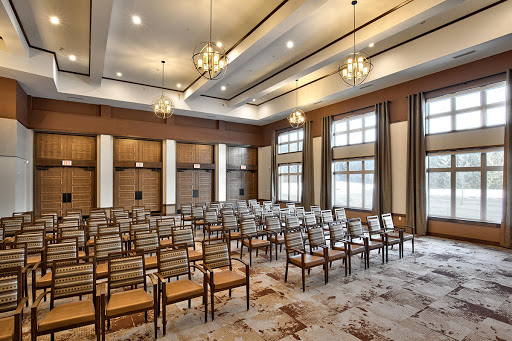
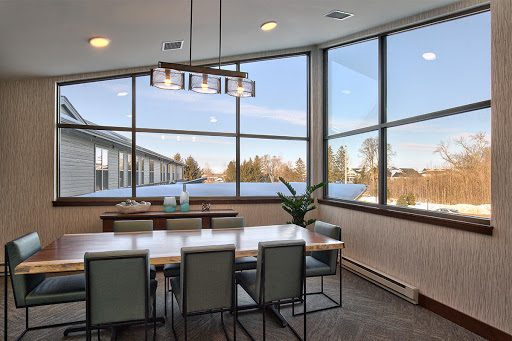
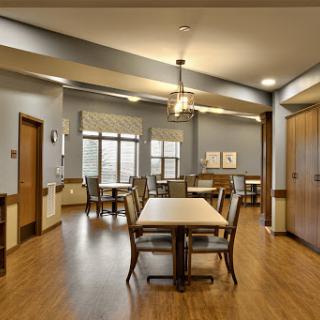
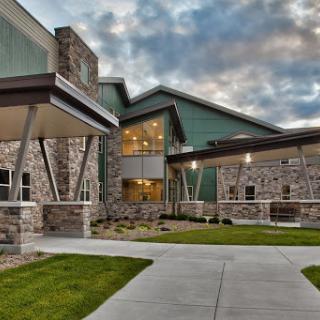
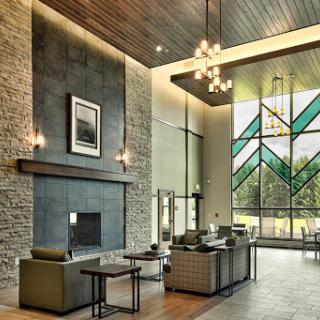
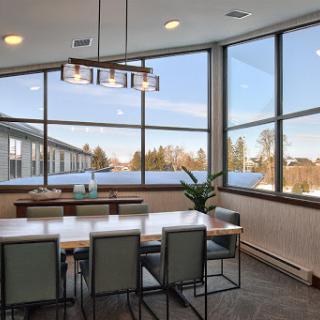
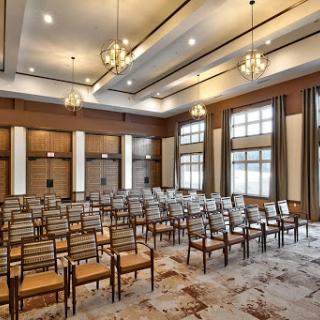
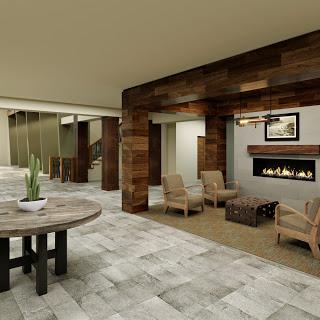
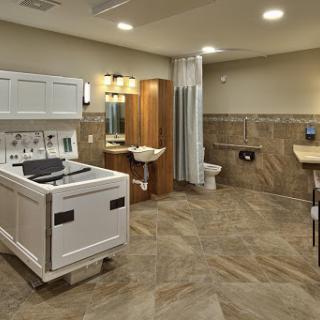
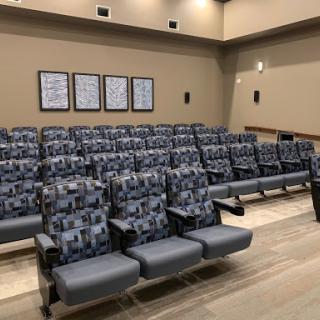
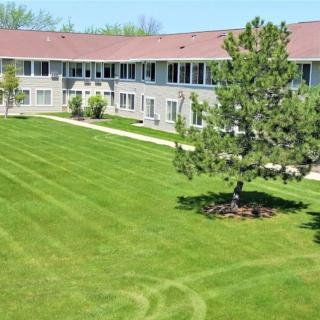
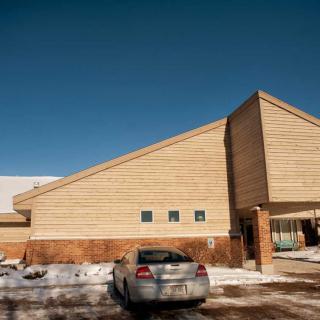
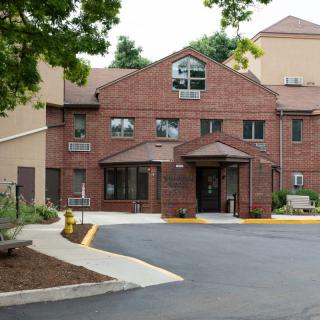
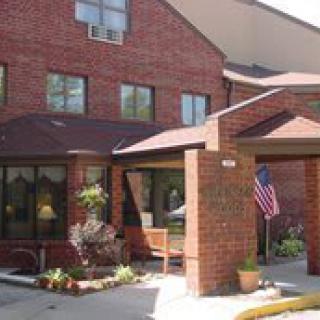
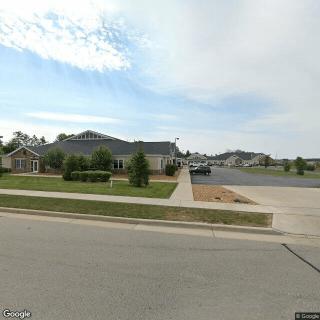
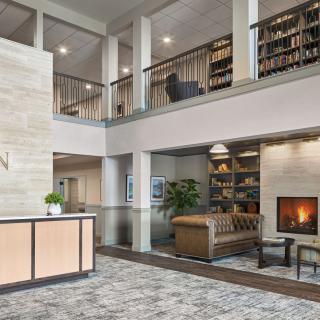
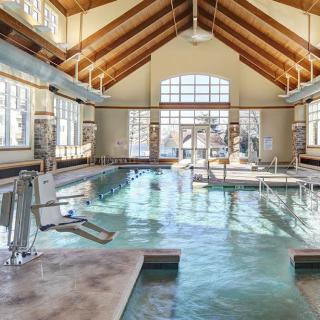
Towner Crest on seniors.fyi includes 11 photos including images showing interior, seating area, bathroom, dining, natural light, lobby, fireplace, windows, and more.
Nearby Communities
Azura Memory Care of Oconomowoc
Oconomowoc, WI
4.7 from 66 reviews
$7,490 / month
Caring staff in a clean, modern, home-like setting with engaging activities.
Andrew Home
Oconomowoc, WI
5 from 7 reviews
Comprehensive care (including diabetic care) with 24/7 supervision and engaging activities.
Wilkinson Woods V
Oconomowoc, WI
5 from 14 reviews
Extensive on-site amenities and care (24-hour supervision, restaurant-style dining, transportation, wellness center, medication management).
Wilkinson Woods
Oconomowoc, WI
4.9 from 27 reviews
$4,140 to $4,865 / month
Friendly, attentive staff in a warm, homey setting with engaging activities.
Lang Home
Oconomowoc, WI
Fully furnished apartments with meals, medication management, and engaging activities.
Matt And Nancy Garcia
Oconomowoc, WI
Fully furnished apartments with dining, diabetes-friendly meals, 24/7 supervision, ADL support, transportation to appointments, and engaged daily activities.
The View At Pine Ridge
Oconomowoc, WI
3.8 from 11 reviews
$3,100 to $7,000 / month
Specialized memory care with 24-hour supervision in a small, intimate setting.
Evin At Oconomowoc Specialty Care
Oconomowoc, WI
4.5 from 39 reviews
Convenient family-friendly location with welcoming staff and clean, well-maintained facilities.
Shorehaven Lutheran Homes
Oconomowoc, WI
4.6 from 21 reviews
Friendly staff; clean facility with engaging rehab and activities.
Dementia encompasses a range of cognitive impairments characterized by types such as Alzheimer's and vascular dementia, and follows a seven-stage progression model known as the Global Deterioration Scale (GDS), highlighting varying symptoms and decline timelines. Early detection allows for lifestyle adjustments to potentially slow progression, while caregivers need support and resources to manage the challenges involved in caring for affected individuals.
The guide on holistic dementia care outlines the complexity of dementia and stresses the need for individualized caregiver strategies that include medical treatment, psychological support, and environmental adaptations, while emphasizing early detection, various therapeutic options, and caregiver support to enhance quality of life and maintain dignity.
"Memory Care Pathways: A Holistic Guide to Dementia Support" outlines the complexities of dementia and its various types, emphasizing early detection, patient-centered care strategies, caregiver support, and long-term care options while addressing legal and financial considerations to enhance the quality of life for individuals with dementia and their families.
Get PricingAsk A QuestionSchedule A TourContact Senior Advisor
By clicking submit, you agree to our Partner's Terms of Use. You
also consent to receive calls and texts, which may be autodialed, from our Partner. Your consent is not a condition to
using our Partner's service. Please visit our Partner's Privacy Policy for information about their privacy practices.



 Independent Living
 Memory Care
 Cats allowed
 Dogs allowed
 Activities on-site
 Beautician on-site
 Cable or satellite TV
 Devotional services on-site
 Indoor common areas
 Outdoor common areas
 Wheelchair accessible showers
 Wi-Fi/high-speed internet available
 Diabetic care
 Incontinence care
 Medication management
 Guest meals
 Cooking classes
 Day trips and outings
 Gardening club
 Intergenerational programs
 Live well programs
 Trivia games
 Wii bowling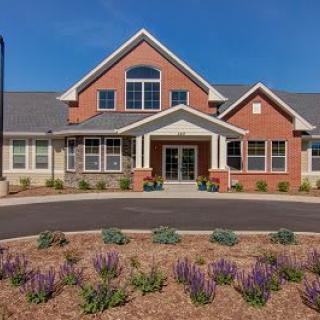
 Caring staff in a clean, modern, home-like setting with engaging activities.
 Understanding Dementia Through Its Seven Stages: A Comprehensive Look at Progression and Expectations
 A Holistic Dementia Care Guide: Effective Strategies for Memory Support
 Memory Care Pathways: A Holistic Guide to Dementia Support