At Brookdale Middleton Stonefield, the monthly cost for a studio apartment is $5,870, which reflects a premium offering in comparison to both Dane County and the broader Wisconsin market. In Dane County, the average cost for similar accommodations stands at $4,418, while statewide, it averages around $3,999. The higher price point at Brookdale Middleton Stonefield may be attributed to its comprehensive amenities and services designed to enhance residents' quality of life. While it exceeds local and state averages by a notable margin, this investment often aligns with the exceptional standards of care and lifestyle available within this community.
Floor plans
Brookdale Middleton Stonefield
Dane County
Wisconsin
Studio
$5,870
$4,418
$3,999
Memory care communities with a similar price nearby
Memory care programming is a central part of how residents are supported day to day.
Several reviews describe care planned around dementia and similar cognitive changes, with staff helping with anxiety and behavioral challenges. Families also mention routine and stability, plus activities designed for residents’ abilities. The community offers specialized memory care programming and supports common cognitive-related needs in addition to help with activities of daily living.
common26 reviews mention this
Caregivers are described as attentive
Residents and families frequently describe the staff as kind, patient, and responsive.
Across many reviews, families say caregivers and management are friendly, attentive, and engaged with residents. Multiple people describe patience and compassion during difficult moments, as well as staff communicating when concerns come up. At the same time, a smaller set of reviews raises concerns about understaffing on weekends and slower help with call buttons or alarms.
common19 reviews mention this
Activities keep residents engaged
Daily activities and resident engagement are repeatedly mentioned in reviews.
Many reviewers talk about an active schedule, with families seeing residents participate in group and individual activities. Several also mention the activities director specifically, describing strong effort to include residents and keep them engaged. The community provides scheduled daily activities and reminiscence-oriented programming, and it also lists on-site and community-sponsored activities residents can join.
common10 reviews mention this
Security and layout help families feel at ease
Reviews commonly mention a secured setting and an easy-to-navigate layout.
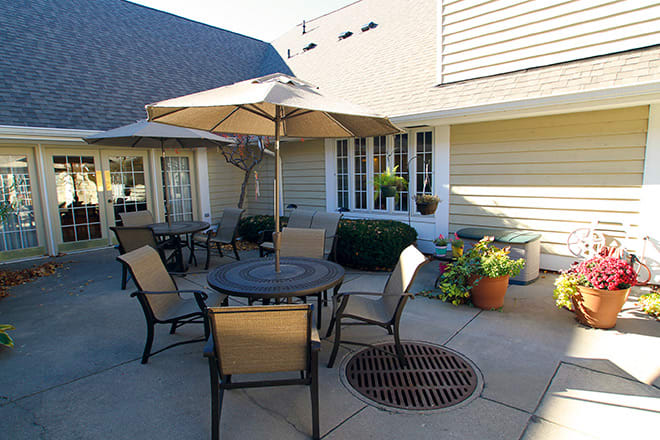
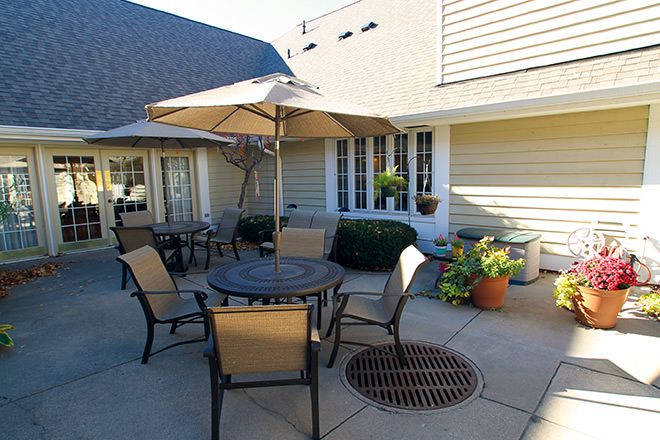
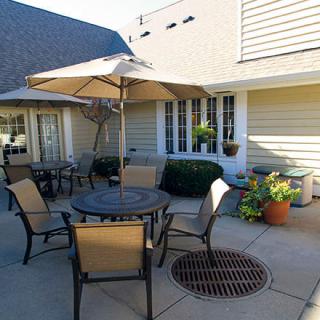
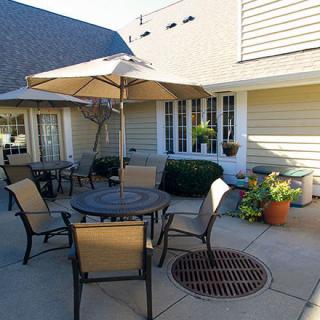
Families describe feeling reassured by how the building and outdoor space support safe wandering and supervision. Several reviews highlight the physical layout as easy to get around, including being on a single floor and having access to a courtyard or enclosed outdoor area. This lines up with the community’s accessible design features like wheelchair-accessible showers and its outdoor and garden spaces.
caveat7 reviews mention this
Meals are a mixed experience
Dining reviews range from generally agreeable to complaints about quality and responsiveness.
Some families say the food is usually agreeable and that there are no complaints, including mentions of good meal support for residents. Other reviewers report issues such as salty, poor-quality meals and difficulty getting dietary help when residents need changes. While the community offers multiple dietary supports and specialized dining programs, residents’ day-to-day meal experiences appear inconsistent across reviews.
caveat9 reviews mention this
Cost and staffing concerns appear together
Some reviews question value while also describing staffing or response problems.
A few reviewers say the value for the cost is difficult to judge, even while they were generally satisfied with the community overall. Separately, several negative comments focus on staffing levels—especially on weekends—and on slower response to call buttons or alarms. The community does list 24-hour call system and 24-hour supervision, but those reviews suggest families did not always experience consistent coverage.
How we summarize
Counts show how many written reviews mention each theme; a review can touch several themes, and only frequently mentioned themes are displayed.
Features
Housing
32 resident community capacity
Studio apartments
Types of Care
Memory Care
Amenities
Activities off-site
Activities on-site
Bath tubs
Beautician on-site
Beauty salon
Cable or satellite TV
Devotional services off-site
Devotional services on-site
Dining room
Fully furnished
Garden
Housekeeping services
Indoor common areas
Kitchenette
Move-in coordination
Outdoor common areas
Outdoor space
Respite or short term stays offered
Telephone
Wheelchair accessible showers
Wi-Fi/high-speed internet available
Transportation
Dane County Regional (9 miles away)
Care Services
24-hour call system
24-hour supervision
Activities of daily living assistance
Assistance with bathing
Assistance with dressing
Assistance with transfers
Coordination with health care providers
Dementia waiver
Diabetes diet
Diabetic care
Hospice waiver
Incontinence care
Meal preparation and service
Medication management
Mental wellness program
Mild cognitive impairment
Special dietary restrictions
Specialized memory care programming
Transportation arrangement (medical)
Transportation to doctors appointments
Dining
Diabetes diet
Kosher
Meals provided
Special dietary restrictions
Special dining programs
Vegetarian
Activities
Activities off-site
Activities on-site
Community-sponsored activities
Devotional activities offsite
Devotional activities on-site
Reminiscence programs
Resident-run activities
Scheduled daily activities
Sensory-based programs
Nearby Places of Interest
This part of Middleton, Wisconsin offers a range of amenities that may be appealing to seniors looking for a convenient and comfortable living environment. With multiple physicians, pharmacies, and hospitals within close proximity, residents have easy access to healthcare facilities. In addition, there are several restaurants and cafes nearby for dining options, as well as parks for leisurely outdoor activities. The area also offers a movie theater for entertainment and transportation options for getting around the community. Overall, this part of Middleton provides a well-rounded and convenient setting for senior living.
Physicians
Peter C Jackson, PsyD (0.9 miles)
Dean Clinic West (1.1 miles)
Madison Radiologists Sc (1.1 miles)
Matthew, Robert Dr-Group Health Cooperative of South Central Wisconsin (1.2 miles)
Welnick Richard Uw Health Patient Resources Madison (1.4 miles)
UW Health West Obstetrics and Gynecology Clinic (1.5 miles)
John Rose MD (1.5 miles)
Restaurants
Amber Indian Cuisine (1 miles)
Hubbard Avenue Diner (1 miles)
Subway (1.1 miles)
Capital Brewery (1.2 miles)
McDonald's (1.4 miles)
Freska Mediterranean Grill (1.4 miles)
Culver's (1.5 miles)
Pharmacies
Walgreens (1 miles)
SSM Health Prescription Center (1.1 miles)
Bergmann's Pharmacy (1.4 miles)
Walgreens (1.5 miles)
UW Health West Clinic Pharmacy (1.5 miles)
CVS Pharmacy (1.6 miles)
CVS Pharmacy (1.6 miles)
Parks
Lakeview Park (1.2 miles)
Firemans Park (1.3 miles)
Haen Family Park (1.5 miles)
Mendota Park (2.4 miles)
Oak Park Heights Park (3.1 miles)
Harvey John & Lucille Taylor Memorial Park (3.2 miles)
Pilgrim Park (3.7 miles)
Hospitals
meriter Middleton clinic (1.2 miles)
Cell Line Genetics (2.1 miles)
UWHC Outpatient Radiology (3.1 miles)
William S. Middleton Memorial Veterans Hospital (3.5 miles)
At Brookdale Middleton Stonefield, the monthly cost for a studio apartment is $5,870, which reflects a premium offering in comparison to both Dane County and the broader Wisconsin market. In Dane County, the average cost for similar accommodations stands at $4,418, while statewide, it averages around $3,999. The higher price point at Brookdale Middleton Stonefield may be attributed to its comprehensive amenities and services designed to enhance residents' quality of life. While it exceeds local and state averages by a notable margin, this investment often aligns with the exceptional standards of care and lifestyle available within this community.
Brookdale Middleton Stonefield's comprehensive features are meticulously designed to support residents with varying degrees of dementia or Alzheimer's disease. The provision of 24-hour supervision ensures that residents are always monitored, promoting safety and security. Assistance with daily activities such as bathing, dressing, and transfers helps maintain personal hygiene and dignity, while incontinence care further addresses individual needs sensitively. Coordination with healthcare providers fosters a holistic approach to health management, ensuring that medical needs are promptly addressed through medication management and tailored meal preparation that considers dietary restrictions. Programs focused on mental wellness, sensory engagement, and specialized memory care provide cognitive stimulation essential for enhancing the quality of life. Additionally, transportation arrangements for medical appointments reflect a commitment to continuity of care, reinforcing the importance of integrating all aspects of health into the overall well-being of residents experiencing mild cognitive impairment or more advanced stages of dementia.
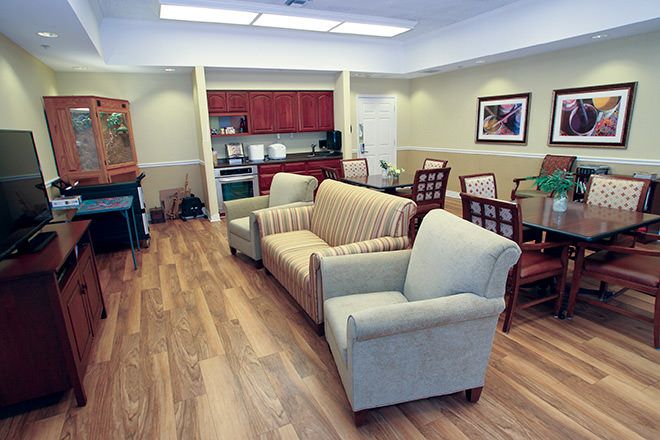
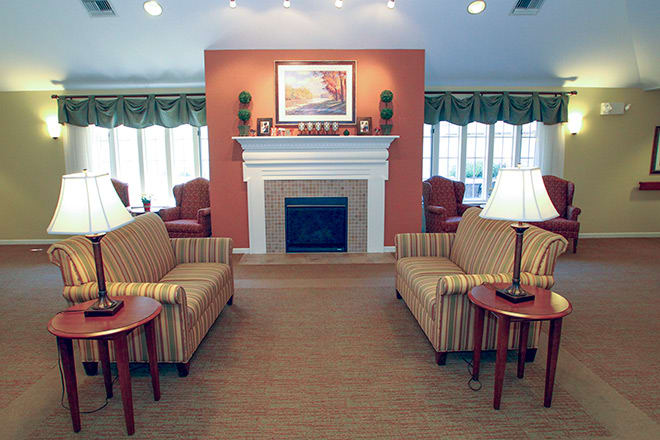
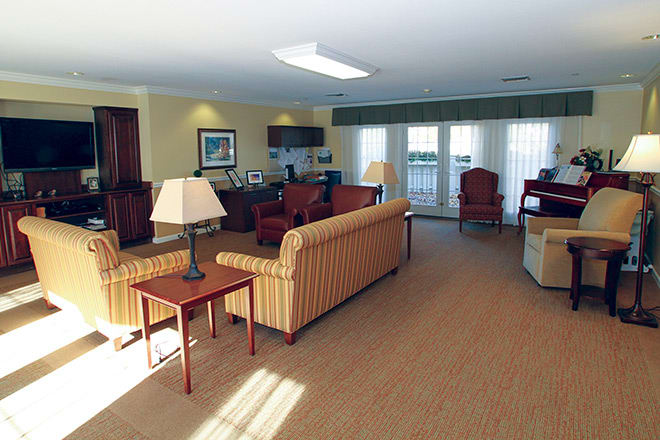
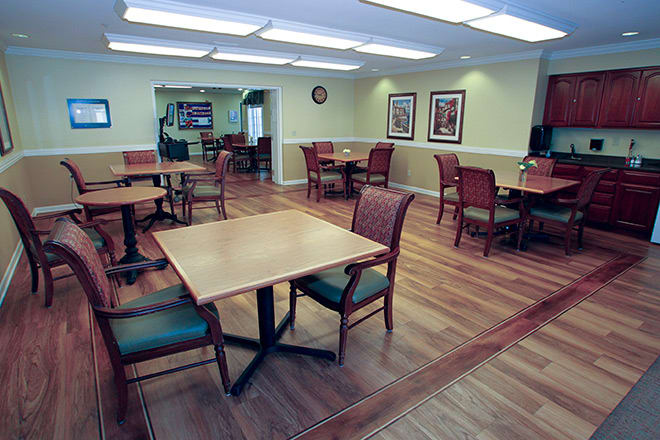
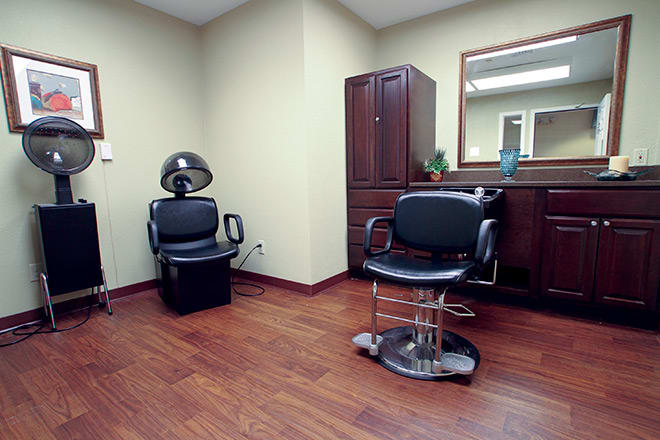
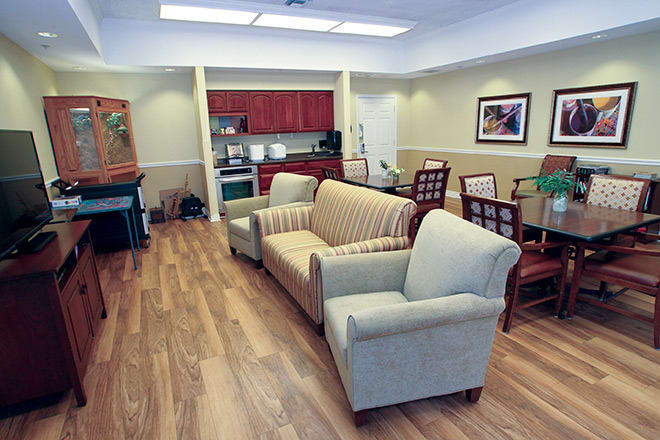
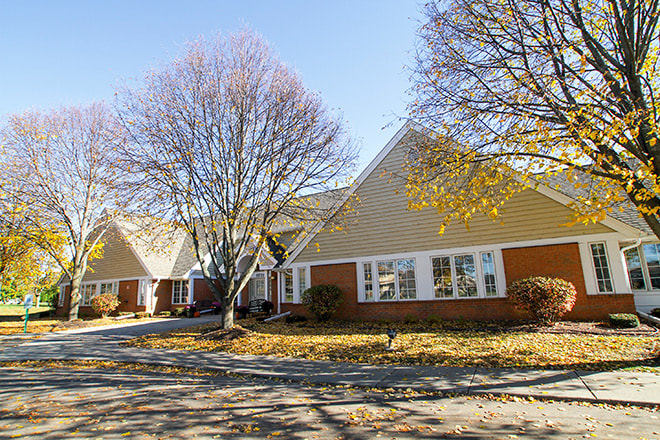
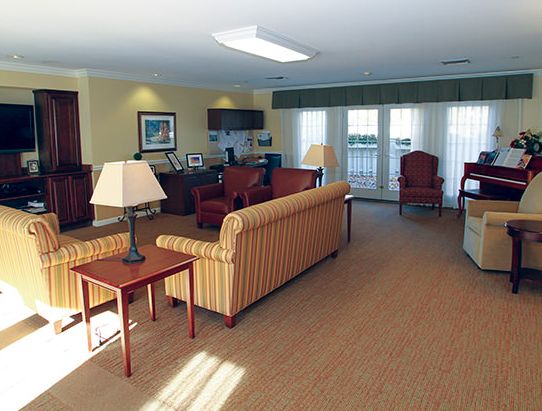
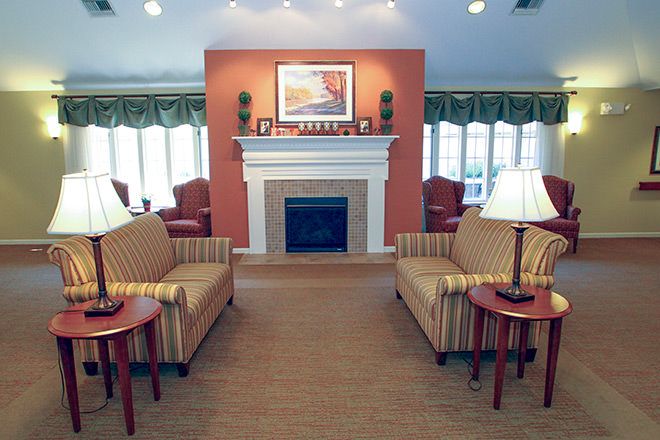
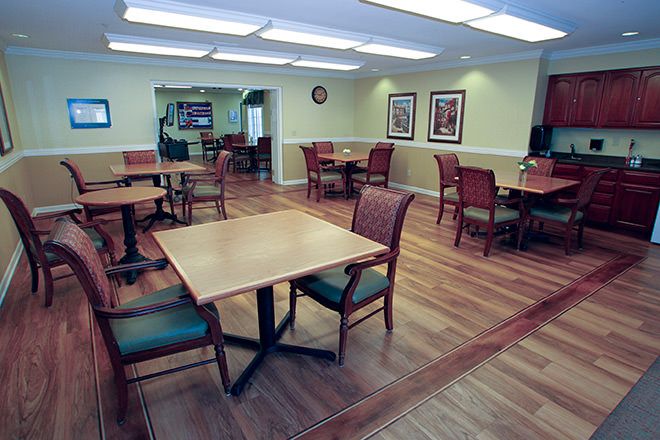
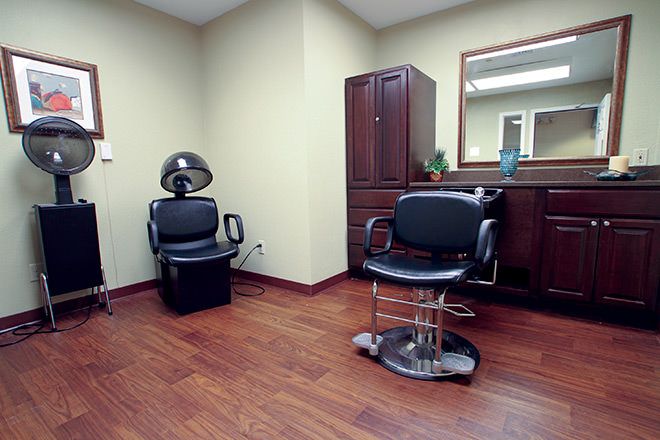
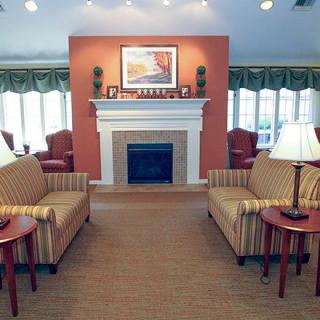
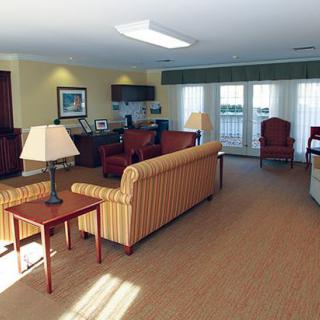
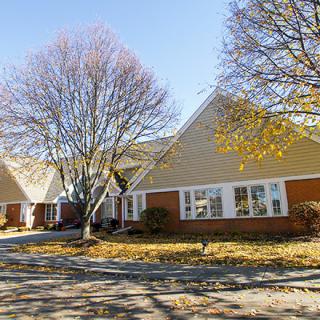
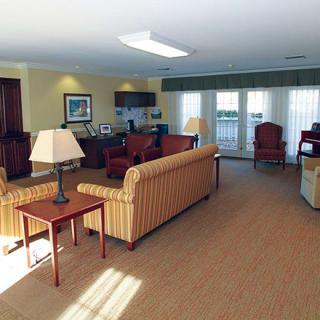
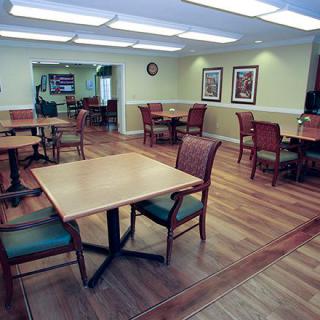
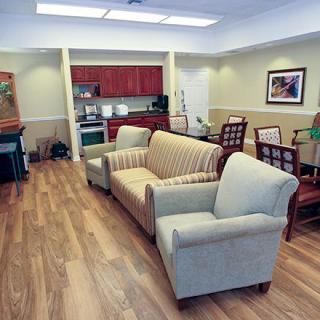
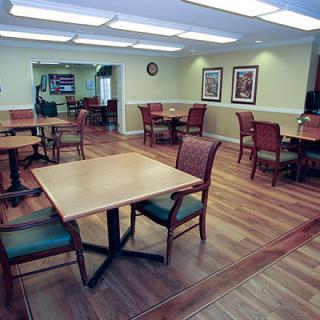
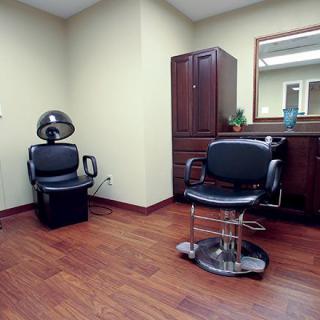
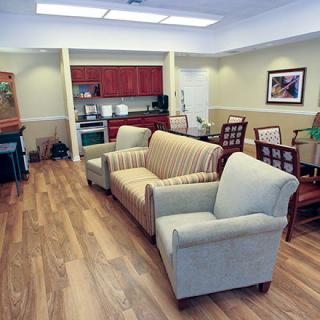
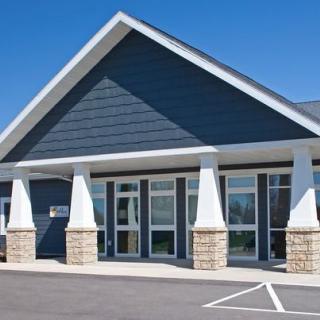
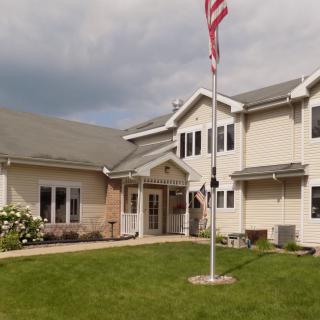
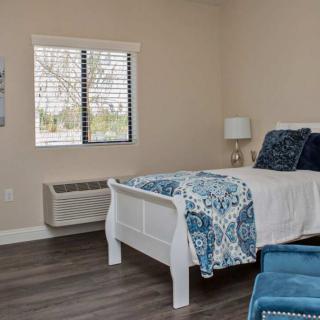
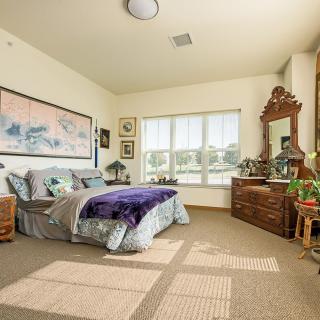
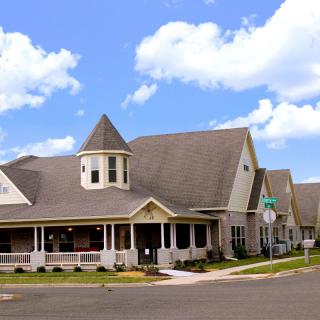
Brookdale Middleton Stonefield on seniors.fyi includes 14 photos including images showing interior, living room, salon, dining, lighting, patio, windows, fireplace, and more.
Nearby Communities
Ccls Sawmill
Madison, WI
All-inclusive assisted living with meals, daily activities, transportation to medical appointments, diabetes diet, and fully furnished apartments.
Comfort Care 4 U 2
Madison, WI
$3,000 / month
Small, intimate community with comprehensive care options and affordable pricing.
Villa At Middleton Village
Middleton, WI
2.6 from 16 reviews
$4,850 / month
Clean, modern facility with attentive staff and strong therapy services.
Hannah's House
Madison, WI
Excellent access to healthcare, dining, parks, and transport.
Pleasant View Place
Madison, WI
Excellent access to nearby amenities and healthcare (cafes, parks, pharmacies, physicians, restaurants, theaters, hospitals).
Hannahs House West
Madison, WI
Specialized memory care with 24/7 supervision and comprehensive daily living support.
Attic Angel Community
Middleton, WI
4.5 from 49 reviews
$2,364 to $7,650 / month
Warm, caring staff with a home-like atmosphere and engaging activities; strong sense of community.
Brookdale Madison West
Madison, WI
4.1 from 83 reviews
$5,385 to $7,410 / month
Clean, welcoming facility with attentive staff and good dining; improved leadership and communication.
Sage Meadow Middleton
Middleton, WI
3.5 from 42 reviews
$4,465 / month
Friendly, attentive staff with good meals and engaging activities in a clean, welcoming setting.
Dementia often results in disrupted sleep patterns, leading to excessive daytime sleeping due to factors like brain damage affecting circadian rhythms, medication side effects, and lack of structure in daily activities. Caregivers must monitor these changes closely, as oversleeping can increase risks such as malnutrition or dehydration, and provide necessary support and routines to enhance patient engagement and well-being.
The transition from assisted living to skilled nursing care is often prompted by complex medical needs that assisted living cannot meet, with key indicators including frequent health declines, increased falls, severe memory issues, and caregiver burnout. Families should recognize these signs early to discuss options with healthcare providers and prepare for the emotional and logistical aspects of moving to a facility that offers comprehensive medical support.
Dementia is characterized by cognitive decline, with nutrition playing a vital role in brain health; while no specific diet can prevent or reverse it, a nutrient-dense diet rich in antioxidants and healthy fats may support cognitive function. The MIND diet, which emphasizes beneficial foods and limits processed items, along with proper hydration and individualized meal strategies, can enhance the well-being of dementia patients.
Get PricingAsk A QuestionSchedule A TourContact Senior Advisor
By clicking submit, you agree to our Partner's Terms of Use. You
also consent to receive calls and texts, which may be autodialed, from our Partner. Your consent is not a condition to
using our Partner's service. Please visit our Partner's Privacy Policy for information about their privacy practices.


 32 resident community capacity
 Studio apartments
 Memory Care
 Activities off-site
 Bath tubs
 Beautician on-site
 Cable or satellite TV
 Devotional services off-site
 Dining room
 Fully furnished
 Garden
 Housekeeping services
 Indoor common areas
 Kitchenette
 Move-in coordination
 Outdoor common areas
 Respite or short term stays offered
 Telephone
 Wheelchair accessible showers
 Wi-Fi/high-speed internet available
 Dane County Regional (9 miles away)
 24-hour call system
 Assistance with bathing
 Assistance with dressing
 Assistance with transfers
 Diabetes diet
 Diabetic care
 Hospice waiver
 Incontinence care
 Meal preparation and service
 Medication management
 Mental wellness program
 Special dietary restrictions
 Transportation arrangement (medical)
 Transportation to doctors appointments
 Sensory-based programs
 All-inclusive assisted living with meals, daily activities, transportation to medical appointments, diabetes diet, and fully furnished apartments.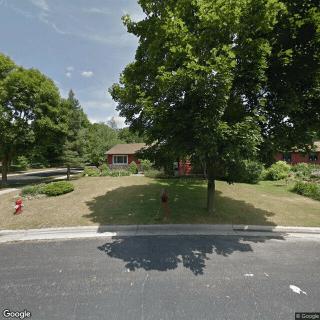


 Why Do Dementia Patients Sleep So Much? Understanding Oversleeping, Stages, and Care Approaches
 8 Key Indicators That Suggest It May Be Time to Transition from Assisted Living to Skilled Nursing Care
 Nourishing the Mind: Essential Dietary Approaches for Dementia