
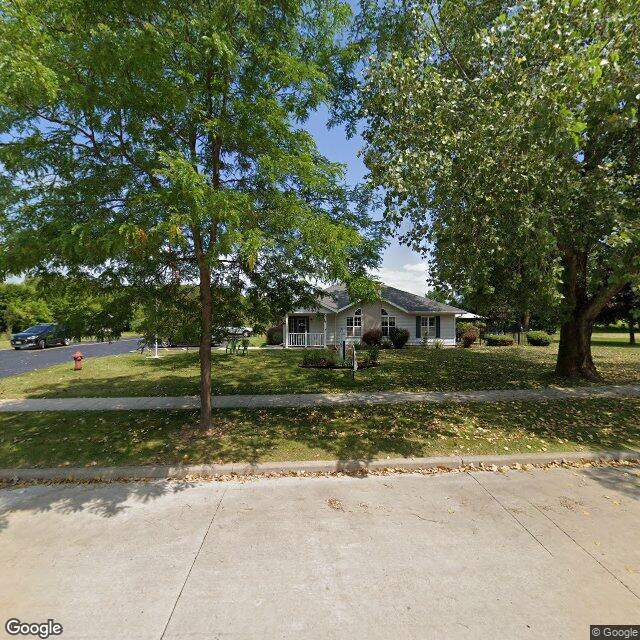
3720 Menasha Ave, Manitowoc, WI 54220
To contact a resident: (920) 682-5744
For more information about senior living options: (866) 208-4318
Manitowoc - Harbor House Costs & Pricing
At Manitowoc - Harbor House, the monthly cost for a one-bedroom accommodation is set at $3,500. This figure positions it slightly above the average costs observed in Manitowoc County, which stands at $3,473, and also exceeds the statewide average of $3,412 for similar living arrangements in Wisconsin. These prices reflect not only the quality of services and amenities provided but also the local real estate dynamics and market trends that influence housing costs in this region. As such, potential residents can expect a premium experience at Manitowoc - Harbor House that may justify its higher rate compared to both county and statewide averages.
| Floor plans | Manitowoc - Harbor House | Manitowoc County | Wisconsin |
|---|---|---|---|
| 1 Bedroom | $3,500 | $3,473 | $3,412 |
Memory care communities with a similar price nearby
-
from -$300 / mo
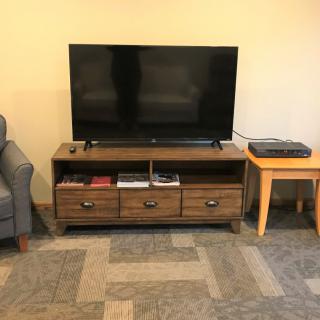
Magnolia Meadows
$3,200 / month1.9 miles away -
from +$350 / mo
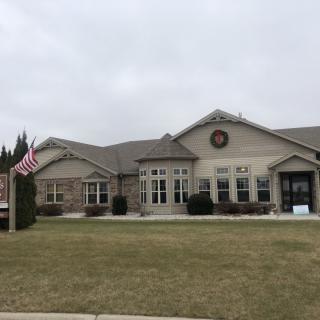
Abridge Care Cottage of Chilton
$3,850 to $5,100 / month23.2 miles away -
About the same

Abridge Care Cottage of Kewaunee
$3,500 to $5,100 / month24.2 miles away -
from +$445 / mo

Field Of Dreams Assisted Living
$3,945 to $6,120 / month21.3 miles away -
from -$345 / mo

Tlc Homes Rock Street
$3,155 to $3,400 / month2.2 miles away
Overall Review of Manitowoc - Harbor House
Pros
 They ensured he received both a COVID test and a TB test, preventing a two-week quarantine.
- The staff have made his care and comfort a priority.
- They facilitate the stepfather's communications with his mother, which makes him happy.
- The reviewer is completely satisfied with the care he receives.
Cons
 He had to be moved to a secure nursing home for memory care in the midst of the pandemic.
- He is wheelchair-bound.
- The two-week quarantine was a situation he wouldn't have understood.
Review
Harbor House in Manitowoc is clearly best suited for families facing memory impairment in a secure, nursing-level setting, especially when a resident requires wheelchair-accessible care and closely supervised daily routines. The story of a stepfather who was moved into memory care highlights a environment where care plans are explicitly oriented toward comfort, safety, and ongoing oversight. For relatives navigating the stress of dementia care, Harbor House offers stability through a care team that remains focused on the resident’s comfort and on maintaining lines of communication with family so that loved ones are kept informed and emotionally supported.
Those who may want alternatives are families whose loved one does not yet require memory-care security or who prefer a less restrictive, more activity-forward atmosphere. If a resident’s needs lean toward less intensive supervision, greater independence, or more expansive social programming, a traditional assisted living setting or a smaller, less secure memory-care unit may be a better fit. Similarly, for families prioritizing lower cost or a different care philosophy, more emphasis on engagement and varied daily activities rather than a strictly clinical memory-care model, exploration of other communities is warranted.
The most compelling pros evident from the account center on a purposeful care approach and strong family connectivity. Staff at Harbor House are described as making care and comfort a primary goal, with deliberate attention to the resident’s daily well-being. The ability to facilitate meaningful communication with family, in this case, between the resident and a mother, translates into reassurance, reduced anxiety, and a sense of continuity for the resident. In memory care, such alignment between clinical care and relational continuity is not merely comforting; it translates into tangible quality of life improvements for someone who depends on others to navigate memory challenges.
These strengths effectively offset common concerns about memory-care environments. The lack of reported drawbacks in the review suggests a well-functioning, resident-centered team that prioritizes safety, comfort, and family updates over the typical friction points often raised about memory-care facilities, impersonal routines, inconsistent communication, or a sense of isolation. While every family should verify specifics, the positive indicators imply that Harbor House is proficient at translating compassionate care into daily experience, which is the core hurdle for families evaluating secure memory settings.
For families conducting due diligence, several practical steps follow naturally from the strengths noted. Request a concrete sample of a resident’s care plan, and observe the interaction between nursing staff and residents to gauge responsiveness and warmth. Speak with the memory-care coordinator about how dementia-specific programming is structured, how safety features address mobility limitations, and how emergencies are handled. Clarify what “communication with family” means in practice, whether updates arrive daily, whether weekly care conferences are standard, and how family involvement is integrated into the resident’s ongoing plan. These questions illuminate whether Harbor House’s demonstrated values translate into a reliable, day-to-day lived experience for a particular loved one.
Overall, Harbor House emerges as a practical, no-nonsense choice for families seeking secure, dementia-focused care with a clear commitment to comfort and open family communication. It is a strong match for residents who are wheelchair-bound and need consistent supervision, with caregivers who actively center the resident’s comfort and family peace of mind. For those whose priorities skew toward less restrictive living or richer social programming, alternatives deserve consideration and comparison. A focused campus tour, alongside targeted questions about care plans, staffing, and dementia programming, will reveal whether Harbor House is the right match for a given situation.
 Board and Care Home
 Memory Care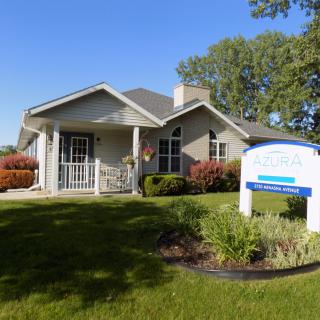
 Vibrant Senior Living: A Comprehensive Guide for Active Older Adults
 Assisted Living and Memory Care: Understanding Their Core Differences
 Choosing the Right Senior Care: A Detailed Exploration of Assisted Living and Nursing Homes