
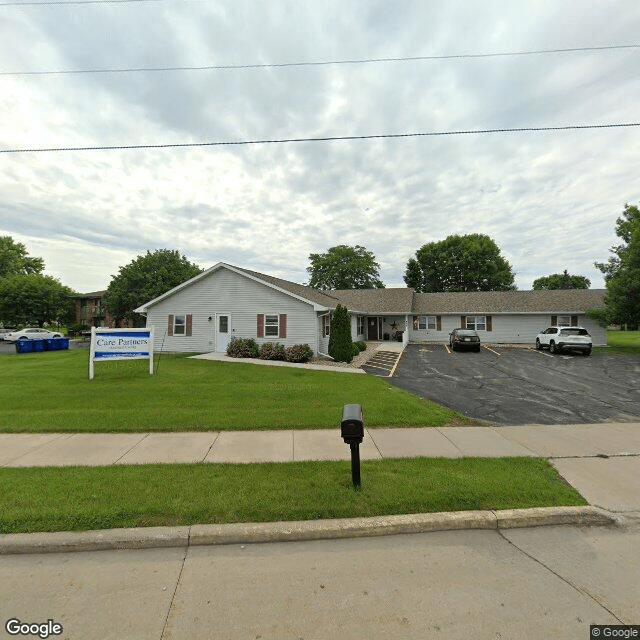
425 Moasis Dr, Little Chute, WI 54140
To contact a resident: (920) 788-7033
For more information about senior living options: (866) 208-4318
Care Partners Assisted Living & Memory Care-Little Chute Costs & Pricing
Care Partners Assisted Living & Memory Care in Little Chute offers competitive pricing for its residents, particularly when compared to the broader market. The monthly cost for a semi-private room is set at $3,500, which is slightly above the Outagamie County average of $3,286 but remains more affordable than the state average of $3,977. For those seeking a studio apartment, the price is $4,200; interestingly, this figure is lower than the county's average of $4,320 and modestly exceeds Wisconsin's statewide average of $3,999. Overall, Care Partners presents a balanced option that accommodates various needs while remaining mindful of local and state pricing trends.
| Floor plans | Care Partners Assisted Living & Memory Care-Little Chute | Outagamie County | Wisconsin |
|---|---|---|---|
| Semi-Private | $3,500 | $3,286 | $3,977 |
| Studio | $4,200 | $4,320 | $3,999 |
Memory care communities with a similar price nearby
-
from -$479 / mo
KindredHearts of Green Bay
$3,021 to $3,361 / month24.7 miles away -
from +$500 / mo
Century Oaks Assisted Living
$4,000 to $4,600 / month3.3 miles away -
from +$500 / mo
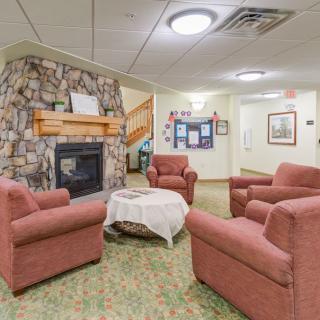
Dimensions Living Green Bay
$4,000 to $4,935 / month22.0 miles away -
from -$211 / mo

Living Tree Estates
$3,289 to $3,789 / month12.1 miles away -
from +$225 / mo
Oakwood Manor
$3,725 to $4,075 / month23.2 miles away
Overall Review of Care Partners Assisted Living & Memory Care-Little Chute
Pros
 The facility has a Memory Care area, private rooms, and a fixed cost, with no monthly price increases.
- The staff provided excellent communication.
- They enjoyed meals with their Dad and walked around the building.
- They care for Dad through a number of medical situations and followed the family's directions.
Review
Care Partners Assisted Living & Memory Care-Little Chute is best suited for families seeking a memory-care–focused environment with private accommodations and predictable, transparent pricing. It works well for loved ones whose dementia-related needs require steady supervision, coordinated medical support, and care plans guided by family input. For seniors where memory care is the primary driver and financial stability matters, without surprising increases, this community provides a practical, low-stress option that supports ongoing involvement from the family in daily decisions.
A core strength is the dedicated Memory Care area paired with private rooms, which together create a focused, secure setting that can reduce confusion and anxiety for residents. The fixed-cost model stands out in a market where monthly bills can creep upward, offering budgeting confidence for families. The communication thread is consistently described as excellent, giving families clear visibility into daily happenings, care adjustments, and resident progress. The opportunity to dine with a loved one and to enjoy the facility’s grounds further reinforces a sense of normalcy and routine within a safe environment.
Care is plainly a central value here, with staff repeatedly described as caring and attentive. Families report that the team follows their directions for how to handle medical situations, which minimizes friction and fosters trust when plans need to adapt to changing needs. That level of coordination and responsiveness is particularly valuable in memory care, where consistent routines and timely communication can directly influence the resident’s sense of security and the family’s peace of mind.
There are explicit reasons to consider alternatives, especially for families whose loved one may require broader medical capabilities or a more expansive activity roster. The reviews come from a small sample, so potential residents should approach with focused due diligence and plan a thorough on-site visit. If the priority shifts toward a larger community, more intensive medical services, or a wider spectrum of social programming beyond memory care, other options may better match those expectations.
The advantages, predictable pricing, a clearly defined memory-care environment, and a compassionate staff, are meaningful enough to offset the limited scope that a smaller, memory-care–centered operation inherently presents. Private rooms preserve dignity and privacy, while the dedicated memory-care culture reduces operational ambiguity and strengthens care coordination. Families that prize transparent costs and a steady, guided approach to dementia care will find the positives compelling enough to move forward with confidence, provided the tour confirms alignment with resident needs and expectations.
To make a well-informed decision, prospective families should schedule a tour and observe staff interactions with residents, particularly those with memory challenges. Request a copy of the care-planning framework, and ask how medical changes are communicated and implemented across shifts. Confirm what the fixed price covers, and verify room configurations and availability. Inquire about meal options, daily routines, and how family input is solicited and reflected in care plans. Compare this community against nearby options offering broader medical services or larger activity calendars, but use it as a practical benchmark for cost stability, dedicated memory care, and a responsive care culture. When those impressions align with needs, this community deserves serious consideration.
 Board and Care Home
 Memory Care
 Activities off-site
 Air-conditioning
 Beautician on-site
 Devotional services off-site
 Ground floor units
 Handicap accessible
 Indoor common areas
 Outdoor common areas
 Respite or short term stays offered
 Wheelchair accessible showers
 Outagamie County Regional (11 miles away)
 Diabetic care
 High acuity care
 Incontinence care
 Medication management
 Gluten-free

 A Detailed Exploration of Assisted Living Medicaid Waivers Across the United States
 Exploring the Contrasts Between Assisted Living and Skilled Nursing
 Vibrant Senior Living: A Comprehensive Guide for Active Older Adults