
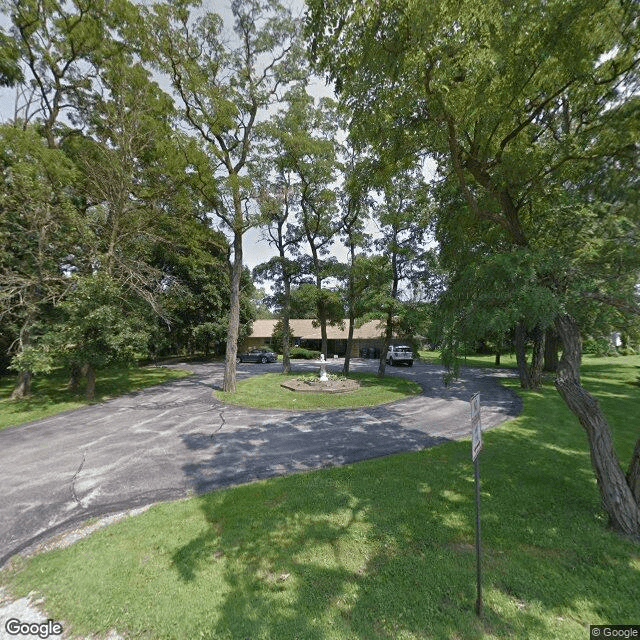
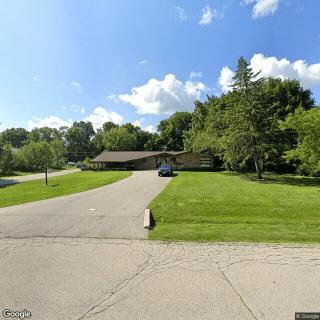
5900 South 92nd Street, Hales Corners, WI 53130
To contact a resident: (414) 427-1655
For more information about senior living options: (866) 208-4318
Castle Gardens Costs & Pricing
Castle Gardens offers competitive pricing for its accommodations when compared to both Milwaukee County and the broader state of Wisconsin. For semi-private rooms, the monthly cost at Castle Gardens is $4,000, which is notably lower than the county average of $4,341, yet slightly exceeds the state average of $3,977. Private room rates stand at $4,250 - again, a favorable option relative to Milwaukee County's average of $4,513 and aligned with the state's figure of $4,339. Additionally, studio apartments are priced at $4,250; while this is higher than the county's average of $3,841, it remains competitive against the state's average of $3,999. These figures underscore Castle Gardens' commitment to providing quality living arrangements that balance affordability with comfort in comparison to regional costs.
| Floor plans | Castle Gardens | Milwaukee County | Wisconsin |
|---|---|---|---|
| Semi-Private | $4,000 | $4,341 | $3,977 |
| Private | $4,250 | $4,513 | $4,339 |
| Studio | $4,250 | $3,841 | $3,999 |
Memory care communities with a similar price nearby
-
from -$500 / mo

Dolphin Manor
$3,500 / month13.7 miles away -
About the same
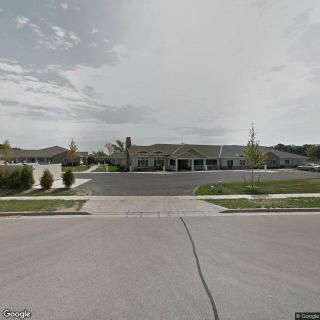
Waterford Senior Living
$4,050 to $5,450 / month15.2 miles away -
About the same

Ellens Home Germantown
$4,000 / month20.2 miles away -
About the same
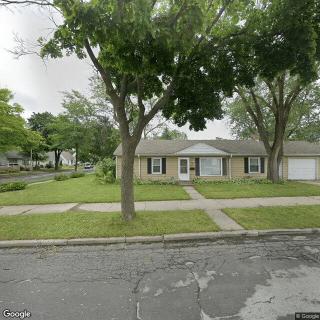
Complete Home Health Care
$4,000 / month12.9 miles away -
from -$705 / mo
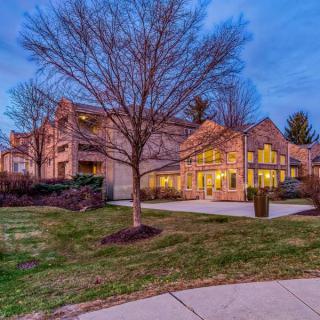
Harbour Village
$3,295 to $7,012 / month2.3 miles away
Overall Review of Castle Gardens
Pros
 The older conversion is well done.
- It appears comfortable.
Cons
 They were not very impressed with the tour.
- There were only eight beds.
- The place was a bit outdated.
- The place seemed rather dark.
- They did not think their mother would do well there.
- The space was tight.
Review
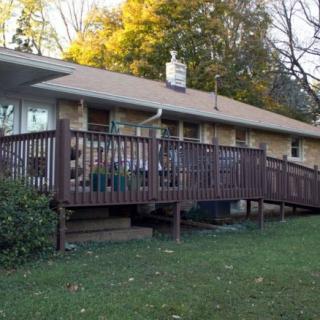
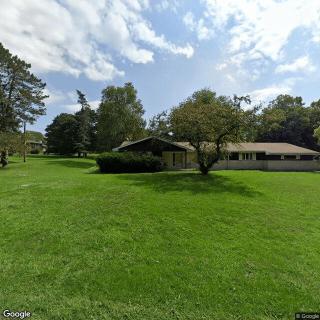
Castle Gardens in Hales Corners, WI is best suited for seniors who want a very small, home-like setting and are comfortable with a compact footprint. With only eight beds, the community emphasizes intimacy and predictable routines over spectacle. It serves residents who prioritize a quiet, low-stimulation environment where the pace is slower and the space is easy to navigate. Those who value privacy and a highly personal atmosphere, where staff can form a close, consistent relationship with residents, will likely feel more at home here than in a larger, busier campus.
That said, several readers should consider alternatives. Families seeking bright, modern interiors, expansive common areas, and a broad menu of activities may find Castle Gardens lacking. Prospective residents who require higher levels of care, more robust programming, or greater social opportunities will want to compare larger assisted living campuses with updated design and more space. In short, this community fits a niche: small-scale, simple living that may not meet expectations for amenities or volume of services.
On the plus side, the consignments of an older conversion can translate into a surprisingly comfortable, straightforward living experience. The layout is described as “well done” despite the space being tight, which can translate into a clear, easy-to-understand environment for daily routines. A compact setting often means fewer distractions and less walking or waiting, factors that can reduce fatigue for residents who prefer straightforward navigation and routine. The sense of coziness implied by a converted space can also contribute to a feeling of safety and familiarity for those who dislike large, impersonal campuses.
The principal drawbacks are hard to ignore. A tour left a potential buyer with a sense of inadequacy: the facility felt outdated and dark, which can weigh heavily on mood and overall satisfaction. The eight-bed capacity is both a defining strength and a limitation, intimacy comes at the cost of limited accommodations, fewer dining and activity options, and less room to expand care as needs evolve. For a family weighing care intensity against space, these factors can be decisive, particularly if a resident values bright lighting, modern fixtures, and more expansive communal areas.
Yet the best value of Castle Gardens lies in how the pros and cons balance for the right resident. If a person thrives in a small, predictable environment with a high level of staff familiarity and minimal sensory overload, the intimate setting can offset the lack of size and polish. For someone who needs only modest daily assistance and who enjoys quiet, routine-driven days, the trade-off may be acceptable or even preferable. The decision hinges on a clear-eyed assessment of lighting, layout, and the anticipated pace of social engagement relative to the resident’s current and projected needs.
In closing, Castle Gardens should be evaluated with concrete questions aimed at future needs. Ask about room size and lighting improvements, plans for any renovations, and whether care levels can scale within the eight-bed framework. Clarify what daily programming looks like and how much variety exists in meals and activities. For families prioritizing up-to-date interiors and broad community activity, more expansive campuses will typically serve better. For those seeking a tiny, home-like environment with a high degree of personal attention, Castle Gardens offers a candid, low-key option that can be a good fit when the resident’s preferences align with a compact, intimate setting rather than a modern, bustling campus.
 Board and Care Home
 Memory Care
 Activities off-site
 Bath tubs
 Beautician on-site
 Devotional services on-site
 Indoor common areas
 Outdoor common areas
 Private
 Swimming pool / hot tub
 Wheelchair accessible showers
 General Mitchell International (7 miles away)
 Ambulatory care
 Diabetic care
 High acuity care
 Incontinence care
 Meals provided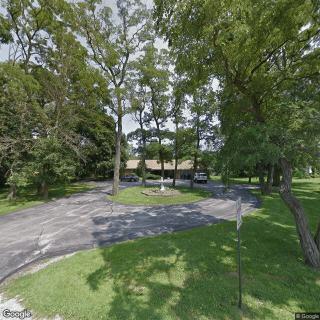



 Understanding Dementia Behaviors: Practical Insights and Strategies for Caregivers
 When Dementia Sparks Anger and Aggression: Understanding the Connection and Ways to Cope
 Dementia Behaviors: In-Depth Understanding and Effective Coping Strategies