
Lake Hallie Memory Care in Chippewa Falls, WI

Save

  • Interior

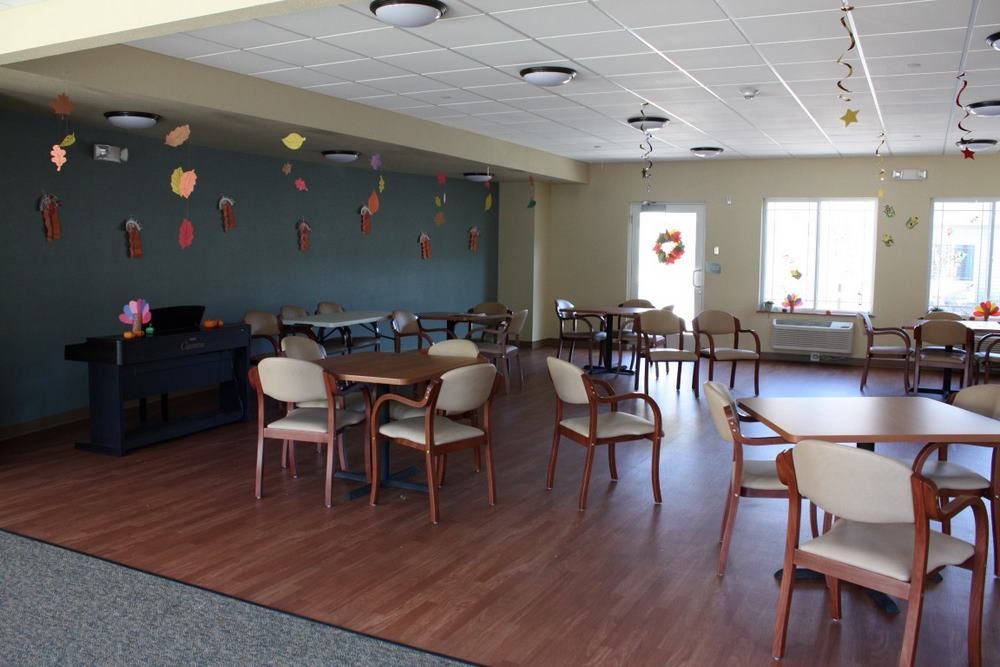
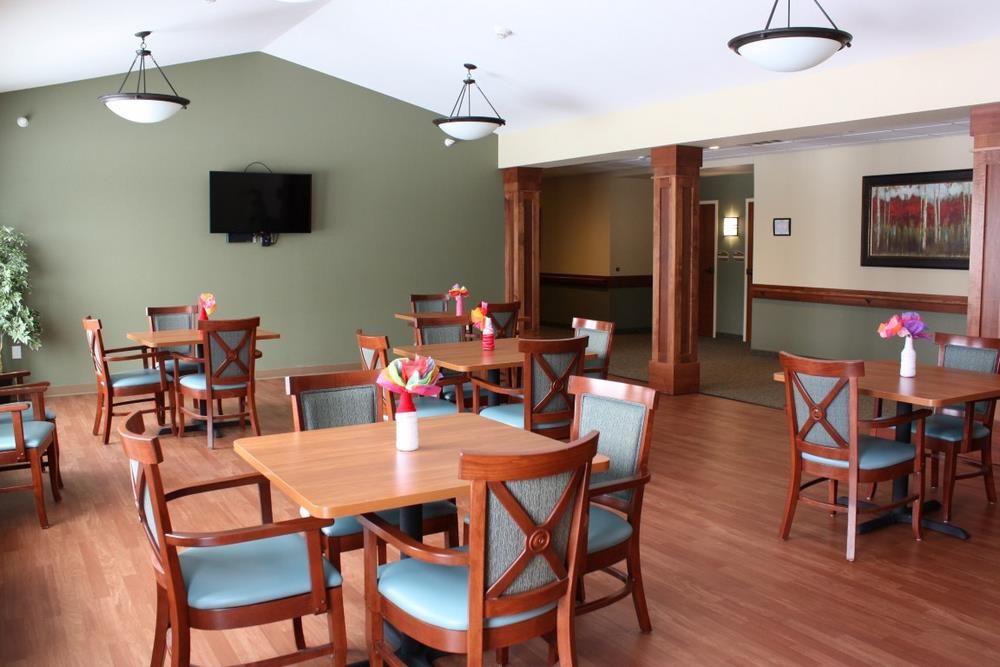
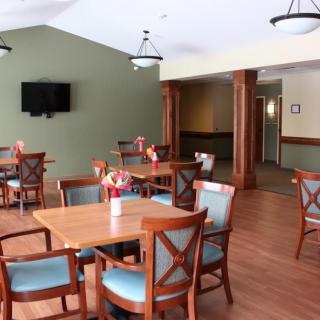
    A cozy dining area with wooden tables and chairs, featuring a wall-mounted TV and decorative elements.
  • Decor

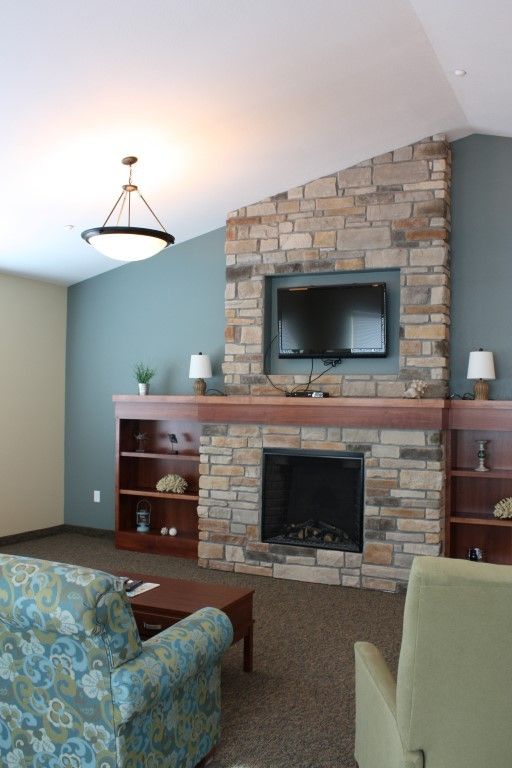
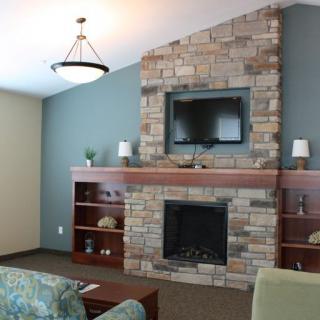
    A cozy living room with a stone fireplace, mounted TV, and built-in shelves.
  • Living Room

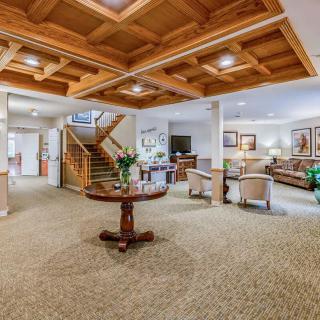
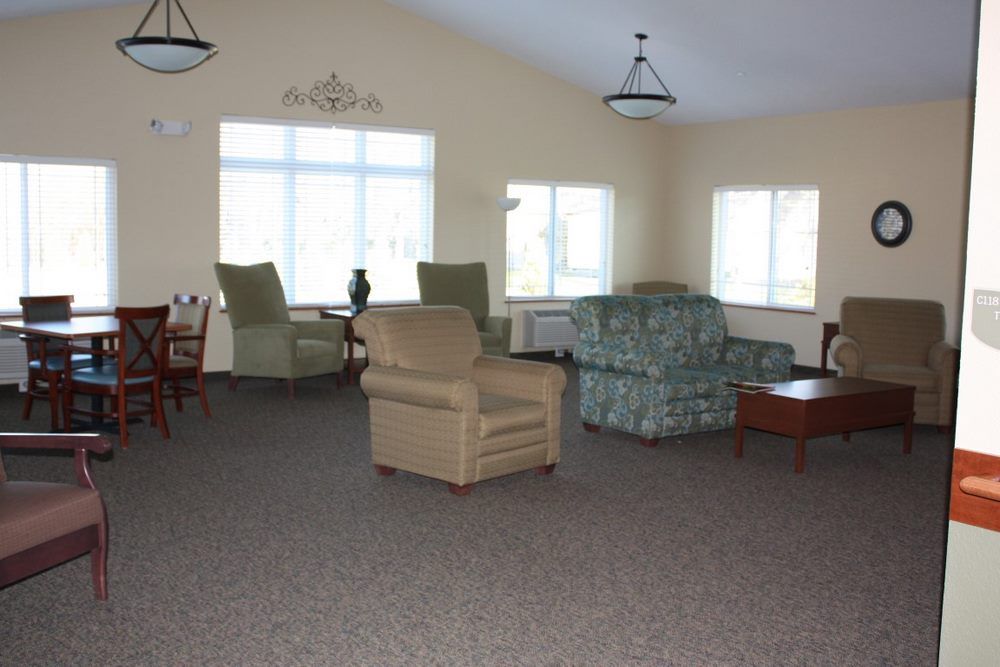
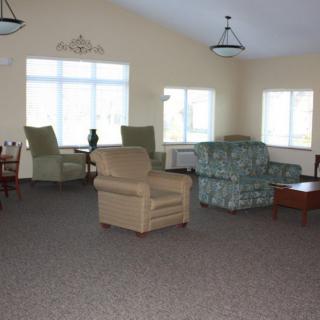
    A cozy living room with a variety of seating options including armchairs and a sofa, well-lit by large windows.
  • Architecture

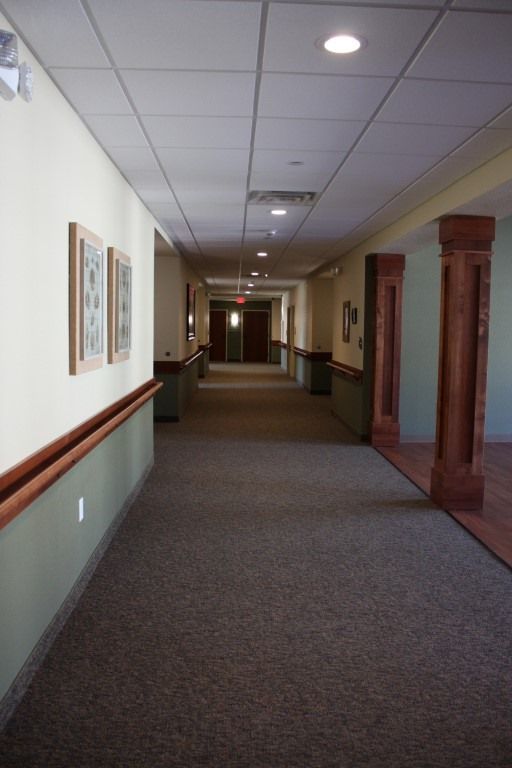
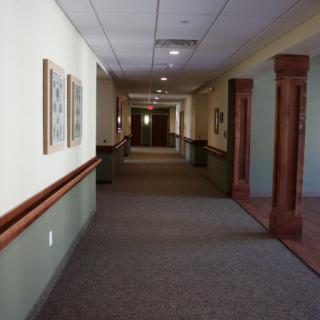
    A long, empty hallway with decorative wooden columns and framed art on the walls.
  • Bedroom

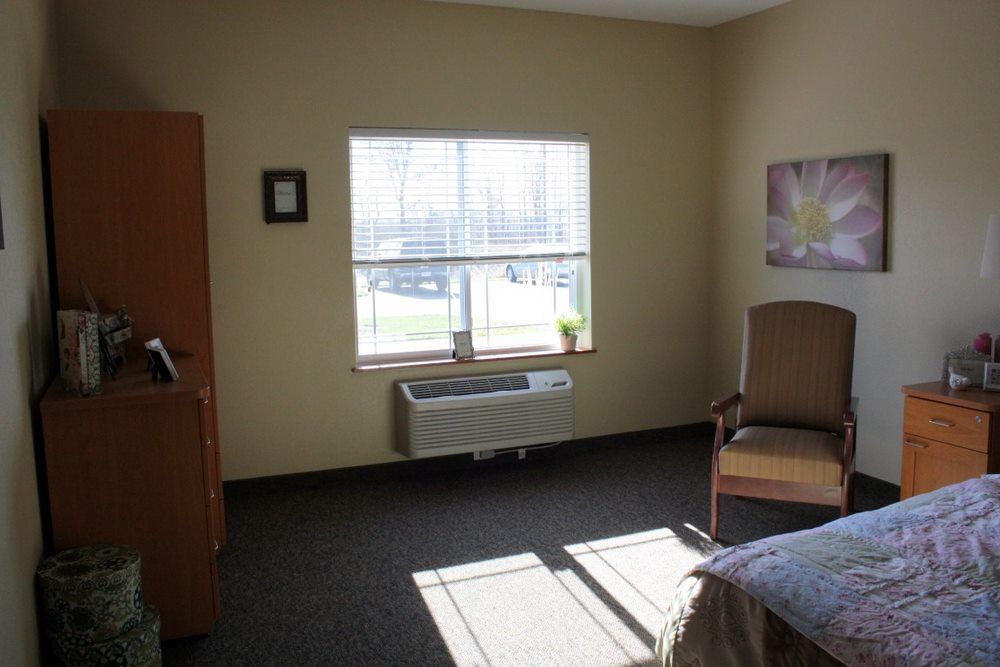
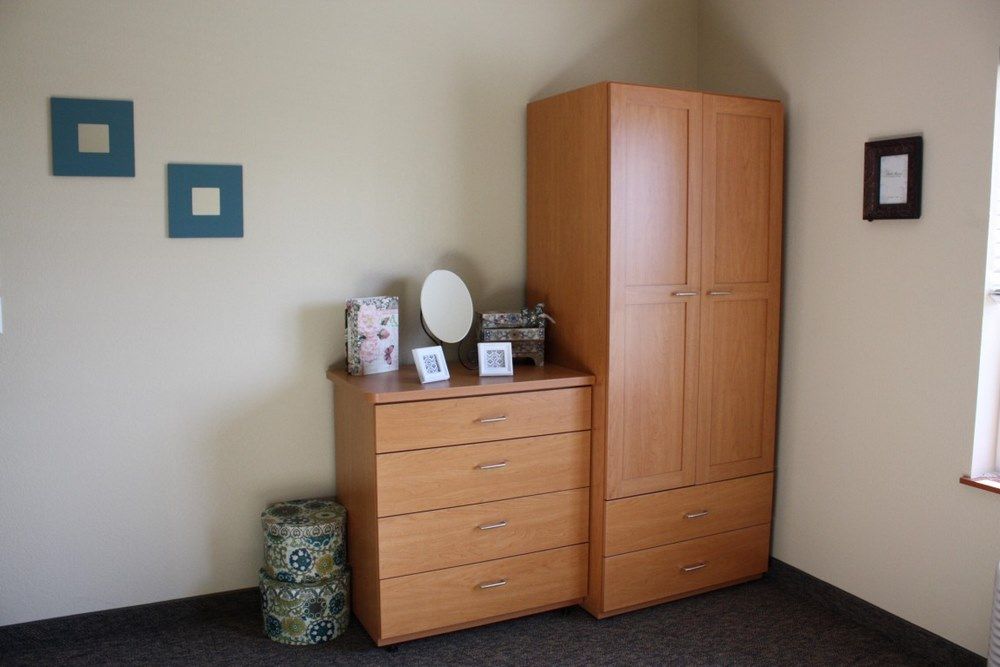
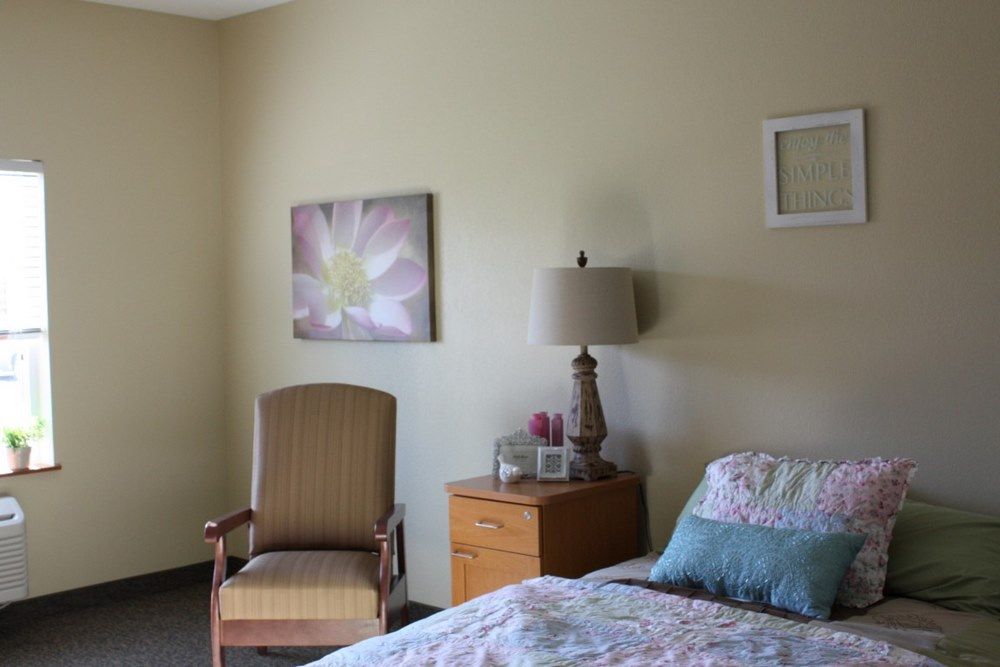
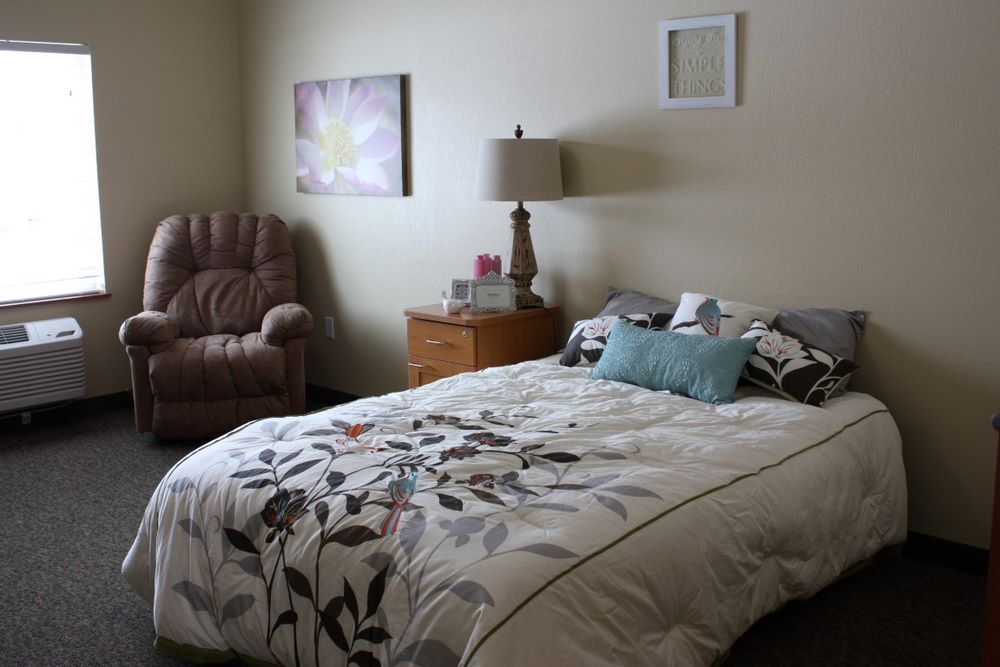
    A cozy bedroom interior featuring a bed with floral bedding, a nightstand with a lamp, an armchair, and decorative wall art.
  • Windows

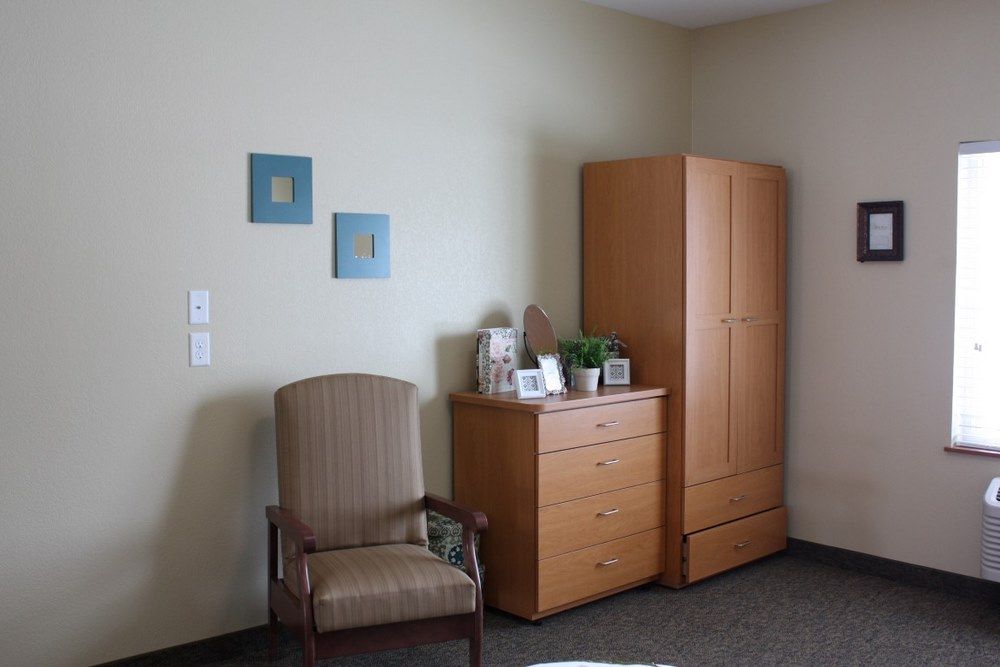
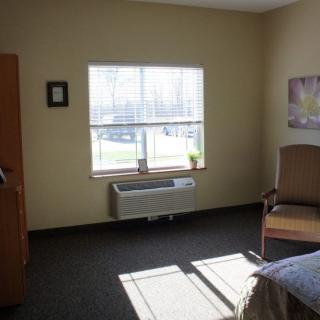
    A minimalist room with a bed, chair, and a window letting in natural light.
  • Kitchen

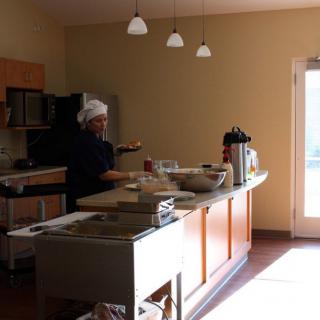
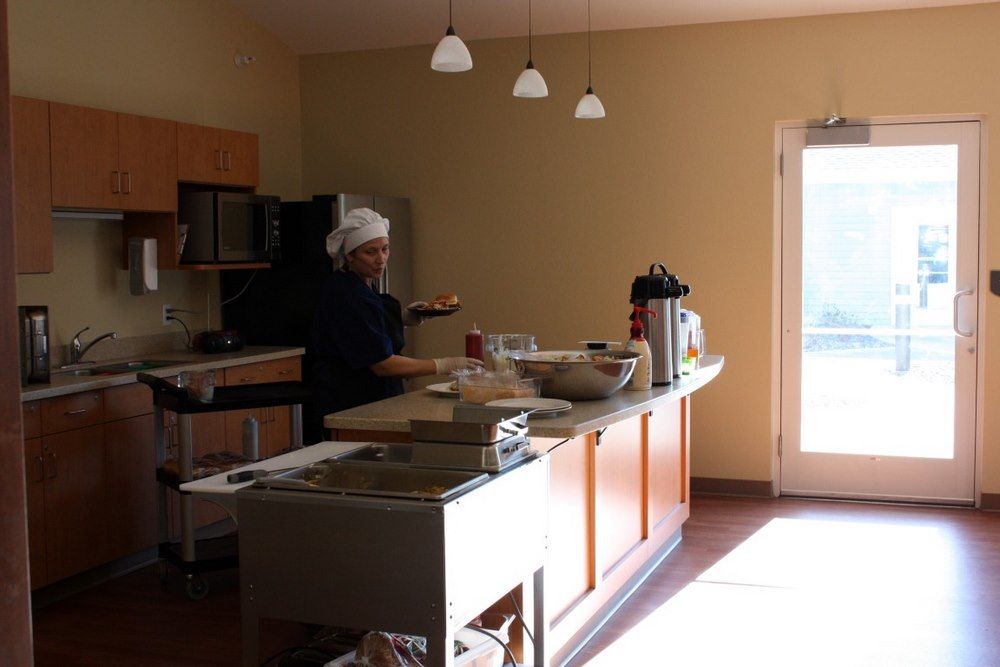
    A chef working in a well-lit kitchen with various appliances and a countertop full of ingredients.
  • Bathroom

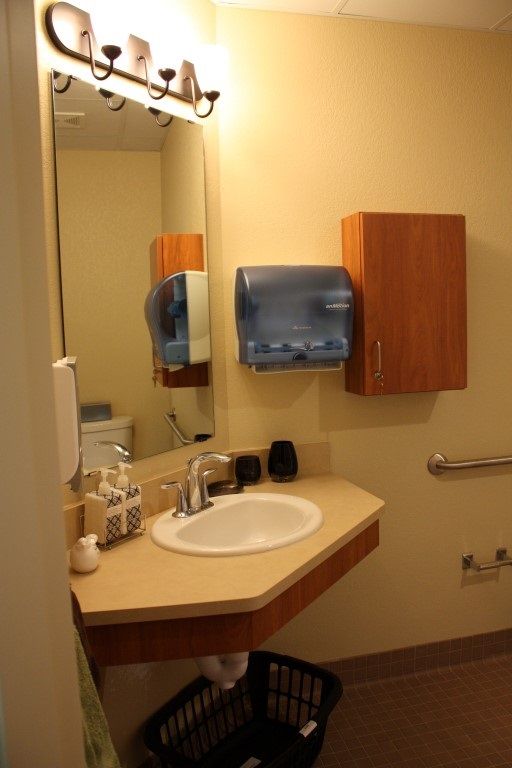
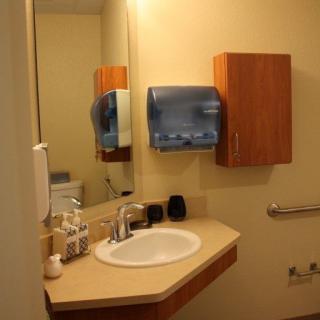
    A clean and organized bathroom with a sink, mirror, and paper towel dispenser.
  • Painting

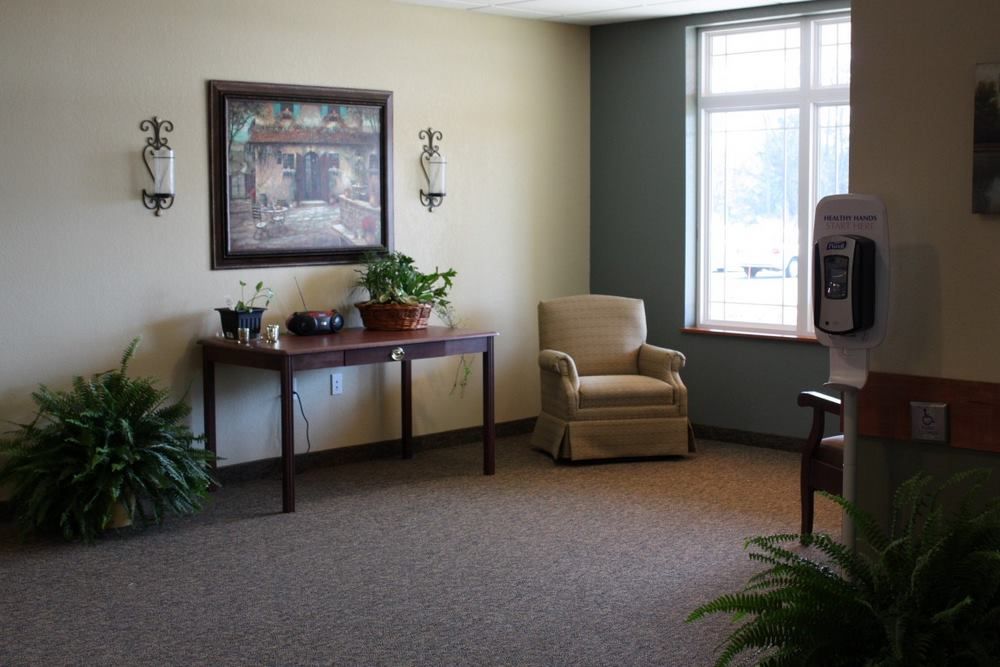
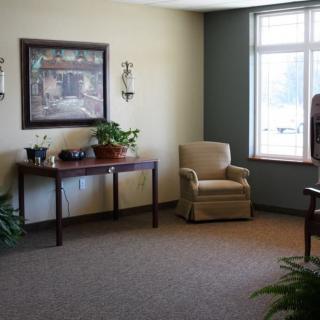
    A cozy living room with a comfortable chair and table, decorated with plants and artwork.
  • Shower

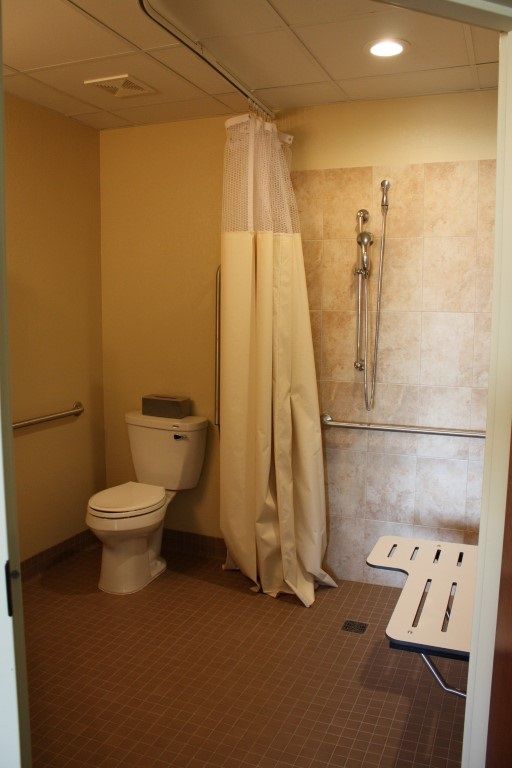
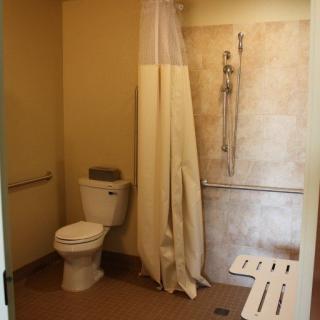
    An accessible bathroom with a toilet, shower, and grab bar.

Lake Hallie Memory Care in Chippewa Falls, WI

Information last verified:

4407 124Th Street, Chippewa Falls, WI 54729

For more information about senior living options: (844) 490-3973

3.8 from 23 reviews
5 stars
15
4 stars
1
3 stars
1
2 stars
0
1 stars
6

Overall Review of Lake Hallie Memory Care

Pros

  • pro The staff calmly and efficiently evacuated residents to a place of safety.
  • pro The staff remained calm and provided extra care to residents who were afraid or upset.
  • pro The residents enjoyed snacks and water, which helped keep them calm during checks by the fire department.
  • pro The atmosphere is amazing and the residents seem very happy.
  • pro The staff are friendly, meals are great and filling, and snacks are always available.
  • pro Floor staff handle stressful situations amazingly.
  • pro The facility is wonderful with an outstanding administrator.
  • pro The staff at Lake Hallie Memory Care are amazing, the facility is beautiful and clean, and the layout is all on one level.

Cons

  • pro They warned others not to put their loved ones there.
  • pro On day one, a resident arrived at 10 am and by 6 pm had still not received any food.
  • pro A family member needed assistance to move and wasn’t given a pendant; staff claimed pendants aren’t used, though one could be obtained in a couple days.
  • pro A pendant alarm went off as a resident was in the doorway, and after the pendant was issued it took two pushes and about 15 minutes for a response.
  • pro The fire alarm sounded from Friday and continued steadily through the following Monday.
  • pro There were claims that thieves took two months’ pay for five days.
  • pro The reviewer felt the facility was not warm or welcoming and wouldn’t want their mom to be treated as they were.
  • pro Communication has not been good; questions about procedures weren’t answered.

Review

Lake Hallie Memory Care in Chippewa Falls is best suited for families seeking a warm, community-centered memory-care setting where staff are consistently present and activities keep residents engaged. The campus is organized into four intimate neighborhoods with dedicated dining areas, an on-site garden, and a fishing pond, features that foster familiarity, safety, and social connection in a smaller, homelike environment. This setup benefits residents who value predictable routines, meaningful interaction, and a sense of belonging. Yet the strengths come with a caveat: daily logistics, prompt safety responses, and clear, proactive communication from leadership matter every day. For families prioritizing flawless meal service on day one, rapid pendants or alarms, and a transparent admissions process, alternatives may be the safer pick. Lake Hallie offers heart and atmosphere, but its overall reliability in ordinary operations warrants careful scrutiny against other options.

On the positive side, staff presence is a recurring strength, with 24/7 coverage and caregivers who are attentive and accessible. Residents reportedly respond well to calm, capable handling of emergencies, and the memory-care focus seems to translate into practical safeguards and reassuring routines. The layout supports individualized days: four dining areas reduce crowding and create intimate meals, while the enclosed outdoor spaces let residents wander safely. Activities run daily and include crafts and games that keep minds engaged; a robust dining program is described as filling, with snacks readily available between meals. Testimonials highlight a strong administrator and collaborative leadership that people feel comfortable engaging with, an important trust signal for families. The combination of a nurturing atmosphere and concrete amenities creates a credible home for memory care when operations remain steady and responsive to residents’ needs.

Still, operational hiccups appear in multiple accounts. One reviewer described day-one meal omission and delays in issuing a safety pendant, followed by a protracted response to a resident’s distress. Another incident involved alarms and various delays before residents were reassured or moved to safety. A separate, serious claim of wage theft adds a troubling shadow over governance and accountability. Tour experiences for prospective families were uneven, with reports of staff distraction, poor front-desk communication, and a sense that hospitality was not consistently warm. Taken together, these threads suggest that while the care team can rise to the moment, routine reliability, especially around basic needs, safety devices, and onboarding communication, has not yet reached a consistently high standard across the community.

These positives offset the negatives only when reliability is bolstered by strong leadership and steady, transparent communication. The same staff who manage daily activities can also create a sense of predictability that mitigates cognitive challenges by providing familiar routines and steady social opportunities. The campus design, from semi-private dining to accessible outdoor spaces, supports dignity and independence, potentially slowing deterioration caused by isolation or boredom. Emergency handling, when it occurs, demonstrates competence and a resident-first approach that can reassure families during crises. The administrator’s evident commitment and the praise from families suggest a culture capable of improvement, provided there is ongoing accountability, consistent communication, and visible consequences when service gaps occur. In practice, Lake Hallie works best for families willing to monitor operations closely and advocate for clear, timely updates.

That said, families should consider alternatives if reliability and onboarding clarity are non-negotiable. If quick meal service, rapid response to safety needs, and unambiguous reporting are essential, the current feedback makes other options appealing. If a flawless first impression matters, clear fronts, welcoming tours, and immediate, courteous contact from admissions, another community may be the better match. The theft allegation, whether isolated or systemic, is a red flag for families who cannot tolerate financial risk or lapses in accountability. For those reasons, exploring other memory-care communities with demonstrable strengths in risk management, consistent operations, and transparent family communication is prudent before deciding Lake Hallie is the final choice.

For families choosing Lake Hallie, a disciplined due-diligence plan will reveal whether the balance leans toward safety and social well-being or toward operational fragility. Schedule multiple visits to observe mealtime flow, pendant use, and front-desk responsiveness during routine hours and during emergencies. Request a direct meeting with the administrator to hear about ongoing improvements, staffing training, and concrete steps taken to address prior concerns. Meet frontline caregivers who would know the loved one by name, and review the activity calendar and dining schedules to ensure resident preferences are reflected. Inquire about incident reporting and safeguards against financial risk, and ask for recent quality-improvement initiatives. With clear answers to these questions, Lake Hallie can be assessed as a compassionate choice that fits well for certain families, while others may discover stronger alignment elsewhere.

Features

Housing

  • 77 resident community capacity 77 resident community capacity

Types of Care

  • Memory Care Memory CareMemory care is crucial for seniors as it provides specialized support and services for individuals with dementia or Alzheimer's disease. These programs offer a safe and secure environment where residents receive personalized care, cognitive stimulation, and help with daily activities. Memory care helps seniors maintain their independence, quality of life, and dignity while also providing peace of mind for their families.

Amenities

  • Air-conditioning Air-conditioningAir conditioning is important for seniors as they are more vulnerable to heat-related illnesses and may have underlying health conditions that make it difficult for them to regulate their body temperature. It helps to keep them comfortable, safe, and healthy in hot weather.
  • Beauty salon Beauty salonBeauty salons are important for seniors because they provide a space for them to feel pampered, socialize, and maintain their personal grooming and hygiene. Regular visits to a beauty salon can help boost seniors' self-esteem and overall well-being.
  • Cable or satellite TV Cable or satellite TVCable or satellite TV is important for seniors because it provides entertainment, news, and companionship, helping to combat loneliness and boredom. It also offers a wide range of programming options tailored to different interests and preferences.
  • Computer center Computer centerA computer center is essential for seniors as it provides access to technology, communication tools, and resources that can enhance their daily lives. It allows them to stay connected with loved ones, engage in online activities, and learn new skills, ultimately promoting socialization and mental stimulation.
  • Dining room Dining roomDining rooms are important for seniors as they provide a space for socialization, connection, and nutritious meals. They offer opportunities for residents to bond over shared meals, foster a sense of community, and promote healthy eating habits. Dining rooms also ensure that seniors have access to well-balanced meals tailored to their dietary needs and preferences.
  • Fitness room Fitness roomHaving a fitness room in a senior living community is essential for seniors to stay active, maintain their physical health, and improve their overall well-being. Regular exercise can help prevent falls, reduce the risk of chronic diseases, and promote mental sharpness. It also provides social opportunities for residents to connect with others and enjoy a sense of community.
  • Fully furnished Fully furnishedFully furnished senior living communities are important for seniors because they provide convenience, comfort, and a hassle-free moving experience. Seniors can easily settle into their new living space without the stress of having to buy and move furniture. This allows them to focus on enjoying their new home and community.
  • Gaming room Gaming roomGaming rooms are important for seniors as they provide a fun and engaging environment for socializing, cognitive stimulation, and physical activity. Games can improve memory, problem-solving skills, and overall mental well-being while fostering friendships and reducing feelings of isolation.
  • Garden GardenGardens are important for seniors as they provide a peaceful and therapeutic environment for relaxation, physical activity, and socialization. Being in nature has been shown to reduce stress, improve mood, and promote overall well-being. Gardens also offer opportunities for seniors to engage in gardening activities, which can improve mobility, flexibility, and cognitive function. Additionally, gardens create a sense of community and connection with others who share a passion for plants and outdoor spaces.
  • Housekeeping services Housekeeping servicesHousekeeping services are important for seniors because they help maintain a clean and safe living environment, promote independence, and reduce the risk of accidents or illnesses. Additionally, having assistance with household chores can alleviate physical strain and allow seniors to focus on other aspects of their well-being.
  • Kitchenette KitchenetteKitchenettes are important for seniors living in senior living communities because they provide the convenience and independence of being able to prepare simple meals and snacks in the comfort of their own living space. This can help promote a sense of autonomy and well-being for seniors, allowing them to maintain some level of control over their dietary choices and daily routines.
  • Move-in coordination Move-in coordinationMove-in coordination is important for seniors because it helps ease the transition into their new living environment. It ensures that all logistics, such as packing, organizing movers, and setting up utilities are taken care of, allowing seniors to focus on settling in and adjusting to their new home. Having a smooth move-in process can alleviate stress and anxiety, making the transition smoother and more enjoyable for seniors.
  • Outdoor space Outdoor spaceOutdoor spaces are important for seniors as they provide opportunities for physical activity, social interaction, exposure to natural light and fresh air, and a sense of connection to nature. Having access to outdoor spaces can improve overall well-being and quality of life for older adults living in senior communities.
  • Private bathrooms Private bathroomsPrivate bathrooms are important for seniors in senior living communities because they provide independence, dignity, and comfort. Having a private bathroom allows seniors to maintain their personal hygiene routines without the need for assistance, promoting a sense of autonomy and privacy. Additionally, private bathrooms help prevent the spread of infections and provide a safe and clean environment for seniors to navigate safely.
  • Restaurant-style dining Restaurant-style diningRestaurant-style dining is important for seniors because it allows them to enjoy delicious, nutritious meals in a social and upscale setting. This enhances their dining experience, promotes healthy eating habits, and fosters socialization with fellow residents, ultimately contributing to their overall well-being and quality of life.
  • Small library Small librarySmall libraries are important for seniors as they provide access to a variety of reading materials, including books, newspapers, and magazines. This can help stimulate their minds, keep them engaged, and provide a sense of community through book clubs and other social activities. Additionally, reading has been shown to improve cognitive function and overall mental well-being in older adults.
  • Telephone TelephoneTelephones are important for seniors as they provide a lifeline for communication with loved ones, emergency services, and healthcare providers. They offer a sense of security and independence, enabling seniors to stay connected and access assistance when needed.
  • Wellness center Wellness centerWellness centers are important for seniors because they offer a variety of programs and services that promote physical, mental, and emotional well-being. These centers provide opportunities for exercise, socialization, education, and relaxation, helping seniors maintain their overall health and quality of life.
  • Wi-Fi/high-speed internet available Wi-Fi/high-speed internet availableWi-Fi/high-speed internet is important for seniors to stay connected with loved ones, access online resources, and participate in virtual activities to combat feelings of loneliness and isolation. It also allows them to easily manage healthcare needs, access entertainment, and engage in lifelong learning opportunities.

Transportation

  • Chippewa Valley Regional (4 miles away) Chippewa Valley Regional (4 miles away)
  • Community operated transportation Community operated transportationCommunity operated transportation is crucial for seniors as it provides them with the means to access essential services, social activities, and medical appointments. It allows seniors to maintain their independence and quality of life by ensuring they can participate in activities outside of their homes. Additionally, community-operated transportation services offer a safe and reliable way for seniors to travel without having to rely on family or friends for assistance.
  • Transportation arrangement Transportation arrangementTransportation arrangements are crucial for seniors as they may face challenges with driving, mobility, or access to public transportation. Having reliable transportation services ensures that seniors can easily attend appointments, social activities, and maintain their independence and quality of life.

Care Services

  • 24-hour call system 24-hour call system24-hour call systems are important for seniors because they provide peace of mind and immediate assistance in case of emergencies. This technology ensures that help is always available, promoting safety and security for elderly individuals living alone or in assisted living facilities.
  • 24-hour supervision 24-hour supervision24-hour supervision is important for seniors to ensure their safety, well-being, and access to immediate assistance in case of emergencies or health issues. This constant support provides peace of mind for both seniors and their loved ones, allowing them to age in place with dignity and security.
  • Activities of daily living assistance Activities of daily living assistanceActivities of daily living assistance are important for seniors because they provide essential support with tasks such as eating, bathing, dressing, and mobility. This assistance helps seniors maintain their independence, dignity, and overall quality of life as they age.
  • Assistance with bathing Assistance with bathingAssistance with bathing is crucial for seniors as it helps maintain personal hygiene, prevents infections, and ensures their overall well-being and comfort. It also provides a sense of dignity and independence for seniors who may struggle with this task on their own.
  • Assistance with dressing Assistance with dressingAssistance with dressing is important for seniors because it helps maintain their independence, promotes personal hygiene, prevents accidents and injuries, and improves overall quality of life. This service ensures that seniors can continue to dress comfortably and confidently, despite any physical limitations they may have.
  • Assistance with transfers Assistance with transfersAssistance with transfers is crucial for seniors as it helps prevent falls and injuries, maintains their independence, and ensures they can safely navigate their living environment. It also provides peace of mind for both seniors and their loved ones.
  • Diabetes diet Diabetes dietA diabetes diet is crucial for seniors as it helps manage blood sugar levels, reduce risks of complications, and improve overall health and well-being. By following a balanced and nutritious diet tailored to their specific needs, seniors can better control their diabetes and enhance their quality of life.
  • Meal preparation and service Meal preparation and serviceMeal preparation and service are crucial for seniors as they may have limited mobility or energy to cook nutritious meals. Having access to healthy and convenient food options can ensure they are getting the proper nutrition needed to maintain their overall health and well-being.
  • Medication management Medication managementMedication management is crucial for seniors to ensure they are taking the right medications at the correct dosages and times. This helps prevent adverse drug interactions, reduces the risk of medication errors, and promotes overall health and well-being. Proactive management also allows for adjustments as needed based on changing health conditions or new prescriptions.
  • Mental wellness program Mental wellness programMental wellness programs are essential for seniors as they promote cognitive stimulation, emotional support, and social engagement. These programs help prevent isolation, depression, and cognitive decline, ultimately enhancing the overall quality of life for older adults.
  • Mild cognitive impairment Mild cognitive impairment"Mild cognitive impairment" is important for seniors because it is an early stage of cognitive decline that can potentially progress to more severe conditions such as dementia. Recognizing and addressing mild cognitive impairment can help seniors receive appropriate care and support to maintain their quality of life and independence for as long as possible.
  • Special dietary restrictions Special dietary restrictionsSpecial dietary restrictions are important for seniors because age-related changes in metabolism and health conditions can make it difficult for their bodies to process certain foods. By following a diet tailored to their specific needs, seniors can maintain their overall health and well-being, manage chronic conditions, and reduce the risk of complications such as malnutrition or food interactions with medications.
  • Specialized memory care programming Specialized memory care programmingSpecialized memory care programming is crucial for seniors with cognitive impairments such as dementia or Alzheimer's disease. These programs provide a safe and supportive environment tailored to the unique needs of individuals with memory loss, helping them maintain their independence, dignity, and quality of life.

Dining

  • Diabetes diet Diabetes dietA diabetes diet is crucial for seniors as it helps manage blood sugar levels, reduce risks of complications, and improve overall health and well-being. By following a balanced and nutritious diet tailored to their specific needs, seniors can better control their diabetes and enhance their quality of life.
  • Special dietary restrictions Special dietary restrictionsSpecial dietary restrictions are important for seniors because age-related changes in metabolism and health conditions can make it difficult for their bodies to process certain foods. By following a diet tailored to their specific needs, seniors can maintain their overall health and well-being, manage chronic conditions, and reduce the risk of complications such as malnutrition or food interactions with medications.

Activities

  • Community-sponsored activities Community-sponsored activitiesCommunity-sponsored activities are important for seniors as they provide opportunities for social interaction, mental stimulation, and physical activity. These activities can help improve overall well-being, combat loneliness and isolation, and promote a sense of belonging and purpose among older adults.
  • Concierge services Concierge servicesConcierge services are essential for seniors as they provide assistance with daily tasks and errands, enhance their quality of life by offering convenience and personalized care, and promote a sense of safety and security.
  • Fitness programs Fitness programsFitness programs are crucial for seniors as they help improve strength, flexibility, balance, and overall well-being. Staying active can reduce the risk of chronic diseases, improve mental health, and enhance quality of life in older adults.
  • Planned day trips Planned day tripsPlanned day trips are important for seniors because they offer opportunities for socialization, mental stimulation, and physical activity. They provide a change of scenery and help seniors stay engaged and connected to their community, promoting overall well-being and quality of life.
  • Resident-run activities Resident-run activitiesResident-run activities are important for seniors as they encourage social interaction, creativity, and a sense of autonomy. These activities empower seniors to stay engaged and active in their community while fostering meaningful connections with their peers.
  • Scheduled daily activities Scheduled daily activitiesScheduled daily activities are important for seniors because they provide structure, socialization, mental stimulation, and physical activity. Engaging in regular activities can improve overall well-being and quality of life for seniors living in a community setting.

Description

Lake Hallie Memory Care is a premier assisted living community located in Chippewa Falls, Wisconsin. Our community offers exceptional amenities and care services to ensure the comfort and well-being of our residents.

Our residents can enjoy a wide range of amenities such as a beauty salon, cable or satellite TV, and a computer center for staying connected with loved ones. We also offer community-operated transportation for easy access to shopping, appointments, and other activities.

For dining, our residents can indulge in delicious meals served in a restaurant-style setting. Special dietary restrictions are accommodated to ensure the nutritional needs of each individual are met. Residents can also take advantage of our kitchenette if they prefer to prepare their own meals.

At Lake Hallie Memory Care, we prioritize the health and wellness of our residents. Our fitness room and wellness center encourage physical activity and provide opportunities for exercise programs tailored to individual needs. Housekeeping services keep resident rooms clean and comfortable.

Our dedicated staff provides 24-hour supervision and offers assistance with daily activities such as bathing, dressing, and transfers. We have specialized memory care programming to support those with cognitive impairments. Medication management is provided to ensure that medications are taken safely and on time.

Residents at Lake Hallie Memory Care can enjoy various activities within our community such as resident-run activities, scheduled daily activities, fitness programs, and planned day trips. For those who prefer outdoor relaxation, our beautiful garden and outdoor space provide tranquility.

We pride ourselves on being conveniently located near parks, pharmacies, physicians' offices, restaurants, places of worship, theaters, and hospitals. This ensures easy access to amenities outside our community for additional convenience.

Overall, Lake Hallie Memory Care provides a warm and inviting atmosphere where residents receive personalized care while enjoying an array of amenities and engaging activities. We strive to create a supportive environment that promotes independence while ensuring safety and comfort for all residents.

Nearby Places of Interest

This part of Chippewa Falls, Wisconsin, offers a variety of amenities and services that cater to the needs of seniors. With multiple pharmacies nearby, accessing medication and healthcare services is convenient. The area also boasts several reputable physicians' offices and a veterans administration clinic for medical care. In terms of leisure activities, there are parks, a theater, and restaurants within a short distance, providing opportunities for entertainment and socialization. Additionally, the presence of places of worship like Faith Lutheran Church and Valley Vineyard Church allows for spiritual fulfillment within the community. For those who enjoy dining out or need transportation, options such as Taco John's, U-Haul Moving & Storage, and Mr Cab are readily accessible. Overall, this part of Chippewa Falls offers a blend of convenience, healthcare options, recreational facilities, and community resources suitable for seniors considering the area for retirement living.

Restaurants

  • Taco John's (1.4 miles)
  • Subway (1.4 miles)
  • McDonald's (1.5 miles)
  • Subway (1.5 miles)
  • Culver's (1.6 miles)
  • Arby's (1.6 miles)
  • Eagle's Club (1.9 miles)

Pharmacies

  • Walmart Pharmacy (1.5 miles)
  • Walgreens (1.6 miles)
  • Konsella Drug Store (2.4 miles)
  • Medicine Shoppe (2.5 miles)
  • RXLTC (2.5 miles)
  • Achieve Wellness Add to Favorites (6.2 miles)
  • Value Center Health Mart Pharmacy (7.4 miles)

Transportation

  • U-Haul Moving & Storage (1.7 miles)
  • Mr Cab (3.5 miles)
  • United Airlines (4.2 miles)
  • Budget Car Rental (4.3 miles)

Places of Worship

  • Faith Lutheran Church (1.7 miles)
  • Valley Vineyard Church (1.9 miles)
  • Diocese of La Crosse (2 miles)
  • First Presbyterian Church-Chippewa Falls (2.3 miles)
  • Saint Charles Parish (2.3 miles)
  • Zion United Methodist Church (2.5 miles)
  • Notre Dame Rectory (2.5 miles)

Physicians

  • Marshfield Clinic Lake Hallie Center (1.8 miles)
  • Veterans Administration Clinic (2.2 miles)
  • The Cosmetic Laser Center (2.7 miles)
  • Northern Wisconsin Center (3.6 miles)
  • Family Health (4.1 miles)
  • Family Health Associates (4.1 miles)
  • Chippewa Valley Orthopedics & Sports Medicine (4.1 miles)

Theaters

  • Micon Cinemas (2.2 miles)

Parks

  • Allen Park (2.4 miles)
  • Chippewa County Forest & Parks (2.5 miles)
  • Marshall Park (2.8 miles)
  • Northern Wisconsin State Fairgrounds (2.9 miles)
  • Irvine Park (3 miles)
  • River Prairie Park (6.2 miles)
  • Jeffers Park (6.5 miles)

Hospitals

  • HSHS St. Joseph's Hospital (4.2 miles)

Cafes

  • The Nostalgic Bean (7 miles)

Frequently Asked Questions

Where is Lake Hallie Memory Care?
Does Lake Hallie Memory Care provide care for residents with dementia or Alzheimer's disease?
What photos are available for Lake Hallie Memory Care in Chippewa Falls, Wisconsin?

Nearby Communities

  • Make A Difference Homes 4135 130Th St

    Make A Difference Homes 4135 130Th St

    Chippewa Falls, WI

    5 from 14 reviews
     

    pro Very small, intimate community with furnished apartments, dining, housekeeping, and comprehensive care services.

  • Make A Difference Homes II

    Make A Difference Homes II

    Chippewa Falls, WI

    3 from 2 reviews
     

    pro Comprehensive care with 24-hour supervision, ADL support, meals, housekeeping, and on-site amenities (outdoor space, Wi-Fi, move-in coordination).

  • Make A Difference Homes 4320 132Nd St

    Make A Difference Homes 4320 132Nd St

    Chippewa Falls, WI

    5 from 3 reviews
     

    pro Intimate, home-like setting with 24/7 supervision and personalized care.

  • Make A Difference Homes

    Make A Difference Homes

    Chippewa Falls, WI

    5 from 3 reviews
     

    pro Personalized 24/7 care with ADL support and furnished, amenity-rich setting.

  • Ace Family Homes 11660 Side

    Ace Family Homes 11660 Side

    Chippewa Falls, WI


    pro Fully furnished apartments with 24/7 assistance, meals, and activities.

  • Ace Family Homes 11658 Side

    Ace Family Homes 11658 Side

    Chippewa Falls, WI


    pro Fully furnished living spaces with dining, housekeeping, medical transportation, and a garden setting.

  • Oak Gardens Place

    Oak Gardens Place

    Altoona, WI

    4.6 from 86 reviews
    $2,948 to $4,438 / month

    pro Homey, caring staff; clean, welcoming environment; smaller community with personalized attention; studio pricing is comparatively affordable.

  • St Francis Apartments

    St Francis Apartments

    Eau Claire, WI

    5 from 3 reviews
     

    pro Excellent access to dining, parks, healthcare, and worship nearby.

  • Beehive Homes Of Eau Claire

    Beehive Homes Of Eau Claire

    Eau Claire, WI

    5 from 3 reviews
    $4,700 / month

    pro Caring, friendly staff; clean facility with varied activities and high-quality meals.

Related Resources

  • reminiscence therapyAn In-Depth Look at Reminiscence Therapy in Dementia Care

    Reminiscence therapy is a structured method for older adults, especially those with dementia, to share life stories using prompts and sensory cues, fostering emotional well-being, social engagement, and self-identity. It aims to improve quality of life by enhancing interpersonal connections and cognitive stimulation while requiring careful facilitation to avoid distressing memories.

  • dementia hallucinationsDementia-Related Hallucinations: Causes, Experiences, and Practical Approaches

    Dementia, particularly Lewy body dementia, often involves hallucinations that can significantly distress both patients and caregivers due to disruptions in sensory processing and neurotransmitter imbalances. Effective management includes compassionate communication, environmental adjustments, and a multidisciplinary approach to care while addressing the emotional needs of caregivers.

  • alzheimer's factsIlluminating Insights About Alzheimer's Disease: Ten Crucial Realities
    Alzheimer’s disease is a progressive neurological disorder that significantly impacts memory and cognitive functions, accounting for 60-80% of dementia cases, with early diagnosis being crucial yet challenging. It involves brain changes like beta-amyloid plaques and tau tangles, influenced by genetic and lifestyle factors, and while there is no cure, symptom management and support for caregivers are essential.