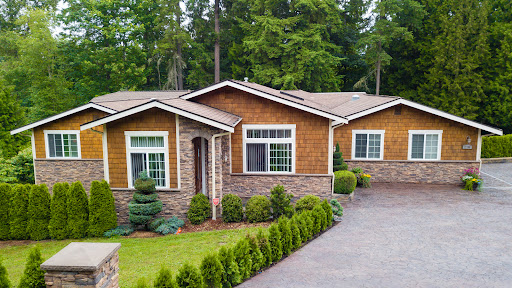
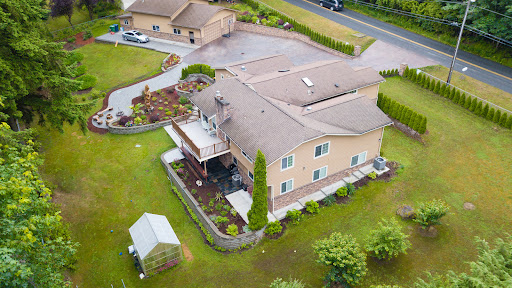
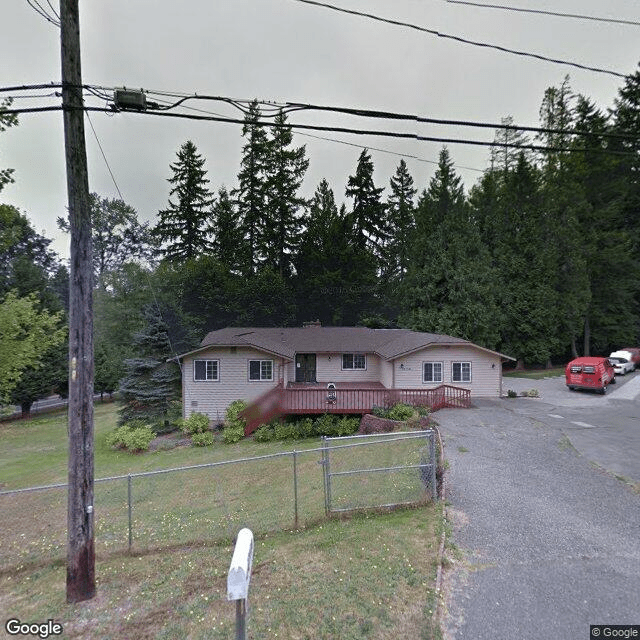
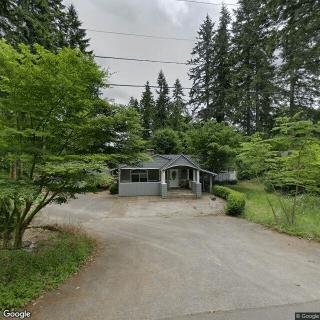
17138 164th Ave NE, Woodinville, WA 98072
To contact a resident: (425) 486-9512
For more information about senior living options: (866) 208-4318
Hollywood Hills of Washington Inc Costs & Pricing
Hollywood Hills of Washington Inc offers a range of room types at prices that reflect both the quality of care and the amenities provided. For a semi-private room, residents can expect to pay $5,500 monthly, which is notably higher than the averages for Snohomish County ($4,320) and the broader state of Washington ($4,267). In terms of private accommodations, the facility charges $6,000 per month, again surpassing county and state averages of $4,834 and $4,772 respectively. For those in need of a more spacious one-bedroom unit, the cost rises to $7,000 - a rate higher than the county's average of $5,080 and the state's average of $4,632. While these costs are elevated compared to regional norms, they reflect Hollywood Hills' commitment to providing exceptional care and a high-quality living environment for its residents.
| Floor plans | Hollywood Hills of Washington Inc | Snohomish County | Washington |
|---|---|---|---|
| Semi-Private | $5,500 | $4,320 | $4,272 |
| Private | $6,000 | $4,834 | $4,774 |
| 1 Bedroom | $7,000 | $5,080 | $4,634 |
Memory care communities with a similar price nearby
-
from +$1000 / mo
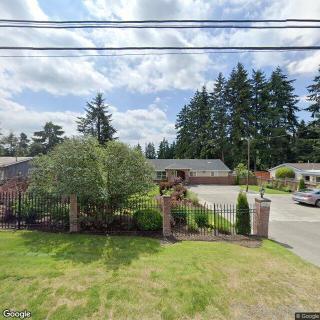
The Promised Land
$6,500 / month5.7 miles away -
from +$500 / mo
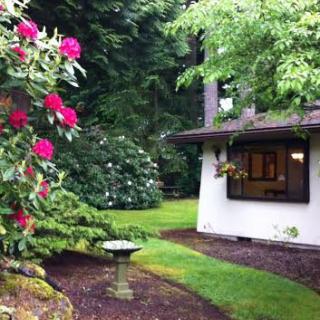
Home Away From Home LLC
$6,000 to $7,000 / month11.8 miles away -
from +$500 / mo
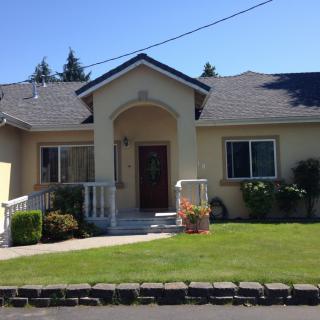
Elderly Home Care
$6,000 to $8,000 / month4.8 miles away -
from +$250 / mo
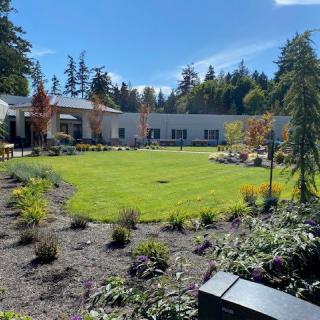
Fieldstone Rolling Bay and Fieldstone Memory Care
$5,750 to $8,895 / month18.8 miles away -
from +$500 / mo
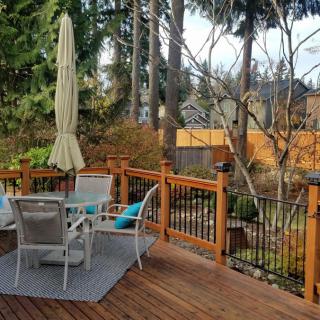
Blue Horizon Adult Family Home
$6,000 to $7,000 / month24.9 miles away
Overall Review of Hollywood Hills of Washington Inc
Pros
 The group is amazing; the mother’s health has improved since moving in, and she is always clean, dressed, and engaged with staff.
- The provider offers a wonderful experience and treats residents like family.
- The mother is treated with respect and feels like family; staff adapt to changing needs and visits are welcomed; the home is clean and residents are well cared for.
- The staff provide superior care with compassionate hearts, prioritizing residents' needs, and communication is easy and enjoyable.
- The home is clean and well-run by a caring family, with personalized care that adapts to each resident’s needs.
- The facility is well maintained and odor-free, with caring staff and varied, well-prepared meals; families would recommend it to others.
Cons
 There are not really any activities at this home beyond basic care (meals, bathing, dressing, toileting, and watching TV).
- This lack of activities leaves residents with limited engagement for their needs.
- The review implies the care focuses on essential tasks rather than providing meaningful activities.
Review
Hollywood Hills of Washington Inc in Woodinville is best suited for families seeking a warm, home-like environment where caregivers treat residents as family and care plans are quickly adapted to changing needs. The community shines for seniors facing memory challenges, post-stroke impairments, or mobility limitations who require hands-on, personalized attention. Families consistently report that their loved ones are well cared for, clean, dressed, engaged with staff, and that health and mood often improve after the move. This is not a sterile, clinical setting; it feels like a small, caring home where staff interactions emphasize dignity, respect, and ongoing reassurance for relatives.
What this community clearly delivers is a culture of responsive, compassionate care backed by easy, practical communication with families. Several residents are described as being treated like members of a family, with staff willing to adapt to evolving care needs and to accommodate visits. The strongest value proposition centers on safety, attentiveness, and consistent daily oversight, elements that matter most when a loved one requires steady supervision and someone who notices subtle changes in health or mood. For families prioritizing open lines of communication and a sense of belonging, Hollywood Hills offers a compelling, reliable fit.
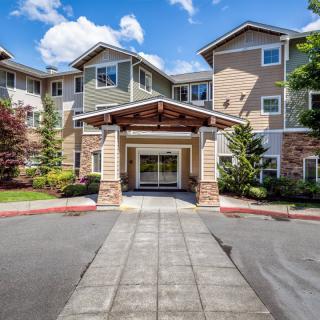
The practical pros extend beyond warmth and attention. Caregivers are repeatedly praised for their genuine concern and ability to coordinate quickly when health issues arise, ensuring that problems are addressed promptly and without the drama often associated with care transitions. Cleanliness and a well-maintained environment are recurring positives, including a notably odor-free front entry and a home-like, organized setting. Meals are described as varied and well prepared, and the overall atmosphere reinforces a perception of daily life that is manageable and reassuring for both residents and families. Importantly, visitation remains straightforward, enabling families to stay closely involved in daily routines and in the ongoing care plan.
A notable caveat emerges around activity programming. One review highlights a relatively modest slate of activities, focusing mainly on daily living tasks, meals, bathing, dressing, toileting, and group TV time, rather than a broad, structured activity schedule. For families seeking robust cognitive engagement, social programming, or enrichment opportunities beyond basic care, this may feel limiting. That said, the same reviews emphasize that, given the resident’s current abilities and care needs, these activities may align with what the individual can enjoy and benefit from at this stage. The question becomes: does the resident’s lifestyle require a bustling calendar of programs, or is predictable, intimate daily care and easy visitation more valuable?
The key is how strongly the benefits offset the potential gaps in programming. For residents with dementia or post-stroke needs, the peace of mind that comes from highly attentive caregivers, personalized adaptation of care plans, and a home-like, sanitary environment can outweigh a thinner activity roster. Easy, dependable communication means care decisions can be adjusted quickly as health or behavior change; a clean, odor-free setting supports dignity and reduces stress for both resident and family. In short, the strong points, safety, adaptability, warmth, and family involvement, tave a decisive edge when the priority is steady, compassionate daily care and a trusted place to visit and participate in the resident’s routine.
This community is a strong fit for families prioritizing a hospitable, family-run feel, where caregivers remember preferences and actively tailor care to the individual. It is less suited for families seeking high-intensity clinical oversight, broader programming, or a campus with extensive amenities and formal activity schedules. Prospective residents should plan to assess the balance between personalized care and program diversity in person: observe staff interactions, discuss care plans with management, sample meal quality, and gauge how well the atmosphere supports the resident’s current and anticipated needs. If safety, consistent attentiveness, and a sense of belonging top the list, Hollywood Hills stands out as a practical, trustworthy option. If the goal centers on a richer activity calendar or specialized advanced therapies, alternatives may deserve heavier consideration.
 Board and Care Home
 Memory Care
 Activities off-site
 Beautician on-site
 Indoor common areas
 Outdoor common areas
 Private
 Private bathrooms
 Respite or short term stays offered
 Swimming pool / hot tub
 Wheelchair accessible showers
 Seattle-Tacoma International (23 miles away)
 Diabetic care
 High acuity care
 Incontinence care
 Medication management
 Kosher



 How to Communicate with a Loved One Living with Dementia: 10 Supportive Strategies
 Comprehensive Guide to VA Nursing Homes: A Crucial Long-Term Care Resource for Veterans
 Estimating the Expenses of At-Home Dementia Care: A Detailed Exploration