
16028 NE 184th Place, Woodinville, WA 98072
To contact a resident: (425) 415-6446
For more information about senior living options: (866) 208-4318
Lake Leota Senior Care Costs & Pricing
Lake Leota Senior Care offers a competitive monthly rate of $4,000 for private rooms, which is notably lower than the average costs in both Snohomish County and the state of Washington. In comparison, the average cost for a private room in Snohomish County stands at $4,834, while statewide averages are slightly lower at $4,772. This positions Lake Leota as an appealing option for those seeking quality senior care at a more accessible price point without compromising on essential services and support.
| Floor plans | Lake Leota Senior Care | Snohomish County | Washington |
|---|---|---|---|
| Private | $4,000 | $4,834 | $4,774 |
Senior living communities with a similar price nearby
-
from -$500 / mo
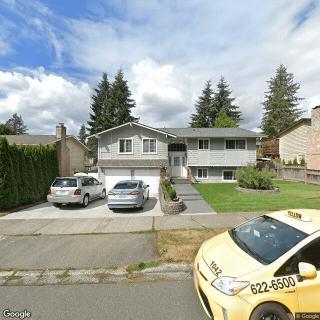
Dignity Life
$3,500 / month6.5 miles away -
from -$625 / mo
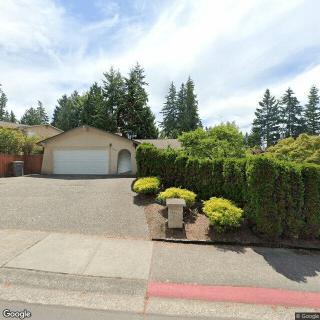
Evergreen Manor Senior Care Inc
$3,375 to $7,500 / month5.0 miles away -
About the same
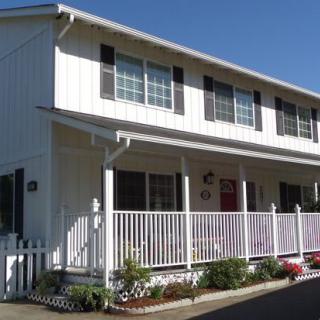
Meadow Crest Senior Home
$4,000 to $6,000 / month17.7 miles away -
About the same

Riverton Home Care
$4,000 to $5,000 / month21.1 miles away -
About the same
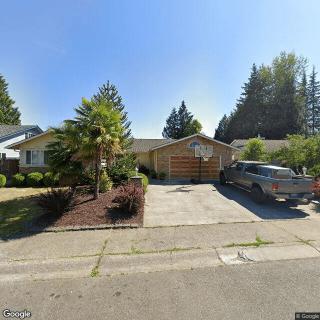
Gentle Care Home
$4,000 to $5,500 / month21.4 miles away
Overall Review of Lake Leota Senior Care
Pros
 They made the resident feel like part of their family from the start.
- The grounds were immaculate and the inside of the home was well kept.
- They had a lovely vegetable garden.
- They were willing to help with the resident’s needs.
- The facility had electronic alarm pads to monitor patients and prevent unauthorized exits.
Cons
 The reviewers warn families to think twice about this facility.
- They describe the group home as not monitored and not professional, run by the owner’s parents rather than by the owner.
- The loved one reportedly fell several times, was injured, and was not monitored when at risk.
- The resident was fearful of the husband living there, and there were signs of abuse as if he were being mishandled.
- They state the place lacks activities, is not the claimed 3800 square feet of living space, has stairs, and is not ADA compliant.
Review
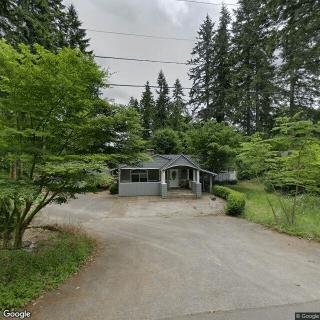
Lake Leota Senior Care in Woodinville is best suited for families seeking a truly intimate, home‑like setting where warmth and personal attention feel tangible. It appeals to those who want a small, domestic atmosphere over a clinical environment and who value the sense that caregivers are nearby and approachable. The property’s vibe and layout emphasize comfort, familiarity, and approximating a private residence, which can be attractive for residents who don’t require intensive institutional supervision but do need daily assistance. For families prioritizing a garden, quiet daily routines, and a place where residents can feel like part of a welcoming household, this community can be a workable fit.
That said, there are clear reasons why alternatives should be considered. Prospective residents who require rigorous professional oversight, formal licensure, and comprehensive activity programming should look elsewhere. Larger, licensed facilities with on‑site administrators, documented staffing ratios, and transparent ownership structures typically offer steadier supervision, predictable schedules, and clearer accountability. For adults needing consistent, structured programming or ADA‑compliant, barrier‑free spaces, Lake Leota’s small, private‑home model may fall short of expectations and safety standards.
The strongest positives evident in the favorable impressions center on atmosphere and safety features that support daily living. The setting is described as immaculate, with well-kept grounds and a pleasant interior, and there is a tangible sense of willingness to accommodate residents’ needs. A garden provides a meaningful, life‑enhancing outdoor connection, and electronic alarm pads contribute a layer of safety by helping prevent elopement or wandering. These elements collectively create a warm, homey experience that can significantly improve quality of life for residents who thrive on personal attention and a comforting routine.
However, the most serious red flags come from concerns about governance, supervision, and accessibility. Several warnings describe the operation as run by a family rather than a professional management team, with on‑site oversight appearing inconsistent and questions raised about what constitutes monitored, professional care. Reports of falls without adequate monitoring, fears of mishandling, and a tense interaction during a crisis all raise legitimate safety anxieties. Additionally, the home’s small size, presence of stairs, and lack of ADA‑level accessibility, coupled with claims that the residence is not a clearly licensed, professionally staffed environment, point to potential risks for residents with higher care needs or mobility challenges.
These strengths and weaknesses collectively determine where Lake Leota fits on a decision scale. The warm, garden‑oriented, home‑like experience cannot fully overcome concerns about formal supervision, regulatory compliance, and consistent staffing. For a resident who values companionship, a familial feel, and simple safety measures, with a family willing to stay engaged and responsive, Lake Leota can be appealing. For anyone whose priority is rigorous safety standards, predictable programming, or strict adherence to accessibility and licensing norms, the gaps are too significant to overlook.
Practical next steps sharp this into a clear decision: verify licensure and recent inspection histories with the Washington Department of Social and Health Services, and request copies of any incident reports and staff rostering. Conduct a candid tour focusing on staff presence, supervision practices, and the owner or operator’s level of day‑to‑day involvement. Ask for a detailed activity schedule, private space accessibility, and a plan for emergencies, including how fall risks are managed. Speak with current residents and their families about safety, responsiveness, and how concerns are handled. If these assurances are not strong and transparent, alternatives, larger, licensed facilities with documented safety protocols and robust activities, should be seriously considered. Lake Leota can work, but only for families that can tolerate and oversee the inherent trade‑offs.
 Board and Care Home
 Cats allowed
 Dogs allowed
 Activities off-site
 Bath tubs
 Devotional services off-site
 Indoor common areas
 Outdoor common areas
 Private
 Private bathrooms
 Respite or short term stays offered
 Wheelchair accessible showers
 Seattle-Tacoma International (23 miles away)
 Ambulatory care
 Diabetic care
 High acuity care
 Incontinence care
 Medication management
 Kosher
 Christian services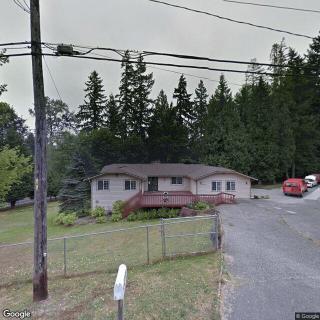


 Comprehensive Approaches for Arthritis: A Detailed Guide to Symptoms, Causes, and Care
 Comprehensive Insights and Practical Strategies to Help Older Adults Avoid Falls
 6 Crucial Ways an Elder Law Attorney Assists Families