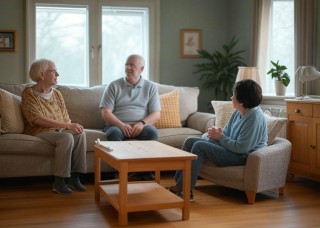
Iris Adult Family Home in Vancouver, WA

Save
Iris Adult Family Home

Iris Adult Family Home in Vancouver, WA

Information last verified:

8505 Ne 15th St, Vancouver, WA 98664

For more information about senior living options: (844) 490-3973

4.5 from 20 reviews
5 stars
15
4 stars
3
3 stars
0
2 stars
1
1 stars
1

Iris Adult Family Home Costs & Pricing

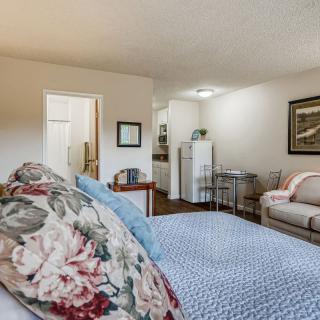
Iris Adult Family Home offers competitive pricing across all room types when compared to both Clark County and the broader state of Washington. Each room type, including studios, one-bedroom, private, and semi-private accommodations, is priced at $4,500 per month. This rate aligns closely with county averages, where similar rooms range from approximately $3,882 to $4,178 in Clark County. However, it is worth noting that Iris's pricing is slightly higher than the state median for one-bedroom and private rooms, which can go up to $4,772. In contrast, their semi-private option remains favorable compared to the state average. Overall, Iris Adult Family Home positions itself as a premium choice within the local market while providing a consistent rate for its services.

Floor plansIris Adult Family HomeClark CountyWashington
Studio$4,500$3,882$4,128
1 Bedroom$4,500$4,178$4,634
Private$4,500$3,992$4,774
Semi-Private$4,500$3,897$4,272

Overall Review of Iris Adult Family Home

Pros

  • pro Tami creates a family‑like atmosphere at Parkside, bringing staff, residents, families, and visiting professionals together.
  • pro Parkside is a wonderful care home with a caring staff who treat residents with care, love, and respect.
  • pro The staff and the house owner at Parkside are friendly and caring.
  • pro Tami and her team provide excellent care and connect with residents and their families to give them peace of mind.
  • pro The caregivers at Parkside are amazing and dedicated to handling meals, daily care, and resident needs.
  • pro Parkside has earned high praise from visiting nurses and hospice as one of the best adult family homes they have visited.
  • pro The food at Parkside is good, and the staff are attentive and caring toward residents' needs.
  • pro Iris Adult Family Home has a great staff and a clean, welcoming facility with delicious food.
  • pro The owners and care staff at Iris AFH are loving and genuinely care for their residents.
  • pro The Iris AFH is lovely, with games, activities, homemade food, and staff who deeply love their residents.

Cons

  • pro They note there is only one caregiver on duty at a time, making it difficult to provide adequate care.
  • pro They feel the facility was built as a home and is not suitable as a care facility.
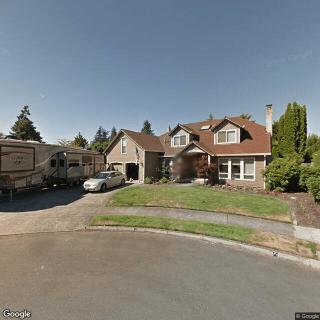
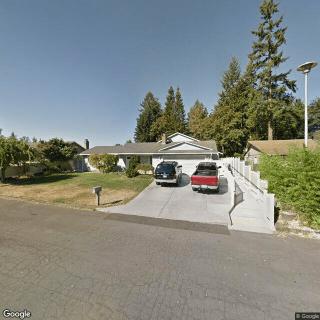
  • pro They describe very limited parking as a drawback.
  • pro They report that dad’s medications were given incorrectly.
  • pro They say there is no time for caregivers to do activities due to the workload.
  • pro They find the meals unacceptable (PBJ sandwiches 3–4 times a week) and note spicy foods don’t sit well with the elderly.
  • pro They mention an employee who spoke limited English, which made it hard for a resident to understand.
  • pro They feel it is a certified memory care home with few skills to justify the title.

Review

Iris Adult Family Home in Vancouver is best suited for families seeking a warm, home-like setting where seniors receive deeply personal, attentive care from a small, cohesive team. This is the kind of place that operates more like a household than a medical facility, with owners who are visibly involved and a culture that treats residents as part of a extended family. The environment is calm and well-kept, the layout feels safe and comfortable, and meals are often described as satisfying and hearty. For families prioritizing close communication, consistent updates, and hands-on involvement from caregivers and leadership, Iris delivers the steady, reassuring presence that eases transitions and helps families stay connected to their loved ones. It is particularly appealing to those who value dignity, familiarity, and a predictable daily rhythm in a residence that feels intimate rather than institutional.

That said, Iris may not be the best fit for every situation. Families needing intensive, hospital-grade medical oversight or robust dementia-specific programming should consider alternatives with larger staffs and more formalized memory-care services. A recurring theme in the broader feedback is the challenge of operating with a small team, where one caregiver covers many responsibilities for long stretches, leaving limited time for structured activities or social programming. Prospective residents with higher needs for constant supervision or those seeking a robust calendar of activities may sensibly look at facilities that can provide more hours of dedicated programming and a higher caregiver-to-resident ratio. Additionally, those who place a premium on clearly defined memory-care credentials and specialized dementia training should verify Iris’s current capabilities, as one reviewer questioned the depth of memory-care experience in this setting.

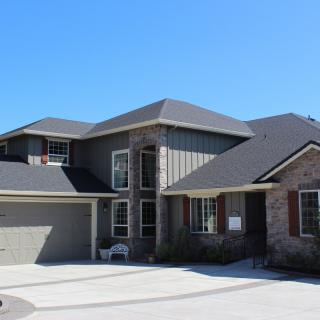
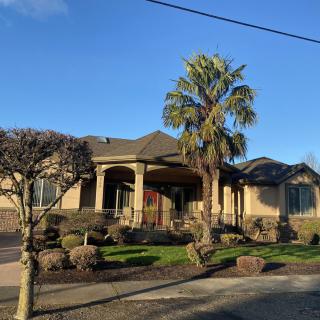
The strong positives in Iris’s favor are tangible and meaningful. Families repeatedly praise staff who are loving, responsive, and genuinely engaged with residents, supported by owners who listen and work closely with families to maintain peace of mind. The home itself earns compliments for being clean, aesthetically pleasing, and welcoming, reinforcing a sense of security and comfort from the moment a visitor arrives. Food quality and portion size are commonly commended, reinforcing the perception that meals are a positive, integral part of daily life. When caregivers form real rapport with residents, regular check-ins and personal attention can translate into a high level of overall satisfaction for families who want assurance that “mom’s” day-to-day needs are met with kindness and respect. In tandem with visiting nurses or hospice teams, this foundation can produce a deeply reassuring overall experience.

Yet the small-scale model carries clear trade-offs. The most frequently cited drawback is staffing intensity: with a single caregiver juggling multiple roles, meal prep, hygiene assistance, medication management, laundry, and daily supervision, the pace can be relentless and opportunities for meaningful activities limited. For residents who would benefit from more structured exercise, social events, or facilitated group engagement, the current staffing reality may feel insufficient. This reality elevates the importance of proactive family involvement and clear expectations about daily programming. It also underscores the need for meticulous attention to medication processes and communication. While occasional language barriers or misunderstandings may arise in any intimate setting, these are avoidable with upfront conversations about staff training, language support, and a transparent medication plan.

Nonetheless, families consistently report an atmosphere of warmth and care that often overrides the larger-scale constraints. The owners and caregiving team are described as genuinely devoted to residents, and the environment is frequently characterized as comfortable, homey, and nurturing. The personal touches, clear routines, responsive updates, and a sense that residents are cherished, carry significant weight when evaluating quality of life. Even on days when a resident is less social, the steady, respectful approach provides emotional security and dignity. For many families, Iris represents a trustworthy option that recognizes the emotional needs of aging loved ones and translates care into a daily sense of belonging and comfort.

In the end, Iris Adult Family Home stands as a pragmatic choice for families who prioritize an intimate, home-forward setting with a steady, compassionate caregiving team, cooperative ownership, and a welcoming, well-maintained environment. It shines for those who want a small, personal setting where caregivers know residents well, meals feel like home, and communication with leadership remains open and consistent. However, for families seeking robust memory-care programming, a wide-ranging activity schedule, or high caregiver ratios to accommodate multiple complex needs, alternative communities with larger staffs and more formalized programming may be more appropriate. Prospective residents should arrange a thorough tour, press for clarity on caregiver coverage schedules, daily activity offerings, and medication management, and speak with current or recently served families to gauge how daily life unfolds for a typical resident. This diligence will reveal whether Iris aligns with the specific care goals and social expectations of the individual, or if another option better matches the required level of care.

Features

Types of Care

  • Board and Care Home Board and Care HomeBoard and care homes provide a smaller, more intimate setting for seniors who require assistance with daily tasks but do not need the level of care offered by a nursing home. They offer personalized care, meals, and social activities in a homelike environment, ensuring that seniors receive individualized attention and support in their golden years.
  • Memory Care Memory CareMemory care is crucial for seniors as it provides specialized support and services for individuals with dementia or Alzheimer's disease. These programs offer a safe and secure environment where residents receive personalized care, cognitive stimulation, and help with daily activities. Memory care helps seniors maintain their independence, quality of life, and dignity while also providing peace of mind for their families.

Pets

  • Cats allowed Cats allowed"Pet friendly" senior living communities are important for seniors because pets provide companionship, reduce feelings of loneliness and depression, promote physical activity and mental stimulation, and offer a sense of purpose and responsibility. Pets can improve overall well-being and quality of life for seniors in many ways.
  • Dogs allowed Dogs allowed"Pet friendly" senior living communities are important for seniors because pets provide companionship, reduce feelings of loneliness and depression, promote physical activity and mental stimulation, and offer a sense of purpose and responsibility. Pets can improve overall well-being and quality of life for seniors in many ways.

Amenities

  • Activities on-site Activities on-siteActivities on-site are important for seniors because they provide opportunities for socialization, mental stimulation, physical activity, and overall well-being. Engaging in activities can help seniors stay active, maintain their independence, and improve their quality of life.
  • Air-conditioning Air-conditioningAir conditioning is important for seniors as they are more vulnerable to heat-related illnesses and may have underlying health conditions that make it difficult for them to regulate their body temperature. It helps to keep them comfortable, safe, and healthy in hot weather.
  • Bath tubs Bath tubsBath tubs are important for seniors because they provide a safe and relaxing way to bathe, helping to prevent slips and falls while promoting independence and overall well-being.
  • Beautician on-site Beautician on-siteHaving a beautician on-site at a senior living community is important for seniors as it allows them to easily access grooming and personal care services, boosting their self-esteem and overall well-being. It also provides convenience and helps seniors maintain their sense of independence and personal style.
  • Cable or satellite TV Cable or satellite TVCable or satellite TV is important for seniors because it provides entertainment, news, and companionship, helping to combat loneliness and boredom. It also offers a wide range of programming options tailored to different interests and preferences.
  • Devotional services on-site Devotional services on-siteDevotional services on-site provide seniors with spiritual support and a sense of community, as well as an opportunity for reflection and guidance during their senior living experience. This can promote emotional well-being and connection to others, leading to a more fulfilling and enriching lifestyle in their later years.
  • Full kitchen Full kitchenHaving a full kitchen in a senior living facility is important for seniors because it allows them to maintain their independence and prepare their own meals. This promotes healthy eating habits, saves money on dining out, and provides a sense of familiarity and comfort for residents.
  • Ground floor units Ground floor unitsGround floor units are important for seniors because they provide easy accessibility, reduced risk of falls and injuries, and convenience for those with mobility issues. Seniors can avoid climbing stairs or using elevators, making daily tasks and activities more manageable and enjoyable.
  • Handicap accessible Handicap accessible"Handicap accessible" amenities are crucial for seniors to ensure they can easily navigate and access facilities, services, and activities without barriers or limitations due to physical impairments. This promotes independence, safety, and inclusivity for seniors in senior living communities.
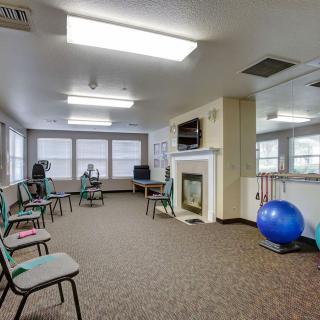
  • Indoor common areas Indoor common areasIndoor common areas are crucial for seniors as they provide a space for socialization, recreation, and community engagement, promoting overall well-being and reducing feelings of isolation and loneliness.
  • Outdoor common areas Outdoor common areasOutdoor common areas are important for seniors as they provide a space for socialization, physical activity, and relaxation. Being outside in nature can improve mood and overall well-being, while also encouraging movement and engagement with others. These spaces can help combat feelings of isolation and promote a sense of community among residents.
  • Private PrivatePrivacy is important for seniors as it allows them to maintain their independence, dignity, and sense of control over their own lives. It also gives them the space and freedom to relax, reflect, and engage in activities that bring them joy and fulfillment. Creating private spaces within senior living facilities is crucial for promoting overall well-being and quality of life.
  • Private bathrooms Private bathroomsPrivate bathrooms are important for seniors in senior living communities because they provide independence, dignity, and comfort. Having a private bathroom allows seniors to maintain their personal hygiene routines without the need for assistance, promoting a sense of autonomy and privacy. Additionally, private bathrooms help prevent the spread of infections and provide a safe and clean environment for seniors to navigate safely.
  • Wheelchair accessible showers Wheelchair accessible showersWheelchair accessible showers are crucial for seniors as they provide a safe and independent bathing option for those with mobility challenges. These showers help prevent falls and allow seniors to maintain their dignity and autonomy while ensuring they can bathe comfortably.
  • Wi-Fi/high-speed internet available Wi-Fi/high-speed internet availableWi-Fi/high-speed internet is important for seniors to stay connected with loved ones, access online resources, and participate in virtual activities to combat feelings of loneliness and isolation. It also allows them to easily manage healthcare needs, access entertainment, and engage in lifelong learning opportunities.

Transportation

  • Portland International (3 miles away) Portland International (3 miles away)

Care Services

  • Ambulatory care Ambulatory care"Ambulatory care services provide essential medical support and treatment to seniors without requiring hospitalization, allowing them to maintain their independence and quality of life while managing chronic conditions or receiving routine medical care."
  • Diabetic care Diabetic careDiabetic care is crucial for seniors as they are more susceptible to developing diabetes due to aging and other health conditions. Proper management of diabetes can help prevent complications such as heart disease, vision loss, and nerve damage, improving the overall quality of life for seniors in senior living communities.
  • High acuity care High acuity careHigh acuity care is important for seniors because it provides specialized medical attention and support for individuals with complex medical needs. This level of care ensures that seniors receive the appropriate treatment and assistance to maintain their health and quality of life as they age.
  • Incontinence care Incontinence careIncontinence care is essential for seniors to maintain their dignity, hygiene, and overall quality of life. By addressing incontinence issues promptly and effectively, seniors can enjoy a sense of independence and comfort in their daily activities.
  • Medication management Medication managementMedication management is crucial for seniors to ensure they are taking the right medications at the correct dosages and times. This helps prevent adverse drug interactions, reduces the risk of medication errors, and promotes overall health and well-being. Proactive management also allows for adjustments as needed based on changing health conditions or new prescriptions.

Dining

  • Anytime dining Anytime diningAnytime dining is important for seniors because it allows them the flexibility to eat when they are hungry, rather than being restricted to set meal times. This can be especially beneficial for those with medical conditions or medications that affect their appetite, as well as those who may have difficulty adhering to a strict dining schedule. Overall, anytime dining promotes independence and overall well-being for seniors in senior living communities.
  • International cuisine International cuisineInternational cuisine is important for seniors because it offers a variety of flavors, ingredients, and cultural experiences that can help keep their meals interesting and enjoyable. Trying new dishes can also stimulate the senses and provide different nutrients that contribute to overall health and well-being. Additionally, exploring international cuisine can bring back fond memories of travels or childhood experiences, making mealtime more nostalgic and fulfilling for seniors.
  • Kosher KosherKosher options are important for seniors because they adhere to dietary laws that are significant to many Jewish individuals, providing them with peace of mind and an opportunity to maintain their cultural traditions and beliefs while living in a senior living community.
  • Low / no sodium Low / no sodiumLow/no sodium options are important for seniors because excessive sodium intake can lead to high blood pressure, heart disease, and other health issues commonly experienced by older adults. By choosing low/no sodium foods, seniors can better manage their health and reduce their risk of developing these conditions.
  • Meals provided Meals provided"Meals provided" are crucial for seniors in assisted living communities as it ensures they have access to nutritious, balanced meals without the stress of meal planning and preparation. This can help promote overall health and well-being for seniors who may have limited mobility or cognitive abilities.
  • No Sugar No SugarNo sugar diets are important for seniors because they can help prevent or manage chronic conditions such as diabetes, heart disease, and obesity. Sugar can also contribute to cognitive decline and inflammation in the body, so reducing sugar intake can lead to overall improved health and well-being in older adults.
  • Organic OrganicOrganic foods are important for seniors because they contain fewer chemicals and pesticides, which can be harmful to aging bodies. Additionally, organic foods often have higher nutrient levels, making them a healthier choice for maintaining overall well-being in older adults.
  • Restaurant style dining Restaurant style diningRestaurant style dining is important for seniors as it offers them a social and enjoyable dining experience, promotes healthy eating habits, and provides personalized menu options to cater to their dietary needs and preferences. This type of dining setting can enhance their overall quality of life and create a sense of community within the senior living facility.
  • Room service Room serviceRoom service is important for seniors in a senior living community because it provides convenience and allows them to have their meals delivered directly to their room. This can be especially beneficial for seniors who may have mobility issues or difficulty accessing the dining area. Room service ensures that seniors are able to receive nutritious meals without having to navigate through the facility, allowing them to maintain their independence and overall well-being.
  • Special dining programs Special dining programsSpecial dining programs are important for seniors because they provide nutritious meals tailored to their dietary needs and preferences. These programs also offer socialization opportunities, promote overall health and well-being, and can help prevent malnutrition.
  • Vegan VeganVegan diets can provide numerous health benefits for seniors, including lower risk of chronic diseases, improved digestion, and increased energy levels. Additionally, plant-based diets are often rich in essential nutrients that can support overall well-being and longevity in older adults.

Activities

  • Art classes Art classesArt classes are important for seniors because they provide a creative outlet, improve cognitive function, reduce stress and anxiety, promote socialization, and enhance overall well-being and quality of life.
  • Bible study group Bible study groupBible study groups provide seniors with a sense of community, spiritual growth, and support during their later years. It helps them stay connected to their faith, find comfort in difficult times, and build meaningful relationships with others.
  • Cooking classes Cooking classesCooking classes are important for seniors as they provide opportunities for social interaction, enhance cognitive skills, promote healthy eating habits, and boost confidence in the kitchen.
  • Devotional activities on-site Devotional activities on-siteDevotional activities on-site provide seniors with a sense of community, spiritual fulfillment, and emotional support, promoting overall well-being and a positive sense of purpose in their lives.
  • Educational speakers / life long learning Educational speakers / life long learningEducational speakers and lifelong learning opportunities are crucial for seniors as they provide mental stimulation, promote social engagement, and contribute to overall well-being. Continuous learning helps seniors stay mentally sharp, build new skills, and maintain a sense of purpose and fulfillment in their lives. It also allows them to stay connected to the world around them and fosters a sense of community within senior living facilities.
  • Forever fit Forever fit"Forever fit" programs are crucial for seniors as they promote physical activity, social engagement, and overall well-being. These programs help seniors maintain their independence, improve their strength and flexibility, and reduce the risk of chronic diseases. By participating in these activities, seniors can enjoy a higher quality of life and live independently for longer.
  • Live dance or theater performances Live dance or theater performancesLive dance or theater performances are important for seniors because they provide opportunities for socialization, mental stimulation, and emotional engagement. These performances can help combat feelings of isolation and loneliness, while also offering a sense of connection to the arts and culture. Additionally, watching live performances can bring joy and create lasting memories for seniors in their later years.
  • Live musical performances Live musical performancesLive musical performances can provide seniors with a sense of joy, nostalgia, and connection. Music has the power to evoke emotions and memories, improve mood and cognitive function, and foster social interaction among seniors. It can also serve as a form of therapy and stress relief for older adults, making it an important activity to include in senior living communities.
  • Live well programs Live well programs"Live well programs are essential for seniors as they provide opportunities for physical activity, social engagement, and mental stimulation, ultimately promoting overall health and well-being in later years."
  • Other religious services Other religious servicesOther religious services are important for seniors as they provide a sense of community, spiritual comfort, and opportunities for socializing. These services can help seniors feel connected to their faith and maintain a sense of purpose and belonging in their later years.
  • Stretching classes Stretching classesStretching classes are important for seniors because they help improve flexibility, reduce the risk of injury, and promote overall health and well-being. Regular stretching can also help alleviate joint pain and stiffness, enhance balance and coordination, and increase range of motion.

Description

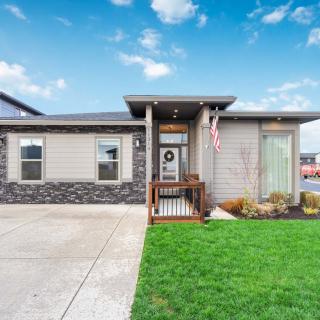
Iris Adult Family Home is a premier assisted living community located in Vancouver, WA. Our community specializes in providing exceptional memory care services for seniors with Alzheimer's or other forms of dementia. We strive to create a warm and welcoming environment where residents feel at home.

At Iris Adult Family Home, we understand the importance of comfort and convenience for our residents. Each living unit is equipped with air conditioning, private bathrooms, and ground floor accessibility for ease of movement. Our community also features beautiful indoor and outdoor common areas for socializing and relaxation.

We take pride in offering a wide range of amenities to enhance the lives of our residents. Whether it's enjoying cable or satellite TV in their rooms, receiving personalized beauty services from our on-site beautician, or staying connected with Wi-Fi/high-speed internet, our residents have everything they need to live comfortably.

Our dedicated staff provides specialized care services tailored to individual needs, including diabetic care, high acuity care, incontinence care, and medication management. We prioritize the well-being of our residents by ensuring their health needs are met with professionalism and compassion.

Mealtimes at Iris Adult Family Home are always a delightful experience. Our restaurant-style dining offers a variety of international cuisine options that cater to specific dietary needs such as kosher, low/no sodium, no sugar, organic, vegan meals. Residents can enjoy delicious and nutritious meals provided by our skilled culinary team or opt for room service if preferred.

Engaging activities are an integral part of life at Iris Adult Family Home. We offer a diverse range of opportunities for personal growth and enjoyment. From Bible study groups and devotional activities to cooking classes and educational speakers/life-long learning sessions – there's something for everyone to participate in and stay mentally stimulated

Outside the community walls, there are several nearby amenities that enrich the lives of our residents further. With eight cafes, four parks, twelve pharmacies, four physicians' offices within close proximity – our residents have easy access to essential services and recreational options. In case of emergencies, there are three hospitals nearby, ensuring that our residents receive prompt medical attention when needed.

At Iris Adult Family Home, we strive to provide a compassionate and enriching assisted living experience for all of our residents. With a focus on memory care, exceptional amenities, personalized care services, and engaging activities – we are dedicated to supporting the well-being and happiness of every resident who calls our community home.

Nearby Places of Interest

This part of Vancouver, Washington, offers a variety of amenities and services that would be beneficial for seniors looking to settle in the area. With several cafes such as Dutch Bros Coffee and Black Rock Coffee Bar nearby, there are plenty of options for a relaxing coffee outing with friends or family. Additionally, the proximity to multiple pharmacies like Walgreens and Safeway makes it convenient for seniors to access their medications and healthcare needs. For dining options, there are restaurants like Final Draft Taphouse and Beaches Restaurant & Bar within a short distance, providing opportunities for socializing and enjoying meals outside the home. The presence of hospitals such as PeaceHealth Southwest Family Birth Center and physicians' offices like The Vancouver Clinic ensures easy access to medical care when needed. Transportation options are also readily available with Portland International Airport only a few miles away. Parks like Heritage Park and Fort Vancouver National Historic Site offer recreational opportunities for outdoor activities and relaxation. Overall, this area provides a balance of essential services and recreational amenities that would enhance the quality of life for seniors considering senior living in Vancouver.

Cafes

  • Dutch Bros Coffee (0.1 miles)
  • Black Rock Coffee Bar (0.6 miles)
  • Dutch Bros Coffee (2.1 miles)
  • Dutch Bros Coffee (2.6 miles)
  • Dutch Bros. Coffee (3 miles)
  • Panera Bread (3.7 miles)
  • Starbucks (4.7 miles)

Pharmacies

  • Walgreens (0.3 miles)
  • Walgreens (1.6 miles)
  • Safeway Pharmacy (1.8 miles)
  • Walgreens (2.2 miles)
  • Walgreens (3 miles)
  • Walgreens (3.1 miles)
  • Rite Aid (3.2 miles)

Restaurants

  • Final Draft Taphouse (0.6 miles)
  • Taco Bell (0.7 miles)
  • McDonald's (2.2 miles)
  • Henry's Tavern - Portl (2.8 miles)
  • Hopworks Urban Brewery (3.5 miles)
  • Beaches Restaurant & Bar (4.2 miles)
  • McDonald's (4.4 miles)

Hospitals

  • PeaceHealth Southwest Family Birth Center (0.7 miles)
  • Firstenburg Tower (0.8 miles)
  • Vancouver VA Medical Center (4.6 miles)

Physicians

  • The Vancouver Clinic (0.9 miles)
  • Sea Mar Community Health Centers (2.1 miles)
  • PeaceHealth Family Medicine (3.5 miles)
  • Sanjeev Jain (4.8 miles)
  • Vancouver Eye Care (5.2 miles)
  • Ideal Option (5.3 miles)
  • Family medicine clinic (5.3 miles)

Transportation

  • Concourse E (2.6 miles)
  • Concourse D (2.6 miles)
  • Concourse C (2.6 miles)
  • TSA Checkpoint A/B/C - Portland International Airport (2.6 miles)
  • Portland International Airport (PDX) (2.7 miles)
  • Portland Airport Rental Car Center (2.7 miles)
  • Alaska Airlines Lounge - PDX (2.7 miles)

Parks

  • Heritage Park (3.7 miles)
  • Douglas Carter Fisher Park (3.8 miles)
  • Clearmeadows Park (4 miles)
  • Fort Vancouver National Historic Site (4.3 miles)
  • Luke Jensen Sports Park (5.1 miles)
  • Esther Short Park (5.3 miles)
  • Woodlawn Park (5.4 miles)

Places of Worship

  • Summit View Church (5.6 miles)
  • St Rose Catholic Church (5.9 miles)

Theaters

  • Hollywood Theatre (6.6 miles)

Frequently Asked Questions

How much does it cost to live at Iris Adult Family Home in Vancouver, WA?
Where is Iris Adult Family Home?
Does Iris Adult Family Home provide care for residents with dementia or Alzheimer's disease?
Does Iris Adult Family Home allow residents to have pets?

Nearby Communities

  • Never Lonely AFH

    Never Lonely AFH

    Vancouver, WA

    3 from 1 review
    $3,000 to $4,000 / month

    pro Affordable pricing with on-site activities and devotional services.

  • Guardian Angel AFH

    Guardian Angel AFH

    Vancouver, WA

     
    $6,000 to $6,500 / month

    pro High-acuity memory care with comprehensive support and accessible, private units.

  • Aging Gracefully Family Home

    Aging Gracefully Family Home

    Vancouver, WA

    4.9 from 15 reviews
    $2,800 to $3,500 / month

    pro Small, warm, home-like setting with attentive staff and personalized care.

  • Outstanding Care LLC

    Outstanding Care LLC

    Vancouver, WA

     
    $2,900 to $3,300 / month

    pro Competitive memory care pricing with private rooms and robust amenities (on-site beautician, diverse dining, activities).

  • Aging Well

    Aging Well

    Vancouver, WA

    5 from 2 reviews
    $4,000 to $4,500 / month

    pro Specialized memory-care program with engaging activities, comprehensive services, and private rooms with kosher/vegetarian dining.

  • Allwood Estates AFH

    Allwood Estates AFH

    Vancouver, WA

    5 from 3 reviews
    $2,800 to $4,800 / month

    pro Dedicated owners and caregivers provide compassionate, personalized care with strong family communication.

  • Kamlu Vancouver Senior Living

    Kamlu Vancouver Senior Living

    Vancouver, WA

    4 from 94 reviews
    $2,075 to $2,770 / month

    pro Friendly, helpful staff; tasty dining; well-maintained facilities; active social activities and reliable transportation.

  • Prestige Senior Living Bridgewood

    Prestige Senior Living Bridgewood

    Vancouver, WA

    4.6 from 114 reviews
    $3,275 to $4,675 / month

    pro Friendly, helpful staff and a clean, active community with good value and varied activities.

  • Springwood Landing

    Springwood Landing

    Vancouver, WA

    4.8 from 59 reviews
    $2,695 to $4,525 / month

    pro Clean, well-maintained community with friendly staff and engaging activities.

Related Resources

  • va nursing homeComprehensive Guide to VA Nursing Homes: A Crucial Long-Term Care Resource for Veterans

    VA nursing homes, or Community Living Centers (CLCs), offer tailored long-term care for veterans, featuring medical attention and rehabilitation in a supportive environment. The guide covers facility types, eligibility criteria, financial assistance options, quality of care standards, and alternatives to full-time nursing home placement.

  • in home dementia care costsEstimating the Expenses of At-Home Dementia Care: A Detailed Exploration

    At-home dementia care expenses vary widely based on care levels, location, and caregiver expertise, with monthly costs for home health aides exceeding $4,500 and specialized care potentially surpassing $100,000 annually. While families favor in-home care for its comfort and personalized attention, they must consider financial planning and the challenges of caregiver fatigue.

  • end stage dementiaComprehensive Insights on the Late Stages of Dementia: What to Expect and How to Provide Care

    The article discusses the late stages of dementia, detailing the progression from mild to severe impairment and highlighting key characteristics such as profound cognitive decline and dependency in daily activities. It emphasizes care strategies focused on comfort and dignity, the importance of advance directives, and the emotional support needed for family caregivers facing this challenging journey.