
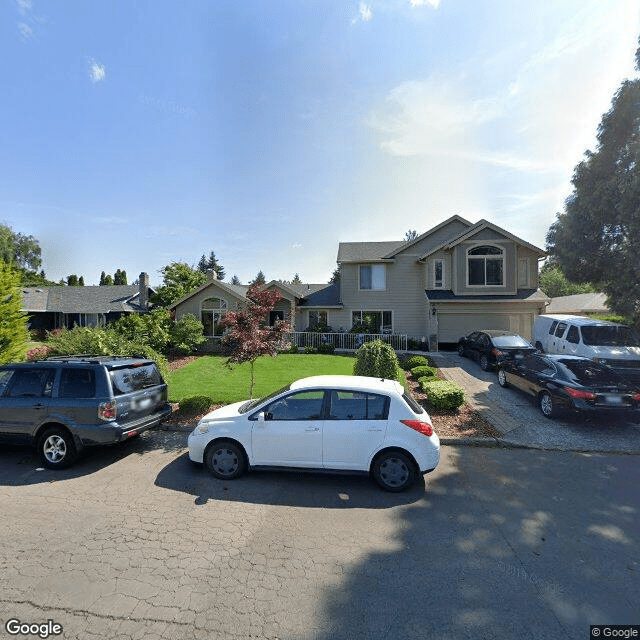
12909 SE Laver St., Vancouver, WA 98683
To contact a resident: (360) 604-8475
For more information about senior living options: (866) 208-4318
Home at Daniela's Costs & Pricing
Home at Daniela's offers competitive monthly rates for its residents, providing significant savings compared to the broader market in Clark County and the state of Washington. For instance, a semi-private room is priced at $2,500, which is notably lower than the county average of $3,897 and the state average of $4,267. Similarly, private rooms and one-bedroom units at Home at Daniela's cost $3,000 each - well below both the county's $3,992 and $4,178 prices for similar accommodations. This pricing structure not only makes Home at Daniela's an appealing option for potential residents but also underscores its commitment to offering quality care without compromising affordability in a challenging housing market.
| Floor plans | Home at Daniela's | Clark County | Washington |
|---|---|---|---|
| Semi-Private | $2,500 | $3,897 | $4,272 |
| Private | $3,000 | $3,992 | $4,774 |
| 1 Bedroom | $3,000 | $4,178 | $4,634 |
Memory care communities with a similar price nearby
-
About the same
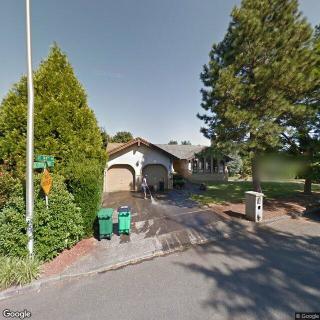
A Gentle Care Home
$2,500 / month10.3 miles away -
from +$300 / mo
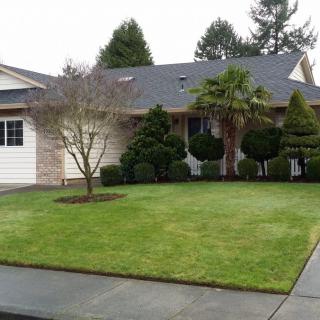
Aging Gracefully Family Home
$2,800 to $3,500 / month1.6 miles away -
from +$150 / mo
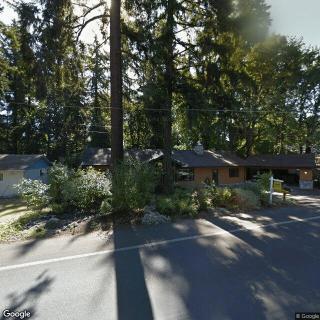
Cedar Lodge Care Home
$2,650 to $3,000 / month18.7 miles away -
from +$100 / mo
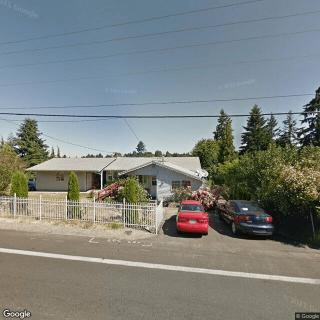
Golden Lane Adult Care Home
$2,600 / month4.9 miles away -
from +$95 / mo
Highgate Senior Living
$2,595 to $3,095 / month8.3 miles away
Overall Review of Home at Daniela's
Pros
 The Home at Daniela's is described as above and beyond exceptional.
- The staff provide loving, kind, family-like care that makes residents feel at home.
- The home offers 24-hour care with attentive, compassionate caregivers.
- The environment is consistently clean, peaceful, inviting, and beautiful.
- The meals are homemade, delicious, and nutritious.
- The nearby park across the street offers wheelchair-friendly walks and pleasant outings.
- Visiting musicians bring joy and social engagement to the residents.
- Daniela and her care team are amazing to work with, delivering caring support for loved ones with dementia.
Cons
 No negative statements were found in the reviews.
Review
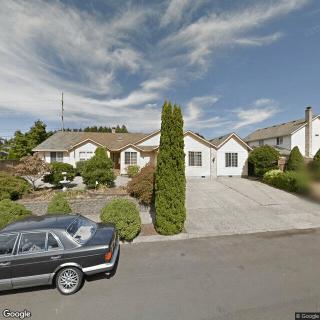
This community is best suited for families seeking an intimate, home-like environment in Vancouver, Washington, where dementia care is delivered with steady warmth, consistent routines, and deep personal attention. It works exceptionally well for residents who value being treated like family, who thrive on regular home-cooked meals, and who benefit from a peaceful setting that prioritizes connection, safety, and dignity over institutional formality. The care team’s commitment shows in the daily interactions, the cleanliness and calm of the home, and the way residents are guided to feel at ease in a familiar, affectionate atmosphere.
Those considering alternatives should note who may be better served elsewhere. Families needing higher levels of medical oversight, aggressive rehabilitation services, or a larger campus with more on-site specialists may find this intimate setting limiting. If a memory-care program requires more formalized schedules, structured clinical activities, or a bigger resident community to match social goals, other facilities in the Portland-Vancouver area may align more closely with those expectations. For budget-conscious families or those prioritizing a different mix of medical amenities and program breadth, shopping around will uncover options with different trade-offs.
The strongest advantages center on genuine, around-the-clock care delivered with a heartfelt, family-oriented approach. Caregivers are described as loving, consistent, and deeply engaged, translating into reliable, attentive support day and night. The home environment itself reinforces this, with immaculate cleaning, a peaceful atmosphere, and inviting common spaces. Home-cooked meals and shared celebrations contribute to a sense of normalcy and belonging, while social moments, like live musical visits, offer meaningful engagement. The location near Cascade Park provides an easy, wheelchair-friendly outlet for fresh air and gentle strolls, supporting mood and cognitive well-being through simple routines.
These advantages offset several potential downsides inherent in a smaller, more intimate setting. The personal attention that characterizes daily life may not be matched by larger facilities, but it compensates with immediacy, consistency, and emotional safety, especially for residents with dementia who respond to familiar faces and predictable rhythms. The emphasis on family-style care, home ambiance, and social warmth helps manage agitation and isolation, reducing the risk that a smaller scale translates into loneliness or neglect. In this light, the pros form a cohesive value proposition: a safe, affectionate home that can feel transformative for residents who prioritize comfort, connection, and daily dignity over institutional breadth.
Practical evaluation should address how the daily life actually unfolds. Prospective families should look beyond anecdotes to confirm specifics: rooming arrangements, whether there is a designated memory-care area, staffing patterns, and the flexibility to involve family in meals and activities. The park-adjacent setting matters for mobility and mood, and the consistent caregiver dedication noted in reviews points to stability that directly impacts routine quality and trust. It is wise to inquire about staff-to-resident ratios, transitions between shifts, and how celebrations, meals, and music programs are scheduled to ensure the rhythm meets the resident’s preferences.
Bottom line: Home at Daniela’s is a compelling fit for seniors who prize a warm, intimate, dementia-attuned home where care feels personal, constant, and emotionally supportive. For families prioritizing this approach and the comfort of 24/7 caregiving in a serene, park-adjacent Vancouver setting, it stands out as a strong option. Alternatives should be weighed for those requiring more medical infrastructure, a larger community, or a different balance of programming and oversight. The next steps are to visit, observe interactions among caregivers and residents, meet the team, and discuss specific medical needs, budget constraints, and daily expectations to determine if this is the right match.
 Board and Care Home
 Day Program
 Memory Care
 Beautician on-site
 Devotional services on-site
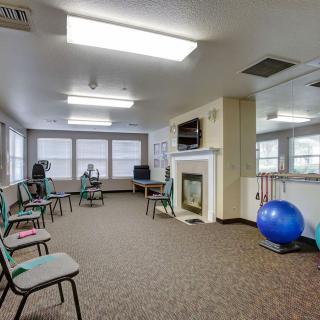
 Indoor common areas
 Outdoor common areas
 Private
 Private bathrooms
 Respite or short term stays offered
 Wheelchair accessible showers
 Portland International (3 miles away)
 Ambulatory care
 Diabetic care
 High acuity care
 Incontinence care
 Medication management
 Kosher


 Guiding Your Journey: Understanding Power of Attorney for Elderly Parents
 22 Remarkable Caregiver Support Groups Available Online and In-Person
 Understanding Medicaid Coverage for Assisted Living: A Comprehensive Guide