St. Nino AFH I in Spanaway, WA

Save
St. Nino AFH I

St. Nino AFH I in Spanaway, WA

Information last verified:

19620 8th Ave. E, Spanaway, WA 98387

For more information about senior living options: (844) 490-3973

3 from 2 reviews

St. Nino AFH I Costs & Pricing

St. Nino AFH I offers competitive pricing for its accommodations, making it an appealing choice in comparison to the average costs within Pierce County and the broader state of Washington. For a semi-private room, residents will find the monthly rate at St. Nino AFH I is $3,000, significantly lower than the county's average of $4,264 and the statewide average of $4,267. Similarly, both private and studio rooms are priced at $3,500 at St. Nino AFH I, which contrasts sharply with Pierce County's average rates of $4,623 for private rooms and $4,039 for studios. Even for one-bedroom units priced at $3,500, St. Nino AFH I remains more affordable compared to the county's $4,456 and the state's $4,632 averages. This affordability positions St. Nino AFH I as a cost-effective option for those seeking quality care without compromising on comfort or service in an increasingly challenging financial landscape.

Floor plansSt. Nino AFH IPierce CountyWashington
Semi-Private$3,000$4,264$4,272
Private$3,500$4,623$4,774
Studio$3,500$4,039$4,128
1 Bedroom$3,500$4,456$4,634

Overall Review of St. Nino AFH I

Pros

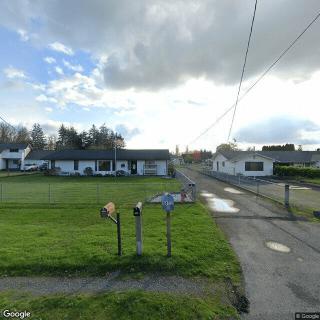
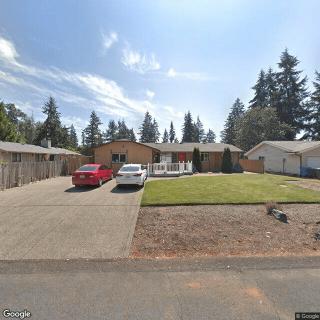
  • pro The house is clean.

Cons

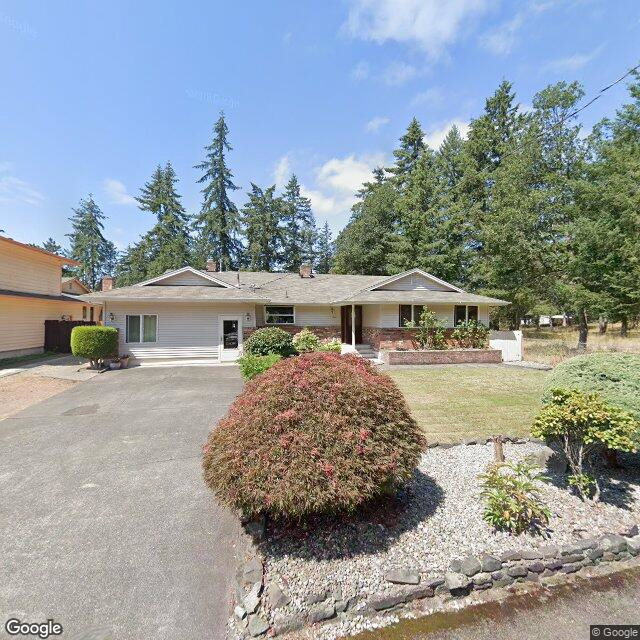
  • pro The yard is full of dandelions.
  • pro A section of the fence is propped up.
  • pro It seems like more of a business than a family home.

Review

St. Nino AFH I in Spanaway, WA is best suited for seniors who want a clean, orderly, compact home-like setting where interior spaces feel maintained and predictable. It works well for residents who prioritize sanitary, easy-to-navigate living areas and a straightforward, supervised environment over a warm, deeply homey ambiance. Families facing budget or space constraints and seeking a smaller, less institutional atmosphere will likely find value here, provided they can accept a certain distance from a traditional “family home” vibe. Those who insist on a strong sense of domestic coziness and a well-kept exterior should look elsewhere.

Alternatives should be considered by those seeking a more home-centered experience or a property that looks cared-for from the curb. The yard’s condition, dandelions, a fence section propped up, signals maintenance gaps that can undermine the sense of belonging and emotional comfort many families expect in a residential setting. If outdoor aesthetics, consistent exterior upkeep, or an obvious, lived-in warmth are nonnegotiables, it is prudent to explore other AFHs or assisted-living options that foreground a more home-like atmosphere and greater curb appeal.

On balance, the primary positive takeaway is interior cleanliness. A tidy house translates into reduced pests, easier cleaning, and a calmer living area, factors that directly impact daily safety and comfort. Yet, the exterior shortcomings color the overall impression and can erode confidence in ongoing upkeep. The “businesslike” atmosphere noted by reviewers can be a double-edged sword: it may deliver clear policies, reliable scheduling, and predictable routines, which some families value for safety and consistency, even if warmth and personal touches feel secondary. In this light, cleanliness plus a controlled environment create a dependable baseline, but at the cost of personal, home-like warmth.

A practical evaluation mindset should center on maintenance performance and the resident experience behind the doors. Prospective families should request a complete tour that includes a casual conversation with the caregiver team, a look at current residents’ daily routines, and specific answers about how repairs are handled. Questions to prioritize: who oversees yard maintenance and how quickly exterior issues are addressed; what the normal housekeeping schedule looks like; how often common areas are refreshed; and whether the home can accommodate mobility needs, personal furnishings, and sensory preferences. It’s essential to verify whether the home’s orderly interior is matched by consistent staffing, clear communication channels, and timely responses to requests.

In practice, the pros of a clean, orderly interior and smaller, more controllable setting can offset some cons if a resident places high value on safety, predictability, and easy supervision. A well-kept interior supports infection control, minimizes clutter-related hazards, and makes daily routines easier for caregivers, which can translate into steadier caregiver-resident relationships and fewer misunderstandings. However, the exterior impression matters, especially for families who equate curb appeal with overall quality of care. When the yard and fencing appear neglected, the perceived risk is that maintenance funds and attention may be limited, potentially signaling broader resource constraints. This dynamic can influence decision-making, particularly for residents who want a warm, familial sense of welcome as part of daily life.

Bottom-line guidance: St. Nino AFH I may be a solid fit for families prioritizing cleanliness, safety, and a compact, supervised environment over a homey, yard-rich experience. If that alignment holds, this community can deliver dependable daily structure and easy caregiver access. If, however, a truly home-like atmosphere with a well-kept exterior and consistently inviting curb appeal is nonnegotiable, it is wise to explore alternatives, whether other AFHs with a stronger emphasis on residential warmth or larger assisted-living settings where staff culture and property upkeep visibly prioritize homelike charm. Before deciding, insist on a transparent maintenance plan, a clear timeline for any exterior repairs, and an opportunity to meet current residents to gauge whether the day-to-day feel matches the stated priorities.

Features

Types of Care

  • Board and Care Home Board and Care HomeBoard and care homes provide a smaller, more intimate setting for seniors who require assistance with daily tasks but do not need the level of care offered by a nursing home. They offer personalized care, meals, and social activities in a homelike environment, ensuring that seniors receive individualized attention and support in their golden years.
  • Memory Care Memory CareMemory care is crucial for seniors as it provides specialized support and services for individuals with dementia or Alzheimer's disease. These programs offer a safe and secure environment where residents receive personalized care, cognitive stimulation, and help with daily activities. Memory care helps seniors maintain their independence, quality of life, and dignity while also providing peace of mind for their families.

Amenities

  • Activities off-site Activities off-siteEngaging in off-site activities is crucial for seniors to maintain social connections, stay active, and stimulate their minds. It promotes overall well-being and helps combat feelings of isolation and loneliness.
  • Activities on-site Activities on-siteActivities on-site are important for seniors because they provide opportunities for socialization, mental stimulation, physical activity, and overall well-being. Engaging in activities can help seniors stay active, maintain their independence, and improve their quality of life.
  • Bath tubs Bath tubsBath tubs are important for seniors because they provide a safe and relaxing way to bathe, helping to prevent slips and falls while promoting independence and overall well-being.
  • Beautician on-site Beautician on-siteHaving a beautician on-site at a senior living community is important for seniors as it allows them to easily access grooming and personal care services, boosting their self-esteem and overall well-being. It also provides convenience and helps seniors maintain their sense of independence and personal style.
  • Devotional services off-site Devotional services off-siteDevotional services off-site are important for seniors as they provide spiritual nourishment, social engagement, and a sense of community outside of the senior living facility. This can enhance overall well-being and help combat feelings of isolation and loneliness often experienced by older adults.
  • Indoor common areas Indoor common areasIndoor common areas are crucial for seniors as they provide a space for socialization, recreation, and community engagement, promoting overall well-being and reducing feelings of isolation and loneliness.
  • Outdoor common areas Outdoor common areasOutdoor common areas are important for seniors as they provide a space for socialization, physical activity, and relaxation. Being outside in nature can improve mood and overall well-being, while also encouraging movement and engagement with others. These spaces can help combat feelings of isolation and promote a sense of community among residents.
  • Private PrivatePrivacy is important for seniors as it allows them to maintain their independence, dignity, and sense of control over their own lives. It also gives them the space and freedom to relax, reflect, and engage in activities that bring them joy and fulfillment. Creating private spaces within senior living facilities is crucial for promoting overall well-being and quality of life.
  • Respite or short term stays offered Respite or short term stays offeredRespite or short term stays provide seniors with a temporary solution when their regular caregiver is unavailable, offering them the opportunity to receive additional care and support during times of need, while also giving caregivers a chance to rest and recharge.
  • Wheelchair accessible showers Wheelchair accessible showersWheelchair accessible showers are crucial for seniors as they provide a safe and independent bathing option for those with mobility challenges. These showers help prevent falls and allow seniors to maintain their dignity and autonomy while ensuring they can bathe comfortably.

Care Services

  • Diabetic care Diabetic careDiabetic care is crucial for seniors as they are more susceptible to developing diabetes due to aging and other health conditions. Proper management of diabetes can help prevent complications such as heart disease, vision loss, and nerve damage, improving the overall quality of life for seniors in senior living communities.
  • High acuity care High acuity careHigh acuity care is important for seniors because it provides specialized medical attention and support for individuals with complex medical needs. This level of care ensures that seniors receive the appropriate treatment and assistance to maintain their health and quality of life as they age.
  • Incontinence care Incontinence careIncontinence care is essential for seniors to maintain their dignity, hygiene, and overall quality of life. By addressing incontinence issues promptly and effectively, seniors can enjoy a sense of independence and comfort in their daily activities.
  • Medication management Medication managementMedication management is crucial for seniors to ensure they are taking the right medications at the correct dosages and times. This helps prevent adverse drug interactions, reduces the risk of medication errors, and promotes overall health and well-being. Proactive management also allows for adjustments as needed based on changing health conditions or new prescriptions.

Dining

  • Meals provided Meals provided"Meals provided" are crucial for seniors in assisted living communities as it ensures they have access to nutritious, balanced meals without the stress of meal planning and preparation. This can help promote overall health and well-being for seniors who may have limited mobility or cognitive abilities.
  • Vegetarian VegetarianA vegetarian diet is important for seniors because it can help lower the risk of chronic diseases, maintain a healthy weight, and provide essential nutrients needed for aging bodies. Additionally, plant-based diets are often easier on digestive systems and can contribute to overall well-being in older adults.

Activities

  • Activities off-site Activities off-siteEngaging in off-site activities is crucial for seniors to maintain social connections, stay active, and stimulate their minds. It promotes overall well-being and helps combat feelings of isolation and loneliness.
  • Activities on-site Activities on-siteActivities on-site are important for seniors because they provide opportunities for socialization, mental stimulation, physical activity, and overall well-being. Engaging in activities can help seniors stay active, maintain their independence, and improve their quality of life.
  • Devotional activities offsite Devotional activities offsiteDevotional activities offsite are important for seniors because they provide social engagement, spiritual growth, and a sense of community outside of their living environment. This can improve overall well-being, mental health, and combat feelings of isolation or loneliness.

Description

St. Nino AFH I is a memory care assisted living community located in Spanaway, WA. Our community is dedicated to providing excellent care for individuals with memory loss and related cognitive disorders. With a range of amenities and services, we strive to create a comfortable and safe environment for our residents.

Our community offers various activities on-site to keep residents engaged and stimulated. From arts and crafts to group exercises, there is always something fun happening at St. Nino AFH I. We also have beautiful outdoor common areas where residents can enjoy the fresh air and scenic views.

For those who value their personal grooming needs, we have a beautician on-site who provides salon services to our residents. Additionally, our community offers devotional services off-site for those who wish to continue their religious practices.

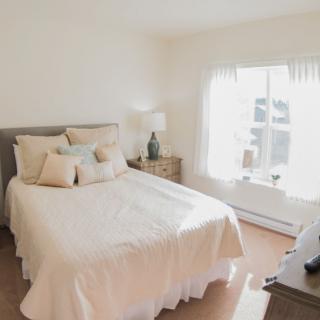
At St. Nino AFH I, we understand the importance of providing comfortable accommodations for our residents. Each private room is thoughtfully designed and equipped with bath tubs for relaxation and wheelchair accessible showers for convenience.

Our highly trained staff are experienced in providing high acuity care, incontinence care, and medication management for our residents' specific needs. We prioritize the well-being and comfort of each individual under our care.

In terms of dining options, we offer vegetarian meals that are both nutritious and delicious. Our skilled chefs prepare meals that cater to various dietary needs without compromising taste or quality.

There are plenty of nearby amenities for the convenience of our residents and their families. We have 2 cafes, 7 pharmacies, 1 physician's office, 6 restaurants, and 1 place of worship all within close proximity to our community.

At St. Nino AFH I in Spanaway, WA, we are committed to providing exceptional memory care services in a nurturing environment. Contact us today to learn more about how we can meet your loved one's unique needs.

Nearby Places of Interest

Spanaway, Washington is a convenient and diverse area with a variety of amenities for seniors. Within close proximity, you will find several pharmacies such as Walmart Pharmacy, Rite Aid, and Walgreens for easy access to medication and healthcare needs. There are also numerous dining options including McDonald's, Wendy's, Taco Bell, and Lucky's Drive In. For those looking for spiritual fulfillment, there are churches like St Mary's Catholic Church and Evergreen Presbyterian Church nearby. Additionally, there are reputable medical facilities like Oral Surgical Associates and Rainier Medical Group for comprehensive healthcare services. Residents can also enjoy the outdoors at parks like Frontier Park and Bradley Lake Park or catch a movie at AMC Lakewood Mall 12. Overall, Spanaway offers a well-rounded community with essential services and recreational opportunities for seniors to enjoy.

Pharmacies

  • Walmart Pharmacy (0.3 miles)
  • Rite Aid (2.5 miles)
  • Albertsons Pharmacy (2.8 miles)
  • Walgreens (2.8 miles)
  • Safeway Pharmacy (3.5 miles)
  • Parkland Marketplace (4 miles)
  • Walgreens (4.8 miles)

Restaurants

  • McDonald's (0.4 miles)
  • Wendy's (2.5 miles)
  • McDonald's (3.1 miles)
  • Taco Bell (3.2 miles)
  • McDonald's (3.3 miles)
  • Lucky's Drive In (3.9 miles)
  • Pour Me Bar and Bistro (6 miles)

Cafes

  • Starbucks (2 miles)
  • Starbucks (3.4 miles)
  • Starbucks (6.7 miles)
  • Starbucks (6.9 miles)
  • Panera Bread (7.3 miles)
  • Dutch Bros Coffee (8 miles)
  • Panera Bread (8.1 miles)

Places of Worship

  • St Mary's Catholic Church (3.8 miles)
  • Iglesia Ni Cristo (6.5 miles)
  • Evergreen Presbyterian Church (6.8 miles)

Physicians

  • Oral Surgical Associates (4.1 miles)
  • Rainier Medical Group (6.4 miles)
  • Woodcreek Healthcare (6.7 miles)
  • Sunrise Medical Campus (6.8 miles)
  • Washington Gastroenterology - Sunrise Clinic (6.9 miles)
  • Park in Kwon MD - In Kwon Park, MD (6.9 miles)
  • Daniel Enestroescu (6.9 miles)

Parks

  • Frontier Park (6.1 miles)
  • Sunrise Park (8.2 miles)
  • Bradley Lake Park (8.6 miles)

Transportation

  • Lakewood Station Sounder train (6.3 miles)

Hospitals

  • Madigan Army Medical Center (6.5 miles)
  • Attaway (6.9 miles)
  • Va Hospital American Lake (8.3 miles)

Theaters

  • AMC Lakewood Mall 12 (7.2 miles)

Frequently Asked Questions

How much does it cost to live at St. Nino AFH I in Spanaway, WA?
Where is St. Nino AFH I?
Does St. Nino AFH I provide care for residents with dementia or Alzheimer's disease?

Nearby Communities

  • St. Nino AFH II

    St. Nino AFH II

    Spanaway, WA

     
    $3,000 to $3,500 / month

    pro Affordable memory care with on-site activities and comprehensive services.

  • AssureCare Adult Home,  LLC

    AssureCare Adult Home, LLC

    Spanaway, WA

    4.5 from 2 reviews
    $5,000 to $6,000 / month

    pro Clean, well-kept facility with friendly, accommodating staff and a welcoming manager.

  • Family Gardens

    Family Gardens

    Spanaway, WA

    5 from 1 review
     

    pro Vibrant, welcoming assisted living with beautifully landscaped gardens and nearby cafes, restaurants, and pharmacies.

  • Fountain of Life AFH

    Fountain of Life AFH

    Spanaway, WA

    4.5 from 2 reviews
    $2,500 to $3,500 / month

    pro Competitive memory-care pricing with medication management and high-acuity support.

  • Mashburn House II

    Mashburn House II

    Spanaway, WA

    4.4 from 13 reviews
    $2,500 / month

    pro Affordable private-room care with diabetic support and nearby amenities

  • Barb's Place

    Barb's Place

    Tacoma, WA

     
    $3,000 / month

    pro Affordable private room compared to Pierce County and Washington state averages for memory care.

  • Silver Creek by Bonaventure

    Silver Creek by Bonaventure

    Puyallup, WA

    4.1 from 125 reviews
    $3,700 to $4,405 / month

    pro Friendly, attentive staff with a well-maintained, sociable community.

  • The Oaks At Lakewood

    The Oaks At Lakewood

    Tacoma, WA

    4.2 from 81 reviews
    $5,850 to $6,300 / month

    pro Extensive amenities and active programs; convenient location

  • Julian Estates Gracious Retirement Living

    Julian Estates Gracious Retirement Living

    Puyallup, WA

    4.6 from 135 reviews
     

    pro Beautiful, well-maintained private apartments with a caring staff and vibrant community.

Related Resources

  • assisted living vs skilled nursingExploring the Contrasts Between Assisted Living and Skilled Nursing

    The article compares assisted living and skilled nursing facilities, detailing their differing levels of assistance, medical support, cost structures, and day-to-day experiences. It emphasizes that assisted living is for those needing help with daily activities while maintaining independence, whereas skilled nursing facilities provide intensive medical care with 24-hour staff supervision.

  • active senior livingVibrant Senior Living: A Comprehensive Guide for Active Older Adults

    Vibrant Senior Living emphasizes active senior living communities that promote independence and engagement through diverse amenities and activities, fostering wellness and social interaction among older adults. These communities range from independent to assisted living, with a focus on personal growth, family involvement, financial planning, and leveraging technology to enhance residents' experiences.

  • assisted living vs memory careAssisted Living and Memory Care: Understanding Their Core Differences

    Assisted living provides moderate support for seniors seeking independence, while memory care offers specialized support for individuals with dementia or cognitive impairments through structured routines and trained staff. Key differences include care approaches, environment security measures, staff training levels, activity types, and cost considerations.