
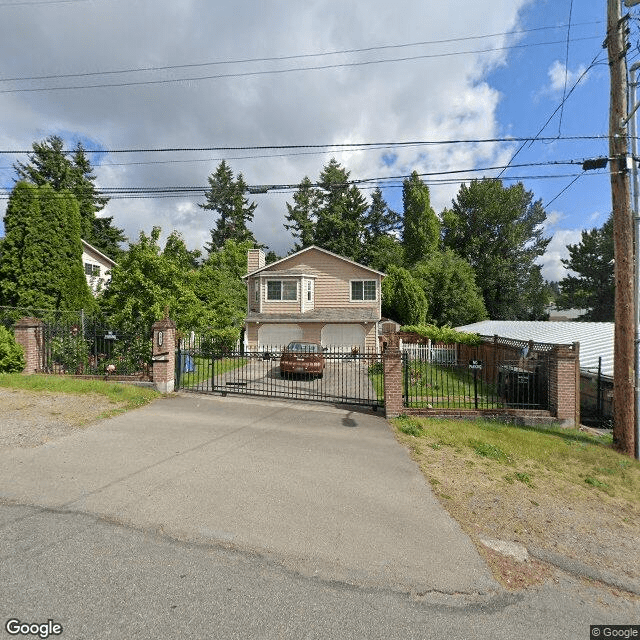
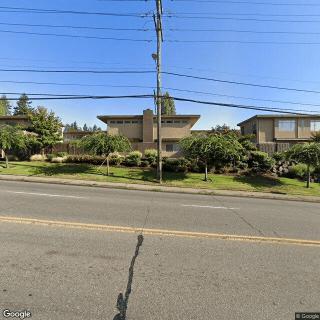
3110 NE 133rd Street, Seattle, WA 98125
To contact a resident: (206) 362-1641
For more information about senior living options: (866) 208-4318
Victoria AFH Costs & Pricing
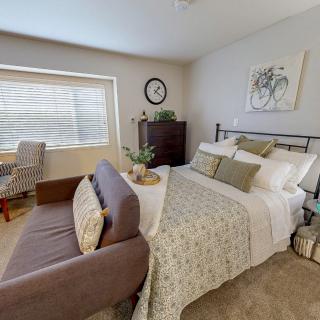
Victoria AFH offers a range of accommodations with pricing that reflects its quality and the personalized care provided. For private rooms, costs are between $2,200 and $5,500, which is significantly lower than the average in King County at $5,034 and Washington state at $4,772. The semi-private option is set at a flat rate of $5,000, slightly above the county average of $4,430 but still competitive compared to the state average of $4,267. For those seeking more space, the one-bedroom units at Victoria AFH are priced at $7,000; while this is higher than both the King County average of $5,127 and Washington's average of $4,632, it reflects the enhanced comfort and amenities offered within the facility. Overall, Victoria AFH provides diverse options that cater to different needs while maintaining affordability relative to local market rates.
| Floor plans | Victoria AFH | King County | Washington |
|---|---|---|---|
| Private | $2,200 to $5,500 | $5,034 | $4,774 |
| Semi-Private | $5,000 | $4,430 | $4,272 |
| 1 Bedroom | $7,000 | $5,127 | $4,634 |
Memory care communities with a similar price nearby
-
from +$300 / mo
Freedom Care
$2,500 to $3,000 / month19.5 miles away -
from +$300 / mo
Silver Pond AFH
$2,500 to $3,500 / month12.3 miles away -
from +$137 / mo
Marine Courte Memory Care
$2,337 to $3,228 / month20.4 miles away -
from +$295 / mo
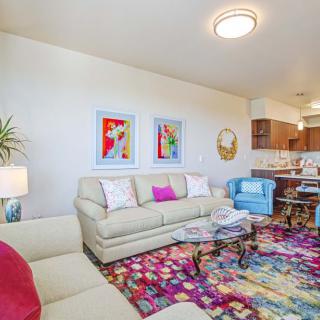
Merrill Gardens at Renton Centre
$2,495 to $5,475 / month17.2 miles away -
from -$255 / mo
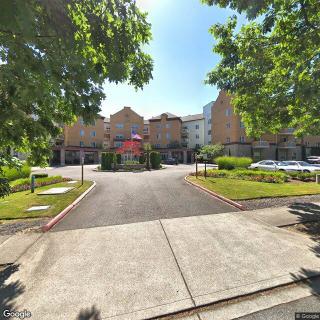
Chateau at Valley Center
$1,945 to $5,090 / month20.1 miles away
Overall Review of Victoria AFH
Pros
 The Victoria Adult Family Home is warm and welcoming.
- The staff are kind, attentive, and provide excellent care.
- Maria and her team adapt quickly to residents' changing needs and keep families informed.
- The home is impeccably clean.
- Maria prepares wonderful food, celebrates residents' birthdays, and brings Christmas joy.
- The house is beautiful and residents receive wonderful care.
- Victoria1AFH is the best adult family home.
Review
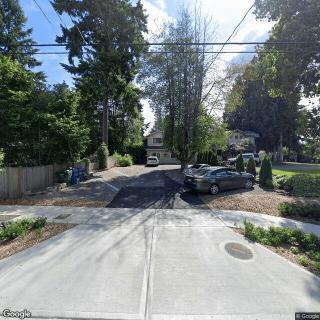
Victoria AFH in Seattle is best suited for families seeking an intimate, home-like environment where seniors receive highly personalized care from a small, owner-led team. It excels for residents who benefit from steady, compassionate attention, predictable daily routines, and a setting that feels more like a loving family home than a clinical campus. The emphasis on safety, dignity, and hands-on involvement is evident in how transitions are managed, transparent, gentle, and focused on keeping the loved one engaged. For memory challenges or general aging needs that respond to a warm, in-place support system, this community provides a highly compelling match.
Those who should consider alternatives are families needing the scale and formal medical infrastructure of larger facilities. A setting with 24/7 on-site nursing, more extensive memory-care programming, or a broader calendar of on-site services may be preferable if medical complexity is high or if a resident requires steady, institution-style oversight. In addition, seniors who crave a broader social ecosystem with many peers and a wide array of on-site amenities might not find that breadth here. The intimate size, while a notable strength, can limit the depth and variety of programming compared with bigger communities.
Yet the strongest advantages address these potential gaps. The staff-to-resident ratio enables genuinely attentive care, rapid responsiveness, and ongoing family updates about health and daily life. The home environment, clean, orderly, and welcoming, fosters safety and comfort, while meals are clearly a highlight, with flavors and aromas suggesting thoughtful, high-quality cooking. The caregiving team demonstrates patience, respect, and adaptability, adjusting to changing needs without sacrificing personal connection. These elements together create a reliable safety net that often offsets the limitations inherent in a smaller operation.
Memory care is handled with a human touch that consistently shines through. Reviews recount a gentle, well-communicated transition into Maria’s care, with caregivers supporting mobility and social engagement as dementia progresses. Family members emphasize feeling informed and reassured, and the philosophy centers on treating the resident as a person first, not a diagnosis. That approach translates into safety, dignity, and belonging during difficult times, with residents kept involved in light activities and outings and with celebrations observed with sincere joy.
Operational warmth also shows in practical daily rhythms. The kitchen’s aroma and flavorful meals signal attention to appetite and nutrition, while cleanliness and tidiness permeate every corner of the home, reinforcing trust in the upkeep. Staff are consistently praised as kind, attentive, and professional, with a demonstrated willingness to adapt to evolving care needs. For families seeking peace of mind that their loved one will be treated with respect and kept meaningfully engaged, these facets carry substantial weight against the absence of a larger campus atmosphere.
Bottom line: Victoria AFH is a strong fit for families prioritizing warmth, personalization, and a dignified, home-centered experience for seniors who benefit from steady oversight and compassionate presence. It is less suited for those requiring the scale and specialized medical infrastructure of larger assisted-living communities or extensive dementia programs. The pros, intimate setting, transparent family communication, a clean environment, and high-quality meals, offset the lack of big-campus amenities by delivering deep trust, consistent attention, and meaningful daily life. For families weighing options, a visit should focus on meeting Maria and the caregiving team, inspecting living spaces, and discussing how changing needs would be managed over time.
 Board and Care Home
 Memory Care
 Cats allowed
 Dogs allowed
 Activities off-site
 Air-conditioning
 Beautician on-site
 Cable or satellite TV
 Devotional services off-site
 Full kitchen
 Ground floor units
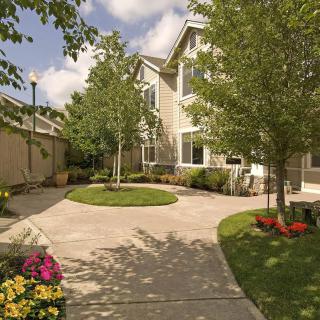
 Indoor common areas
 Outdoor common areas
 Private
 Private bathrooms
 Respite or short term stays offered
 Wheelchair accessible showers
 Wi-Fi/high-speed internet available
 Seattle-Tacoma International (19 miles away)
 Diabetic care
 High acuity care
 Incontinence care
 Medication management
 International cuisine
 Art classes
 Catholic services
 Day trips and outings
 Forever fit
 Jewish services
 Live dance or theater performances
 Stretching classes
 Assisted Living and Memory Care: Understanding Their Core Differences
 Choosing the Right Senior Care: A Detailed Exploration of Assisted Living and Nursing Homes
 Safeguarding Your Memory Through the Golden Years: Eight Ways to Preserve Cognitive Health