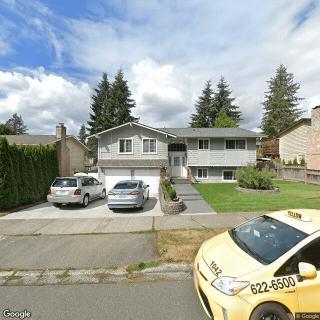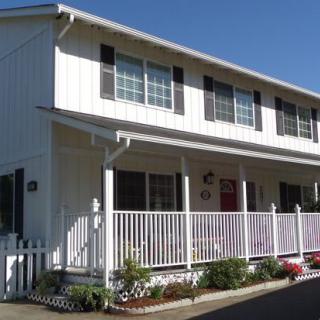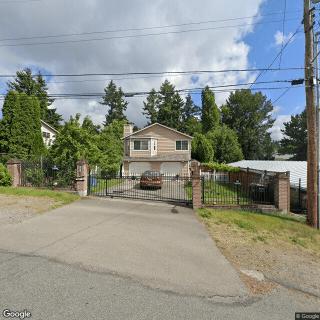
Home Sweet Home Care II in Seattle, WA

Save
Home Sweet Home Care II

Home Sweet Home Care II in Seattle, WA

Information last verified:

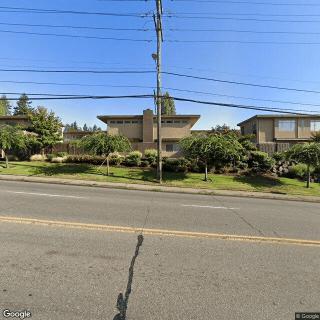
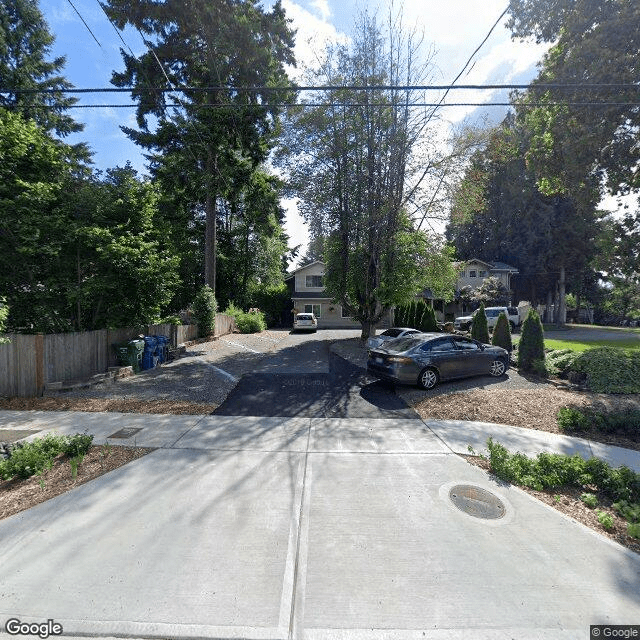
13046 30th Ave. NE, Seattle, WA 98125

For more information about senior living options: (844) 490-3973

5 from 2 reviews

Home Sweet Home Care II Costs & Pricing

Home Sweet Home Care II offers competitive pricing for its residential care services, making it an appealing choice in the context of King County and the broader Washington state. For semi-private accommodations, Home Sweet Home Care II charges $4,000 per month, which is notably lower than both the county average of $4,430 and the state average of $4,267. Similarly, their private room rate of $4,500 also positions them favorably against King County's average of $5,034 and Washington's average of $4,772. This pricing strategy reflects a commitment to providing quality care while remaining accessible to families seeking affordable options in a challenging economic landscape.

Floor plansHome Sweet Home Care IIKing CountyWashington
Semi-Private$4,000$4,430$4,272
Private$4,500$5,034$4,774

Overall Review of Home Sweet Home Care II

Pros

  • pro The care provided to Gloria was compassionate and attentive.
  • pro Taye greeted Gloria at move-in and remained with the family before and after her passing.
  • pro Margeret and Penny provided amazing care for Gloria.
  • pro Gloria was kept clean, and the meals were amazing.
  • pro A family member would never regret living at this home.
  • pro The reviewers highly recommend this home for care, family, and love.

Cons

  • pro None. The review is entirely positive in its portrayal of care and staff.

Review

Home Sweet Home Care II in Seattle is best suited for families that prize a tightly woven, home-like care experience where caregivers become fixtures in daily life and form lasting, personal connections with both residents and their families. The standout testimonial centers on a mom named Gloria, with staff who greeted her on move-in, stood beside the family through her illness, and remained present in the days after her passing. The narrative highlights Taye’s welcome, Margeret’s and Penny’s steady hands, and a rhythm of care that keeps residents clean, well-fed, and treated with genuine warmth. For families that want a setting that feels like a careful extension of home, reinforced by consistent kindness and tangible affection, this community checks many boxes.

Those weighing alternatives should consider how much emphasis is placed on medical intensity, structured programming, and professional nursing presence. The single review does not address more formal clinical capabilities, rehab services, or memory-care specifics, which can be decisive for residents with complex medical needs or dementia requiring specialized routines. Prospective families with expectations of robust on-site medical oversight, routine therapy, or highly regimented schedules may want to compare with larger, more clinically oriented communities. In short, when the priority shifts toward institutional-scale medical resources, this home-like model may not fully align.

The major strengths are clear and compelling: a personal, almost family-infused approach to daily care, palpable staff investment, and a culture that treats care as a collaborative, loving endeavor. The care team’s willingness to engage beyond the typical duties, supporting the family before and after a loved one’s passing, speaks to a level of empathy that is rare to find in larger settings. Cleanliness and food quality emerge as practical, everyday markers of respect for residents, reinforcing a sense that life remains dignified and enjoyable even as needs evolve. These elements create an emotional safety net that can ease transitions for anxious families and residents alike.

Where the reasoning tightens is in the absence of documented breadth. A single testimonial can illuminate extraordinary moments, but it does not confirm consistency across shifts, weekends, or different staff personalities. The lack of reported clinical details leaves questions about how the home handles increasingly complex med regimens, emergency response, or care coordination with outside providers. Still, the review’s emphasis on love, family, and care suggests that, for residents who thrive on intimate attention and a predictable, affectionate routine, the offset of potential gaps in medical depth may be substantial. The risk, then, is that expectations around medical capabilities are unmet if needs escalate.

Practical next steps for families are clear: perform a first-hand visit focused on the day-to-day vibe, how staff interact with residents, the pace of meals, and the tone of conversations around caregiving. Inquire specifically about staffing patterns, how caregiver roles are assigned, and what nursing support looks like on evenings and weekends. Ask about trial stays or transition support, and request opportunities to speak with other families about their experiences. Confirm licensing, safety protocols, and the availability of additional services as needs evolve, so the fit can be judged not only in moments of praise but across a broader trajectory of care.

Bottom line: Home Sweet Home Care II stands out for residents and families who value a warm, intimate, and emotionally engaged approach to daily living. The care conveyed in the testimonial, marked by hospitality, attentiveness, cleanliness, and excellent meals, paints a compelling portrait of a setting where a loved one can feel cherished. However, for anyone whose priority is intensive clinical oversight, rehab services, or specialized memory-care programming, exploring additional options is prudent. When the goal is to preserve dignity, warmth, and a sense of family, this Seattle home offers a powerful, distinctive fit that should be seriously considered.

Features

Types of Care

  • Board and Care Home Board and Care HomeBoard and care homes provide a smaller, more intimate setting for seniors who require assistance with daily tasks but do not need the level of care offered by a nursing home. They offer personalized care, meals, and social activities in a homelike environment, ensuring that seniors receive individualized attention and support in their golden years.

Pets

  • Cats allowed Cats allowed"Pet friendly" senior living communities are important for seniors because pets provide companionship, reduce feelings of loneliness and depression, promote physical activity and mental stimulation, and offer a sense of purpose and responsibility. Pets can improve overall well-being and quality of life for seniors in many ways.
  • Dogs allowed Dogs allowed"Pet friendly" senior living communities are important for seniors because pets provide companionship, reduce feelings of loneliness and depression, promote physical activity and mental stimulation, and offer a sense of purpose and responsibility. Pets can improve overall well-being and quality of life for seniors in many ways.

Amenities

  • Activities off-site Activities off-siteEngaging in off-site activities is crucial for seniors to maintain social connections, stay active, and stimulate their minds. It promotes overall well-being and helps combat feelings of isolation and loneliness.
  • Activities on-site Activities on-siteActivities on-site are important for seniors because they provide opportunities for socialization, mental stimulation, physical activity, and overall well-being. Engaging in activities can help seniors stay active, maintain their independence, and improve their quality of life.
  • Bath tubs Bath tubsBath tubs are important for seniors because they provide a safe and relaxing way to bathe, helping to prevent slips and falls while promoting independence and overall well-being.
  • Beautician on-site Beautician on-siteHaving a beautician on-site at a senior living community is important for seniors as it allows them to easily access grooming and personal care services, boosting their self-esteem and overall well-being. It also provides convenience and helps seniors maintain their sense of independence and personal style.
  • Devotional services off-site Devotional services off-siteDevotional services off-site are important for seniors as they provide spiritual nourishment, social engagement, and a sense of community outside of the senior living facility. This can enhance overall well-being and help combat feelings of isolation and loneliness often experienced by older adults.
  • Devotional services on-site Devotional services on-siteDevotional services on-site provide seniors with spiritual support and a sense of community, as well as an opportunity for reflection and guidance during their senior living experience. This can promote emotional well-being and connection to others, leading to a more fulfilling and enriching lifestyle in their later years.
  • Indoor common areas Indoor common areasIndoor common areas are crucial for seniors as they provide a space for socialization, recreation, and community engagement, promoting overall well-being and reducing feelings of isolation and loneliness.
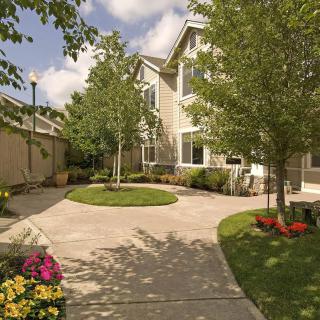
  • Outdoor common areas Outdoor common areasOutdoor common areas are important for seniors as they provide a space for socialization, physical activity, and relaxation. Being outside in nature can improve mood and overall well-being, while also encouraging movement and engagement with others. These spaces can help combat feelings of isolation and promote a sense of community among residents.
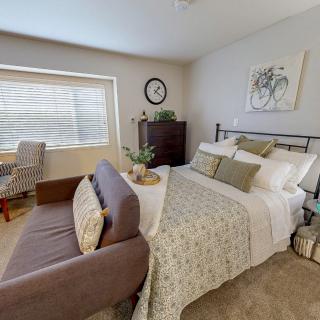
  • Private PrivatePrivacy is important for seniors as it allows them to maintain their independence, dignity, and sense of control over their own lives. It also gives them the space and freedom to relax, reflect, and engage in activities that bring them joy and fulfillment. Creating private spaces within senior living facilities is crucial for promoting overall well-being and quality of life.
  • Private bathrooms Private bathroomsPrivate bathrooms are important for seniors in senior living communities because they provide independence, dignity, and comfort. Having a private bathroom allows seniors to maintain their personal hygiene routines without the need for assistance, promoting a sense of autonomy and privacy. Additionally, private bathrooms help prevent the spread of infections and provide a safe and clean environment for seniors to navigate safely.
  • Respite or short term stays offered Respite or short term stays offeredRespite or short term stays provide seniors with a temporary solution when their regular caregiver is unavailable, offering them the opportunity to receive additional care and support during times of need, while also giving caregivers a chance to rest and recharge.
  • Wheelchair accessible showers Wheelchair accessible showersWheelchair accessible showers are crucial for seniors as they provide a safe and independent bathing option for those with mobility challenges. These showers help prevent falls and allow seniors to maintain their dignity and autonomy while ensuring they can bathe comfortably.

Transportation

  • Seattle-Tacoma International (19 miles away) Seattle-Tacoma International (19 miles away)

Care Services

  • Diabetic care Diabetic careDiabetic care is crucial for seniors as they are more susceptible to developing diabetes due to aging and other health conditions. Proper management of diabetes can help prevent complications such as heart disease, vision loss, and nerve damage, improving the overall quality of life for seniors in senior living communities.
  • High acuity care High acuity careHigh acuity care is important for seniors because it provides specialized medical attention and support for individuals with complex medical needs. This level of care ensures that seniors receive the appropriate treatment and assistance to maintain their health and quality of life as they age.
  • Incontinence care Incontinence careIncontinence care is essential for seniors to maintain their dignity, hygiene, and overall quality of life. By addressing incontinence issues promptly and effectively, seniors can enjoy a sense of independence and comfort in their daily activities.
  • Medication management Medication managementMedication management is crucial for seniors to ensure they are taking the right medications at the correct dosages and times. This helps prevent adverse drug interactions, reduces the risk of medication errors, and promotes overall health and well-being. Proactive management also allows for adjustments as needed based on changing health conditions or new prescriptions.

Dining

  • Kosher KosherKosher options are important for seniors because they adhere to dietary laws that are significant to many Jewish individuals, providing them with peace of mind and an opportunity to maintain their cultural traditions and beliefs while living in a senior living community.
  • Meals provided Meals provided"Meals provided" are crucial for seniors in assisted living communities as it ensures they have access to nutritious, balanced meals without the stress of meal planning and preparation. This can help promote overall health and well-being for seniors who may have limited mobility or cognitive abilities.
  • Vegetarian VegetarianA vegetarian diet is important for seniors because it can help lower the risk of chronic diseases, maintain a healthy weight, and provide essential nutrients needed for aging bodies. Additionally, plant-based diets are often easier on digestive systems and can contribute to overall well-being in older adults.

Activities

  • Activities off-site Activities off-siteEngaging in off-site activities is crucial for seniors to maintain social connections, stay active, and stimulate their minds. It promotes overall well-being and helps combat feelings of isolation and loneliness.
  • Activities on-site Activities on-siteActivities on-site are important for seniors because they provide opportunities for socialization, mental stimulation, physical activity, and overall well-being. Engaging in activities can help seniors stay active, maintain their independence, and improve their quality of life.
  • Devotional activities offsite Devotional activities offsiteDevotional activities offsite are important for seniors because they provide social engagement, spiritual growth, and a sense of community outside of their living environment. This can improve overall well-being, mental health, and combat feelings of isolation or loneliness.
  • Devotional activities on-site Devotional activities on-siteDevotional activities on-site provide seniors with a sense of community, spiritual fulfillment, and emotional support, promoting overall well-being and a positive sense of purpose in their lives.

Description

Home Sweet Home Care II in Seattle, WA offers a comfortable and welcoming assisted living community for seniors. Our community provides a range of amenities to enhance the lives of our residents, including activities on-site to encourage socialization and engagement, beautician services to help residents look and feel their best, and devotional services both on-site and off-site to cater to spiritual needs.

Our indoor and outdoor common areas provide spaces for residents to relax and enjoy the company of their neighbors or spend time outdoors in nature. Each resident has their own private space, complete with a private bathroom for their convenience. We also offer respite or short term stays for those who may need temporary care or assistance.

We are committed to providing high-quality care services tailored to individual needs. Our staff is trained in high acuity care, ensuring that residents with greater medical needs receive the attention they require. We also provide reliable incontinence care and medication management to ensure the well-being of all our residents.

Dining at Home Sweet Home Care II is a pleasure, with meals provided that are both nutritious and delicious. We accommodate dietary preferences such as vegetarian options, ensuring that everyone's needs are met.

Residents can enjoy a variety of activities within our community, including on-site activities designed to keep them mentally and physically engaged. Off-site devotional activities are also available for those seeking spiritual fulfillment.

In addition to the amenities within our community, we are conveniently located near various cafes, parks, pharmacies, physicians' offices, restaurants, transportation options, and hospitals. This ensures easy access to additional services and resources for our residents' convenience.

At Home Sweet Home Care II in Seattle, WA, we strive to create a warm and supportive environment where seniors can thrive.

Nearby Places of Interest

This part of Seattle, Washington offers a convenient and diverse range of amenities for seniors looking to settle in the area. With several pharmacies located within a short distance, access to necessary medications and healthcare supplies is readily available. There are also a variety of dining options nearby, from fast food chains to cafes and restaurants offering different cuisines. For leisure activities, there are plenty of parks where residents can enjoy nature walks or relax outdoors. Additionally, the proximity to hospitals and medical clinics ensures easy access to healthcare services when needed. Public transportation options are also close by for those who prefer not to drive. Overall, this neighborhood provides a mix of practical conveniences and recreational opportunities suitable for senior living.

Pharmacies

  • Fred Meyer Pharmacy (0.2 miles)
  • Bartell Drugs (0.3 miles)
  • Walgreens (0.7 miles)
  • QFC Pharmacy (1.4 miles)
  • Walgreens (1.5 miles)
  • Northgate Pharmacy (2.1 miles)
  • Rite Aid (2.3 miles)

Restaurants

  • Dick's Drive-In (0.4 miles)
  • Chick-Fil-A (2.3 miles)
  • The Guest House (2.3 miles)
  • McDonald's (2.5 miles)
  • Magnuson Cafe & Brewery (2.9 miles)
  • Seaplane Kitchen & Bar (3.2 miles)
  • Bongos (4.1 miles)

Parks

  • Saint Edward State Park (1.9 miles)
  • O.O. Denny Park (2.2 miles)
  • Maple Leaf Park (2.5 miles)
  • Log Boom Park (2.7 miles)
  • Big Finn Hill Park (2.9 miles)
  • Warren G. Magnuson Park (3.3 miles)
  • Magnuson Park Off-Leash Dog Park (3.3 miles)

Cafes

  • Starbucks (2 miles)
  • Diva Espresso (3 miles)
  • Starbucks (3.3 miles)
  • Starbucks (3.5 miles)
  • Urban Coffee Lounge (4.1 miles)
  • Starbucks (4.2 miles)
  • Jake's Coffee (4.3 miles)

Hospitals

  • Northwest Hospital (2 miles)
  • Seattle Children's Hospital (4.3 miles)
  • Uw Medical Center Cafeteria (5.2 miles)

Transportation

  • Northgate Transit Center (2.1 miles)
  • Northgate Station Seattle (2.2 miles)
  • Roosevelt Station Seattle (3.5 miles)
  • U District Station (4.5 miles)
  • University of Washington LINK Station (5.1 miles)

Physicians

  • Warby Parker (4.2 miles)
  • Ballard Pediatric Clinic PS (4.6 miles)
  • Lakeshore Clinic (4.9 miles)
  • Lakeshore Clinic (5.3 miles)
  • Allegro Pediatrics - Totem Lake (5.5 miles)
  • EvergreenHealth (5.5 miles)

Theaters

  • Cinemark Totem Lake And Xd (5.5 miles)

Frequently Asked Questions

How much does it cost to live at Home Sweet Home Care II in Seattle, WA?
Where is Home Sweet Home Care II?
Does Home Sweet Home Care II allow residents to have pets?

Nearby Communities

  • Home Sweet Home Care

    Home Sweet Home Care

    Seattle, WA

     
    $4,800 / month

    pro Flat $4,800 monthly rate across all room types; strong memory and diabetic care with engaging activities in a warm environment and easy access to nearby amenities.

  • Victoria 1 Adult Family Home

    Victoria 1 Adult Family Home

    Seattle, WA

    5 from 12 reviews
    $7,000 to $8,000 / month

    pro Compassionate, home-like care with engaged staff, clean surroundings, and strong family communication.

  • Victoria AFH

    Victoria AFH

    Seattle, WA

    5 from 7 reviews
    $2,200 to $7,000 / month

    pro Private rooms with private bathrooms and comprehensive memory/high-acuity care.

  • Cedar Park Apartments

    Cedar Park Apartments

    Seattle, WA

    4.3 from 79 reviews
    $807 to $951 / month

    pro Very clean spaces with friendly, responsive staff.

  • Remington Place

    Remington Place

    Seattle, WA

    4.3 from 17 reviews
    $1,995 to $2,875 / month

    pro Competitive pricing with comprehensive amenities (meals, activities, on-site services).

  • Home Sweet Home Care

    Home Sweet Home Care

    Seattle, WA

     
    $4,000 to $4,500 / month

    pro Affordable pricing with semi-private at $4,000 and private at $4,500, below local and statewide averages.

  • Shoreline Health and Rehab Center

    Shoreline Health and Rehab Center

    Seattle, WA


    pro Strong nearby dining, parks, pharmacies, and healthcare options.

  • Cogir Of Northgate Memory Care

    Cogir Of Northgate Memory Care

    Seattle, WA

    4.5 from 44 reviews
     

    pro Compassionate, attentive staff in a clean, homey environment with engaging activities and on-site services.

  • Aegis Living Callahan House

    Aegis Living Callahan House

    Shoreline, WA

    4 from 17 reviews
     

    pro Private rooms with personalized activities in a bright, clean environment.

Related Resources

  • elderly blood pressure chartComprehensive Guide to Blood Pressure Charts for Older Adults: Understanding Normal and High Readings by Age

    The guide on blood pressure charts for older adults stresses the importance of understanding normal and high blood pressure readings influenced by age, genetics, and lifestyle, while emphasizing regular monitoring and lifestyle modifications to prevent serious health issues. It provides insights into blood pressure categories, dietary recommendations, medication considerations, and the role of caregivers in supporting healthy habits.

  • how to pay for nursing home care with social securityFinancing Long-Term Nursing Home Care Through Social Security: A Thorough Exploration

    The article explores the complexities of using Social Security to finance long-term nursing home care in the U.S., detailing eligibility requirements and misconceptions, while emphasizing that these benefits often do not cover full costs and highlighting the need for strategic financial planning and professional guidance.

  • pneumonia in elderlyEssential Knowledge on Pneumonia in Older Adults

    Pneumonia significantly affects older adults due to weakened immune systems and atypical symptoms that complicate diagnosis, necessitating early detection and tailored treatment. Risk factors include chronic diseases and cognitive impairments, with preventive measures like vaccinations and healthy lifestyles being crucial for reducing risk.