
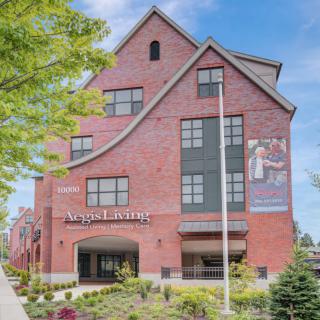
200 NW 198th St, Shoreline, WA 98177
To contact a resident: (206) 370-9105
For more information about senior living options: (866) 208-4318
Richmond Senior Care Costs & Pricing
Richmond Senior Care offers a premium living experience, reflected in its monthly costs of $8,500 for both private rooms and one-bedroom units. This pricing distinctly positions Richmond above the average costs in King County, where similar accommodations range from approximately $5,034 for private rooms to $5,127 for one-bedroom units. In comparison, the broader state of Washington presents even more economical options, with costs averaging around $4,772 for private spaces and $4,632 for one-bedroom apartments. While Richmond's pricing is significantly higher than both local and state averages, it is likely indicative of enhanced services, amenities, and overall quality that may appeal to those seeking specialized senior care.
| Floor plans | Richmond Senior Care | King County | Washington |
|---|---|---|---|
| Private | $8,500 | $5,034 | $4,774 |
| 1 Bedroom | $8,500 | $5,127 | $4,634 |
Memory care communities with a similar price nearby
-
from -$600 / mo
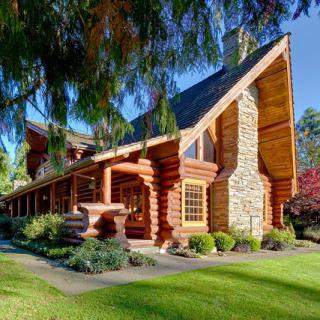
Caring Cabin Manager, LLC
$7,900 to $9,000 / month9.0 miles away -
from -$1000 / mo
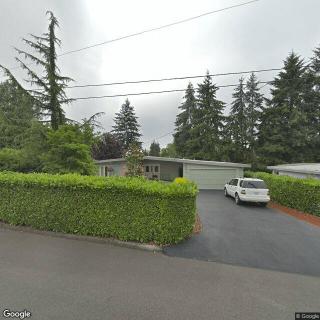
Lake Hills AFH, LLC
$7,500 / month15.1 miles away -
from -$1600 / mo
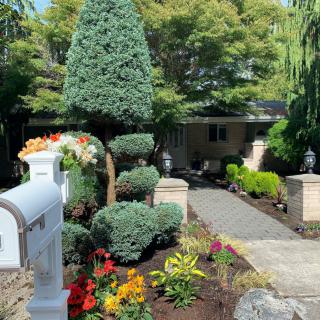
Legends Living Care
$6,900 to $7,500 / month6.1 miles away -
from -$1500 / mo
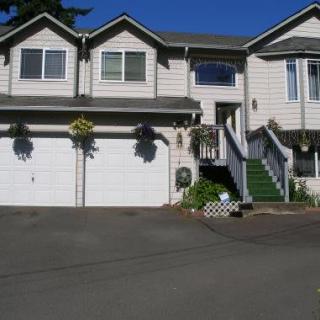
Victoria 1 Adult Family Home
$7,000 to $8,000 / month3.7 miles away -
from -$1500 / mo
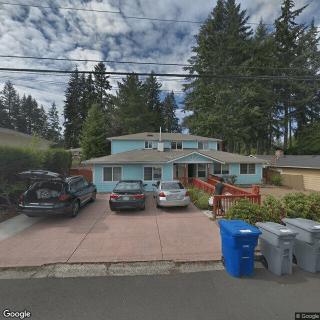
Sunny's Adult Family Home LLC
$7,000 / month13.9 miles away
Overall Review of Richmond Senior Care
Pros
 Hime and her staff provide incredible care that gives families peace of mind.
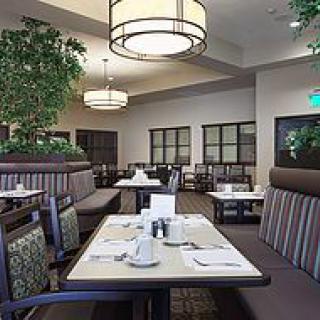
- Richmond Beach AFH is a warm, welcoming home with caring staff, delicious home-cooked meals, and high-quality care.
- Hime is warm-hearted and kind, running the AFH with capable, dedicated help.
- The team creates a genuine sense of family, keeping residents clean, hydrated, and engaged.
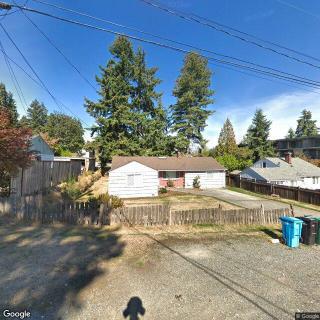
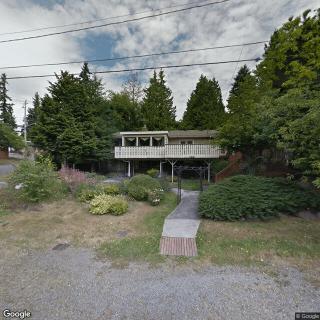
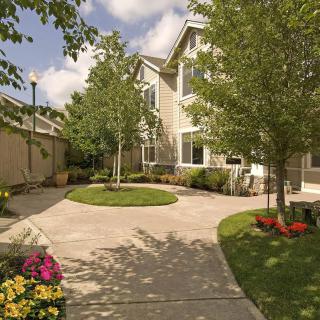
- The home is spotless and beautifully kept, with a spacious common area for residents to gather.
- The staff have the skills to care for people with dementia, making daily life safer and more comfortable.
- Families feel relieved and grateful to have found such a good fit for their loved ones.
- The home thoughtfully celebrates residents, such as birthdays, and makes them feel valued.
Cons
 He was in a memory care unit on First Hill that neglected his needs and care.
- The AFH places they visited weren’t very nice until they walked into Hime’s.
- The rehab she was in wasn’t improving her condition, prompting them to seek an AFH with a better staff-to-resident ratio.
- She could not heal his dementia, and he slipped away into unconsciousness and then death.
Review
Richmond Beach Adult Family Home in Shoreline is best suited for families seeking an intimate, home-like care setting where dementia care and daily companionship are the centerpiece. This community excels for seniors who respond to a warm, relationship-driven approach, with a dedicated owner-operator and staff who know residents by name and history. It is ideal for families who value safety, cleanliness, and the reassurance that a small, highly attentive team is watching over their loved one’s comfort and mood, day in and day out. The environment is crafted to feel like a true home rather than a clinical facility, with meaningful meals, shared activities, and a visible emphasis on humane, person-centered care.
The obvious alternatives are facilities that offer a larger campus, more formal medical staffing, or broader rehabilitation programs. If a family needs on-site physicians, 24/7 nursing oversight, or a strict, hospital-style routine, a bigger memory-care community or hospital-affiliated option may be more appropriate. For residents whose needs extend beyond basic dementia support or who require extensive rehab services and highly structured programming, these larger settings can provide the level of medical resources that a small AFH generally does not routinely guarantee. In short, those requiring clinical breadth and scale should explore alternative models.
The strongest pros here are tangible, and they consistently translate into real benefits for residents and their families. Hime, the owner, leads with warmth and steadiness, and staff follow with a genuinely compassionate, hands-on approach. The care culture is palpable: residents are kept clean, well-hydrated, fed with home-cooked meals, and included in activities that resemble family life rather than a hospital schedule. The home itself is described as beautiful and spotless, with generous common spaces that invite social interaction, meals together, and relaxed conversations. The care team has demonstrated competence with dementia-related needs, with families noting improvements in eating motivation, mobility encouragement, and daily engagement that counteract isolation.
The caring environment helps offset the inevitable limits of a small, family-run home. While not a large medical campus, the staff’s vigilance and the owner’s direct involvement ensure that complex issues, ranging from ulcers and wounds to hydration and comfort during decline, are addressed promptly and with dignity. The narrative across multiple families is one of peace of mind: even during tough moments, there is consistent attention, a sense of belonging, and a feeling that the resident’s final chapters are being managed with love and respect. In short, the heart-forward approach produces outcomes (longer meaningful time together, noted improvements in comfort, and cherished memories) that can outpace the lack of a broader clinical footprint.
Yet there are reasonable expectations to consider. This community does not present as a high-intensity medical setting, and those needing aggressive rehabilitation programs, rapid physician access, or a wide range of on-site therapies may find the options elsewhere more suitable. The strength of this AFH, the intimate caregiver ratio, the home atmosphere, and the emphasis on meaningful daily life, also means residents participate in lighter programming rather than formal activity schedules typical of larger campuses. Families should assess whether the pace, ambiance, and level of medical oversight align with their loved one’s current and anticipated needs.
For families weighing the decision, the recommendation is clear: prioritize a visit to observe daily rhythms, meet Hime and the caregiving team, and ask specific questions about dementia care capabilities and emergency protocols. Consider how the resident responds to intimate, home-like routines and whether the peace of mind offered by a tight-knit staff matches long-term expectations. If the objective is truly personalized care, a clean, nurturing environment, and a community that treats your relative as family, Richmond Beach AFH delivers with notable consistency. If the goal is hospital-like medical depth or expansive rehab services, pursue alternatives but recognize the value this setting brings in comfort, connection, and humane, attentive care.
 Board and Care Home
 Memory Care
 Seattle-Tacoma International (21 miles away)

 Memory Care Pathways: A Holistic Guide to Dementia Support
 Comprehending Evening Confusion in Dementia: Causes, Manifestations, and Support
 Delirium and Dementia: Unraveling the Key Differences