
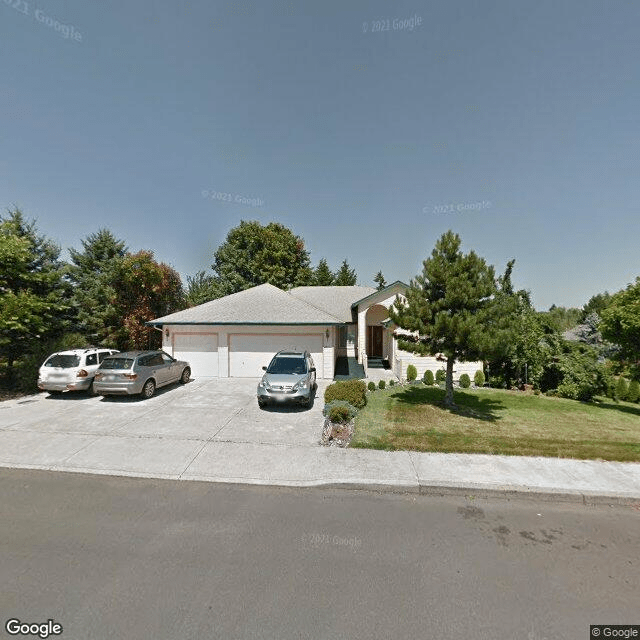
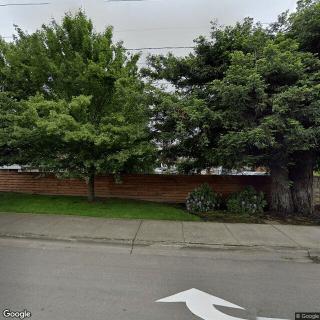
2514 NE 164th Street, Ridgefield, WA 98642
To contact a resident: (360) 314-6271
For more information about senior living options: (866) 208-4318
Pleasant Valley Senior Costs & Pricing
Pleasant Valley Senior offers competitive monthly costs for its residents compared to both Clark County and the broader state of Washington. For a semi-private room, Pleasant Valley's rate of $3,500 is notably lower than the county average of $3,897 and even more so compared to the state average of $4,267. Similarly, the cost for a private room at Pleasant Valley is $4,500, which is slightly higher than the county's average but still more affordable than many options available across Washington. The studio units reflect a similar trend; at Pleasant Valley, they are priced at $4,500 - just above the county's rate of $3,882 yet less than several other locations within the state. Overall, Pleasant Valley Senior strikes a balance between quality care and affordability in its offerings.
| Floor plans | Pleasant Valley Senior | Clark County | Washington |
|---|---|---|---|
| Semi-Private | $3,500 | $3,897 | $4,272 |
| Private | $4,500 | $3,992 | $4,774 |
| Studio | $4,500 | $3,882 | $4,128 |
Memory care communities with a similar price nearby
-
About the same
American Living Adult Family Home LLC
$3,500 / month8.4 miles away -
from -$500 / mo
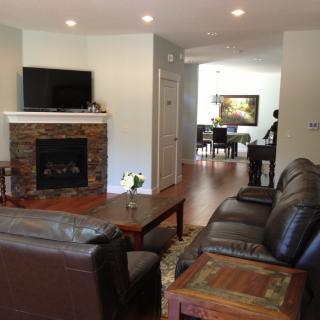
Elder Garden Care Home, LLC
$3,000 / month17.6 miles away -
About the same
Northwest Home Health
$3,500 to $3,700 / month18.4 miles away -
from +$500 / mo
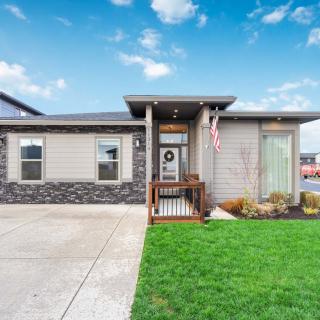
The Finest Care AFH, LLC
$4,000 to $5,500 / month9.0 miles away -
About the same
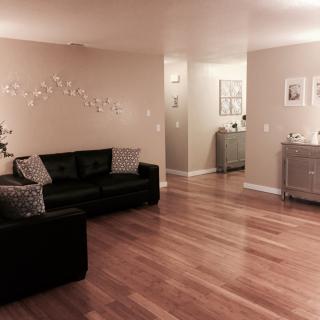
Grace Care Adult Foster Home
$3,500 / month19.9 miles away
Overall Review of Pleasant Valley Senior
Pros
 The staff are genuinely committed to all residents.
- They go above and beyond, visiting residents in the hospital and coordinating care with doctors.
- Pleasant Valley Senior Care is the perfect place for a loved one.
- Claud and Alina provide compassionate and respectful care.
- The staff welcome residents and respect their feelings, easing transitions.
- The care meets both emotional and physical needs.
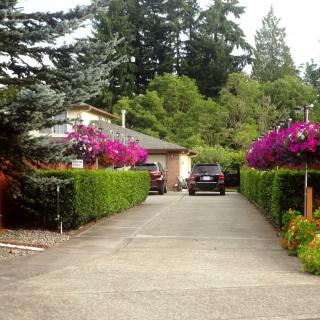
- The home feels comfortable and like a true family environment.
- Daily life at the home is warm, with laughter and positive interactions.
- The facility is very clean and well maintained.
Cons
 The transition to Pleasant Valley was hard on her.
Review
Pleasant Valley Senior in Ridgefield, WA is best suited for seniors who want a warm, intimate, home-like setting where caregivers deliver highly personalized attention. This community shines for residents who value emotional connection, consistent presence, and a caregiving team that treats each resident like family. The reviews consistently praise staff who go well beyond the basics, visiting hospitalized residents, helping families navigate moves, and coordinating care with doctors. The environment itself reinforces this approach: it feels like a comfortable home rather than a clinical facility, and residents and their families report welcoming, respectful interactions that make daily life engaging and meaningful.
Those considering alternatives should note that Pleasant Valley may not be the right fit for every senior. A larger, more structured campus with expansive programming, on-site medical services, and formal routines found in bigger facilities may be preferable for residents needing a higher level of medical acuity or more robust social programming. Families who prioritize a very high degree of administrative distance between ownership and day-to-day operations, or who want a facility operated by a distant corporate system, might gravitate toward different options. In short, the charm of a small, family-style home comes with tradeoffs that may not align with every care plan.
The strongest pros are concrete and repeatedly demonstrated: a staff team that appears genuinely committed to residents, with care extending beyond shifts to personal touches, hospital visits, home visits, and proactive communication with families. The owner’s involvement is a defining asset, including hands-on oversight, regular updates, and transparent communication, sometimes supplemented by photos that keep families connected. Cleanliness and homelike ambiance reinforce a sense of safety and comfort, while home-cooked meals and a neighborly, on-site leadership presence add to the daily experience. For dementia care and sundowner challenges, caregivers are described as competent, patient, and steady, which can be the decisive factor for families choosing this setting.
The main cons, effectively managed, center on scale and programming. A small home can limit formal activities, structured group outings, and the breadth of specialized services that larger communities advertise. However, the same intimacy that limits programming also deepens personal attention, enabling staff to tailor routines to individual preferences, histories, and moods. Another potential concern is ownership structure: a family-run vibe with the owner’s son acting as manager and living onsite can raise questions about continuity and governance in the eyes of some families. Yet in practice, the reviews portray steady leadership, ongoing oversight, and immediate access to updates, mitigating worries about instability or hidden agendas.
This is precisely where the pros offset the cons: the remarkable access families have to care decisions, coupled with daily warmth and consistency, often surpasses what a larger campus can offer in personal relevance. The ability to coordinate care with physicians, the willingness to visit residents in hospital or at home, and the transparent flow of information keep families confidently aligned with their loved ones’ trajectories. Cleanliness, food quality, and a home environment create a daily rhythm that supports emotional well-being and reduces anxiety during transitions. For someone prioritizing trust, responsiveness, and a sense of belonging, Pleasant Valley’s model delivers outcomes that larger, more impersonal facilities may not.
In practical terms, families evaluating Pleasant Valley should focus on alignment of care goals, the resident’s personality, and the comfort threshold for a home-like setting. Verify current staffing levels, especially after night hours, and confirm the availability of dementia-specific programming that complements the demonstrated strengths. Assess how the owner and on-site leadership communicate with families during medical events or care plan changes, and whether the family is comfortable with a model that blends professional caregiving with strong personal involvement. For many, these factors coalesce into a compelling choice.
Overall, Pleasant Valley Senior stands out as a thoughtful, well-executed option for seniors who value warmth, continuous caregiver engagement, and a genuinely familial atmosphere. It is a particularly strong match for families seeking hand-in-hand transition support, reliable updates, and a facility where staff know residents by name and preferences. Alternatives make sense when a larger, more programmatic environment or a more formal governance structure is essential. For those who prize intimate care, dementia-capable staff, and a setting that feels like home, Pleasant Valley Senior earns strong, practical endorsement.
 Board and Care Home
 Memory Care
 Activities on-site
 Devotional services on-site
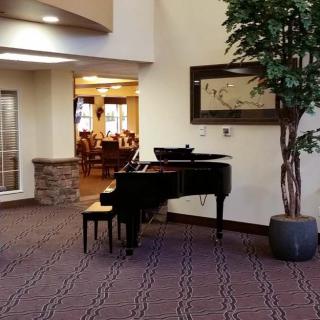
 Indoor common areas
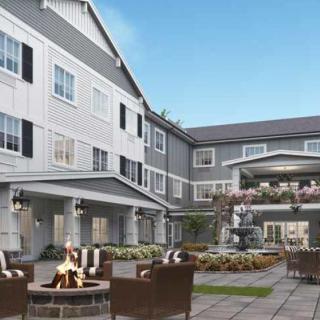
 Outdoor common areas
 Private
 Private bathrooms
 Wheelchair accessible showers
 Portland International (11 miles away)
 Diabetic care
 High acuity care
 Incontinence care
 Medication management
 Kosher


 8 Important Indicators That Memory Care May Be Necessary
 Delving into the Inner World of Dementia: Insights into Thoughts and Awareness
 Five Subtle Dementia Indicators to Observe: An In-Depth Guide to Understanding “Does My Mom Have Dementia?”