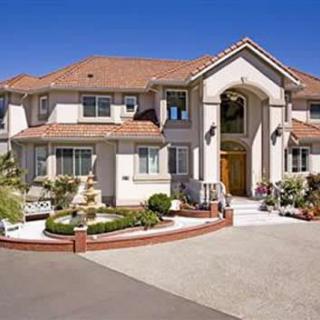
9216 132nd Ave NE, Redmond, WA 98052
To contact a resident: (425) 803-3244
For more information about senior living options: (866) 208-4318
Silverstone AFH Costs & Pricing
Silverstone AFH offers a premium living experience with its monthly costs reflecting the quality of care and accommodation provided. For a one-bedroom unit, residents can expect to pay $7,500, which significantly exceeds the averages for both King County at $5,127 and the wider state of Washington at $4,632. Similarly, for a private room, the monthly fee is set at $8,000, again surpassing King County's average of $5,034 and the state average of $4,772. These higher costs underscore Silverstone AFH's commitment to delivering top-notch services and personalized care in an environment that prioritizes comfort and well-being.
| Floor plans | Silverstone AFH | King County | Washington |
|---|---|---|---|
| 1 Bedroom | $7,500 | $5,127 | $4,634 |
| Private | $8,000 | $5,034 | $4,774 |
Memory care communities with a similar price nearby
-
from -$1000 / mo
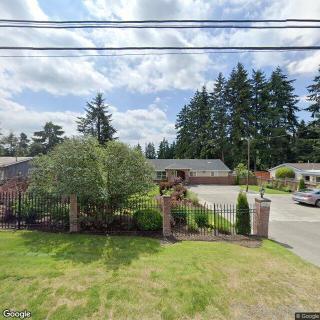
The Promised Land
$6,500 / month7.5 miles away -
from +$400 / mo
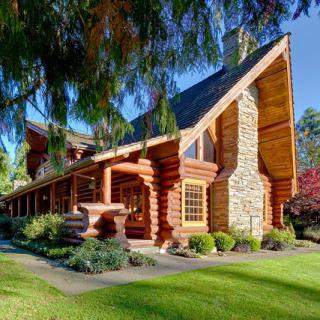
Caring Cabin Manager, LLC
$7,900 to $9,000 / month7.0 miles away -
About the same
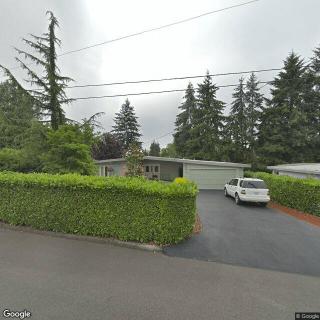
Lake Hills AFH, LLC
$7,500 / month5.9 miles away -
from -$600 / mo
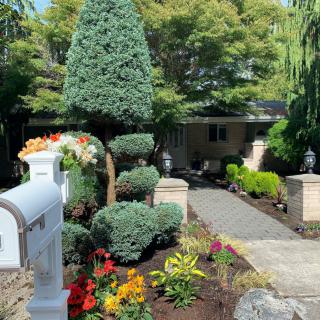
Legends Living Care
$6,900 to $7,500 / month13.3 miles away -
from -$500 / mo
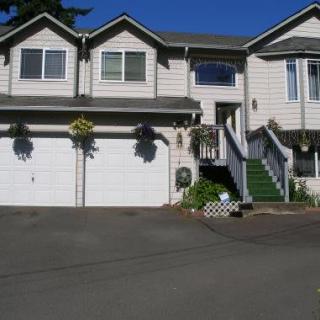
Victoria 1 Adult Family Home
$7,000 to $8,000 / month6.8 miles away
Overall Review of Silverstone AFH
Pros
 The house is very clean and the services are great.
- Caregivers are very friendly, accommodating, and professional.
- The staff at Silverstone AFH Inc. took such good care of Malcolm.
- The home is comfortable, safe, and welcoming for residents.
- They go beyond the call of duty, arranging outings and attending to every aspect of residents' lives.
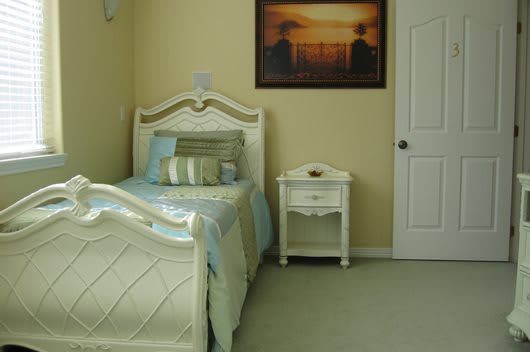
- The rooms are clean and well organized, and the home is spotless.
- Silverstone is highly recommended by families.
- The team provides 24/7 tender loving care.
Cons
 The staff did nothing to help her as her health deteriorated.
 - The staff bathed and cared for her only when it was convenient for them, not when she needed it.
- The owner kicked the mother out when confronted about the care.
- None of the supplies left for her were being used.
- The place was terrible.
Review
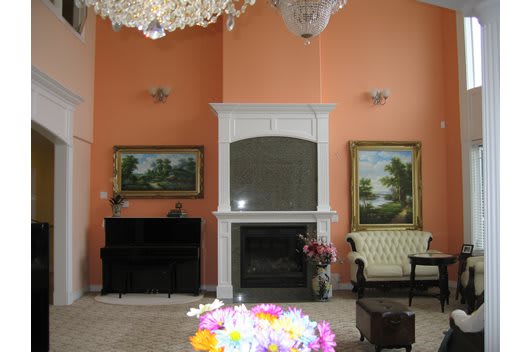
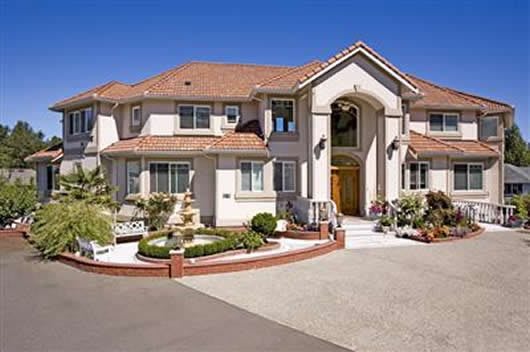
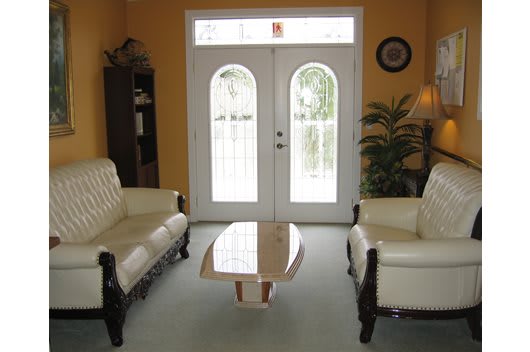
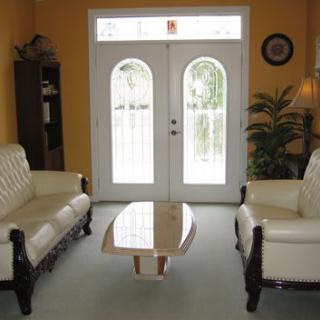
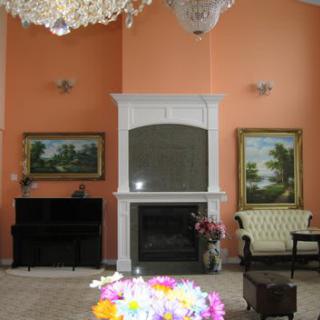
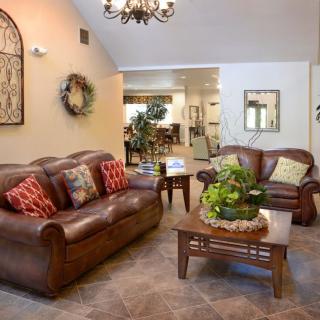
Silverstone AFH in Redmond, WA is best suited for seniors who want a warm, home-like setting where care feels personal and consistent. This intimate adult family home emphasizes a hands-on, relationship-driven care model, with caregivers who are often praised for attentiveness and kindness. The environment supports residents who value daily routines, easy family access, and regular social engagement through outings to dining, shopping, church, and appointments. It suits someone who thrives in a smaller, less clinical setting where staff establish ongoing, familiar connections, and where long-term residency is common, evidenced by residents who have stayed for years and families who describe the care as a lifeline.
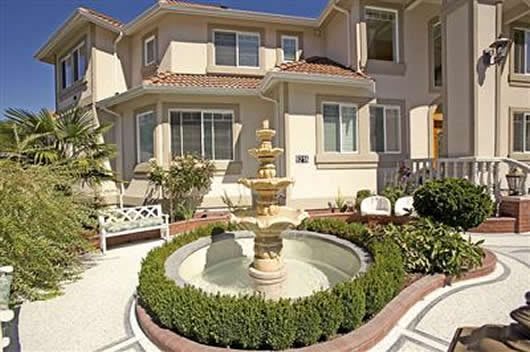
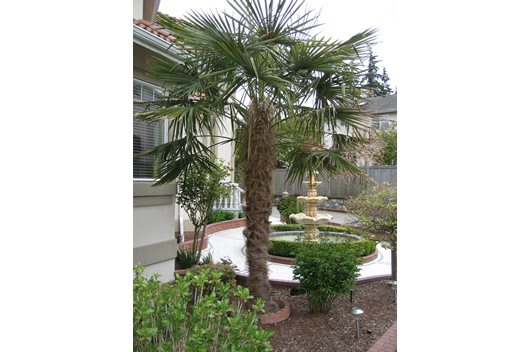
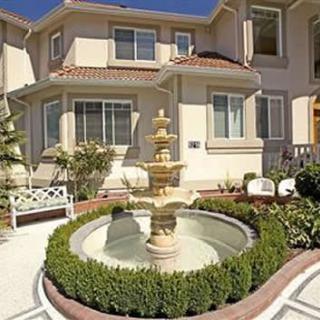
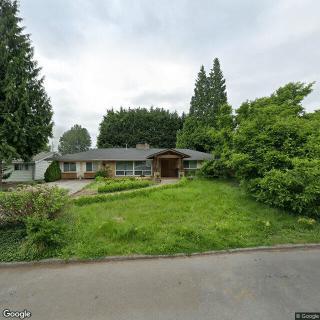
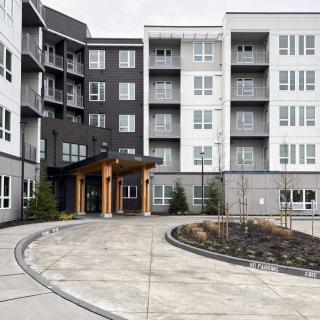
Those considering alternatives should be mindful of residents with significant medical or nursing needs that require high levels of on-site clinical oversight. The strongest concern voiced in a negative account is not about warmth or cleanliness, but about what happens when health deteriorates or care demands escalate. For families requiring robust caregiving supervision, emergency responsiveness, or more formal governance, a larger assisted living community or a skilled-nursing setting may offer more explicit protocols and staffing structures. Also, for families where outdoor green space matters to the resident’s routine or mood, a facility with a larger campus and lawns could be preferable.
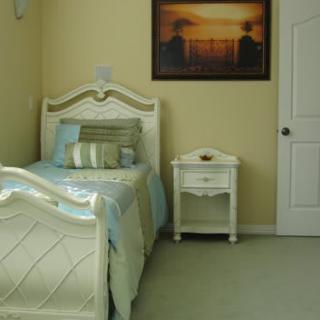
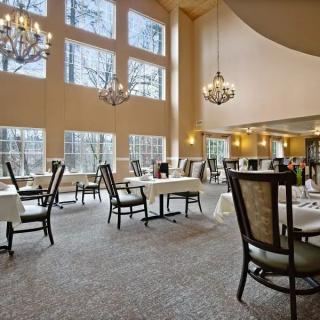
The core strengths of Silverstone AFH sit in the care culture and daily operations. Cleanliness and a well-organized, efficiently run household create a reassuring backdrop for trusted, 24/7 tender-loving care. The staff are described as friendly, professional, and genuinely invested in residents’ well-being. Beyond daily care, caregivers actively coordinate outings and appointments, ensuring residents enjoy meaningful activities that support orientation, socialization, and quality of life. The combination of a stable, long-tenured care team and a cheerful, well-kept home helps residents feel safe, valued, and engaged, which can offset the limitations typical of smaller AFHs.
Yet a critical review cannot be dismissed. One experience described egregious neglect, acute concerns about hygiene, timely care, and ultimately an abrupt removal from the home. While this represents a stark contrast to the many positive testimonies, it underscores the real risk that demands due diligence. Prospective families should personally verify care escalation protocols, inquire about incident histories, and request current staffing ratios and caregiver training records. A candid conversation with the owner and current staff about accountability, response times, and how care plans adapt as health needs evolve is essential before committing.
For decision-making, focus on practical verification steps: observe a live shift, meet direct caregivers, and review written care plans, menus, and activity calendars. Ask how often staff assess functional changes, what triggers additional supports, and how transportation to medical visits is coordinated. Consider the tangible pros, home-like ambiance, consistent caregivers, and social programming, against the listed con’s, especially if outdoor space or high-level medical supervision is a priority. Align expectations with the resident’s medical trajectory and the family’s ability to participate in ongoing oversight.
In the end, Silverstone AFH offers a compelling choice for families seeking a trusted, intimate setting where care feels deeply personal and consistently delivered. It is a strong match for residents who prize stability, personalized attention, and a lively social calendar within a clean, efficient home. It is less ideal for those who require intensive medical management, rigid governance, or expansive outdoor facilities. A careful tour, direct conversation with the care team, and a clear view of incident handling and staffing will determine whether this AFH truly fits the resident’s needs, and if so, the path to a secure, fulfilling placement.
 Board and Care Home
 Memory Care
 Activities on-site
 Air-conditioning
 Bath tubs
 Beautician on-site
 Cable or satellite TV
 Ground floor units
 Handicap accessible
 Indoor common areas
 Outdoor common areas
 Private
 Private bathrooms
 Respite or short term stays offered
 Wheelchair accessible showers
 Wi-Fi/high-speed internet available
 Seattle-Tacoma International (18 miles away)
 Ambulatory care
 Diabetic care
 High acuity care
 Incontinence care
 Medication management
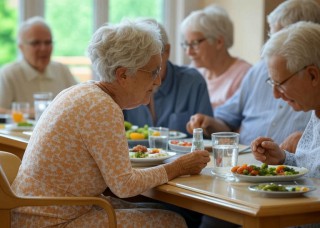
 Anytime dining
 Art classes
 Bible study group
 Book club
 Brain fitness
 Cards / pinochle club
 Choir / singing club
 Current events club
 Educational speakers / life long learning
 Forever fit
 Karaoke
 Light therapy programs
 Stretching classes
 Trivia games
 Nourishing the Mind: Essential Dietary Approaches for Dementia
 Understanding Dementia Behaviors: Practical Insights and Strategies for Caregivers
 When Dementia Sparks Anger and Aggression: Understanding the Connection and Ways to Cope