
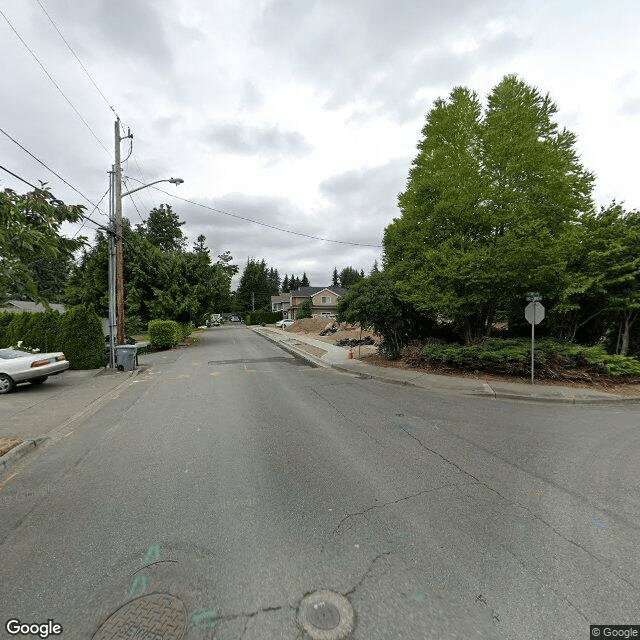
10503 NE 98th Place 425-822-2440 AFH, Kirkland, WA 98033
To contact a resident: (425) 822-8442
For more information about senior living options: (866) 208-4318
Houghton’s Lakeview Costs & Pricing
Houghton's Lakeview offers competitive pricing for its room types compared to the broader market in King County and across Washington state. For instance, residents can choose a semi-private room at Houghton's Lakeview for $3,000 per month, which is significantly more affordable than the average costs of $4,430 in King County and $4,267 statewide. Similarly, the private room option at Houghton's Lakeview is priced at $3,500, well below the averages of $5,034 in King County and $4,772 throughout Washington. This pricing structure makes Houghton's Lakeview an attractive option for those seeking quality care without compromising their financial wellness.
| Floor plans | Houghton’s Lakeview | King County | Washington |
|---|---|---|---|
| Semi-Private | $3,000 | $4,430 | $4,272 |
| Private | $3,500 | $5,034 | $4,774 |
Memory care communities with a similar price nearby
-
from +$500 / mo
Dignity Life
$3,500 / month10.5 miles away -
from +$375 / mo
Evergreen Manor Senior Care Inc
$3,375 to $7,500 / month0.5 miles away -
About the same
Caring Adult Family Home #1
$3,000 / month5.4 miles away -
About the same
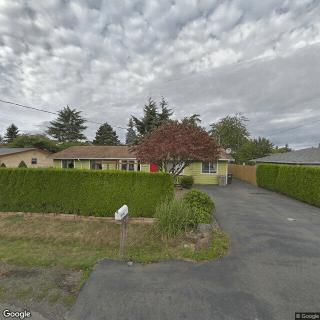
Home Care in Kent Inc.
$3,000 to $3,500 / month20.8 miles away -
from -$500 / mo
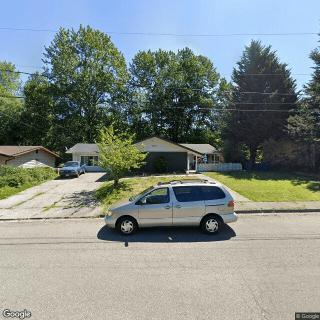
Freedom Care
$2,500 to $3,000 / month16.8 miles away
Overall Review of Houghton’s Lakeview
Pros
 Dee, the owner, is amazing and empathetic.
- This family environment is loved.
- It is an excellent place to care for a loved one who needs help.
Review
Houghton’s Lakeview in Kirkland, WA is best suited for families seeking a warm, intimate, home-like setting where care feels personal and the leadership is hands-on. The community stands out when the priority is a nurturing, family-first atmosphere, with Dee, the owner, described as amazing and empathetic. For a loved one who primarily needs help with daily activities, companionship, and steady, compassionate oversight rather than a clinical, high-traffic environment, this setting delivers the kind of trust and continuity that fosters real comfort and a sense of belonging.
Those weighing alternatives should consider whether a resident demands more formal medical oversight, memory-care specialization, or a larger community with broad programming and staff coverage. If 24/7 skilled nursing, highly structured clinical routines, or a broad array of on-site services are non-negotiable, this small, family-run model may not meet those needs. Families prioritizing extensive rehabilitation services, advanced wound care, or integrated, hospital-like systems should routinely compare options with facilities that explicitly market those capabilities.
The most compelling pros center on leadership and culture. Dee’s empathy and the strongly familial environment translate into highly personalized attention, clear communication, and responsive care that feels tailor-made for each resident. In a setting where staff and caregivers are closely connected to residents’ daily lives, small choices, like mealtime pacing, activity selection, and how the day unfolds, can be adapted quickly. This creates a sense of safety and predictability that is hard to achieve in larger campuses, where residents may disappear into the crowd.
Those advantages offset typical drawbacks associated with small, intimate facilities. The same intimate scale that fosters warmth also reduces bureaucratic red tape and speeds up decision-making, resulting in quicker adjustments when needs shift. Families can observe care decisions more directly, and staff accountability tends to show up in daily interactions rather than through formal reporting. While programming may be more limited in scope than at bigger communities, the depth of relationship and consistency of care often compensate by delivering steadier, more reliable days for residents who value continuity over breadth.
For practical assessment, families should focus on how the daily rhythm and caregiver presence align with their loved one’s needs. In visits, inquire about staffing patterns, the balance between direct resident contact and administrative tasks, and how care plans are reviewed and updated. Ask to see a typical day: meals, activities, transportation for appointments, and social engagement opportunities. Clarify how medication management is handled, what happens if a resident’s condition changes, and how family members are informed about progress. Understanding these dynamics helps determine whether the home-like atmosphere will remain sustainable as needs evolve.
Ultimately, this community excels for families prioritizing empathy, connection, and a hands-on caregiver culture. Houghton’s Lakeview offers a compelling option for those who want to trust a single, empathetic leader to oversee daily life, with a clear sense that residents are valued as family. If that aligns with priorities, personalized attention, meaningful interaction, and a warm, home-like routine, this is a strong, even standout choice. If instead the decision hinges on a demand for extensive clinical services or large-scale programming, it is prudent to explore alternatives that better match those requirements.
 Board and Care Home
 Memory Care
 Private
 Seattle-Tacoma International (18 miles away)

 Comprehensive Insights on the Late Stages of Dementia: What to Expect and How to Provide Care
 Medications Associated with Dementia Risk: A Comprehensive Overview
 Guiding Your Journey: Understanding Power of Attorney for Elderly Parents