
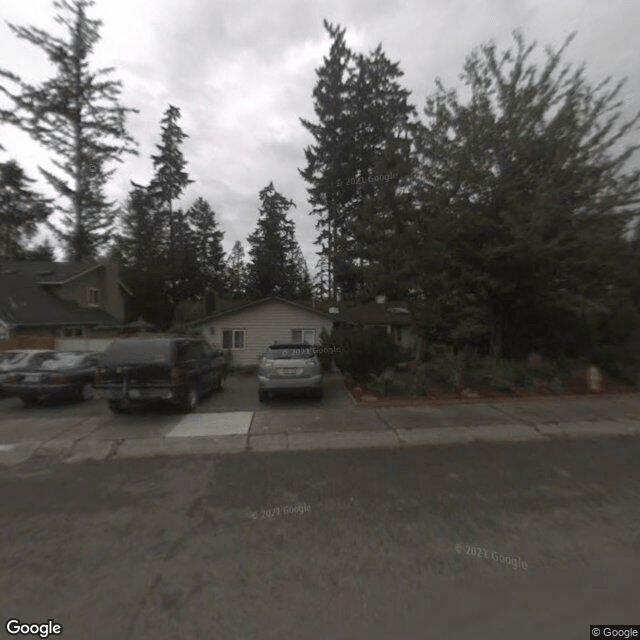
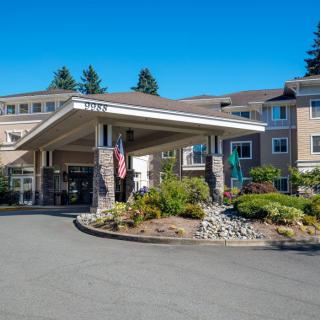
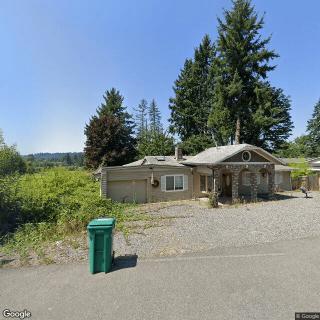
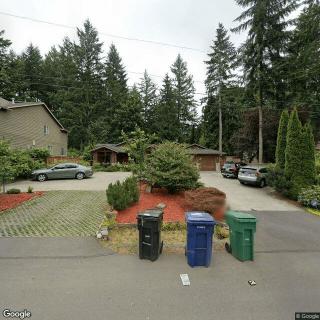
10334 184th Ave. NE, Redmond, WA 98052
To contact a resident: (425) 985-1115
For more information about senior living options: (866) 208-4318
Avondale Heights AFH Costs & Pricing
Avondale Heights Adult Family Home offers a unique pricing structure for its residents, with private and studio room types each priced at $6,000 per month. When we compare these costs to the averages within King County and the broader state of Washington, it's evident that Avondale Heights is positioned at a premium level. In King County, the average cost for a private room stands at $5,034, while studios are more affordable at $4,464. Statewide, those figures drop further to $4,772 for private rooms and $4,126 for studios. This suggests that while Avondale Heights exceeds local and state averages in terms of monthly fees, it likely emphasizes quality care and tailored services that justify this investment.
| Floor plans | Avondale Heights AFH | King County | Washington |
|---|---|---|---|
| Private | $6,000 | $5,034 | $4,774 |
| Studio | $6,000 | $4,464 | $4,128 |
Memory care communities with a similar price nearby
-
from +$500 / mo

The Promised Land
$6,500 / month8.9 miles away -
About the same
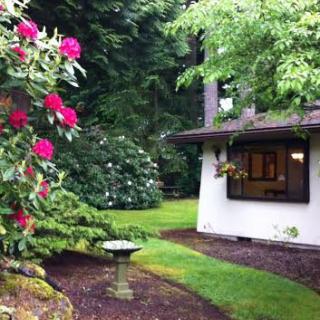
Home Away From Home LLC
$6,000 to $7,000 / month15.5 miles away -
About the same
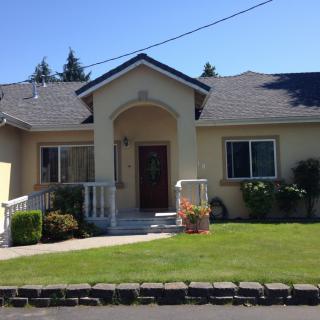
Elderly Home Care
$6,000 to $8,000 / month6.6 miles away -
from -$250 / mo

Fieldstone Rolling Bay and Fieldstone Memory Care
$5,750 to $8,895 / month19.0 miles away -
About the same
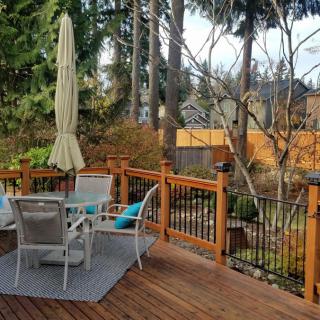
Blue Horizon Adult Family Home
$6,000 to $7,000 / month20.6 miles away
Overall Review of Avondale Heights AFH
Pros
 The home is a wonderful place for patients or their loved ones.
- The staff is professional, personable, and attentive.
- The care, compassion, and communication from the staff are impressive.
- The owners live on site and are available when needed.
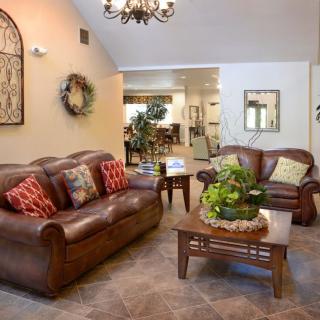
- The home is clean, well cared for, and comfortable with light-filled rooms.
- The outdoor garden provides a welcoming space for residents and visiting families.
- If such care is needed, this facility is an excellent choice.
Review
Avondale Heights AFH in Redmond is best suited for families seeking a warm, intimate, home-like setting for an aging loved one who needs daily assistance and, especially, for those navigating memory impairment or terminal illness care. The setting feels less institutional and more personal, with owners who live on site and staff who are described as professional and personable. The presence of an outdoor garden provides a haven for residents and visiting families, and rooms are kept light, comfortable, and clean, which supports dignity and comfort in daily life. This community trades the breadth of a large campus for the consistency of close, ongoing relationships, making it an ideal match for families who value steady access to caregivers and a predictable routine over wide-ranging programming.
Given these strengths, certain residents should look at alternatives. If a loved one requires round-the-clock skilled nursing, extensive medical equipment, or a calendar packed with specialized therapies and activities, a larger assisted living community or a dedicated memory-care facility may be a better fit. Families seeking highly structured recreational schedules, multiple on-site amenities, or highly regulated staffing to cover every shift might find a bigger campus more aligned with expectations. Likewise, those who prioritize maximum privacy or independence may prefer a setting where residents have more autonomy and a broader array of on-site services at their disposal.
Yet the strongest advantages of Avondale Heights AFH undercut these potential drawbacks. The care team’s professionalism and the personal touch from staff translate into superior day-to-day attention, clear communication, and a sense of safety, especially during challenging health transitions. The owners living on site mean quick responsiveness to concerns and a continuity of leadership that is rare in larger facilities. The garden, light-filled rooms, and the home-like atmosphere reduce agitation and help maintain comfort for residents, including those facing Alzheimer's. The facility’s willingness to work with hospice providers further enhances end-of-life dignity, ensuring comfort, pain control, and family involvement are central to the plan of care.
Alzheimer’s care and end-of-life support emerge as standout strengths from the reviews. Residents in these stages often benefit from familiar faces, predictable routines, and a compassionate, steady caregiving presence. The stories of families feeling supported during the final months and the dedicated staff’s efforts to keep loved ones comfortable suggest a level of relational care that can be difficult to find in larger, more impersonal settings. In practice, this means fewer stressful transitions, more consistent communication about care plans, and a calmer environment where family members can participate in decisions without navigating a maze of administrators.
Prospective families should still verify a few practical details as part of due diligence. Confirm staffing levels and how caregiving tasks are managed across day and night shifts, and inquire how medical coordination works with hospice teams, physicians, and optional therapists. Ask about daily routines, meal service, and how activities are adapted to individual needs, mobility, and memory status. Understand how rooms are assigned, privacy considerations, and what safety measures exist for wandering or fall risk. Finally, consider how often owners and directors are accessible for direct conversations, and whether families can maintain open lines of communication when issues arise.
Overall, Avondale Heights AFH stands out as a principled, hands-on, family-focused option for seniors who want a smaller, warmer environment with exceptional personal attention and strong end-of-life care. It delivers meaningful value for households seeking stability, compassionate caregiving, and a garden-centered, home-like daily life. For those whose loved one’s needs tilt toward broader medical services or a more programmatic schedule, exploring alternatives is prudent. With careful in-person assessments and frank questions about care philosophy, hospice integration, and day-to-day operations, families can determine whether this community aligns with their priorities and their loved one’s comfort.
 Board and Care Home
 Memory Care
 Cats allowed
 Activities off-site
 Devotional services off-site
 Indoor common areas
 Outdoor common areas
 Private
 Private bathrooms
 Respite or short term stays offered
 Wheelchair accessible showers
 Seattle-Tacoma International (20 miles away)
 Diabetic care
 High acuity care
 Incontinence care
 Medication management
 Meals provided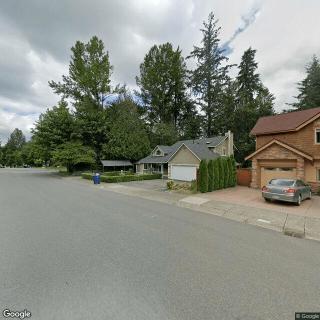

 Memory Care Pathways: A Holistic Guide to Dementia Support
 Comprehending Evening Confusion in Dementia: Causes, Manifestations, and Support
 Delirium and Dementia: Unraveling the Key Differences