
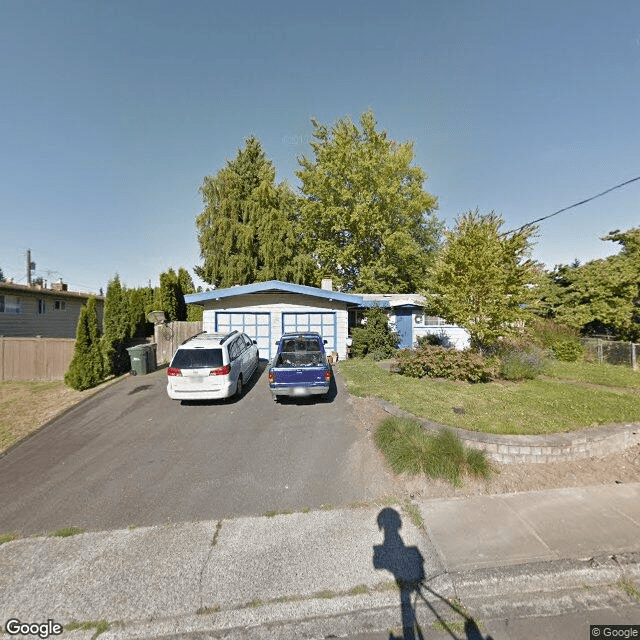
22406 40th Pl W, Mountlake Terrace, WA 98043
To contact a resident: (206) 697-6566
For more information about senior living options: (866) 208-4318
1 Joyful Adult Family Home Costs & Pricing
1 Joyful Adult Family Home offers a range of accommodation options that are competitively priced compared to the broader market in Snohomish County and the state of Washington. For those opting for a semi-private room, the monthly cost is set at $3,500, which presents significant savings against the county's average of $4,320 and the state's average of $4,267. If residents prefer private accommodations, rates range from $5,300 to $6,000 - these rates align closely with the county's average of $4,834 and exceed the state's average of $4,772. For individuals seeking a one-bedroom unit, 1 Joyful Adult Family Home charges $7,000 monthly; while this is higher than both the county average of $5,080 and state average of $4,632, it reflects the premium services and personalized care offered in this community setting. Overall, 1 Joyful Adult Family Home presents a compelling option for
| Floor plans | 1 Joyful Adult Family Home | Snohomish County | Washington |
|---|---|---|---|
| Semi-Private | $3,500 | $4,320 | $4,272 |
| Private | $5,300 to $6,000 | $4,834 | $4,774 |
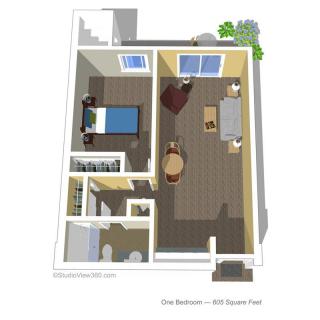
| 1 Bedroom | $7,000 | $5,080 | $4,634 |
Memory care communities with a similar price nearby
-
About the same
Dignity Life
$3,500 / month5.0 miles away -
from -$125 / mo
Evergreen Manor Senior Care Inc
$3,375 to $7,500 / month8.8 miles away -
from -$500 / mo
Caring Adult Family Home #1
$3,000 / month4.7 miles away -
from +$500 / mo

Riverton Home Care
$4,000 to $5,000 / month22.0 miles away -
from +$500 / mo
Gentle Care Home
$4,000 to $5,500 / month24.9 miles away
Overall Review of 1 Joyful Adult Family Home
Pros
 The Joyful team under Ruth’s guidance is kind, communicative, caring, and skilled at addressing his needs.
- The Edmonds home is lovely, with fresh flowers filling the rooms.
- The meals are delicious and nutritious, and Dad really enjoys them.
- Dad is well cared for.
- The owners are very nice.
- They take good care of Grandma, providing good food at the dinner table and opportunities to watch TV together.
Cons
 Our father was extremely weak and somewhat cantankerous when he came under the care of the Joyful team under Ruth’s guidance.
Review
Joyful Adult Family Home in the Mountlake Terrace area is best suited for seniors who want a small, home-like assisted living where caregiving feels personal and every family member is welcomed as part of the story. The setting shines for residents comfortable with intimate staff attention, where leadership by Ruth and her team translates into steady, compassionate care during fragile health periods, including end-of-life moments. In the experiences shared, the caregivers addressed weakness and irritability with patience and skill, and they kept nourishment and daily routines dignified. The home’s atmosphere, fresh flowers, tidy living spaces, and meals described as delicious and nutritious, offers a reassuring backdrop for families seeking warmth and continuity.
As a result, those with high medical complexity or memory-care security needs may want alternatives. The intimate, in-home model does not promise the on-site breadth of clinical staff or therapy options available at larger facilities. If robust rehab, wound care, IVs, round-the-clock nursing, or a highly structured clinical calendar are priorities, exploring a larger AFC, skilled-nursing facility, or dedicated memory-care campus would be prudent. For families whose logistics favor a different geographic footprint or who want a more formal, clinical atmosphere, other options may better meet expectations.
Pros flow from the small size into high-touch, personalized care. Families consistently report a kind, communicative team that adapts quickly to changing needs, with Ruth’s leadership giving a sense of stable, capable oversight. The willingness to involve family members in daily routines and decisions helps reduce isolation and build trust. Food quality is repeatedly highlighted as a standout, meals are nutritious and enjoyed, contributing to daily comfort and dignity. A homey setting with tasteful touches, flowers, familiar living spaces, augments mood and engagement, helping residents feel seen and valued.
Those strengths offset common concerns about care in a small home. The intimate environment means fewer on-site specialists and a less formal activity calendar, but that is balanced by frequent, direct caregiver contact and a transparent approach to care planning. Families should not expect the breadth of services found in large campuses, yet they can count on responsive problem-solving and easy communication when issues arise. The key is clear planning and partnership with outside clinicians and supports as needed to address medical tasks that lie beyond the home’s routine scope.
In practice, the positives, emotional warmth, consistent attention, quality meals, and family inclusion, often compensate for the tradeoffs. The care model supports comfort, dignity, and meaningful connection, which matters most during aging and end-of-life moments. Families who prize a true home setting where staff know their relative well and daily life feels normal rather than clinical will feel confidence choosing this option. Prospective residents should confirm specifics: how staff-to-resident dynamics work, who handles medication management, how care plans are updated, and how families receive timely updates.
Bottom line: Joyful Adult Family Home is an excellent choice for seniors who thrive in a small, compassionate, family-like environment and for families who want to participate actively in daily care. It is less well-suited for residents needing high-level medical protocols, memory-care security, or a full rehab program. For families evaluating options, a visit to meet the team, sample a meal, observe daily interactions, and review care planning will reveal whether this intimate setting aligns with the resident’s needs and the family’s expectations. When the goal is warmth, personalized attention, and sustained dignity, this community delivers credibility and peace of mind.
 Board and Care Home
 Memory Care
 Activities on-site
 Bath tubs
 Beautician on-site
 Indoor common areas
 Outdoor common areas
 Private
 Private bathrooms
 Respite or short term stays offered
 Wheelchair accessible showers
 Seattle-Tacoma International (24 miles away)
 Diabetic care
 Medication management
 Kosher

 A Thorough Discussion of Medications Potentially Linked to Dementia Risk
 Why Do Dementia Patients Sleep So Much? Understanding Oversleeping, Stages, and Care Approaches
 8 Key Indicators That Suggest It May Be Time to Transition from Assisted Living to Skilled Nursing Care