
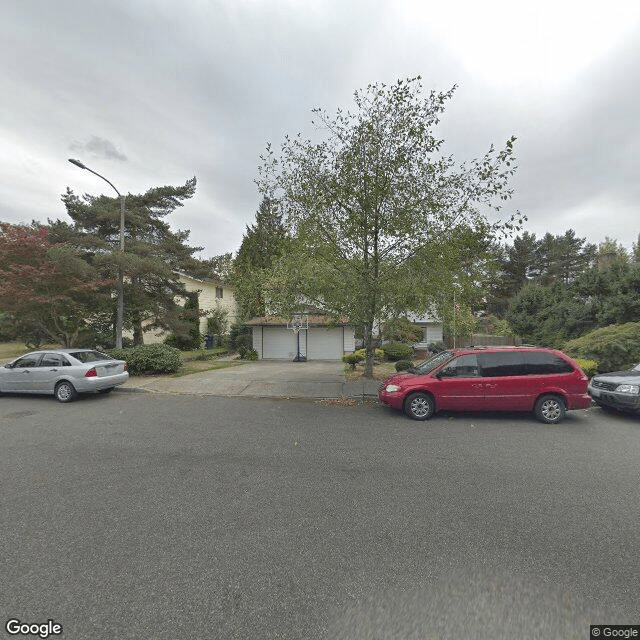
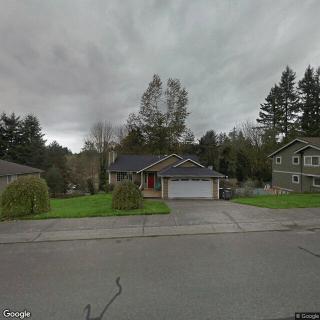
22804 41st Place West, Mountlake Terrace, WA 98043
To contact a resident: (206) 245-3514
For more information about senior living options: (866) 208-4318
Quality Life AFH Costs & Pricing
Quality Life AFH offers competitive pricing for its residents, with semi-private rooms ranging from $3,500 to $7,000 per month. This range is notably lower than the average cost in Snohomish County, which stands at approximately $4,320, and slightly below the statewide average of $4,267 for similar accommodations. For those seeking a private room, Quality Life AFH charges between $4,500 and $7,000 monthly. While this may be higher than the county's average of around $4,834 and the state's average of $4,772, it reflects the personalized care and quality of life that Quality Life AFH strives to provide. Overall, their pricing structure positions them as an appealing option within the regional landscape of assisted living facilities.
| Floor plans | Quality Life AFH | Snohomish County | Washington |
|---|---|---|---|
| Semi-Private | $3,500 to $7,000 | $4,320 | $4,272 |
| Private | $4,500 to $7,000 | $4,834 | $4,774 |
Senior living communities with a similar price nearby
-
About the same
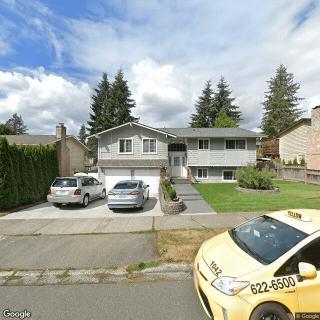
Dignity Life
$3,500 / month5.2 miles away -
from -$125 / mo

Evergreen Manor Senior Care Inc
$3,375 to $7,500 / month8.6 miles away -
from +$500 / mo
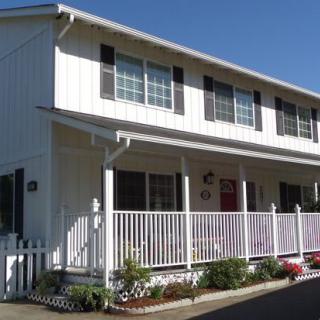
Meadow Crest Senior Home
$4,000 to $6,000 / month20.3 miles away -
from -$500 / mo

Caring Adult Family Home #1
$3,000 / month4.6 miles away -
from +$500 / mo

Riverton Home Care
$4,000 to $5,000 / month21.8 miles away
Overall Review of Quality Life AFH
Pros
 The staff are highly professional, attentive, and genuinely positive, caring and compassionate, treating every resident with dignity, kindness, and respect.
- The home is clean, cozy, and feels like a nurturing, family-like environment.
- The meals are home-cooked, nourishing, and include fresh fruit served after every meal.
- Families are notified and included in healthcare decisions to ensure timely and effective care.
- The facility provides peace of mind, knowing residents are in capable and caring hands.
- The staff feel like a big, loving family, and the care is exemplary.
- The meals offer a variety of delicious options, including vegetarian choices and breakfast favorites.
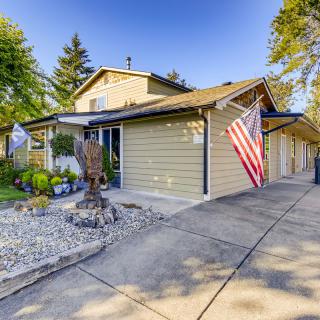
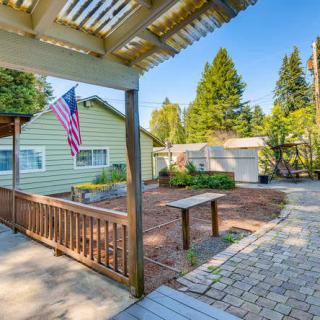
- The environment is small, bright, cheerful, with accessible rooms and a yard to enjoy.
- The staff are gentle, loving, and supportive, especially during transitions to hospice.
- Overall, the care is consistently described as excellent, with families expressing gratitude and high recommendations.
Cons
 The staff did not pay attention to the patient's allergies and served him food he could not have.
- The owner did not feel comfortable accepting him back while the family was in the emergency room, so they had to find another place.
- The owner was not willing to work with hospice.
- The family felt the facility did not respect or work with their input and needs.
- The family initially believed they had made the right choice, but a few incidents proved otherwise.
Review
Quality Life AFH in Mountlake Terrace is best suited for seniors who want a true home-like setting with highly personalized, compassionate care. The community excels for families that prize daily warmth, hands-on attention, and seamless family involvement in medical decisions. It suits residents who thrive in a small, intimate environment where staff can know preferences, routines, and health nuances well enough to tailor meals, activities, and care plans. Those who want to stay close to home and maintain easy, regular contact with caregivers will find the dynamic here particularly reassuring. In short, this is a practical home for someone who prioritizes dignity, consistency, and a family feel over campus-size amenities.
Certain families may want to consider alternatives. The strongest caveat concerns residents who require more formalized, larger-scale oversight, or who bring demanding dietary restrictions that demand iron-clad policy enforcement. A standout warning from a caregiver perspective is the risk that hospital-to-housing transitions or allergy-specific needs may meet resistance if policies feel inflexible at the ownership level. Prospective renters facing strict allergies, complex medical orders, or a need for guaranteed acceptance back after a hospital or hospice step should verify how the home handles such transitions in real time. If a resident’s care requires a broader network of specialists or more standardized protocols, a bigger, more centralized facility could avoid friction.
The core strengths here are substantive and consistently delivered. The staff is described as professional, attentive, and genuinely caring, treating residents with dignity and respect. The environment feels clean, cozy, and home-like, with meals that are home-cooked and nourishing, an important factor for daily well-being and mood. Families regularly note proactive communication, with staff including relatives in healthcare decisions to ensure timely, coordinated care. The intimate setting enables rapid responsiveness, and the option to have hospice or palliative care work in concert with ongoing daily care is a recurring theme in reviews. These positives create a strong offset against the natural limits of a small operation.
As with any small, home-style AFH, there are trade-offs that deserve attention. The most notable con is the potential for rigidity in policy when complex medical or logistical needs arise, as highlighted by one family’s experience with allergy management and post-hospital transitions. The upside is that the same caregivers who forge close relationships can also mobilize rapid, personalized problem-solving when policies align with the resident’s best interests. Families should enter with clear expectations and document specific needs, then confirm with the owners and onsite staff how such situations will be handled in practice. If a resident’s care hinges on strict dietary controls or guaranteed re-admission after hospitalization, this is a non-negotiable item to confirm upfront.
Environment and logistics reinforce the decision to choose Quality Life AFH for many families. The home is small yet bright and well organized, with ground-floor access and a yard that invites gentle activity and fresh air. Private living options exist, with shared bathrooms and walk-in showers that support safety and independence. The focus on three home-style meals daily, hydration, and daily movement coaching is consistently highlighted as a practical support to daily life. The setting naturally promotes a sense of belonging and security; residents are not just cared for but welcomed as members of a caring family. For those prioritizing a calm, manageable routine over flashy programming, this arrangement pays real dividends.
The practical takeaway is clear. Quality Life AFH is a compelling choice for families seeking a warm, individualized, home-centered approach to assisted living, especially when proximity to loved ones and a strong caregiver-to-resident bond matter most. It works best for residents who can thrive in a smaller community where staff know every routine and preference, and where meals, safety, and daily care are treated as a cohesive, family-style operation. Those with significant dietary restrictions, high medical oversight needs, or a requirement for friction-free post-hospital or post-hospice transitions should proceed with targeted questions and careful policy checks. With thorough diligence, this community offers a dependable, nurturing home that many families will value highly.
 Board and Care Home
 Activities off-site
 Beautician on-site
 Devotional services off-site
 Indoor common areas
 Outdoor common areas
 Private
 Private bathrooms
 Respite or short term stays offered
 Wheelchair accessible showers
 Seattle-Tacoma International (24 miles away)
 Diabetic care
 High acuity care
 Incontinence care
 Medication management
 Kosher

 Comprehensive Insights and Practical Strategies to Help Older Adults Avoid Falls
 6 Crucial Ways an Elder Law Attorney Assists Families
 Navigating the Tax Landscape of Caregiving: Credits, Deductions, and Beyond