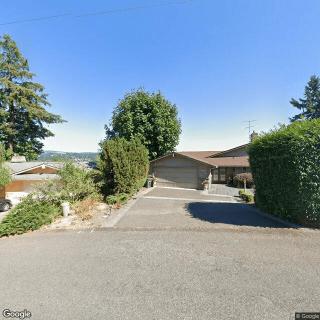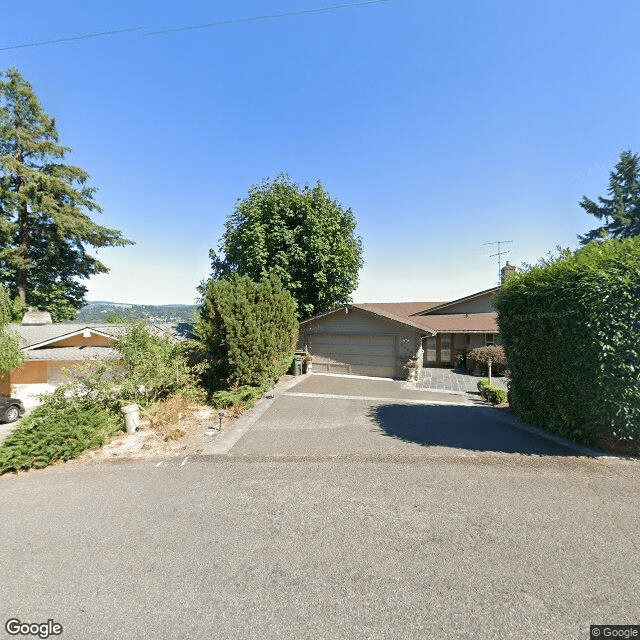
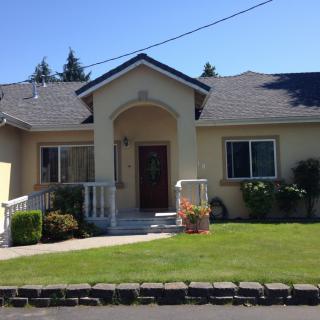
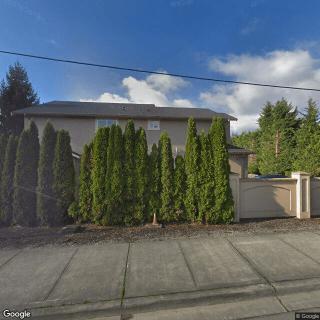
7430 92nd Pl SE, Mercer Island, WA 98040
To contact a resident: (206) 236-5166
For more information about senior living options: (866) 208-4318
Twilight Adult Family Homes Costs & Pricing
Twilight Adult Family Homes offers a variety of accommodation options that reflect a pricing structure above both county and state averages. For semi-private rooms, the monthly cost is $6,000, which exceeds the King County average of $4,430 and significantly surpasses Washington's overall average of $4,267. Likewise, private rooms at Twilight are priced at $8,000, compared to $5,034 in King County and $4,772 across the state. The studio accommodations also carry an equal price tag of $8,000, while the county and state figures are notably lower at $4,464 and $4,126, respectively. This pricing suggests that Twilight Adult Family Homes positions itself within a premium segment of the market, likely reflecting its commitment to quality care and enhanced living conditions for its residents.
| Floor plans | Twilight Adult Family Homes | King County | Washington |
|---|---|---|---|
| Semi-Private | $6,000 | $4,430 | $4,272 |
| Private | $8,000 | $5,034 | $4,774 |
| Studio | $8,000 | $4,464 | $4,128 |
Memory care communities with a similar price nearby
-
from +$500 / mo
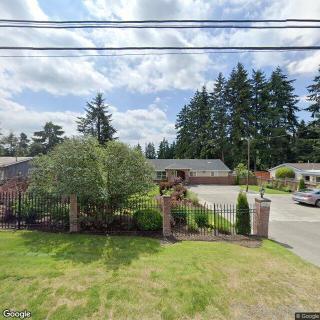
The Promised Land
$6,500 / month16.9 miles away -
About the same
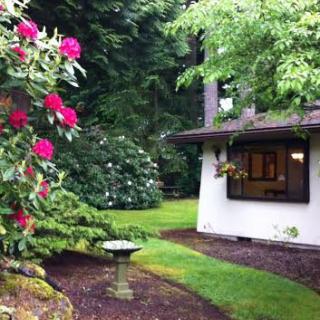
Home Away From Home LLC
$6,000 to $7,000 / month22.9 miles away -
About the same
Elderly Home Care
$6,000 to $8,000 / month13.9 miles away -
from -$250 / mo
Fieldstone Rolling Bay and Fieldstone Memory Care
$5,750 to $8,895 / month15.9 miles away -
from -$500 / mo

Twin Lake Adult Family Home
$5,500 to $6,500 / month17.6 miles away
Overall Review of Twilight Adult Family Homes
Pros
 The staff at Twilight Adult Home are terrific, very polite, and very helpful.
- They make residents feel at home with a caring and loving atmosphere.
- The care environment is supportive for elderly residents with significant needs, such as blindness and hearing loss.
- Family members describe Twilight as a place with a caring and loving atmosphere.
Review
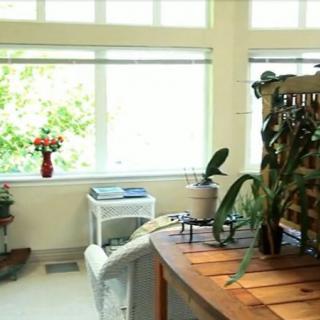
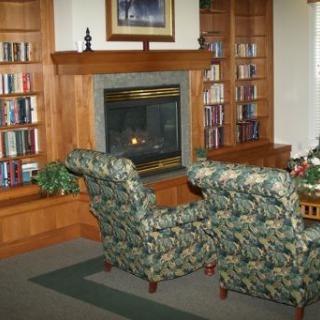
Twilight Adult Family Homes on Mercer Island is best suited for families seeking a compact, home-like setting where an attentive, intimate staff can deliver highly personalized care for an elderly loved one who values warmth, daily companionship, and a predictable routine. The resident profile suggested by the accounts, someone in their nineties, with sensory challenges, who benefits from courteous, patient support, fits this culture remarkably well. In this environment, residents often feel more at ease and truly at home, a contrast that matters deeply for seniors who respond best to personal attention, steady rhythms, and a familiar, family-like atmosphere.
However, this setting is not for everyone. Residents who require around-the-clock skilled nursing, aggressive medical oversight, or specialized memory-care programming may want alternatives. The intimate family-home model typically has fewer on-site medical resources than larger communities, so it’s essential to confirm how medications, falls management, wound care, and transfer protocols are handled to prevent gaps. If safety demands extensive monitoring or if the care plan envisions formal dementia care with structured activities, exploring other options could prevent frustration down the line.
From the available feedback, the core strengths lie in staff excellence and the atmosphere. Staff are described as terrific, polite, and helpful, delivering a level of attentiveness that makes a elderly resident feel valued and supported. The care team cultivates a caring, loving vibe that translates into tangible comfort for someone who is visually impaired and hard of hearing. These advantages directly address the stress points most frail elders face, loneliness, confusion, and anxiety, and they help offset the limitations that naturally accompany a smaller operation with fewer clinical resources.
That intimate, home-like environment also translates into practical benefits. With a small group and consistent caregivers, communication becomes effortless, routines stay predictable, and staff can respond quickly to everyday needs. The sense of being “at home” supports emotional well-being and preserves dignity in daily life. Yet the same strengths can reveal potential trade-offs: the pace and breadth of social programming or medical services may not match larger assisted living communities. Prospective residents should verify the daily schedule, available activities, and any specialized therapies to ensure expectations align with reality.
To move from impression to decision, prospective families should ask direct questions: What is the staff-to-resident ratio on evenings and weekends? How are medications administered and reviewed? Who coordinates with external doctors, and what chronic-care services are available on-site? What happens if a resident develops an acute medical issue or needs more assistance than the home can safely provide? Understanding licensing, safety measures, and transparency around costs will also prevent surprises and mismatches between promises and daily experience.
Ultimately, Twilight Adult Family Homes presents an exceptionally strong fit for families prioritizing a humane, attentive, home-like setting for a highly dependent elderly relative who responds positively to personal warmth and consistent caregiver relationships. The standout advantage, the atmosphere of care and belonging, can offset the absence of a large medical footprint when the care plan stays within the home’s capabilities. For residents needing intensive skilled nursing, complex memory-care programming, or institution-like activity calendars, alternatives should be pursued. A personal visit is the decisive next step: observe interactions, tour the space, and test whether the rhythm, tone, and level of support align with the resident’s needs and the family’s expectations.
 Board and Care Home
 Memory Care
 Activities off-site
 Beautician on-site
 Devotional services off-site
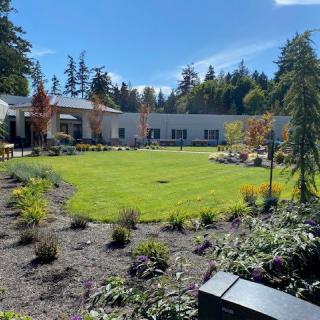
 Indoor common areas
 Outdoor common areas
 Private
 Private bathrooms
 Respite or short term stays offered
 Wheelchair accessible showers
 Seattle-Tacoma International (7 miles away)
 Diabetic care
 High acuity care
 Incontinence care
 Medication management
 Meals provided
 A Holistic Dementia Care Guide: Effective Strategies for Memory Support
 Memory Care Pathways: A Holistic Guide to Dementia Support
 Comprehending Evening Confusion in Dementia: Causes, Manifestations, and Support