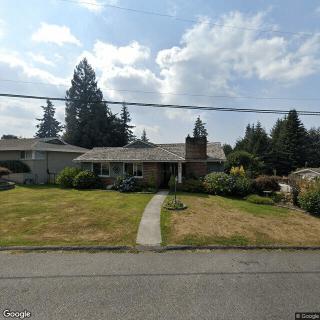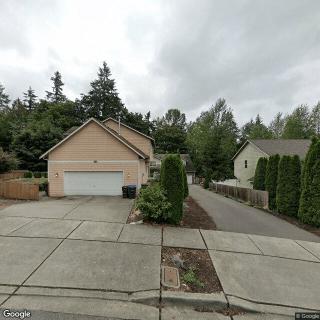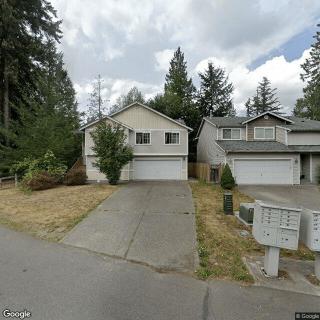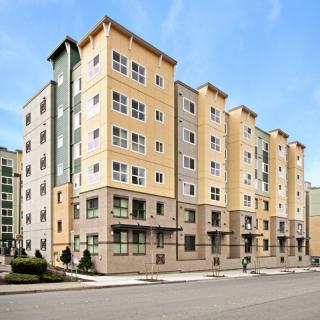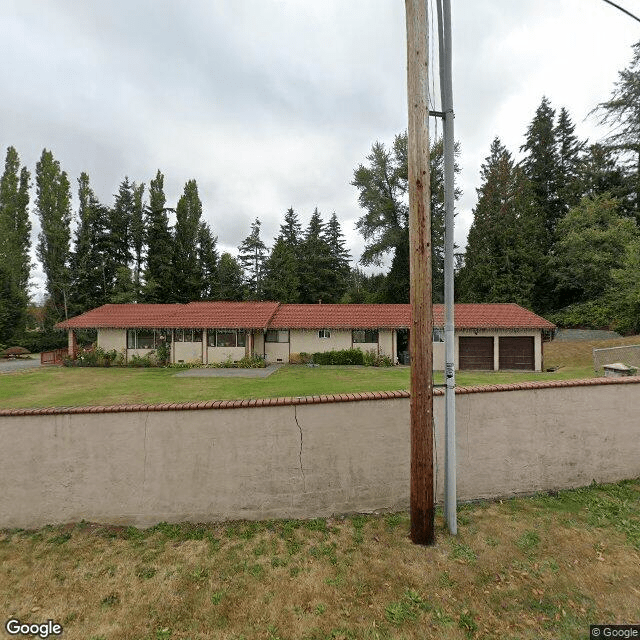
Maple Villa AFH

Save
Maple Villa AFH

Maple Villa AFH

1723 Maple Road, Lynnwood, WA 98037

For more information about senior living options: (844) 490-3973

3 from 2 reviews
Board and Care Home Memory Care

Maple Villa AFH Costs & Pricing

Maple Villa AFH offers competitive pricing for its various room types, with monthly costs that reflect the quality of care and services provided. For a semi-private room, residents can expect to pay $5,000, which is slightly higher than the average in Snohomish County at $4,320 and the state average of $4,267. Similarly, a private room at Maple Villa is priced at $5,500 - above both the county's average of $4,834 and Washington's average of $4,772. Lastly, the one-bedroom option is also set at $5,500, which exceeds the county's average of $5,080 while remaining below Washington's state-wide average of $4,632. Overall, while Maple Villa AFH may be positioned above local and state averages across all categories, this pricing reflects its commitment to providing a superior level of care and comfortable living arrangements for its residents.

Floor plansMaple Villa AFHSnohomish CountyWashington
Semi-Private$5,000$4,320$4,272
Private$5,500$4,834$4,774
1 Bedroom$5,500$5,080$4,634

Overall Review of Maple Villa AFH

Pros

  • pro Rebeca and her team treat residents with compassion, tenderness and dignity.
  • pro The quality of care is exceptional.

Cons

  • pro The communication between owner, staff, resident, family, and providers was difficult.
  • pro The care she received was at the absolute bare minimum.
  • pro Very little time was devoted to engaging her and stimulating her mind.
  • pro They quickly realized they needed to find alternative care for her aunt.

Review

One thread running through these reflections is a strong appreciation for care that feels human and respectful. In one account, Rebeca and her team are described as treating residents with compassion, tenderness, and dignity, with care qualities that are described as exceptional. The tone is warm and grateful, culminating in a simple, heartfelt thank you to Rebeca. This perspective portrays a caregiving environment where patience, kindness, and a high standard of service are evident in daily interactions and routines.

The reviewer who shared this positive view emphasizes not only the presence of empathy but also the overall quality of care. The words used suggest a standard of nursing and support that goes beyond routine tasks, highlighting a sense that residents are seen as individuals deserving respect and attentive presence. This account paints a picture of a facility where the atmosphere and the approach of staff align with an ideal of humane, dignified care, and where gratitude toward the leadership and caregiving team feels sincere and lasting.

In contrast, another account centers on a more challenging experience with a family member who stayed at the same place for about ten weeks. This reviewer notes that the aunt was the first and only resident during that period, a detail that underscores an unusual operating context and perhaps a fragile routine. The narrative shifts from praise to critique, inviting consideration of how quickly and deeply experiences at a facility can diverge depending on circumstances and oversight.

A critical aspect highlighted by the second reviewer concerns communication. They describe the relationship between owner, staff, resident, family, and providers as difficult, suggesting breakdowns that can hinder understanding, planning, and coordinated care. Such communication gaps can impede timely decision-making and obscure expectations for both the resident's well-being and the family's involvement in care decisions. This part of the account raises questions about how information is shared, who is kept in the loop, and how concerns are escalated and resolved.

Further, the critique emphasizes the level of care actually delivered. The reviewer characterizes the care as what they would "expect at the absolute bare minimum," indicating that basic needs may have been met, but there was little beyond that. They point to a lack of meaningful engagement, noting that "very little time was devoted to engaging my aunt and stimulating her mind." This description contrasts sharply with the warmth and attentiveness praised in the other account, highlighting a deficiency in activities, stimulation, and cognitive engagement that can be crucial for a resident's quality of life.

The conclusion of this experience is resolute: given the combination of communication difficulties and the perceived minimal care, the family concluded promptly that alternative care was necessary. The statement, "We knew quickly that we needed to find alternative care for my aunt," conveys a decisive response to an unsatisfactory situation. It underscores the impact that day-to-day interactions and proactive, attentive care can have on family trust and the stewardship of a resident's wellbeing.

Together, these two perspectives sketch a facility capable of remarkable warmth and exceptional care, yet also susceptible to significant gaps in communication and engagement that can deeply affect a resident's experience. The positive account celebrates what compassionate, dignified care can look like when leadership and staff align around residents' needs. The negative account serves as a cautionary note about how quickly systems can falter without clear communication channels, proactive engagement, and consistent, individualized attention.

For families and caregivers navigating such environments, these narratives reinforce the importance of transparent, open lines of communication among owners, staff, residents, families, and providers. They also underscore the value of ongoing cognitive and social engagement for residents, as well as the need for governance and staffing practices that maintain a standard of care that is both humane and actively supportive. When these elements align, the care experience can be truly exceptional; when they don't, the consequences for residents and their loved ones can be profound.

Features

Types of Care

  • Board and Care Home Board and Care HomeBoard and care homes provide a smaller, more intimate setting for seniors who require assistance with daily tasks but do not need the level of care offered by a nursing home. They offer personalized care, meals, and social activities in a homelike environment, ensuring that seniors receive individualized attention and support in their golden years.
  • Memory Care Memory CareMemory care is crucial for seniors as it provides specialized support and services for individuals with dementia or Alzheimer's disease. These programs offer a safe and secure environment where residents receive personalized care, cognitive stimulation, and help with daily activities. Memory care helps seniors maintain their independence, quality of life, and dignity while also providing peace of mind for their families.

Amenities

  • Activities off-site Activities off-siteEngaging in off-site activities is crucial for seniors to maintain social connections, stay active, and stimulate their minds. It promotes overall well-being and helps combat feelings of isolation and loneliness.
  • Activities on-site Activities on-siteActivities on-site are important for seniors because they provide opportunities for socialization, mental stimulation, physical activity, and overall well-being. Engaging in activities can help seniors stay active, maintain their independence, and improve their quality of life.
  • Bath tubs Bath tubsBath tubs are important for seniors because they provide a safe and relaxing way to bathe, helping to prevent slips and falls while promoting independence and overall well-being.
  • Beautician on-site Beautician on-siteHaving a beautician on-site at a senior living community is important for seniors as it allows them to easily access grooming and personal care services, boosting their self-esteem and overall well-being. It also provides convenience and helps seniors maintain their sense of independence and personal style.
  • Devotional services off-site Devotional services off-siteDevotional services off-site are important for seniors as they provide spiritual nourishment, social engagement, and a sense of community outside of the senior living facility. This can enhance overall well-being and help combat feelings of isolation and loneliness often experienced by older adults.
  • Devotional services on-site Devotional services on-siteDevotional services on-site provide seniors with spiritual support and a sense of community, as well as an opportunity for reflection and guidance during their senior living experience. This can promote emotional well-being and connection to others, leading to a more fulfilling and enriching lifestyle in their later years.
  • Indoor common areas Indoor common areasIndoor common areas are crucial for seniors as they provide a space for socialization, recreation, and community engagement, promoting overall well-being and reducing feelings of isolation and loneliness.
  • Outdoor common areas Outdoor common areasOutdoor common areas are important for seniors as they provide a space for socialization, physical activity, and relaxation. Being outside in nature can improve mood and overall well-being, while also encouraging movement and engagement with others. These spaces can help combat feelings of isolation and promote a sense of community among residents.
  • Private PrivatePrivacy is important for seniors as it allows them to maintain their independence, dignity, and sense of control over their own lives. It also gives them the space and freedom to relax, reflect, and engage in activities that bring them joy and fulfillment. Creating private spaces within senior living facilities is crucial for promoting overall well-being and quality of life.
  • Private bathrooms Private bathroomsPrivate bathrooms are important for seniors in senior living communities because they provide independence, dignity, and comfort. Having a private bathroom allows seniors to maintain their personal hygiene routines without the need for assistance, promoting a sense of autonomy and privacy. Additionally, private bathrooms help prevent the spread of infections and provide a safe and clean environment for seniors to navigate safely.
  • Wheelchair accessible showers Wheelchair accessible showersWheelchair accessible showers are crucial for seniors as they provide a safe and independent bathing option for those with mobility challenges. These showers help prevent falls and allow seniors to maintain their dignity and autonomy while ensuring they can bathe comfortably.

Care Services

  • Diabetic care Diabetic careDiabetic care is crucial for seniors as they are more susceptible to developing diabetes due to aging and other health conditions. Proper management of diabetes can help prevent complications such as heart disease, vision loss, and nerve damage, improving the overall quality of life for seniors in senior living communities.
  • High acuity care High acuity careHigh acuity care is important for seniors because it provides specialized medical attention and support for individuals with complex medical needs. This level of care ensures that seniors receive the appropriate treatment and assistance to maintain their health and quality of life as they age.
  • Incontinence care Incontinence careIncontinence care is essential for seniors to maintain their dignity, hygiene, and overall quality of life. By addressing incontinence issues promptly and effectively, seniors can enjoy a sense of independence and comfort in their daily activities.
  • Medication management Medication managementMedication management is crucial for seniors to ensure they are taking the right medications at the correct dosages and times. This helps prevent adverse drug interactions, reduces the risk of medication errors, and promotes overall health and well-being. Proactive management also allows for adjustments as needed based on changing health conditions or new prescriptions.

Dining

  • Kosher KosherKosher options are important for seniors because they adhere to dietary laws that are significant to many Jewish individuals, providing them with peace of mind and an opportunity to maintain their cultural traditions and beliefs while living in a senior living community.
  • Meals provided Meals provided"Meals provided" are crucial for seniors in assisted living communities as it ensures they have access to nutritious, balanced meals without the stress of meal planning and preparation. This can help promote overall health and well-being for seniors who may have limited mobility or cognitive abilities.
  • Vegetarian VegetarianA vegetarian diet is important for seniors because it can help lower the risk of chronic diseases, maintain a healthy weight, and provide essential nutrients needed for aging bodies. Additionally, plant-based diets are often easier on digestive systems and can contribute to overall well-being in older adults.

Activities

  • Activities off-site Activities off-siteEngaging in off-site activities is crucial for seniors to maintain social connections, stay active, and stimulate their minds. It promotes overall well-being and helps combat feelings of isolation and loneliness.
  • Activities on-site Activities on-siteActivities on-site are important for seniors because they provide opportunities for socialization, mental stimulation, physical activity, and overall well-being. Engaging in activities can help seniors stay active, maintain their independence, and improve their quality of life.
  • Devotional activities offsite Devotional activities offsiteDevotional activities offsite are important for seniors because they provide social engagement, spiritual growth, and a sense of community outside of their living environment. This can improve overall well-being, mental health, and combat feelings of isolation or loneliness.
  • Devotional activities on-site Devotional activities on-siteDevotional activities on-site provide seniors with a sense of community, spiritual fulfillment, and emotional support, promoting overall well-being and a positive sense of purpose in their lives.

Description

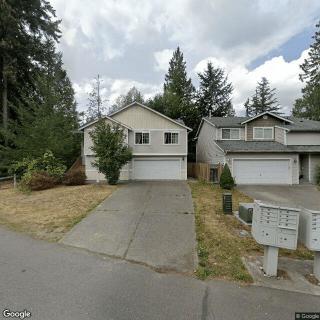
Maple Villa AFH is an assisted living community located in the charming city of Lynnwood, WA. Our community specializes in providing top-notch memory care services for seniors in a safe and comfortable environment.

At Maple Villa AFH, we understand the unique needs of individuals with memory impairments, and our dedicated staff is trained to provide high acuity care to ensure each resident's well-being. We also offer specialized services such as incontinence care and medication management to meet the specific needs of our residents.

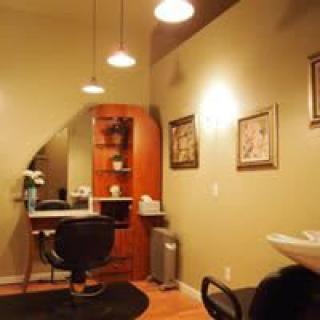
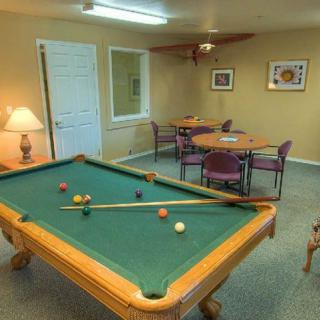
Our residents enjoy a wide range of amenities designed to enhance their daily lives. They can participate in various activities on-site, allowing them to stay engaged and socialize with fellow residents. Those who wish to pamper themselves can take advantage of our beautician services. For spiritual nourishment, we offer both on-site and off-site devotional services.

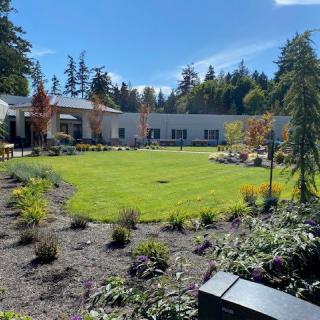
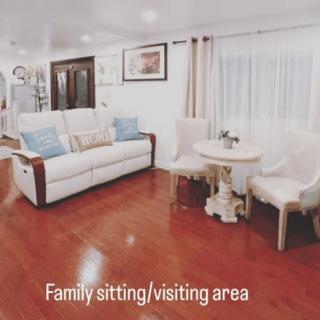
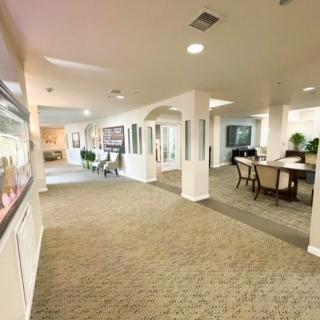
Maple Villa AFH features inviting indoor common areas where residents can gather, relax, or engage in communal activities. Additionally, our outdoor common areas provide a tranquil space for residents to enjoy nature and fresh air. Our accommodation options are private and feature private bathrooms for added comfort and convenience. The showers are wheelchair accessible for ease of use.

We pride ourselves on providing nutritious meals for our residents, accommodating different dietary preferences such as vegetarian options. This ensures that each resident receives well-balanced meals that meet their nutritional needs.

Beyond our community's boundaries, you will find plenty of conveniences nearby. With eight cafes, 15 restaurants, and 20 pharmacies in close proximity, residents have easy access to dining options and necessary supplies. There are also five parks nearby where residents can enjoy leisurely walks or picnics. In case of any medical needs, three physicians and one hospital are conveniently located nearby.

To facilitate transportation around the area or visits to places of worship or theaters, there is a transportation service available nearby.

At Maple Villa AFH, we strive to create a warm and supportive environment for our residents, providing them with the care and amenities they need to live a fulfilling life. Come experience the difference at Maple Villa AFH in Lynnwood, WA.

Nearby Places of Interest

This part of Lynnwood, Washington offers a convenient and accessible location with a variety of amenities nearby. There are several pharmacies within a short distance, making it easy to access necessary medications. Additionally, there are numerous cafes and restaurants in the area for dining options. For entertainment, there are theaters and parks nearby for leisurely activities. In terms of healthcare, there are several physicians' offices and hospitals available for medical needs. Places of worship are also within close proximity for spiritual support. Overall, this area provides a well-rounded community with essential services and recreational opportunities for seniors considering senior living in Lynnwood.

Pharmacies

  • CVS Pharmacy (0.5 miles)
  • Walgreens (1 miles)
  • Bartell Drugs (1.2 miles)
  • QFC Pharmacy (1.9 miles)
  • Walgreens (1.9 miles)
  • Bartell Drugs (2 miles)
  • Rite Aid (2 miles)

Cafes

  • Starbucks (0.9 miles)
  • Starbucks (1.8 miles)
  • Tazza Di Vita Espresso Stand (2.2 miles)
  • Starbucks (3.2 miles)
  • Crystal Creek Cafe (3.6 miles)
  • Starbucks (3.8 miles)
  • Woods Coffee (4.3 miles)

Restaurants

  • Blazing Onion Burger Company (1 miles)
  • Chick-Fil-A (1.4 miles)
  • Fusion India (2.2 miles)
  • Yeh Yeh's Sandwiches (3.2 miles)
  • McDonald's (3.2 miles)
  • Taco Bell (3.2 miles)
  • McDonald's (3.4 miles)

Theaters

  • AMC Alderwood Mall 16 (1.1 miles)
  • Regal Everett & RPX (5.4 miles)

Parks

  • Lynndale Park (1.4 miles)
  • Meadowdale County Park (3.1 miles)
  • Tambark Creek Park (3.5 miles)
  • High Trek Adventures (3.8 miles)
  • Lake Ballinger Park (4.7 miles)
  • Log Boom Park (5.5 miles)
  • Echo Lake Park (5.9 miles)

Transportation

  • U-Haul Moving & Storage (2.3 miles)
  • Snohomish County Airport (PAE) (5 miles)
  • The Boeing Company (6.1 miles)

Physicians

  • Providence Medical Center (3.8 miles)
  • Dr Z Pulmonary and Sleep Specialist (3.9 miles)
  • Everett Clinic (4.8 miles)
  • Northwest Asthma & Allergy Center (5.2 miles)
  • Lakeshore Clinic (5.6 miles)
  • Bellevue Vision Clinic (7.1 miles)

Places of Worship

  • Hindu Temple & Cultural Center (4.1 miles)

Hospitals

  • Swedish Medical Center (4.3 miles)

Frequently Asked Questions

How much does it cost to live at Maple Villa AFH in Lynnwood, WA?
Where is Maple Villa AFH?
Does Maple Villa AFH provide care for residents with dementia or Alzheimer's disease?

Nearby Communities

Related Resources

  • dementia stagesUnderstanding Dementia Through Its Seven Stages: A Comprehensive Look at Progression and Expectations
    Dementia encompasses a range of cognitive impairments characterized by types such as Alzheimer's and vascular dementia, and follows a seven-stage progression model known as the Global Deterioration Scale (GDS), highlighting varying symptoms and decline timelines. Early detection allows for lifestyle adjustments to potentially slow progression, while caregivers need support and resources to manage the challenges involved in caring for affected individuals.

  • dementia careA Holistic Dementia Care Guide: Effective Strategies for Memory Support

    The guide on holistic dementia care outlines the complexity of dementia and stresses the need for individualized caregiver strategies that include medical treatment, psychological support, and environmental adaptations, while emphasizing early detection, various therapeutic options, and caregiver support to enhance quality of life and maintain dignity.

  • activities of daily livingComprehensive Insights into Activities of Daily Living (ADLs) and Their Assessment

    Activities of Daily Living (ADLs) are fundamental tasks vital for an individual's independence, particularly in older adults over 85, and include functions like bathing and dressing; assessing ADLs alongside Instrumental Activities of Daily Living (IADLs) helps determine the level of required assistance due to age-related health challenges. Tailored support plans, involving family and community resources, are essential for maintaining dignity and autonomy in assisted living environments.