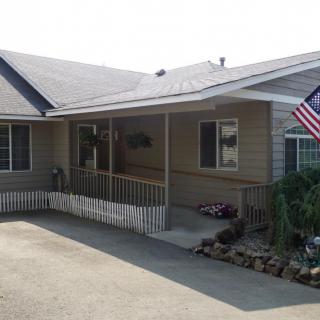
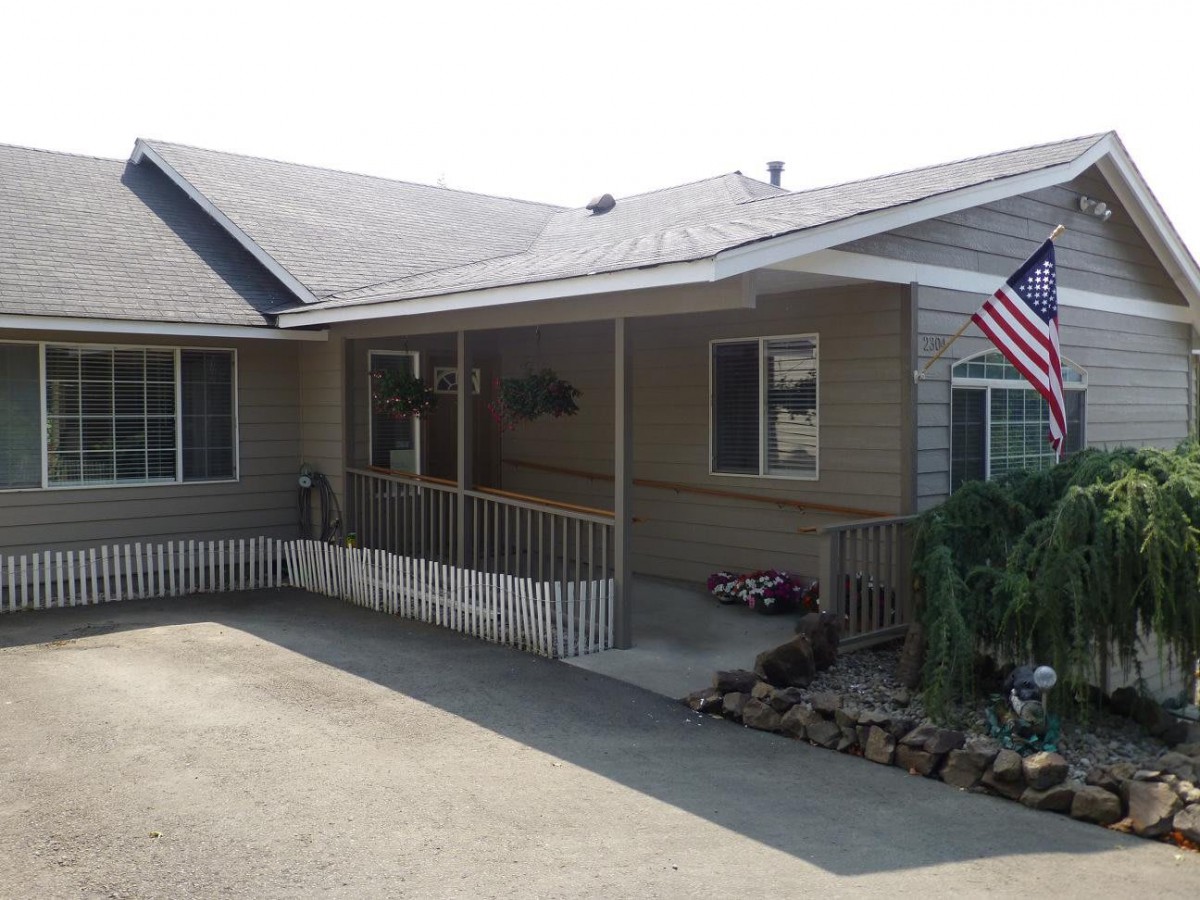
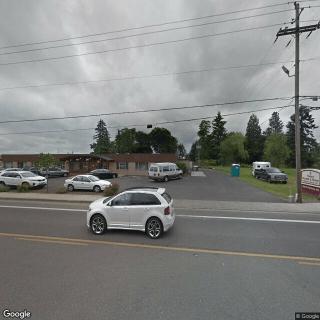
2306 W Castleman St, Longview, WA 98632
To contact a resident: (360) 431-3335
For more information about senior living options: (866) 208-4318
Lafountaine Senior Homes Costs & Pricing
Lafountaine Senior Homes offers a consistent pricing structure, with both private and studio rooms priced at $5,000 per month. This rate stands in contrast to the averages for Wahkiakum County and the broader state of Washington. In Wahkiakum County, private room costs are notably lower at $4,398, while studio apartments are available for even less at $3,238. When compared to state averages, Lafountaine's pricing still exceeds the typical costs for private rooms ($4,772) and studios ($4,126) across Washington. This positioning suggests that Lafountaine may provide unique amenities or services that justify their higher rates, appealing to families seeking quality care in a supportive environment.
| Floor plans | Lafountaine Senior Homes | Wahkiakum County | Washington |
|---|---|---|---|
| Private | $5,000 | $4,398 | $4,774 |
| Studio | $5,000 | $3,238 | $4,128 |
Overall Review of Lafountaine Senior Homes
Pros
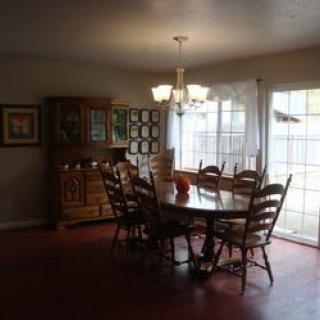
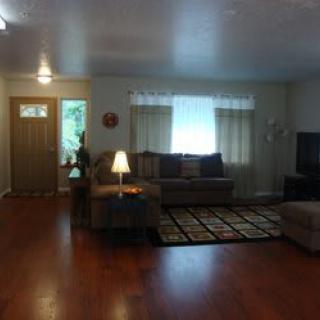
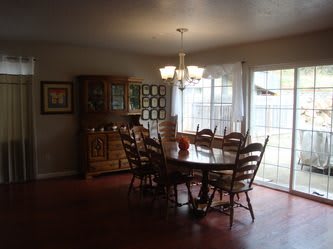
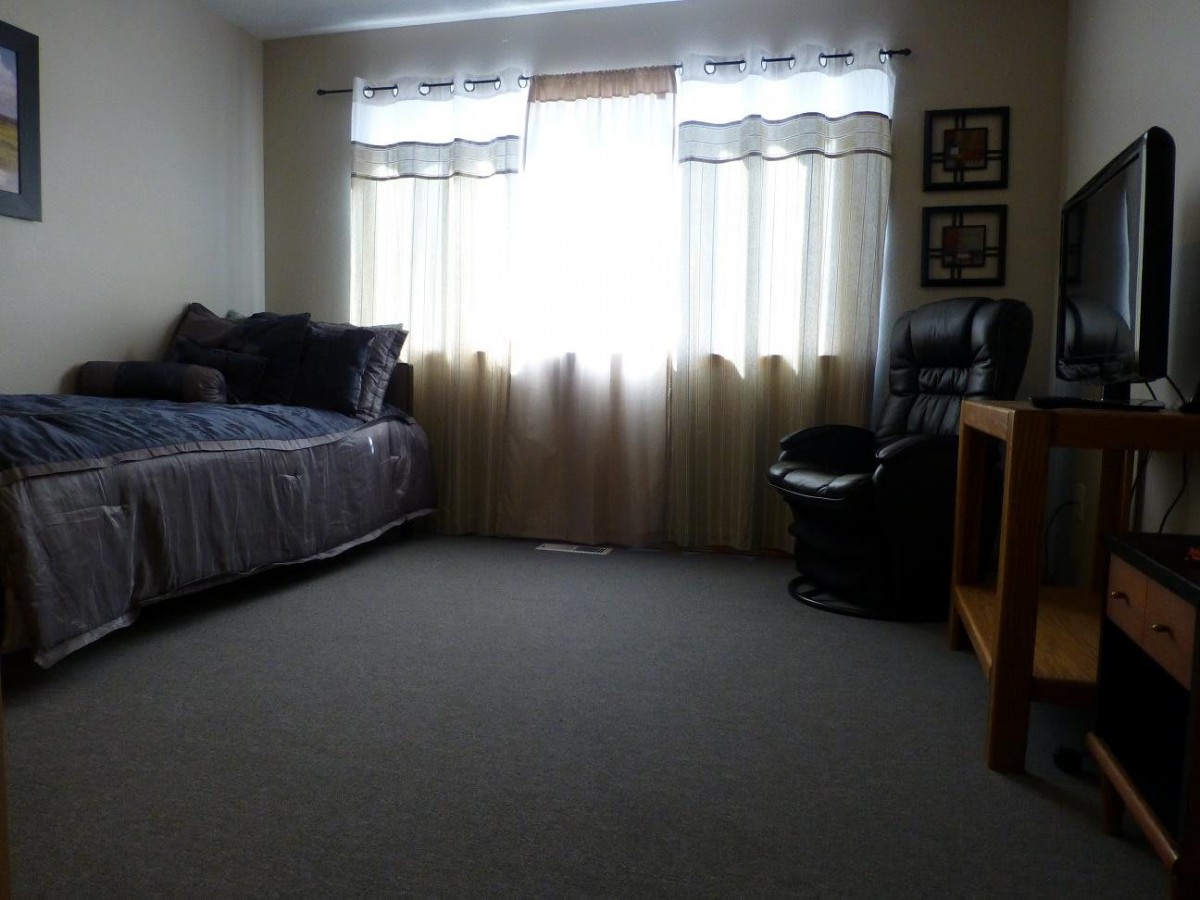
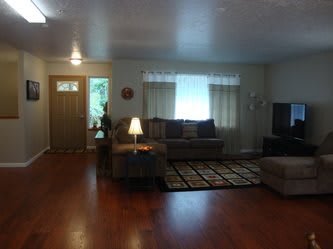
 The facility is inviting and feels like a home.
- The owner is kind, knowledgeable, and helpful.
- The caregivers take very good care of residents and call family when needed.
- The meals provided are very good.
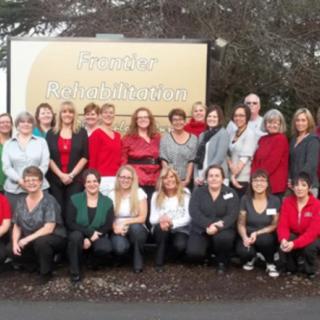
- The staff are welcoming to visitors and greet families by name.
- The environment is warm and home-like.
- The care provided is phenomenal and is complemented by additional support when needed.
- The community is very clean.
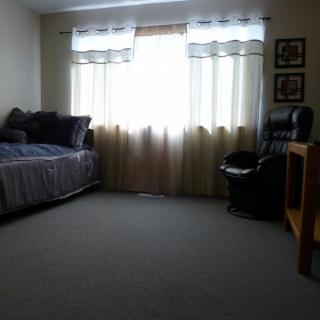
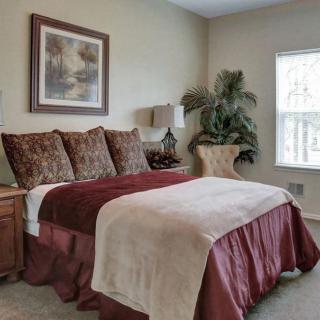
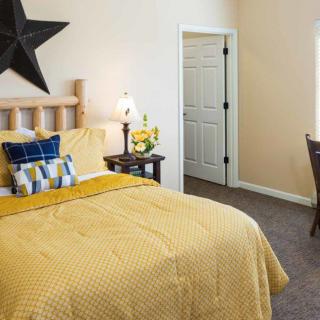
- The rooms are large, beautiful, and comfortable.
- The care team is loving and attentive, delivering care with dignity.
Cons
 The owner never paid them for training one night.
- The owner knew what she did and did not care enough to rectify the situation.
- They warned against bringing anyone there.
- It was a horrible place.
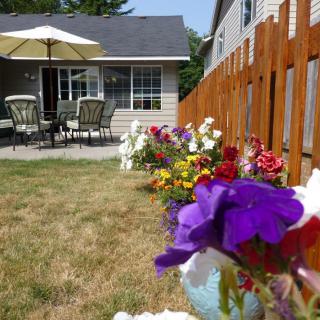
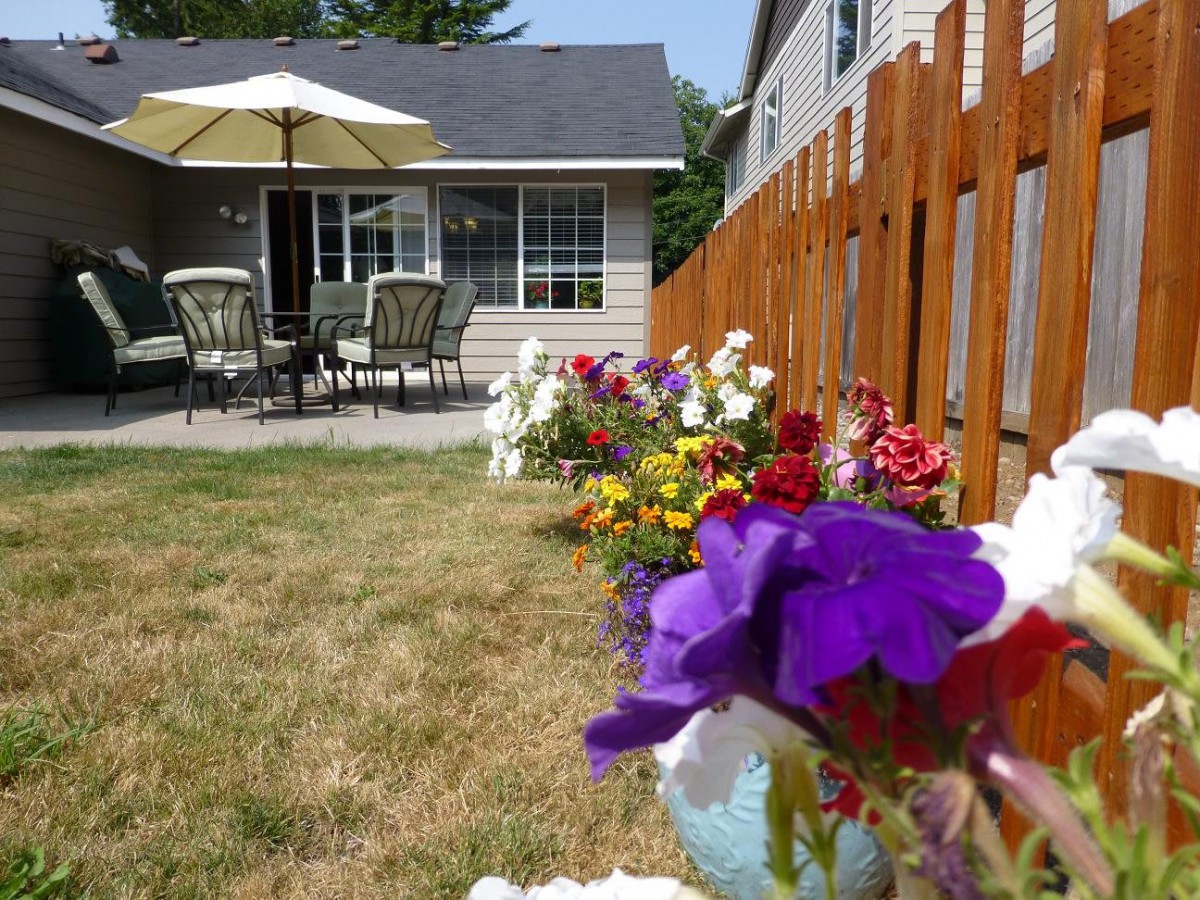
- The facility lacked an outdoor area for residents to go outside.
- It was not what they wanted.
Review
Lafountaine Senior Homes in Longview is best suited for families seeking a warm, home-like environment where caregiving is intensely personal and staff know residents by name. This community thrives when love, dignity, and daily, hands-on attention are prioritized, and where family involvement is welcomed as part of the care plan. It can be a particularly good fit for seniors who value intimate settings over institutional scale and who are comfortable with a smaller operation that emphasizes relationship-based care. Those who want extensive outdoor amenities or highly standardized corporate processes, however, should look elsewhere.
The strongest positives center on atmosphere and direct care. Reviews consistently describe a welcoming, homey feel inside a setting that avoids the cold, impersonal tone of larger facilities. Families highlight attentive caregivers who communicate regularly when a loved one is sick or needs assistance, and they point to meals that are genuinely satisfying. The care teams are praised for stepping in at late hours or during declines, and hospice involvement is noted as part of maintaining a high level of support when needed. Perhaps most compelling are the narratives of staff greeting visitors by name, and of a culture that treats residents with warmth and respect, including thoughtful gatherings that bring families into the rhythm of daily life.
Yet, the community carries clear cautions that families must weigh. A portion of reviews drips with concerns about administration and accountability, including a claim about an unpaid training arrangement and the perception of shady handling of finances. These critiques underscore a reality: in a smaller, owner-involved setting, operational consistency and transparent financial practices may vary. Additional feedback references a lack of certain amenities, such as outdoor space on the tour, suggesting the physical footprint may not suit residents who require ready outdoor access or more expansive activity areas. The unevenness in sentiment, some families calling the care phenomenal, others labeling the facility “horrible”, signals that experiences can be highly individualized.
Those dynamics matter when balancing pros and cons. The warmth and responsiveness of caregivers and the home-like routines can offset a lot of anxiety for families who want to minimize the institutional feel and maximize meaningful daily engagement. The ability to involve the family, celebrate with large gatherings, and rely on staff to stay closely connected about a loved one’s condition are meaningful advantages. At the same time, the potential for administrative friction or perceived financial uncertainty cannot be ignored. For families navigating multiple transitions, moving a loved one from a less satisfying environment, coordinating hospice, and coordinating visits, these factors can either be navigated with close oversight or become a source of ongoing stress.
Given these dynamics, alternatives are worth considering for those whose criteria lean toward stronger governance controls or broader outdoor or activity options. Larger facilities or nonprofit operators with more formalized policies may offer clearer risk management, steadier payroll practices, and a more uniform standard of care across shifts. For residents who require frequent outdoor time, robust memory-care supports, or highly structured daily schedules, a setting with broader amenities and a more predictable administrative culture may reduce future anxiety. The decision hinges on whether the family prioritizes a deeply intimate, family-like environment or a regimen backed by more standardized operations.
If Lafountaine is under serious consideration, approach the process with concrete diligence. Schedule candid conversations with the owner and primary caregivers about care planning, daily routines, and response times. Request current resident reference contacts, a transparent outline of any financial arrangements, and a clear, written care plan that delineates how declines are managed and how hospice or palliative needs are accommodated. Visit at different times, observe how staff interact with residents, and assess outdoor access and safety features. When aligned with a family’s preference for warmth and personalized attention, Lafountaine can be a powerful fit; when governance, consistency, or outdoor space are non-negotiable, it may be wise to widen the search to alternatives that offer greater operational certainty.
 Board and Care Home
 Memory Care
 Activities off-site
 Air-conditioning
 Cable or satellite TV
 Devotional services off-site
 Indoor common areas
 Outdoor common areas
 Private
 Private bathrooms
 Respite or short term stays offered
 Wheelchair accessible showers
 Wi-Fi/high-speed internet available
 Diabetic care
 High acuity care
 Incontinence care
 Medication management
 Kosher
 BBQs or picnics
 Birthday parties
 Live musical performances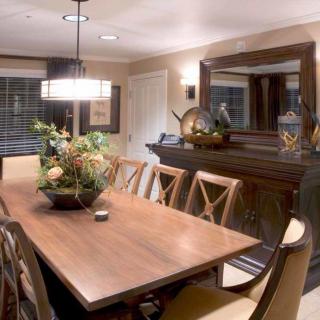


 Why Do Dementia Patients Sleep So Much? Understanding Oversleeping, Stages, and Care Approaches
 8 Key Indicators That Suggest It May Be Time to Transition from Assisted Living to Skilled Nursing Care
 Nourishing the Mind: Essential Dietary Approaches for Dementia