
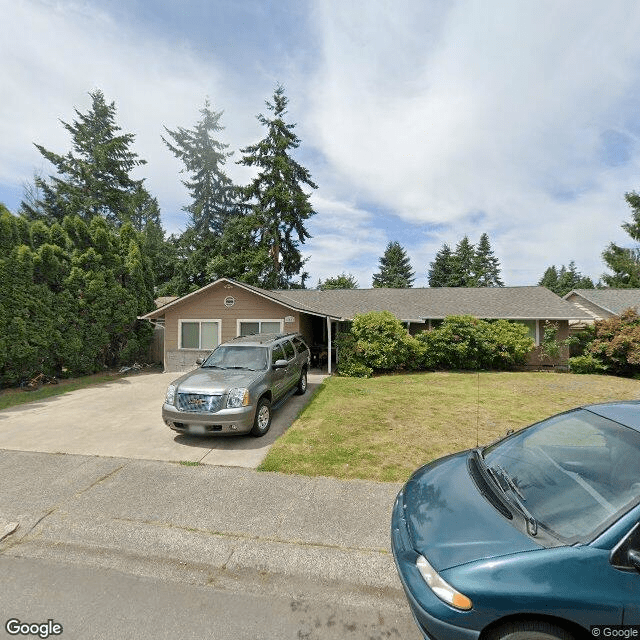
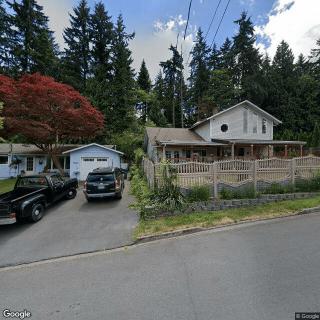
13813 88th Ave. NE 425-736-5928cell, Kirkland, WA 98034
To contact a resident: (425) 820-6169
For more information about senior living options: (866) 208-4318
Overall Review of Peace and Love AFH
Pros
 It is the place to be for all care needs.
- Its priority is on the people they care for.
- It is a place where every person counts.
- It is homely and very warm for both the employees and the people cared for.
- Peace of Mind is congratulated.
Review
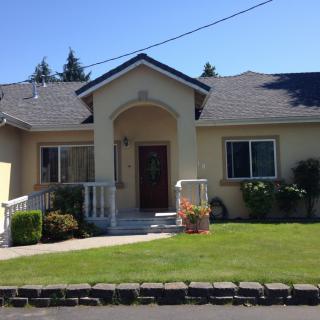
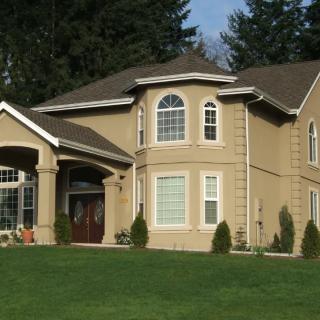
Peace and Love AFH in Kirkland is best suited for families seeking a small, intimate, home-like atmosphere where care is anchored in relationships. The few available affirmations emphasize a people-focused culture, with the sense that every resident truly counts. In practice, this creates a warm, homelike vibe for both residents and staff, where daily interactions feel meaningful and staff appear invested in comfort and mood as much as in routine tasks. For seniors who thrive on personal attention, predictable routines, and a sense of belonging, this community delivers more than supervision: it offers a palpable sense of kinship.
Those with higher medical acuity or the need for robust clinical oversight may want alternatives. Peace and Love AFH reads as a carefully run adult family home rather than a large, hospital-like campus, so residents who require frequent on-site nursing, complex wound care, or specialized memory-care programming should compare options with stronger clinical infrastructure. Families seeking a broad menu of structured daily activities, comprehensive transportation networks, or guaranteed access to on-demand physicians may find larger communities easier to source and more reassuring for ongoing medical management.
The positives, the warmth, the clear priority on the person being cared for, and the homey environment, offset several potential drawbacks. When staff and residents describe a place where “every person counts” and where warmth permeates daily life, the risk of impersonality diminishes dramatically. That emotional safety translates into reduced anxiety, better cooperation with care plans, and sustained engagement, especially for residents who respond well to familiar faces and predictable routines. In a setting this intimate, even modest staffing levels can yield quicker, more nuanced responsiveness and highly personalized routines.
However, the limited review base warrants caution. With only two reviews (one from a former employee and one from a resident-facing account), the full picture remains elusive. Positive sentiment is compelling, but it does not substitute for a current, on-site evaluation of staffing levels, care protocols, medication management, and emergency responsiveness. Prospective families should verify licensing status, request current references, and insist on seeing a recent care plan and activity calendar. Signs that care plans go unfunded or that responsiveness slips when needs escalate are red flags to probe during a visit.
Decision-makers should weigh the setting against practical priorities: cost and location, desired level of social programming, and comfort with a more intimate operation. If the loved one values immediate, personal connection with caregivers and a quiet, predictable routine, Peace and Love AFH can deliver above expectations. If breadth of services, formal memory-care programming, or 24/7 clinical oversight are non-negotiable, alternatives with larger staffing pools may deliver more reassurance. In short, this AFH excels as a warm, resident-centered home for lower-acuity needs and high-quality interpersonal care; for higher medical needs, keep more expansive options on the shortlist.
Bottom line: for families in Kirkland seeking a nurturing, home-like atmosphere where residents feel known and valued, Peace and Love AFH stands out as a thoughtful option. Its core strength, people-first care within a homely setting, offers real emotional dividends and can ease common worries about being overlooked. Yet, the thin data set invites prudent due diligence. Plan a thorough visit, speak with current caregivers, review a live care plan, and compare with at least one or two larger communities to determine whether this AFH aligns with both present needs and anticipated changes in care.
 Board and Care Home
 Memory Care
 Seattle-Tacoma International (19 miles away)
 Why Do Dementia Patients Sleep So Much? Understanding Oversleeping, Stages, and Care Approaches
 8 Key Indicators That Suggest It May Be Time to Transition from Assisted Living to Skilled Nursing Care
 Nourishing the Mind: Essential Dietary Approaches for Dementia