
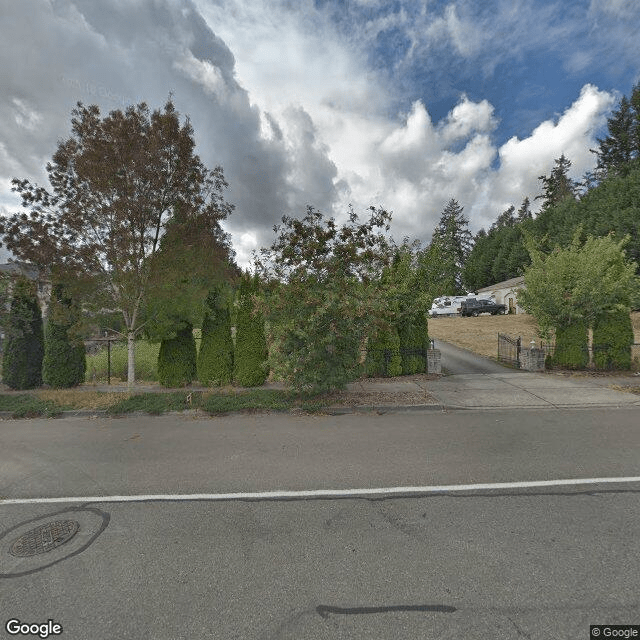
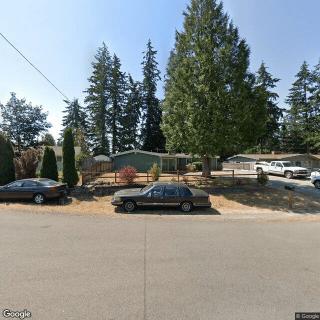
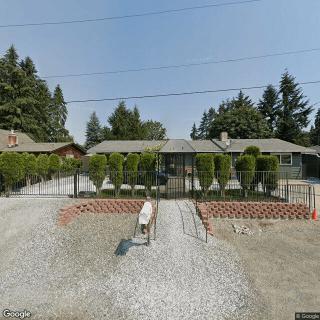
25411 156th Ave. SE, Covington, WA 98042
To contact a resident: (253) 630-6932
For more information about senior living options: (866) 208-4318
Prestige Park AFH Costs & Pricing
Prestige Park AFH offers a range of accommodation options with monthly costs that reflect both the quality of care and the local market dynamics. For private rooms, residents can expect to pay between $4,830 and $8,000, which is competitive compared to King County's average of $5,034 and Washington state's average of $4,772. The semi-private option is priced at a flat rate of $8,000, notably higher than both the county's average of $4,430 and the state's average of $4,267. Additionally, the one-bedroom accommodations also align with the semi-private pricing at $8,000 - again exceeding the county's average of $5,127 and Washington's overall figure of $4,632. These figures indicate that while Prestige Park AFH may carry a premium compared to some regional averages, it likely offers distinctive benefits in terms of care quality or amenities that justify this investment.
| Floor plans | Prestige Park AFH | King County | Washington |
|---|---|---|---|
| Private | $4,830 to $8,000 | $5,034 | $4,774 |
| Semi-Private | $8,000 | $4,430 | $4,272 |
| 1 Bedroom | $8,000 | $5,127 | $4,634 |
Memory care communities with a similar price nearby
-
from +$670 / mo

Twin Lake Adult Family Home
$5,500 to $6,500 / month12.2 miles away -
from -$830 / mo

Riverton Home Care
$4,000 to $5,000 / month10.2 miles away -
from -$830 / mo
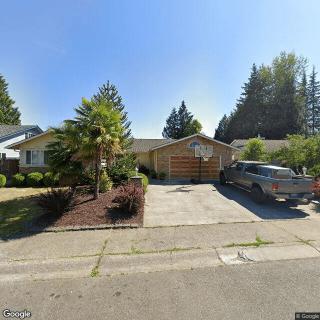
Gentle Care Home
$4,000 to $5,500 / month5.3 miles away -
from +$170 / mo
Peace and Pleasant Care Adult Family Home II
$5,000 to $6,000 / month6.1 miles away -
from -$525 / mo
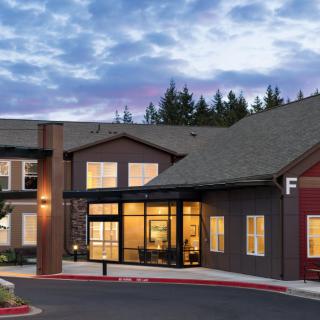
Penrose Harbor at Heron's Key
$4,305 to $7,332 / month21.7 miles away
Overall Review of Prestige Park AFH
Pros
 They provide wonderful care for his dad.
- The staff are very nice.
- Julee is very grateful for them.
- It was the best place for his dad.
Cons
 Prestige Park AFH did not work out well for the mom.
- The mom is combative and difficult to deal with.
- The facility did not seem like they did much, at least compared to expectations.
- As a result, the mom had to be taken out and is now staying at home.
Review
Prestige Park AFH in Covington, WA is best suited for families seeking a warm, home-like assisted living experience where staff truly treats residents like neighbors. This community appears to excel for loved ones who thrive in a small, intimate setting with personal attention and a friendly, nonclinical atmosphere. When care feels affectionate and individualized, families report palpable gratitude for the way their relative is cared for and welcomed. In such cases, Prestige Park AFH can feel like the right fit, offering a sense of belonging and daily reassurance that a caregiver is looking out for the resident’s comfort and routine.
However, this option may not be the right match for every situation. Families dealing with residents who are combative or require more intensive oversight may want to consider alternatives. The experience described by one family suggests that expectations for proactive care and robust support were not met, and ultimately they chose to move their loved one back home. In situations where behavioral challenges or higher medical needs demand consistent, assertive intervention and highly structured programming, Prestige Park AFH may fall short of those demands.
The primary positives for Prestige Park AFH center on warmth, kindness, and a genuine sense of community. Staff are described as caring and the environment as pleasant and friendly, which can make a substantial difference for a resident who values social connection and a familiar caregiving voice each day. This is the kind of setting that can reduce anxiety for seniors who prefer a homelike routine over a more clinical, large-scale atmosphere. In short, the emotional climate is a real strength when the resident is a good fit for a small, neighborly model of care.
Conversely, the chief drawbacks revolve around expectations versus reality in care intensity and responsiveness. One reviewer felt the level of effort did not match what was anticipated, especially in handling challenging behaviors and ensuring consistent, proactive engagement with the resident’s needs. For families weighing Prestige Park AFH, the gap between what is hoped for, visible, ongoing, hands-on care, and what is delivered can be a decisive fault line. If a loved one requires frequent check-ins, rapid problem-solving, or specialized management, those needs may not be reliably met in this setting.
Practical decision guidance hinges on clear inquiries and an honest assessment of needs. Prospective families should ask about daily care plans, activities, and how staff monitor health changes, as well as staffing ratios on weekends and evenings. Inquire about how behavioral issues are addressed, what steps trigger medical involvement, and whether there is a structured plan for escalation. Request examples of how residents with changing needs are supported and whether there is flexibility to adjust services without disrupting routine. A trial period or frequent family visits can illuminate whether the staff’s approach aligns with the resident’s temperament and care requirements.
Ultimately, Prestige Park AFH is a practical, high-touch option for those who value a intimate, friendly environment and can operate within its care boundaries. It serves well for residents who need daily companionship, basic assistance, and emotional reassurance, delivered in a home-like setting. Families should expect a degree of harmony and attentiveness, but also be prepared to consider alternatives if the loved one exhibits aggressive behavior, requires more intensive care management, or has expectations for proactive, aggressive care that may exceed what this smaller facility routinely provides. In the right circumstances, Prestige Park AFH offers reassuring comfort and a humane, personal touch.
 Board and Care Home
 Memory Care
 Activities on-site
 Bath tubs
 Devotional services off-site
 Indoor common areas
 Outdoor common areas
 Private
 Respite or short term stays offered
 Wheelchair accessible showers
 Seattle-Tacoma International (10 miles away)
 Diabetic care
 High acuity care
 Incontinence care
 Medication management
 Kosher
 Exploring the Power of Reminiscence Therapy for Individuals With Dementia
 An In-Depth Look at Reminiscence Therapy in Dementia Care
 Dementia-Related Hallucinations: Causes, Experiences, and Practical Approaches