
9124 NE 152nd Place, Kenmore, WA 98028
To contact a resident: (425) 877-1439
For more information about senior living options: (866) 208-4318
Serenity Park AFH Costs & Pricing
Serenity Park AFH offers competitive pricing for its various room types, making it an attractive option in the local market. For a semi-private room, the cost is $4,200 per month, slightly below both Snohomish County's average of $4,320 and Washington state's average of $4,267. Private rooms are available for $4,500, again demonstrating value against county and state averages of $4,834 and $4,772 respectively. The facility provides studio accommodations at the same rate of $4,500, which is notably higher than the county's average of $4,443 but still lower than the state's average of $4,126. For those seeking one-bedroom options, Serenity Park AFH offers these at $4,500 monthly - substantially lower than Snohomish County's average of $5,080 while staying below the state's average of $4,632. Overall, Serenity Park AFH presents a well-rounded pricing structure that reflects both value and quality in comparison to nearby alternatives.
| Floor plans | Serenity Park AFH | Snohomish County | Washington |
|---|---|---|---|
| Semi-Private | $4,200 | $4,320 | $4,272 |
| Private | $4,500 | $4,834 | $4,774 |
| Studio | $4,500 | $4,443 | $4,128 |
| 1 Bedroom | $4,500 | $5,080 | $4,634 |
Memory care communities with a similar price nearby
-
from -$700 / mo
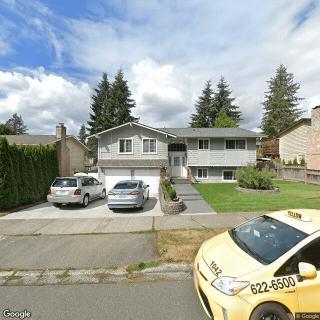
Dignity Life
$3,500 / month6.9 miles away -
from -$825 / mo
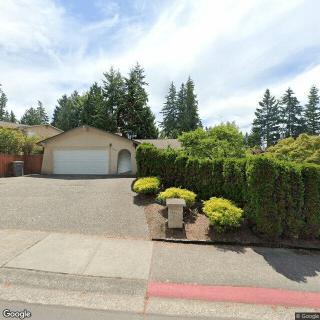
Evergreen Manor Senior Care Inc
$3,375 to $7,500 / month3.8 miles away -
from -$200 / mo

Riverton Home Care
$4,000 to $5,000 / month18.5 miles away -
from -$200 / mo
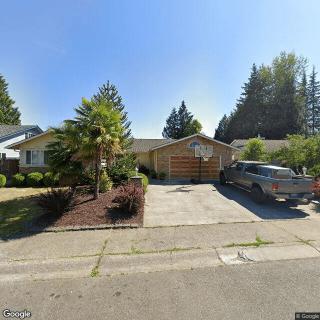
Gentle Care Home
$4,000 to $5,500 / month20.3 miles away -
from +$300 / mo
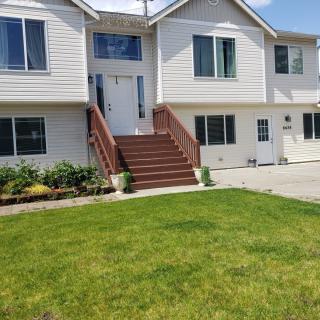
We Care Adult Family Home
$4,500 to $8,000 / month14.3 miles away
Overall Review of Serenity Park AFH
Pros
 A Caring Haven turned out to be the best decision for the family.
- The staff genuinely care and treat residents with a lot of patience.
- The owner is a nurse practitioner, and it shows.
- The owner is deeply involved and truly cares about the people living there.
- The mother-in-law is more relaxed and looks healthier, and the family feels at peace knowing she’s in good hands.
- The facility is a nice and beautiful place for the elderly to stay.
- The owner and all caregivers are professional.
- The owner and staff are very friendly and genuinely love what they do.
- The experience at the home was one of the best.
Cons
 The caller received a very rude reply, which was not a great start.
Review
Serenity Park AFH in Kenmore is best suited for families facing dementia or memory-care needs who want a small, home-like setting with hands-on, medical-informed leadership. The care culture shows in patient, steady staff and in leadership that remains visibly involved. Reviews highlight that the owner is a nurse practitioner, and that professional medical oversight translates into calm routines, careful monitoring, and a sense of security for loved ones. Families report real peace of mind when a resident with dementia moves in, noting that a loved one becomes more relaxed and appears healthier under consistent, attentive care. In short, Serenity Park AFH excels where warmth, attentiveness, and continuity trump size and formality.
Those weighing options should also consider alternatives. Larger assisted living campuses offer broader medical departments, more formal programming, and a wider activity slate that some families may prefer. For residents requiring round-the-clock, high-intensity medical intervention or a strictly clinical environment, an AFH may feel too intimate or undersized. A negative phone interaction noted by one reviewer underscores a caveat about responsiveness and professionalism in communication. The presence of a one-star rating among the six reviews points to variability; prospective residents will want to probe how inquiries are handled and what level of professional consistency to expect before committing.
The strongest positives center on people: caregivers who appear genuinely caring and patient, an owner who is directly involved, and a nurse practitioner overseeing care. The home-like vibe, clean and well-organized surroundings, and dependable meals round out a practical, comforting environment. This combination tends to offset the limitations of a smaller operation by delivering highly personalized attention, quicker adjustments to care plans, and visible investment in residents’ comfort and safety. The dementia-focused case described by families, reduced agitation, improved serenity, and an easing of family stress, illustrates how decisive, steady hands at the helm can translate into meaningful daily gains.
That said, inherent trade-offs exist. The intimate scale usually means fewer staff on duty at any given moment compared with larger facilities, which can affect escalation times and the breadth of on-site medical coverage. Families seeking structured, institution-level memory-care programming may find the offerings here less formal than they expect. The communication hiccup cited in one review should not be dismissed; it signals the need for a clearly defined, respectful communication protocol and a reliable escalation path when concerns arise. Prospective occupants should verify how care updates are shared, how changes to routines are implemented, and who holds accountability if expectations slip.
For families planning the next steps, practical due diligence matters greatly. Schedule a tour to observe interactions between staff and residents, and request a sample dementia care plan that demonstrates how daily routines, medication management, and behavioral strategies are coordinated. Inquire about staff-to-resident ratios, the presence (or absence) of around-the-clock nursing support, and how emergencies are handled after hours. Ask for details about activities tailored to memory care, dietary accommodations, and safety measures designed for wandering or confusion. Speaking with current families can shed light on consistency of care, responsiveness, and whether the owner’s clinical background translates into timely medical decisions.
Bottom line: Serenity Park AFH is a compelling option for families who prize intimate, compassionate dementia care delivered with personal oversight and a home-like atmosphere. It is a strong choice when warmth, detailed attention, and a nurse-led approach are valued more than the breadth of services or scale. For those who require more robust medical programming, a larger campus with extensive on-site resources, or a more formalized memory-care curriculum, alternatives deserve careful consideration. The decision should hinge on the resident’s dementia needs, the family’s tolerance for occasional communication variability, and the comfort found in knowing care is personalized, steady, and guided by a clinician-led leadership style.
 Board and Care Home
 Memory Care
 Activities off-site
 Beautician on-site
 Devotional services on-site
 Indoor common areas
 Outdoor common areas
 Private
 Respite or short term stays offered
 Wheelchair accessible showers
 Seattle-Tacoma International (20 miles away)
 Diabetic care
 High acuity care
 Incontinence care
 Medication management
 Kosher
 Delirium and Dementia: Unraveling the Key Differences
 Are Dementia and Alzheimer's Disease Lethal? A Comprehensive Exploration
 Exploring the Power of Reminiscence Therapy for Individuals With Dementia