
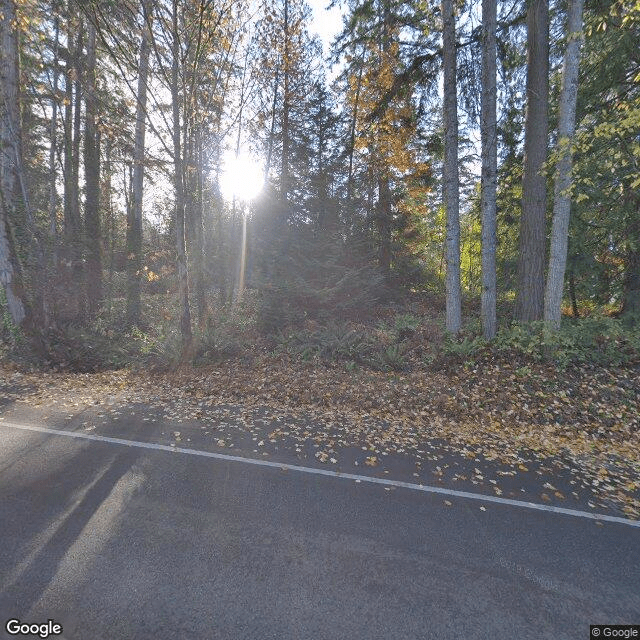
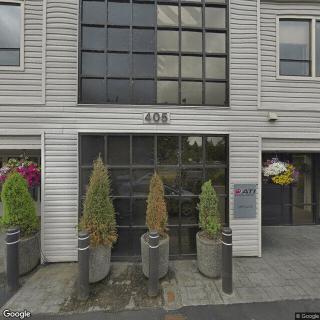
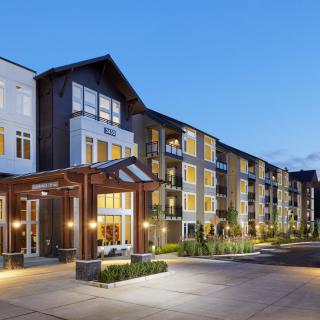
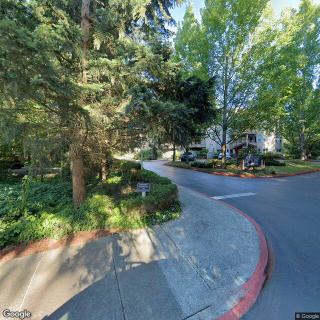
375 Mt Olympus Dr. NW, Issaquah, WA 98027
To contact a resident: (206) 399-2057
For more information about senior living options: (866) 208-4318
Private Nursing Care Costs & Pricing
When considering the costs associated with private nursing care in King County, Washington, it's important to note that private rooms are priced at approximately $5,500 per month, reflecting a premium for personalized and dedicated services. This rate is higher than the average for both semi-private accommodations and 1-bedroom units within the county - both also priced at $5,500. By comparison, semi-private rooms average around $4,430 in King County and about $4,267 at the state level. Similarly, one-bedroom facilities show a monthly cost of about $5,127 locally and slightly less across Washington State at roughly $4,632. These figures highlight the substantial investment required for private nursing care services in this region while also illustrating the variations in pricing based on room arrangements.
| Floor plans | Private Nursing Care | King County | Washington |
|---|---|---|---|
| Private | $5,500 | $5,034 | $4,774 |
| Semi-Private | $5,500 | $4,430 | $4,272 |
| 1 Bedroom | $5,500 | $5,127 | $4,634 |
Memory care communities with a similar price nearby
-
from +$1000 / mo
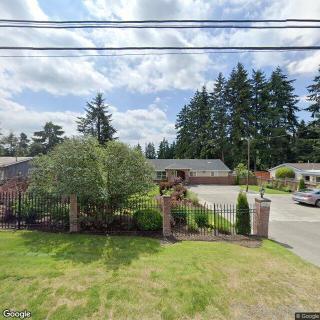
The Promised Land
$6,500 / month19.0 miles away -
from +$500 / mo
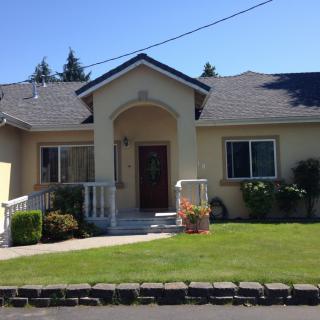
Elderly Home Care
$6,000 to $8,000 / month16.1 miles away -
from +$250 / mo
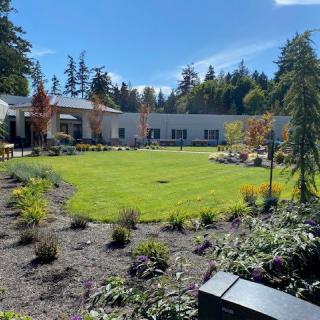
Fieldstone Rolling Bay and Fieldstone Memory Care
$5,750 to $8,895 / month22.6 miles away -
About the same

Twin Lake Adult Family Home
$5,500 to $6,500 / month21.6 miles away -
from +$500 / mo
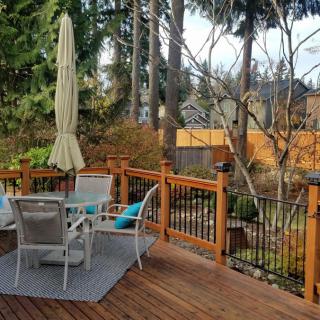
Blue Horizon Adult Family Home
$6,000 to $7,000 / month9.4 miles away
Overall Review of Private Nursing Care
Pros
 The food at the care home is homemade and residents seem to like the majority of it.
- The home is kept clean and there is always someone there to take care of residents.
- The reviewer would recommend this care home.
- The community is very good, with excellent caregivers who are superb.
- It is a five-star community; it is high quality and has everything you could ask for.
- The caregivers do a wonderful job at taking care of the residents.
- The facility is highly recommended for anyone seeking a high-quality assisted living facility.
- People will be very pleased and happy at this property.
Review
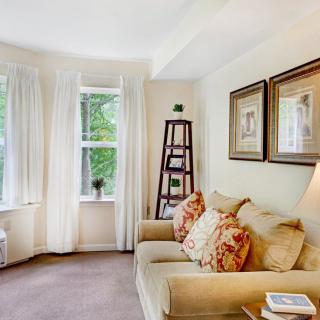
This community in Issaquah is best suited for seniors who require reliable, hands-on nursing support delivered in a clean, home-like setting, with meals that feel homemade and a constant caregiver presence. Families seeking strong caregiver engagement, predictable routines, and assurance that help is immediately available will find this Private Nursing Care facility aligns with those priorities. The arrangement supports residents who need a higher level of daily assistance while staying in a residence that feels less institutional and more lived-in, with staff who are consistently attentive and responsive.
Those who should consider alternatives include families working with tighter budgets or residents who want a lower-touch assisted living experience. If medical oversight needs are lighter, independence and social programming take precedence, or if a more expansive campus with broader amenities is desired, other communities or in-home options may fit better. This model excels at care density and immediate support; alternatives may offer cost savings, different social dynamics, or specialized programming that better matches unique preferences or financial constraints.
Key strengths demonstrate why this setting earns strong marks. The meals carry a homemade, comforting quality that resonates with residents and their families, while the environment stays clean and orderly, reinforcing a sense of home and safety. The most cited advantage is the round-the-clock availability of caregivers who manage daily tasks, monitor health needs, and respond promptly. The level of care is described as high quality with caregivers repeatedly praised for their competence and dedication, which translates into reliable routines and confident, low-stress days for residents and their loved ones.
The main considerations to weigh revolve around trade-offs inherent in a high-touch nursing-forward model. The obvious constraint is price, as the premium for this depth of care can be a barrier for some households. For those prioritizing budget savings, or seeking a more independent lifestyle with minimal daily assistance, other options will likely be more suitable. Additionally, if a resident requires highly specialized medical services beyond routine nursing and assisted living tasks, the fit may loosen, since this setting centers on dependable daily support and everyday health management rather than niche clinical programs. These boundary conditions matter in choosing the right path.
Where the pros most strongly offset potential drawbacks is in daily experience and peace of mind. A consistent, home-style dining atmosphere reduces dietary stress and supports nutrition, while meticulous cleanliness underpins health and mood. The constant staffing presence minimizes missed tasks and delays in assistance, which translates into steadier routines and lower anxiety for families. When caregivers perform at a high level, residents feel secure, and this confidence tends to lessen hospital-related triggers and improve overall well-being. In practice, the best verdict emerges from aligning care intensity with personal needs and willingness to invest in a superior, consistent care environment.
Bottom line: for residents who require robust nursing support, reliable round-the-clock staffing, clean, home-like surroundings, and meals that feel like home, this Issaquah community stands out as a top choice. Families should be prepared to invest appropriately for the level of care provided and to ensure the price aligns with long-term expectations. Alternatives deserve consideration for those prioritizing cost savings, a less intensive daily routine, or specialized programming beyond what private nursing care emphasizes. A careful visit, candid conversations about nurse-to-resident ratios, and discussions with current families will reveal whether this setting will meet the individual’s care trajectory and quality-of-life goals.
 Board and Care Home
 Memory Care
 Activities off-site
 Beautician on-site
 Devotional services on-site
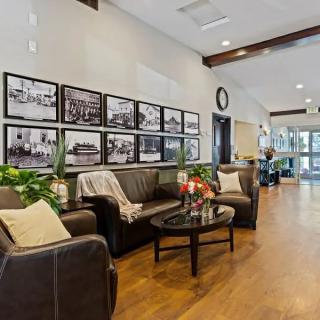
 Indoor common areas
 Outdoor common areas
 Private
 Private bathrooms
 Respite or short term stays offered
 Wheelchair accessible showers
 Seattle-Tacoma International (13 miles away)
 Diabetic care
 High acuity care
 Incontinence care
 Medication management
 Meals provided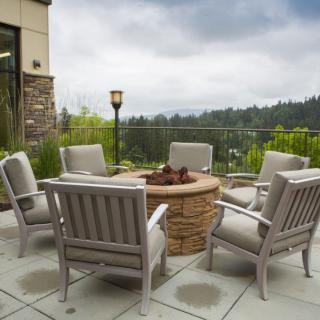

 A Thorough Discussion of Medications Potentially Linked to Dementia Risk
 Why Do Dementia Patients Sleep So Much? Understanding Oversleeping, Stages, and Care Approaches
 8 Key Indicators That Suggest It May Be Time to Transition from Assisted Living to Skilled Nursing Care